Baby teeth get dismissed more often than they should. It is easy to assume that because these first teeth are temporary, they do not require much attention.
That assumption can lead to real problems that follow a child well into adulthood.
The health of your child’s baby teeth directly shapes how they eat, speak, and develop permanent teeth that fit properly in their jaw. When primary teeth are ignored, the consequences go beyond a cavity or two.
Decay, early tooth loss, and misalignment become much more likely. Correcting those issues later is far more costly and complicated than preventing them early.
Key Takeaways
- Baby teeth support eating, speech, and jaw development in ways that directly affect adult health.
- Neglecting primary teeth increases the risk of pain, infection, and permanent tooth misalignment.
- Early dental visits and consistent home care build habits that protect your child’s smile for life.
What Baby Teeth Do For A Child’s Development

Baby teeth serve three active, practical roles that affect your child every single day. They support proper nutrition, shape early communication, and preserve the physical space adult teeth need to grow in correctly.
Chewing And Early Nutrition
Before baby teeth arrive, infants rely on gums and soft foods. As teeth come in, your child gains the ability to bite and chew a wider variety of textures.
This is critical because chewing breaks food into smaller pieces that are easier to digest and absorb. Without healthy teeth, children often retreat to soft, processed foods.
That dietary shift can contribute to nutritional gaps during some of the fastest years of physical growth.
Speech And Sound Formation
Teeth play a physical role in speech. Your child uses them to form specific sounds, particularly consonants like “t,” “d,” “s,” and “th.”
Missing or severely decayed front teeth make those sounds harder to produce clearly. Speech patterns formed in early childhood tend to stick.
Children who struggle to articulate sounds clearly due to dental problems sometimes carry those speech patterns into school age, where they can affect confidence and communication.
Holding Space For Adult Teeth
Each baby tooth acts as a guide and a placeholder. Permanent teeth form beneath the gums and follow the path that primary teeth create above them.
When a baby tooth is lost too early due to decay or extraction, the surrounding teeth can drift into that open space. That drifting narrows the gap the adult tooth needs.
The result is crowding, misalignment, and, in many cases, orthodontic treatment that could have been avoided.
How Healthy Primary Teeth Support Long-Term Oral Health
The connection between baby teeth and adult oral health is more direct than most parents realize. Primary teeth actively shape jaw structure, guide incoming permanent teeth, and either set up or undermine your child’s long-term dental outcomes.
Jaw Growth And Bite Development
Chewing stimulates the jawbone. That stimulation signals healthy bone growth and helps the jaw develop the correct shape and size.
Children who avoid chewing due to tooth pain or missing teeth may experience uneven jaw development. A jaw that does not grow properly can lead to bite problems.
Those bite issues, such as overbites, underbites, and crossbites, often require years of orthodontic correction.
Guiding Permanent Teeth Into Position
Baby teeth do not just hold space passively. They actively guide permanent teeth as they push through the gumline.
The roots of primary teeth gradually dissolve, which signals to the adult teeth below where and how to emerge. When that guide is missing or compromised, adult teeth often erupt at the wrong angle.
Crooked or impacted permanent teeth are a common consequence of unhealthy or prematurely lost primary teeth.
Reducing The Risk Of Future Dental Problems
Children who maintain healthy primary teeth are far more likely to enter adulthood with fewer dental complications. Decay in baby teeth introduces bacteria into the mouth that can affect developing permanent teeth nearby, even before those teeth have surfaced.
Keeping primary teeth healthy is not just about the present. It reduces the likelihood of cavities, crowding, and complex dental work in your child’s teenage years and beyond.
What Can Happen When Baby Teeth Are Neglected
Skipping care for primary teeth is rarely consequence-free. The effects range from immediate discomfort to longer-term developmental and behavioral problems that extend well beyond the dental office.
Cavities, Pain, And Infection
Decay in baby teeth progresses quickly. The enamel on primary teeth is thinner than on adult teeth, which means cavities can reach the inner pulp faster.
Once infection sets in, it causes significant pain and can spread to surrounding tissue or nearby developing adult teeth. A dental infection in a young child is not a minor inconvenience.
It can require extraction, antibiotics, or more involved treatment that a straightforward cavity caught early would have avoided entirely.
Premature Tooth Loss
When decay or infection forces early removal of a baby tooth, the surrounding teeth begin to shift. That movement closes the space where the permanent tooth is supposed to emerge.
The adult tooth then has nowhere to go and erupts out of alignment. Premature loss of multiple baby teeth accelerates this problem and often results in significant crowding that requires years of orthodontic treatment.
Effects On Sleep, School, And Daily Comfort
Tooth pain is disruptive. Children dealing with chronic dental discomfort often have trouble sleeping, which affects mood, attention, and behavior.
Poor sleep due to oral pain is a documented contributor to difficulty concentrating at school. Pain while eating leads children to avoid nutritious foods.
Children are also increasingly aware of their appearance as they grow. Visibly damaged or missing teeth can affect self-confidence in social settings and in the classroom.
Common Misunderstandings Parents Often Hear
A few widely repeated beliefs about baby teeth consistently lead parents to underestimate the care these teeth actually need. Each of them sounds reasonable on the surface but falls apart when you look at how primary teeth actually function.
They Fall Out Anyway
This is the most common reason parents give for skipping dental care during the early years. The logic seems sound, but it ignores what baby teeth do while they are in place.
They support jaw development, nutrition, speech, and the positioning of adult teeth. Neglecting them during those years has consequences that do not disappear when the tooth falls out.
A cavity in a baby tooth does not wait for the tooth to fall out naturally. It causes pain and infection now, and it can damage the adult tooth forming just beneath the gumline.
Treatment Is Not Necessary Unless A Child Complains
Children are not reliable reporters of dental pain. Some tolerate discomfort without expressing it clearly.
Others may not have the language to describe what they are feeling. By the time a child shows visible signs of distress, decay has often progressed significantly.
Waiting for symptoms means waiting for problems to become harder and more expensive to treat. Regular checkups catch decay early, before it reaches that stage.
Home Care Alone Is Enough
Brushing and flossing at home matter and should not be skipped. But professional cleanings reach areas that home care misses.
A dentist can also apply fluoride varnish, spot early decay, monitor jaw development, and identify issues with incoming teeth that parents have no way to detect on their own. Home care and professional care work together.
Neither replaces the other.
How Parents Can Protect Baby Teeth Early
Protecting primary teeth does not require a complicated routine. A few consistent habits introduced early make a significant difference in how your child’s teeth develop.
Daily Brushing And Fluoride Habits
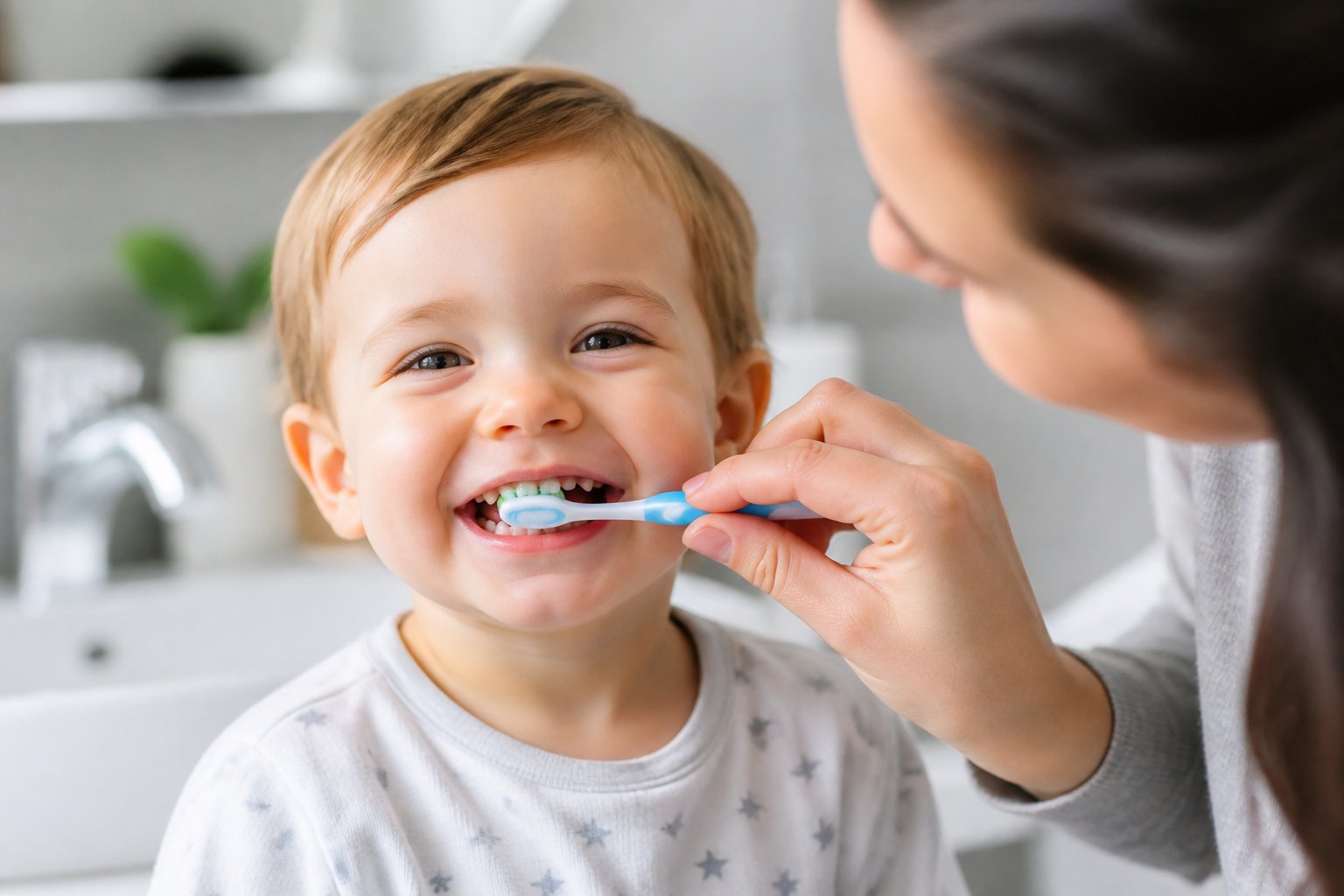
Start brushing as soon as the first tooth appears. Use a soft-bristled toothbrush and a tiny smear of fluoride toothpaste, about the size of a grain of rice, for children under three.
For children three and older, a pea-sized amount is appropriate. Brush twice a day and make it a consistent part of your child’s routine.
Fluoride strengthens enamel and dramatically reduces the risk of decay, making it one of the most evidence-backed tools in early dental care.
Smart Snack And Drink Choices
Sugary drinks and frequent snacking are two of the biggest contributors to early childhood tooth decay. Juice, flavored milk, and sugary beverages coat teeth in sugar and acid for extended periods, especially when sipped throughout the day.
Limit juice and avoid putting children to bed with a bottle of anything other than water. Offer whole fruits, vegetables, and cheese instead of sticky, sugary snacks.
Cheese in particular helps neutralize acids in the mouth.
Regular Checkups And Preventive Care
Professional visits allow for fluoride treatments, dental sealants on back teeth, and early detection of problems you cannot see at home. Most children benefit from visits every six months starting by their first birthday or when the first tooth arrives.
Establishing this routine early also normalizes dental visits. Children who visit regularly from a young age tend to have far less anxiety in the chair as they grow older.
When To Schedule A Dental Visit
Knowing when to bring your child in is just as important as knowing how to care for their teeth at home. The timing of that first visit and ongoing appointments directly influences how well you can stay ahead of problems.
First Visit Timing
The American Academy of Pediatric Dentistry recommends a child’s first dental visit by their first birthday or within six months of the first tooth appearing, whichever comes first.
Most babies get their first tooth somewhere between six and ten months, though the timeline varies. That early visit is not just about checking teeth.
It gives the dentist a chance to assess development, give you guidance on brushing and diet, and help your child begin associating the dental office with a positive experience.
Signs A Child Should Be Seen Sooner
Do not wait for a scheduled appointment if you notice any of the following:
- White or brown spots on your child’s teeth, which can signal early decay
- Visible holes, chips, or dark discoloration on any tooth
- Swelling in the gums or jaw
- Your child complaining of tooth pain or refusing to eat on one side
- A tooth that was knocked loose or displaced due to a fall or impact
These are signs that something needs attention promptly, not at the next routine visit.
What Parents Can Expect At Routine Appointments
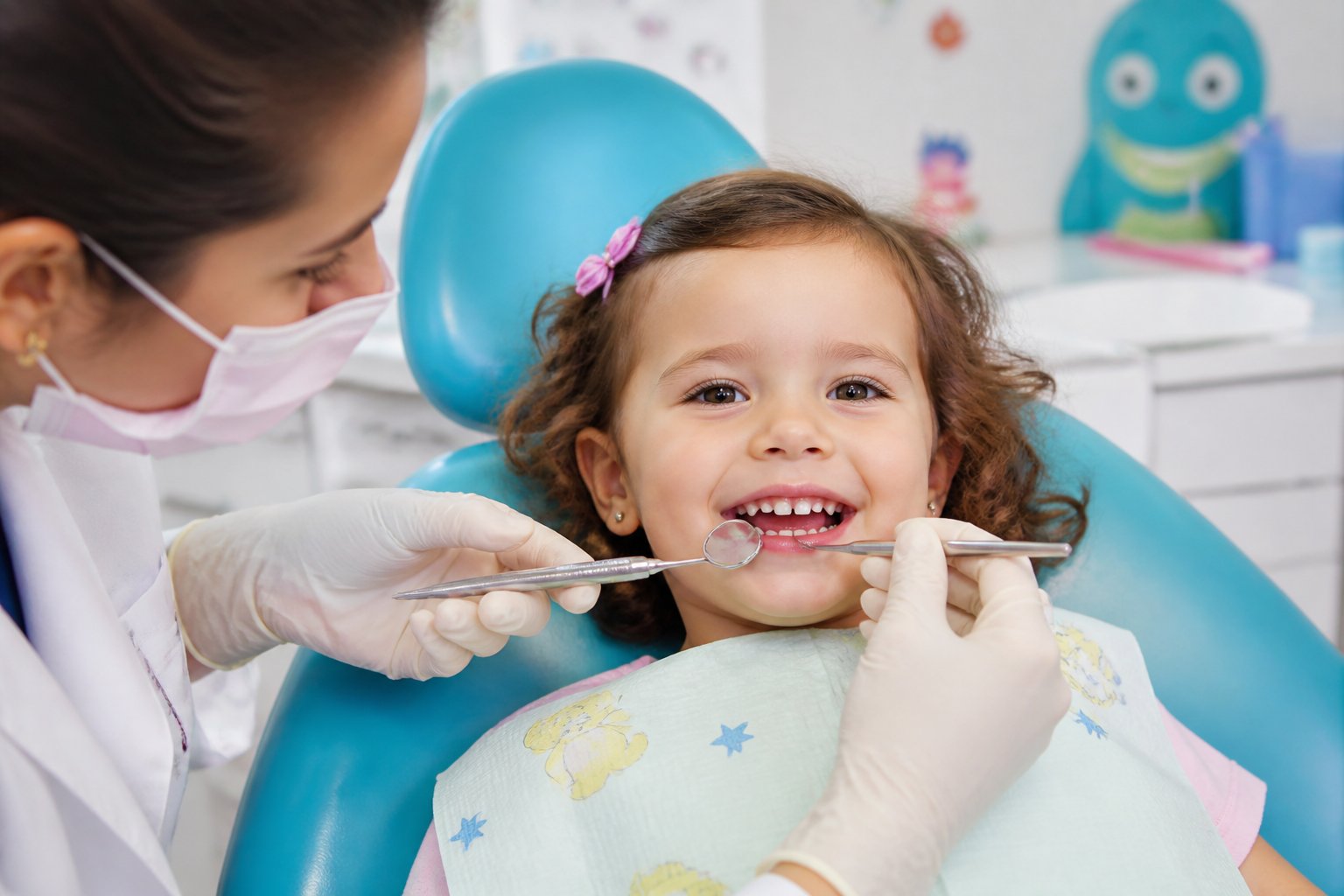
A typical first visit is brief and gentle. The dentist will examine your child’s teeth, gums, and jaw, look for any signs of decay or developmental concerns, and often apply fluoride varnish.
For very young children, the exam may be done with the child sitting in your lap. As children get older, visits include professional cleaning, X-rays when appropriate, and a review of brushing habits and diet.
The team will answer your questions and give you specific guidance based on what they observe.
Frequently Asked Questions
Why are baby teeth important even though they eventually fall out?
Baby teeth actively support your child’s health while they are in place, including chewing, speech, jaw development, and holding space for adult teeth. Neglecting them leads to pain, infection, and structural problems that affect permanent teeth.
The fact that they eventually fall out does not cancel out the harm that decay or early loss can cause in the meantime.
How do baby teeth support proper speech development and eating habits?
Teeth are physically necessary for forming certain sounds, particularly consonants that require the tongue to contact or approach the teeth. Without healthy front and back teeth, children struggle to eat a varied diet and may develop speech patterns that persist past early childhood.
Both eating and speaking develop during a critical window when primary teeth are present.
What is the typical timeline for baby teeth coming in, and when should parents worry?
Most children get their first tooth between six and ten months of age, with the full set of twenty baby teeth typically in place by around age three. Variation within a few months on either side is common and usually not a concern.
If no teeth have appeared by fifteen months, a dental visit is a reasonable next step to rule out any developmental issues.
Do babies always get their bottom teeth first, and what if the order is different?
The two lower front teeth typically come in first, followed by the upper front teeth. However, the sequence can vary between children.
A different eruption order is rarely a sign of a problem. What matters more is that teeth are appearing on a reasonable timeline and that the gums and surrounding tissue look healthy as they come in.
How can parents prevent cavities in baby teeth and build healthy dental habits early?
Begin brushing with a soft toothbrush and fluoride toothpaste as soon as the first tooth appears. Limit sugary drinks and frequent snacking throughout the day.
Avoid putting a child to sleep with a bottle containing juice or milk. Scheduling professional visits starting around the first birthday gives the dentist a chance to catch early decay and reinforce good habits with you directly.
When should a child see a dentist for the first time, and how often after that?
The first dental visit should happen by age one or within six months of the first tooth erupting.
After that, most children benefit from checkups every six months, though your dentist may recommend a different frequency based on your child’s specific risk factors.