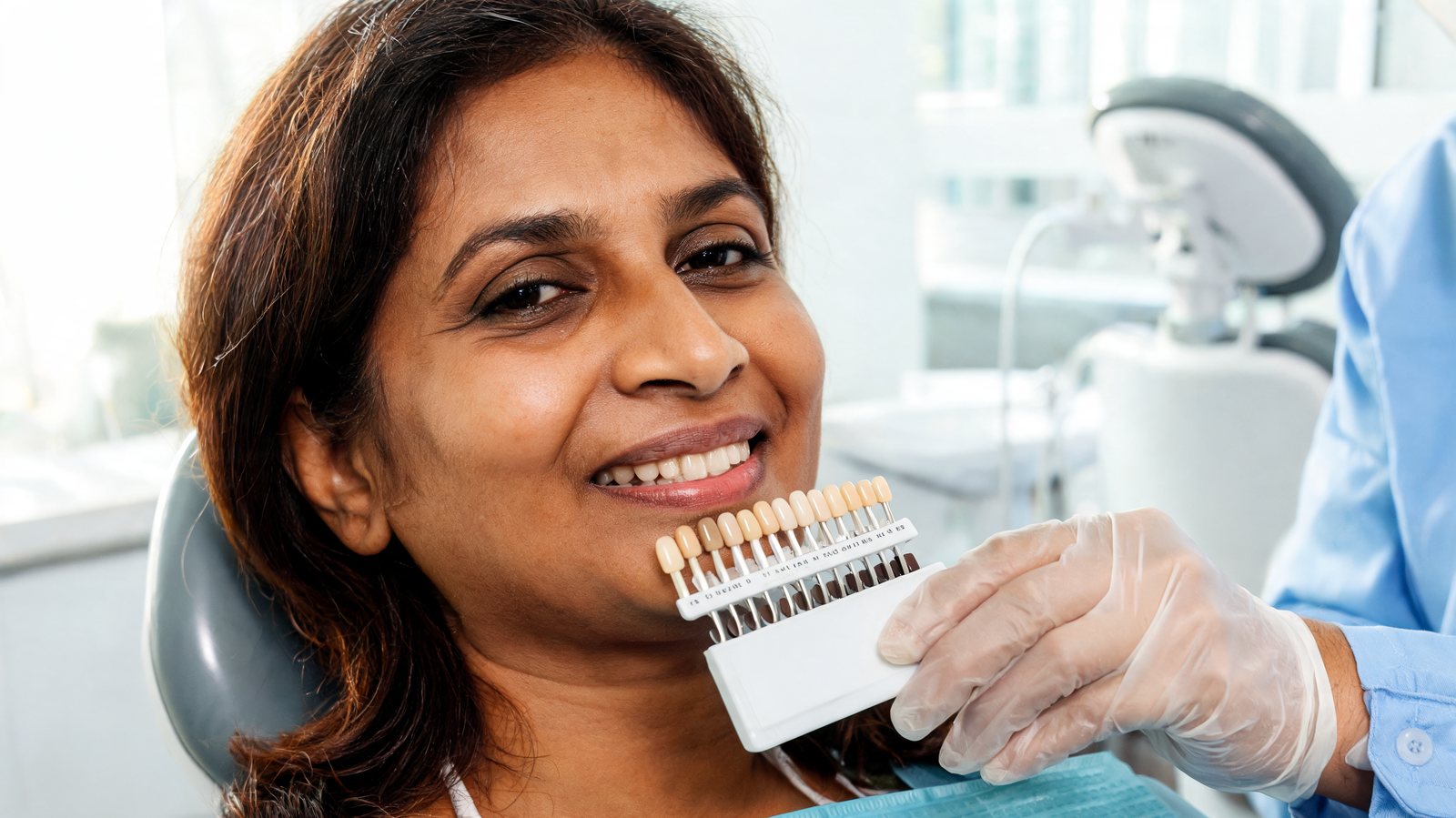
Gum disease sneaks up on a lot of adults, and honestly, most people don’t even realize it’s happening until things get pretty bad. It starts off quietly, but if you ignore it, you could end up losing teeth. The upside? If you catch it early, treating gum disease is way easier and usually works much better.
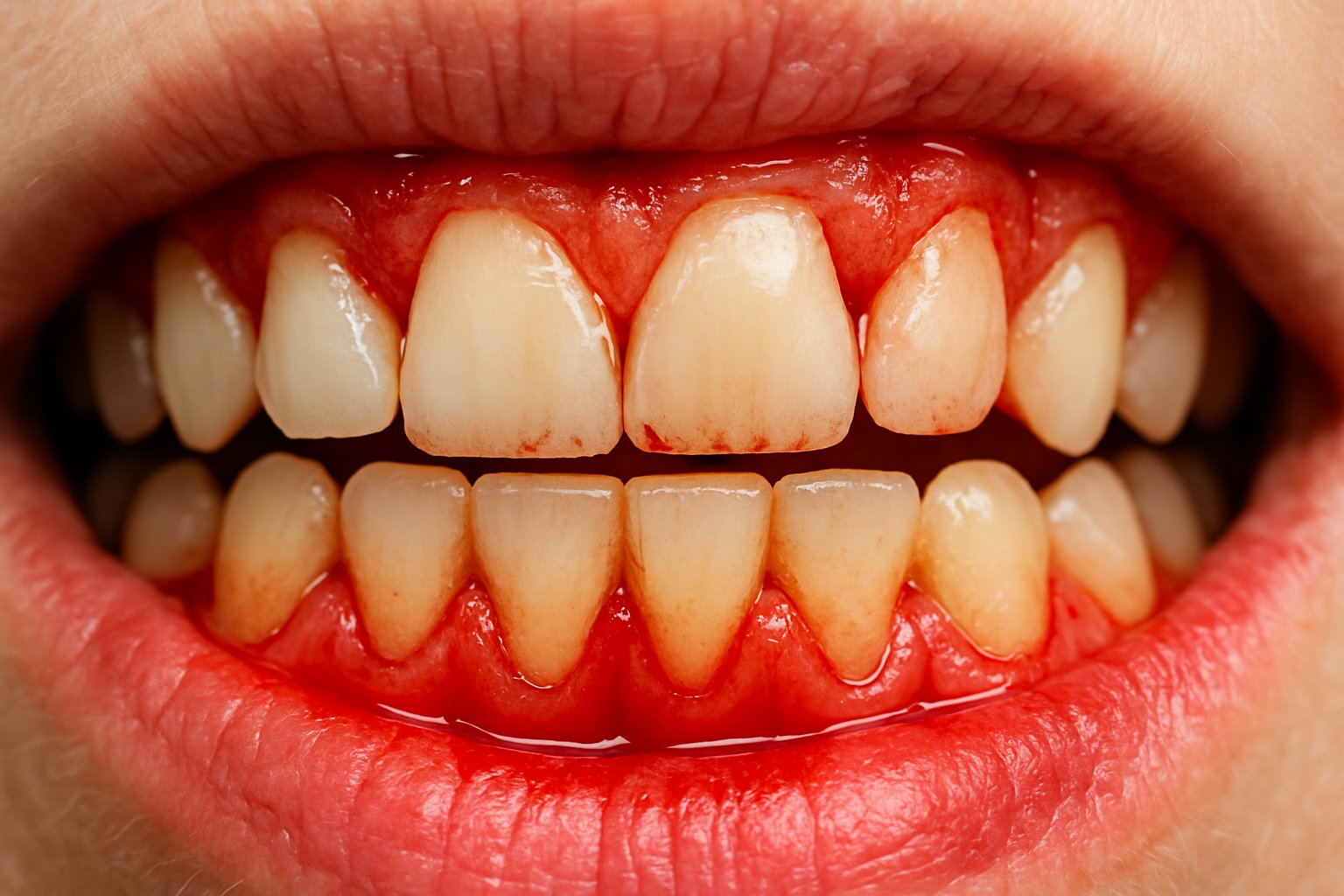
Look out for these warning signs of gum disease: bleeding gums when you brush or floss, red or swollen gums, bad breath that just won’t quit, gums pulling back from your teeth, and loose teeth. Paying attention to these signs makes it much easier to spot problems before they snowball. Gums should be firm and pink, not puffy, sore, or red.
You might not notice the early signs because gum disease usually creeps in without much pain. Maybe you see a little blood when you brush and shrug it off. Those little signs? They actually matter.
Key Takeaways
- Gum disease often starts off painless, but you can spot the warning signs if you know what to look for.
- Bleeding, swollen, or receding gums usually mean something’s up.
- Catching it early can save your teeth and prevent bigger problems down the road.
Signs of Gum Disease: A Quick Checklist
If you are wondering whether you have gum disease, these are the signs to check for. You do not need to have all of them; even one that keeps coming back is worth a dental visit.
- Gums that bleed when you brush or floss
- Red, swollen, or tender gums
- Bad breath or a bad taste that does not go away after brushing
- Gums pulling back from your teeth, so teeth look longer
- Teeth that feel loose or are starting to shift
- Pus between your teeth and gums
- A change in how your teeth fit together when you bite
Early signs (bleeding, redness, swelling) usually point to gingivitis, the stage that can be reversed with a professional cleaning and better brushing and flossing at home. Later signs (receding gums, loose teeth, pus, a changing bite) suggest periodontitis, which needs professional care to keep it from getting worse.
Because gum disease is often painless, do not wait for it to hurt. If you notice any of these signs, book a checkup so a dentist can measure your gums and recommend the right gum disease treatment.
The Top Warning Signs of Gum Disease
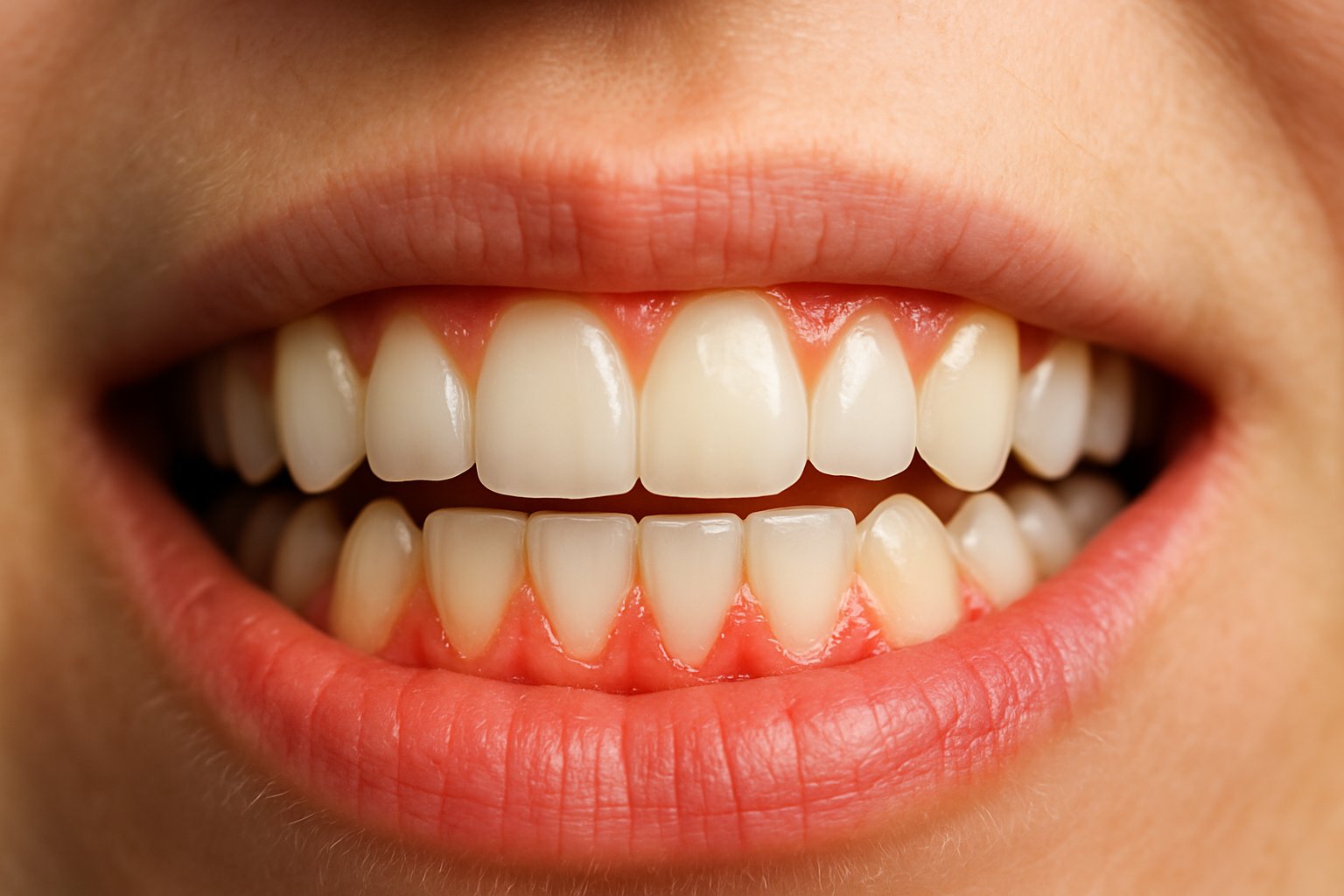
Gum disease doesn’t always make a loud entrance, but your body usually tries to warn you. If you notice bleeding when you brush, inflamed gums, bad breath that won’t go away, or gums pulling back from your teeth, that’s your mouth telling you bacteria are causing trouble.
Bleeding Gums During Brushing or Flossing
Gums really shouldn’t bleed when you brush or floss. Healthy gums just don’t do that.
If you spot blood on your toothbrush or floss, bacteria are probably piling up along your gumline. That’s usually the first sign of gingivitis, which is the earliest stage of gum disease.
Plaque bacteria irritate your gums and make them inflamed. Some folks think bleeding means they’re brushing too hard, but that’s rarely the case. Unless you’re really scrubbing, bleeding during gentle brushing usually points to infection.
The bright side? You can reverse gingivitis with some effort. If you catch bleeding gums early and step up your oral care, you can actually stop gum disease from getting worse.
Red, Swollen, or Tender Gums
Healthy gums look pale pink and feel firm. When gum disease starts, your gums change.
You may notice:
- Gums turning bright or dark red instead of pink
- Puffiness or swelling along your gumline
Sometimes they feel sore or tender, especially when you eat or brush. The surface might look shiny instead of normal.
This happens because your body sends more blood and immune cells to fight the bacteria. That’s what causes the swelling and color change.
You might see these changes in just one spot, or all over your mouth. Even a small area of swollen gums is worth some attention because infections spread.
Persistent Bad Breath or Bad Taste
If your breath still smells bad even after you brush, gum disease might be the reason. This isn’t the same as garlic breath or morning breath.
Bacteria that cause gum disease release smelly waste products. They like to hide in the pockets between your teeth and gums, where toothbrushes just can’t reach.
The deeper those pockets get, the worse the smell becomes. You might also get a weird, metallic taste in your mouth that just won’t go away.
Mints and mouthwash only cover up the problem for a little while. If your breath goes bad again right after you brush, bacteria under your gums are probably to blame.
Receding Gums Making Teeth Appear Longer
Gum recession means your gum tissue is pulling back, exposing more of your teeth or even the root. Maybe your teeth look longer than they used to, or you suddenly get sensitive to hot and cold.
Receding gums are a big red flag. At this point, the disease has moved past gingivitis. The bacteria have started breaking down the connection between your teeth and gums.
You might spot gaps or pockets between your teeth and gums. Sometimes your teeth feel loose, or they shift around a bit. The exposed roots look yellower because they don’t have enamel covering them.
Gum recession won’t fix itself. Once your gums pull back, they won’t grow back on their own. That’s why catching this early is so important if you want to keep your teeth.
Advanced Indicators and Progression of Gum Disease
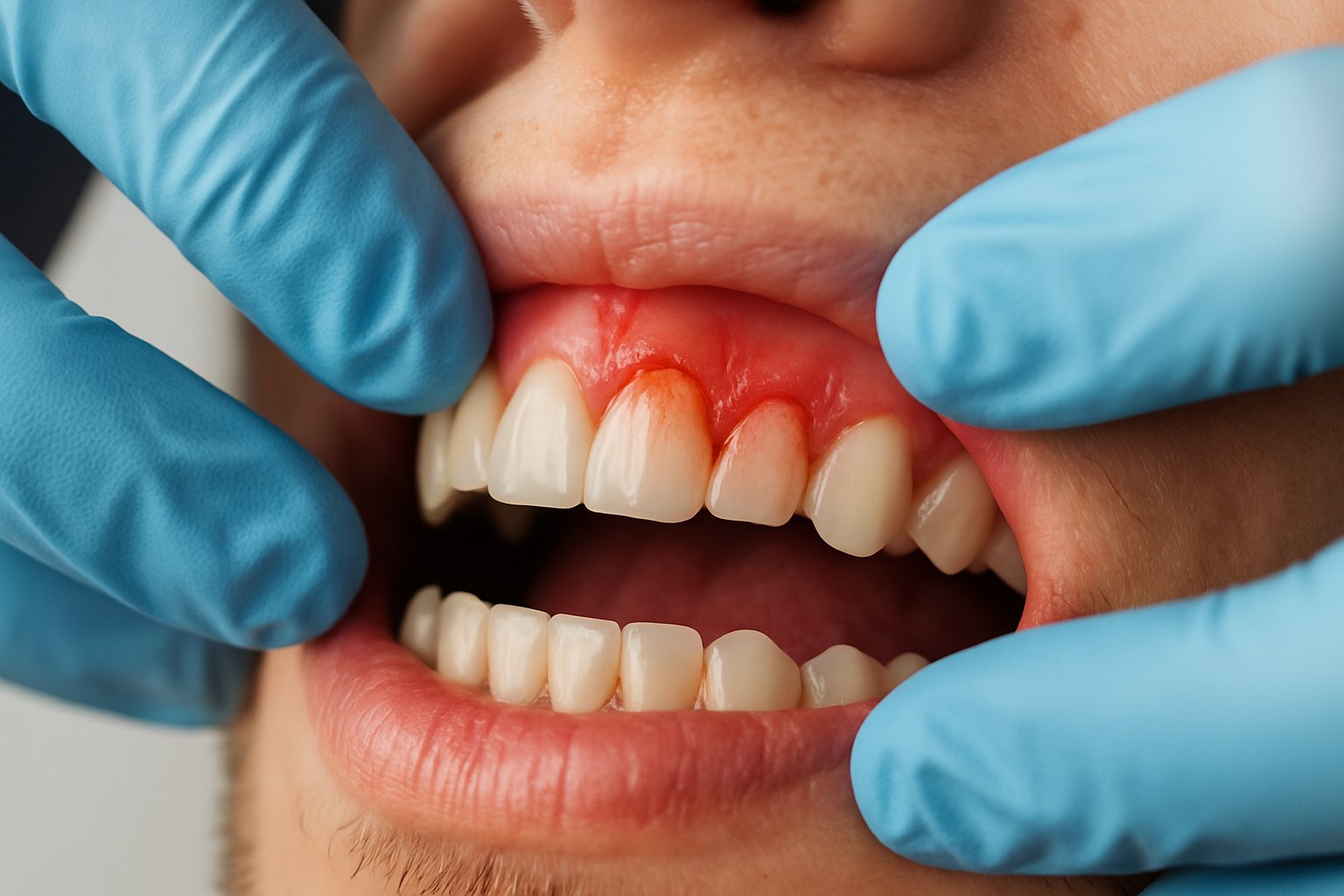
When gum disease gets really advanced, the symptoms get more obvious, and harder to ignore. Deep tissue damage, bone loss, and nasty infections start to show up in your teeth and gums. At this point, you really need professional treatment.
Loose or Shifting Teeth
Loose teeth are a sign that periodontitis has damaged the bone and tissue holding your teeth in place. As the infection eats away at the bone, your teeth lose their grip.
You might feel your teeth move with your tongue or finger. Sometimes they shift out of position, and you notice new gaps or changes in how your teeth line up.
This happens slowly as gum disease moves deeper into the tissue. The same bacteria that cause gum inflammation reach the bone and mess with your teeth’s stability.
Look for these signs:
- Teeth that feel wobbly
- New gaps showing up between teeth
- Teeth not lining up like before
- Teeth looking longer because your gums have pulled back
Tooth Sensitivity and Exposed Roots
Sensitive teeth often show up when your gums pull back and expose the root. The root doesn’t have that tough enamel, so it’s a lot more sensitive to hot, cold, sweet, or acidic foods.
Gum recession uncovers the roots, which have tiny tubules leading straight to the nerve. That’s why a sip of something cold can really sting.
As gum disease gets worse, the gums pull away even more, forming pockets where bacteria thrive. The more exposed the roots get, the more sensitive your teeth become, even just from eating or drinking normally.
Changes in Bite or Chewing
If your bite starts to feel off, or chewing just isn’t the same, gum disease might be the culprit. Teeth can shift or bone can wear away unevenly, so your upper and lower teeth don’t fit together like they used to.
Sometimes, certain teeth touch before others, or you can’t bite down all the way. Bone loss from gum disease changes how your teeth sit in your jaw.
Pain while chewing is another red flag. Infection and inflammation around the roots make it uncomfortable to put pressure on your teeth. You might find yourself chewing on one side or avoiding certain foods.
Visible Pus or Inflammation Around the Gumline
If you see pus along your gums, that’s a sign of an active infection deep in the pockets. It can look white, yellow, or even greenish.
Pus forms when your immune system fights bacteria in the damaged tissue. At this stage, the gums might look really swollen, red or even purple, and feel sore or shiny.
You could spot pus when you press on your gums, or it might just show up on its own. A nasty taste in your mouth usually comes with it.
When you see pus, swelling, and inflammation together, gum disease has gotten pretty serious. It’s time to call your dentist before you risk losing teeth.
Frequently Asked Questions
People always have questions about how gum disease starts, what to look for, and how to treat it. Knowing the stages and symptoms can help you protect your teeth, and honestly, your overall health too.
What are the early signs of gum disease?
The first signs are usually red, swollen gums that bleed when you brush or floss. Your gums might feel a little tender.
Bad breath that sticks around after brushing is another early clue. Sometimes your gums pull back, making your teeth look longer.
Some folks get a weird taste in their mouth that just won’t go away. If you spot any of these, it’s a good idea to see your dentist.
Can periodontitis be reversed, and how is it treated?
You can totally reverse gingivitis, the earliest stage, with good brushing, flossing, and dental cleanings. Once gum disease advances to periodontitis, though, the damage to your gums and bone sticks around.
Your dentist can help keep periodontitis from getting worse with treatments like deep cleanings (scaling and root planing) that remove plaque and tartar from below your gums.
Sometimes, you’ll need antibiotics or even surgery if things are really bad. Regular dental visits and daily brushing and flossing are key to keeping it in check.
What factors contribute to the development of gum disease?
The biggest cause is poor oral hygiene. If you let plaque build up, it turns into tartar and causes problems.
Smoking or using tobacco makes gum disease way more likely. Tobacco weakens your immune system and slows down healing.
Medical conditions like diabetes can also make you more prone to gum infections. Genetics, hormonal changes, certain meds, and even diet can play a part.
How can gum disease be managed or treated during pregnancy?
Pregnancy hormones can make your gums more sensitive and inflamed, a condition called pregnancy gingivitis. Keep brushing twice a day and flossing daily to help prevent issues.
It’s smart to schedule regular dental cleanings and checkups while you’re pregnant. Most dental treatments are safe, especially in the second trimester.
Let your dentist know you’re expecting so they can adjust your care if needed. Untreated gum disease during pregnancy has been linked to some risks for your baby, so keeping your mouth healthy really matters.
Are there distinct stages of gum disease, and what are their symptoms?
Gum disease usually goes through three stages: gingivitis, periodontitis, and advanced periodontitis. Gingivitis causes red, swollen gums that bleed, but your teeth and bone are still okay.
If you don’t treat it, periodontitis sets in. That’s when your gums pull away from your teeth, forming pockets where bacteria collect. Teeth might start to loosen or shift.
Advanced periodontitis is the most serious. At that point, the bone and fibers holding your teeth in place break down, and teeth can fall out or need to be pulled.
What potential health complications can arise from untreated gum disease?
If you leave gum disease untreated, you might end up losing teeth. The infection destroys the bone and tissue that keep your teeth in place.
Bacteria from gum disease can slip into your bloodstream and travel throughout your body. That’s honestly a bit unsettling, isn’t it?
Researchers have found some connections between gum disease and bigger issues like heart disease, stroke, and complications from diabetes. Inflammation from gum disease might actually make these conditions worse, or even help kick them off in the first place.
Pregnant women with gum disease face a higher risk of premature delivery. There’s also a greater chance of having a baby with low birth weight.
If you have gum disease, you could be more likely to get respiratory infections. Managing blood sugar levels can also become tougher.
Can you have gum disease without noticing any signs?
Yes. Early gum disease is often painless, and many people do not notice the signs until it has progressed. That is why regular checkups matter: your dentist can spot gum changes you cannot see or feel yourself.
Do bleeding gums always mean gum disease?
Not always, but it is the most common reason. Brushing too hard, starting to floss after a break, and some medications can also make gums bleed. If your gums bleed regularly when you brush or floss, have a dentist check them.
How does a dentist check for signs of gum disease?
Your dentist looks at the color and firmness of your gums, gently measures the small pockets between your teeth and gums with a probe, and may use X-rays to check the bone that holds your teeth in place. Deeper pockets and bone loss point to more advanced gum disease.