
Cosmetic dental bonding is one of the most accessible and practical improvements you can make to your smile. If a chipped front tooth or a small gap has been bothering you, bonding lets your dentist apply a tooth-colored resin directly to the surface and sculpt it into shape, often in a single appointment with no anesthesia required.
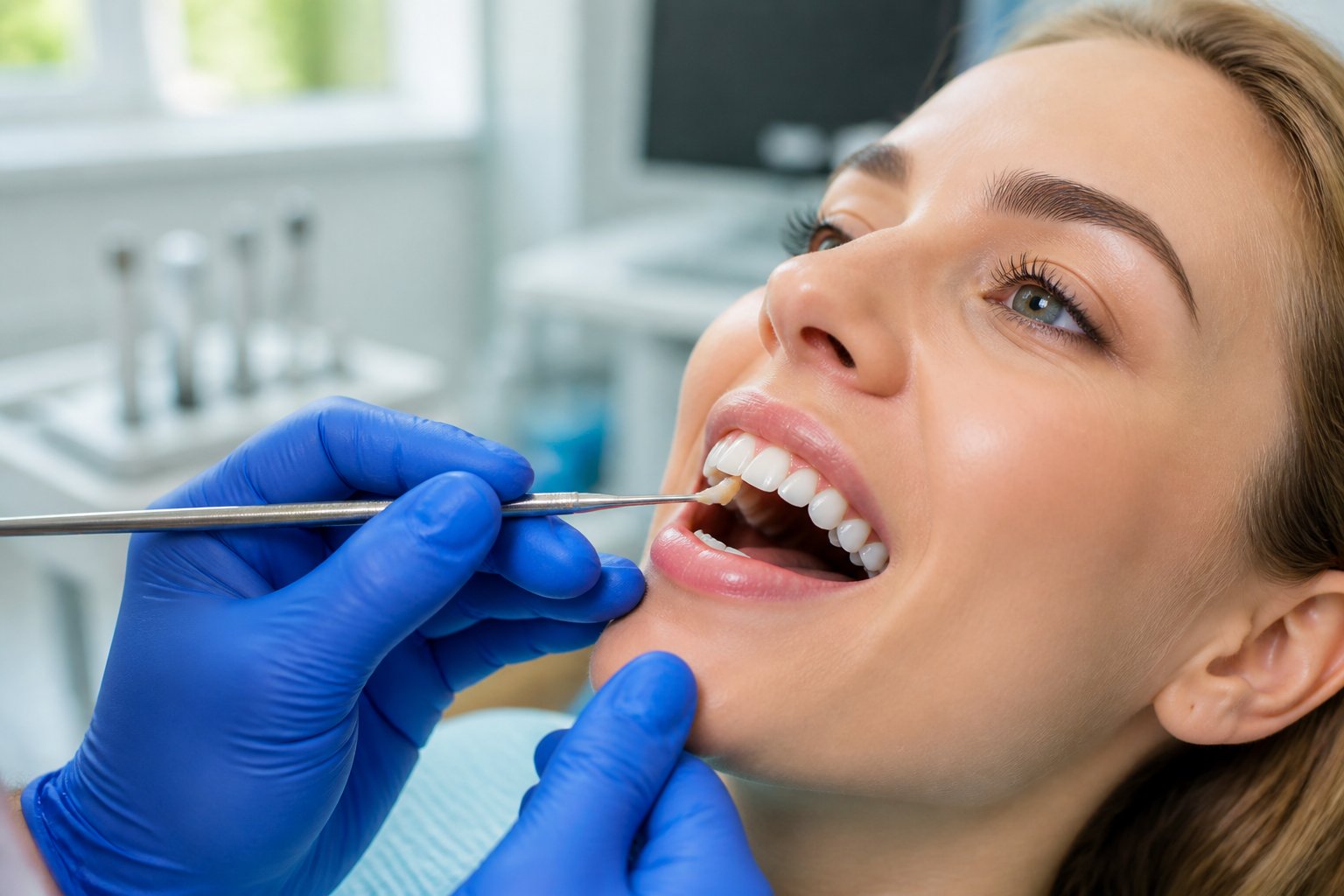
Bonding works by adhering composite resin to your natural tooth, then curing, shaping, and polishing it to blend seamlessly with the surrounding teeth. The result looks natural, costs significantly less than veneers or crowns, and preserves far more of your existing tooth structure.
It is one of the few cosmetic treatments where the time investment is low but the visible change can be immediate. This article walks you through everything you need to know: what bonding fixes, how the procedure unfolds step by step, whether you are a good candidate, what it costs, and how to protect your results long term.
If you are in Sherman Oaks or the surrounding Los Angeles area, you can explore whether bonding is right for your smile by calling us at (818) 784-5889 to schedule a consultation.
Key Takeaways
- Dental bonding corrects chips, gaps, discoloration, and minor shape issues using tooth-colored resin applied in a single visit.
- The procedure is less invasive and more affordable than veneers or crowns, though it requires some lifestyle adjustments to stay looking its best.
- With proper care and periodic touch-ups, bonded teeth can maintain their appearance for several years.
What Dental Bonding Treats
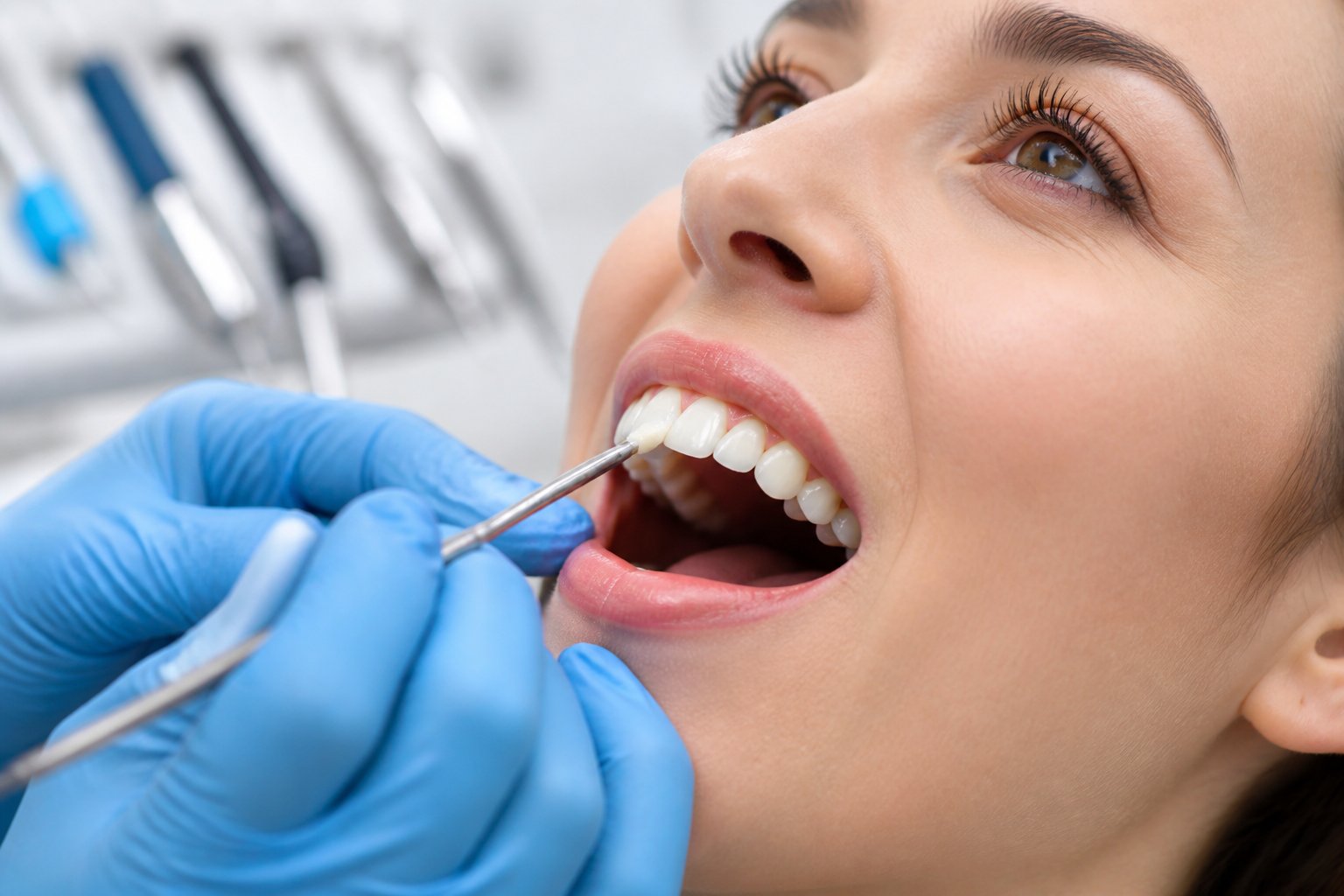
Dental bonding addresses a specific range of cosmetic concerns, primarily affecting the front teeth where appearance matters most. The composite resin is versatile enough to rebuild structure, cover stains, and adjust proportions all in the same visit.
Chipped Or Cracked Teeth
A chipped tooth is one of the most common reasons patients seek bonding. Your dentist builds the missing portion back up with resin, sculpts it to match the original tooth contour, and polishes it until it is nearly indistinguishable from the natural enamel.
Small surface cracks that catch light or cause self-consciousness can be covered the same way.
Small Gaps And Uneven Edges
If you have a diastema (a gap between your front teeth) that is small to moderate in size, bonding can close or reduce it by slightly widening the adjacent teeth with resin. Teeth with jagged, uneven, or asymmetrical edges can also be evened out quickly without orthodontic treatment.
Discoloration And Surface Imperfections
Bonding is an effective option when whitening treatments cannot address the discoloration. This includes intrinsic staining from tetracycline, fluorosis, or trauma, as well as surface spots that do not respond to bleaching agents.
The resin is shade-matched to your surrounding teeth for a uniform look.
Minor Shape And Size Changes
Teeth that appear too small, too narrow, or slightly misshapen can be built up or reshaped with bonding. This is a conservative alternative to crowns when the underlying tooth structure is intact.
It is also sometimes used to make teeth appear more symmetrical when one side of the smile does not quite match the other.
How The Treatment Works
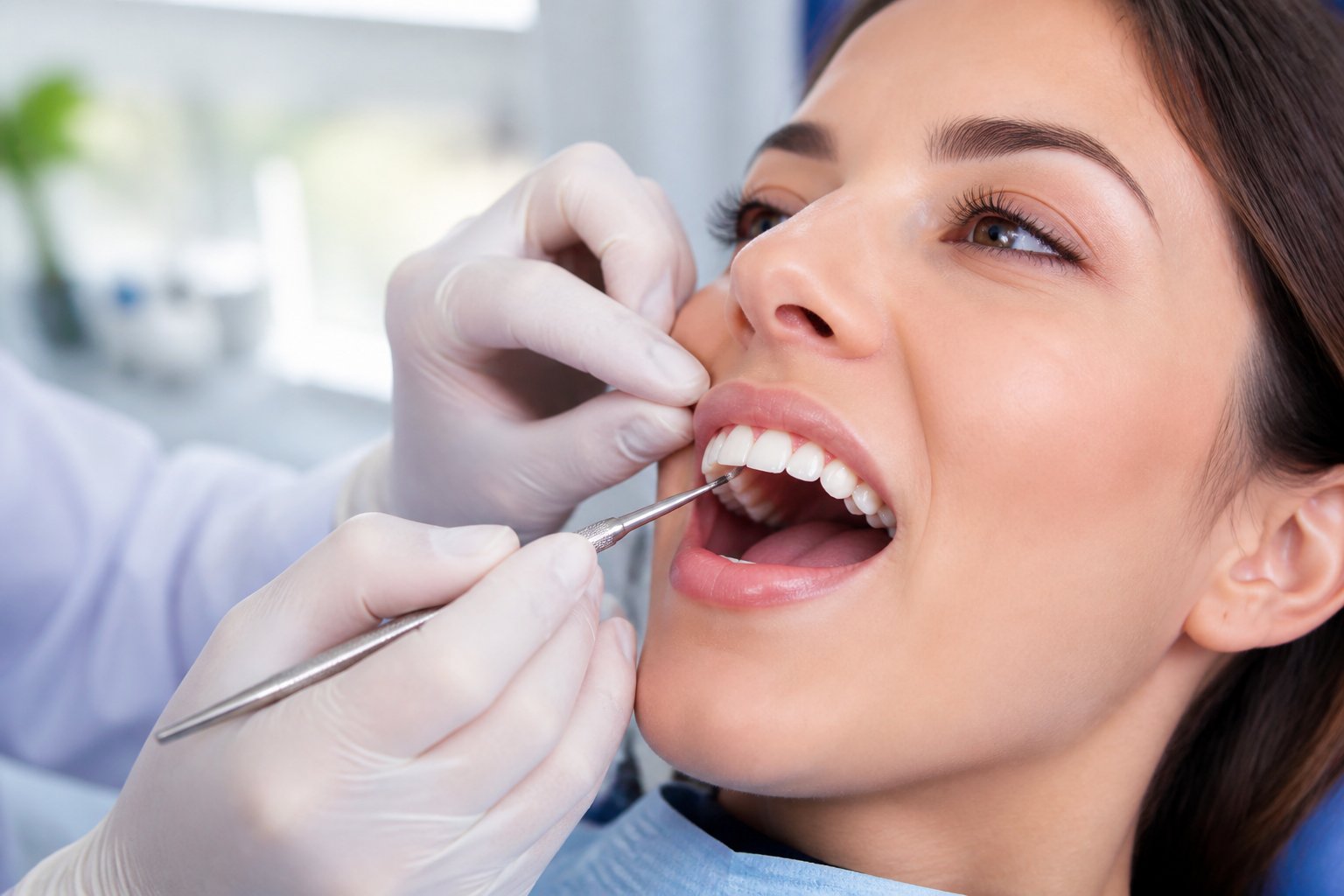
The bonding process is straightforward and requires minimal preparation compared to most cosmetic dental procedures. Most cases involve no drilling, no temporary restorations, and no waiting period between appointments.
Consultation And Shade Matching
Your dentist begins by reviewing your goals and examining the tooth to confirm bonding is appropriate. Using a shade guide, they select a composite resin color that matches your natural teeth as closely as possible.
This step is more important than it may seem. A poorly matched shade will be noticeable in natural light, so taking time here makes a real difference in the final result.
Tooth Preparation And Resin Placement
The tooth surface is lightly etched with a conditioning liquid to create a slightly rough texture that helps the resin adhere. A bonding agent is then applied before the putty-like composite resin is placed directly onto the tooth.
Because the material is pliable at this stage, your dentist can mold and position it precisely.
Shaping, Curing, And Polishing
Once the resin is positioned, your dentist sculpts and refines the shape before hardening it with a blue curing light, which typically takes about 30 to 60 seconds per layer. After curing, the bonded area is trimmed, adjusted for your bite, and polished until the texture and sheen match your surrounding enamel.
How Long A Visit Usually Takes
A single tooth typically takes 30 to 60 minutes from start to finish. If you are having multiple teeth treated in the same session, expect 60 to 90 minutes or more.
Unlike veneers or crowns, there is no lab work involved, so everything is completed chairside in one appointment.
Who May Be A Good Candidate
Bonding works well for a targeted group of patients: those with mostly healthy teeth who want to correct specific cosmetic flaws rather than undergo a full smile makeover. Knowing whether you fit that profile before your appointment helps set realistic expectations.
When Bonding Makes Sense For Cosmetic Goals
You are likely a strong candidate if your concerns are limited to one or a few front teeth with minor chips, slight discoloration, small gaps, or irregular edges. Bonding is also a practical option if you want a fast, affordable result and are not ready for a longer or more expensive treatment.
Patients who have realistic expectations about what resin can and cannot do tend to be the most satisfied.
Cases Better Suited For Veneers Or Crowns
If your cosmetic concern spans several teeth, involves significant structural damage, or requires a dramatic color change, veneers or crowns are likely the more durable solution. Porcelain veneers offer better stain resistance and longevity for full smile transformations.
Crowns are the appropriate choice when a tooth is severely broken down or needs protection from further fracture. Bonding simply cannot deliver the same level of coverage or strength in those situations.
Oral Health Factors That Matter First
Active decay, gum disease, or significant enamel loss needs to be treated before bonding proceeds. Applying resin over an unhealthy tooth will not hold well and may mask a problem that requires attention.
Your dentist will evaluate these factors at the consultation, and most good practices, including those in the Sherman Oaks area, will address any foundational issues before moving forward with cosmetic work.
Benefits And Limitations
Bonding appeals to patients because the barrier to entry is low: the cost is manageable, the procedure is quick, and the tooth usually requires no permanent alteration. Knowing where it performs well, and where it falls short, helps you decide whether it fits your situation.
Why Patients Choose This Option
The primary appeal is the combination of speed, affordability, and minimal invasiveness. Your dentist typically removes little to no enamel, which means the procedure is reversible in theory.
The resin can be repaired or modified later if your preferences change. For patients who want a visible improvement without committing to veneers or undergoing orthodontics, bonding often hits the right balance.
Durability And Stain Resistance
Composite resin is durable enough for everyday use but is softer than porcelain or natural enamel. This means it is more prone to chipping under strong biting forces and more susceptible to surface staining over time, particularly from coffee, tea, red wine, and tobacco.
The bonded surface can be polished at checkups to restore some luster, but it will not maintain the same pristine appearance as porcelain permanently.
Expected Longevity And Touch-Ups
With consistent oral hygiene and reasonable dietary habits, bonding on front teeth typically lasts between three and ten years before touch-ups or replacement are needed. Teeth subjected to heavier use, such as those used for biting hard objects, tend to need attention sooner.
Planning for eventual maintenance is a practical part of choosing this option.
Cost And Practical Considerations
Pricing for dental bonding varies depending on where you live, the complexity of the case, and the materials used. Going into your consultation with a clear sense of what affects cost puts you in a much stronger position to plan.
What Affects Pricing
The number of teeth being treated is the biggest cost driver: bonding is typically priced per tooth, and treating multiple teeth in one session multiplies the total. The extent of work on each tooth also matters; rebuilding a large chip takes more time and material than covering a small surface stain.
In the United States, per-tooth costs generally range from roughly $100 to $400, though fees in higher cost-of-living markets like Los Angeles can run higher.
Your dentist’s experience with cosmetic work and the technology used in the office also influence pricing. A practice using high-quality shade-matching and modern curing equipment may charge more, but the results tend to be more precise and longer lasting.
Insurance And Elective Treatment
Most dental insurance plans classify bonding as a cosmetic procedure and do not cover it when it is done purely for appearance. Coverage may apply if the bonding is medically necessary, such as repairing a broken tooth.
Confirming this with your insurer before scheduling avoids surprises. Many practices offer in-house payment plans or accept financing options that can spread costs over several months.
Questions To Ask Before Scheduling
Before committing, it helps to ask your dentist how many teeth need treatment, what the per-tooth fee includes, whether follow-up polishing is part of the price, and how long the results are expected to last given your specific case. Asking to see examples of their previous bonding work is also a reasonable request.
Caring For Results Over Time
Good maintenance habits after bonding are not complicated, but they do require some consistency. The small adjustments you make in your daily routine directly affect how long your results stay looking sharp.
Daily Habits That Help Bonded Teeth Last
Brush twice daily with a soft-bristled toothbrush and a non-abrasive toothpaste. Abrasive whitening toothpastes can scratch the resin surface over time, dulling its polish.
Floss regularly to keep the gum line around bonded teeth healthy, as gum recession can expose the resin edge. Wearing a night guard if you grind your teeth significantly extends bonding life by reducing the pressure that leads to chipping.
Foods, Drinks, And Behaviors To Watch
In the first 48 hours after treatment, the resin is most vulnerable to staining, so avoiding deeply pigmented foods and drinks during that window is especially worthwhile. Long term, moderating your intake of coffee, tea, and red wine helps preserve the color match.
Avoid biting fingernails, chewing ice, or using your teeth to open packaging. These habits put stress on the bonded area and are one of the most common causes of premature chipping.
When To Return For Evaluation
Plan on seeing your dentist every six months for routine cleanings and ask them to check the bonded teeth at each visit. Your dentist can polish the surface to restore brightness, catch small chips before they worsen, and let you know if a touch-up or full replacement is approaching.
Addressing minor wear early is almost always simpler and less costly than waiting until the bond has failed completely.
Frequently Asked Questions
What is dental bonding and how does the procedure work?
Dental bonding is a cosmetic procedure in which your dentist applies a tooth-colored composite resin directly to the tooth surface, shapes it, and hardens it with a special curing light. The process usually requires no anesthesia and can be completed in a single visit.
The result restores or enhances the tooth’s appearance while preserving most of your natural enamel.
How long does dental bonding typically last with normal care?
With proper care, dental bonding generally lasts between three and ten years before requiring a touch-up or replacement. Longevity depends on the location of the bonded tooth, your bite habits, and how well you avoid staining substances and physical stress on the resin.
Front teeth used for biting may show wear sooner than those in lower-stress positions.
What are the main disadvantages and risks of dental bonding?
The main limitations are stain susceptibility and a shorter lifespan compared to porcelain veneers or crowns. Composite resin is also more prone to chipping under heavy biting forces.
It is not a suitable option for teeth with significant structural damage or for patients who need comprehensive smile correction across many teeth.
How does dental bonding compare to veneers for appearance and durability?
Porcelain veneers offer superior stain resistance and tend to look more refined over a longer period. They typically last ten to fifteen years or more.
Bonding is less expensive, faster to apply, and preserves more tooth structure. However, the resin surface does not match porcelain’s durability or luster over time.
Can dental bonding be used to close gaps or reshape uneven teeth?
Yes, bonding is a practical and commonly used method for closing small to moderate gaps between front teeth. It is also used for correcting mild asymmetry or irregular tooth edges.
Your dentist adds resin to the sides of adjacent teeth to reduce the gap visually. For larger gaps or significant misalignment, orthodontic treatment is usually the more appropriate long-term solution.
What kind of before-and-after results should you expect from dental bonding?
For minor corrections such as a small chip, a surface stain, or a slight gap, the improvement is often striking and immediately visible after a single visit.
The bonded tooth blends naturally with surrounding teeth when shade matching is done carefully.