
Deciding how to straighten your teeth is a big decision, and you probably have a lot of questions. Should you go with traditional metal braces or try something more discreet like Invisalign? Both options can give you a beautiful, straight smile, but they work in very different ways and come with their own set of pros and cons.
The main difference between Invisalign and traditional braces comes down to visibility, comfort, lifestyle impact, and the types of dental issues they can correct. Invisalign uses clear, removable aligners that are nearly invisible, while traditional braces use metal brackets and wires that stay on your teeth throughout treatment.
Choosing the right option depends on your specific dental needs, your lifestyle, and your personal preferences. In this guide, we will break down everything you need to know about both treatments so you can make an informed decision.
Key Takeaways
- Invisalign offers a nearly invisible way to straighten teeth using removable clear aligners, while traditional braces use fixed metal brackets and wires.
- Traditional braces can treat more complex orthodontic issues, but Invisalign works well for mild to moderate alignment problems.
- Your lifestyle, budget, and the severity of your dental concerns will help determine which option is best for you.
How Each Treatment Works

Understanding how each treatment straightens your teeth can help you visualize what your experience will be like. Both methods apply gentle, consistent pressure to move your teeth into proper alignment, but they do it in completely different ways.
How Invisalign Works
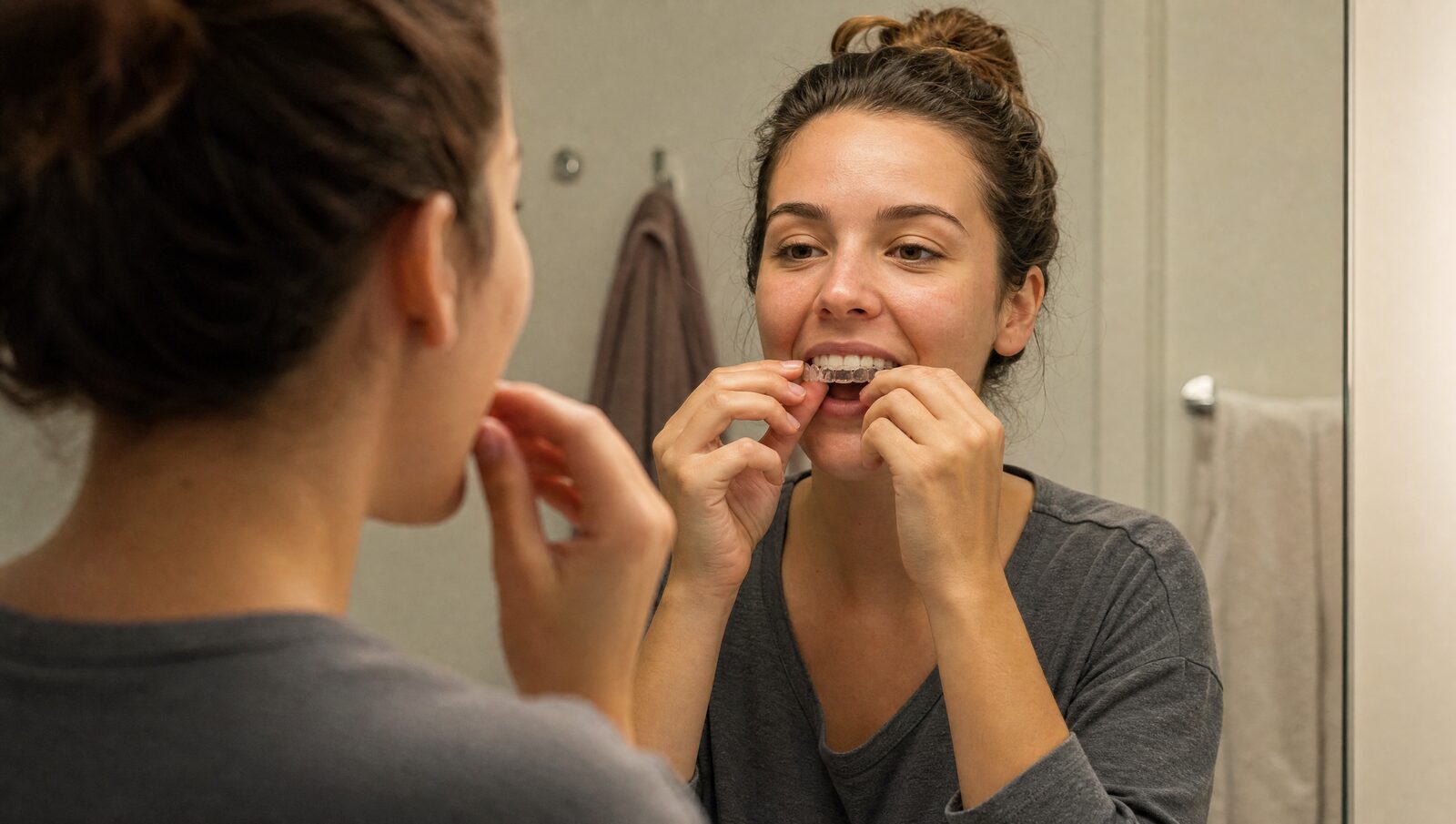
Invisalign uses a series of custom-made clear plastic aligners to gradually shift your teeth. Your dentist will take digital scans of your mouth and create a 3D treatment plan that maps out exactly how your teeth will move over time.
You will receive multiple sets of aligners, and you will switch to a new set every one to two weeks. Each new aligner is slightly different from the last, applying gentle pressure to move your teeth little by little. Most people need anywhere from 12 to 30 sets of aligners depending on their specific case.
The aligners are made from smooth, BPA-free plastic that fits snugly over your teeth. They are designed to be worn 20 to 22 hours per day, and you only remove them to eat, drink anything other than water, brush, and floss.
How Traditional Braces Work
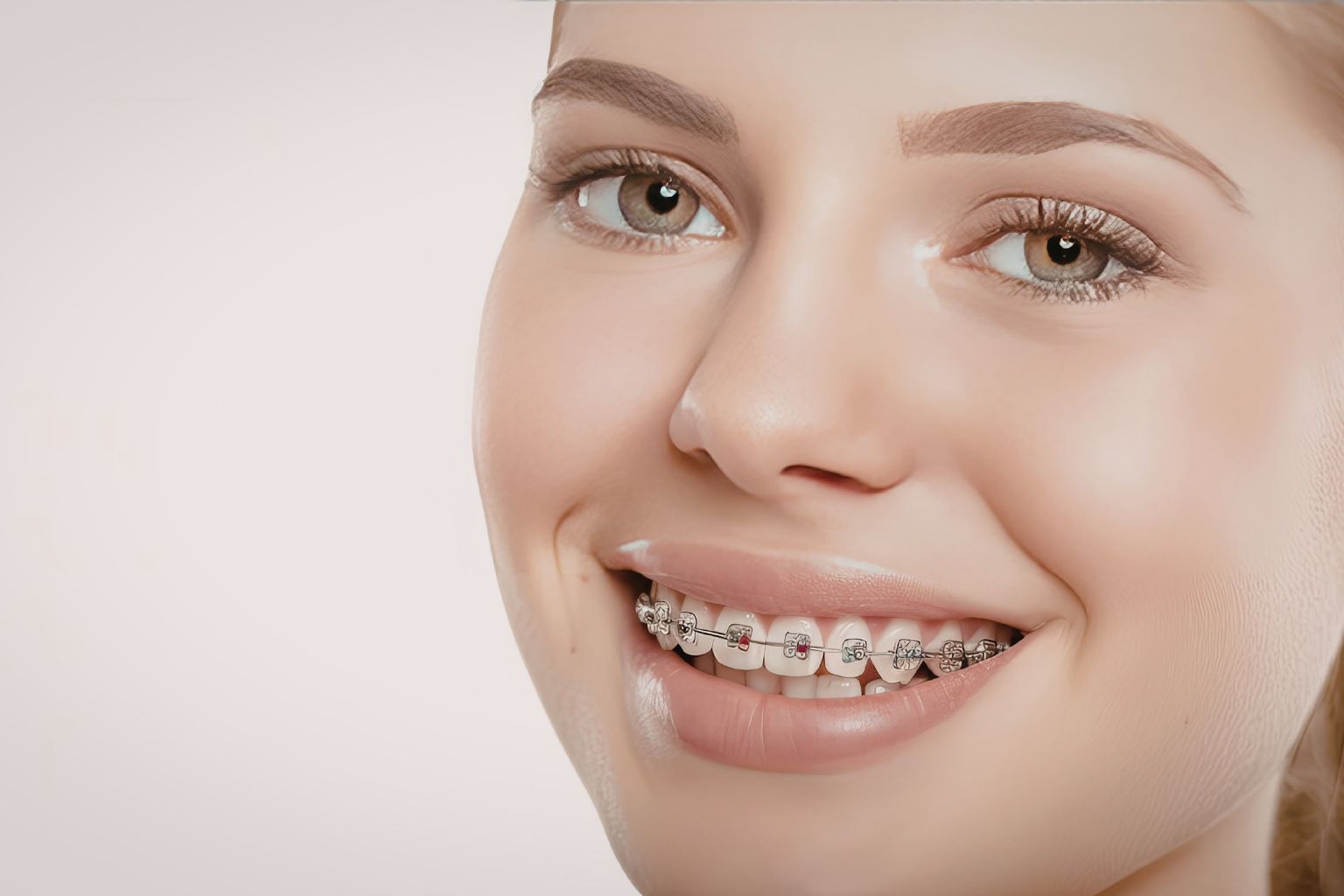
Traditional braces use a system of metal brackets, wires, and rubber bands to move your teeth. Your orthodontist bonds small metal brackets directly to each tooth using a special dental adhesive. Then, a thin metal wire called an archwire connects all the brackets together.
The archwire applies constant pressure to your teeth, and your orthodontist adjusts the wire during regular appointments to keep the movement going in the right direction. Rubber bands or elastics may also be used to help correct bite issues by connecting the upper and lower teeth.
Unlike Invisalign, traditional braces stay on your teeth 24 hours a day throughout your entire treatment. You cannot remove them yourself, and only your orthodontist can take them off once your treatment is complete.
Comparing Visibility and Appearance
For many people, how the treatment looks is a major factor in their decision. If you are concerned about your appearance during treatment, this is an important consideration.
Invisalign Appearance
One of the biggest reasons people choose Invisalign is because the aligners are nearly invisible. The clear plastic blends in with your natural teeth, and most people will not even notice you are wearing them unless they look very closely.
This makes Invisalign a popular choice for adults and teens who feel self-conscious about wearing braces. You can smile confidently in photos, attend work meetings, and go on dates without feeling like your orthodontic treatment is the first thing people see.
Traditional Braces Appearance
Traditional metal braces are much more noticeable. The metal brackets and wires are visible whenever you smile or talk, and there is no way to hide them.
However, some people actually embrace the look of braces. You can customize them with colored rubber bands to express your personality or show support for your favorite sports team. For kids and teens especially, this can make the experience more fun.
If you want a less visible fixed option, clear braces use tooth-colored or ceramic brackets that blend in better with your teeth. They work the same way as metal braces but are less noticeable.
Comfort and Daily Life

Your orthodontic treatment will be part of your daily life for months or even years, so comfort and convenience matter a lot. Here is how each option affects your day to day experience.
Comfort Level
Both Invisalign and traditional braces cause some discomfort, especially at the beginning of treatment and after adjustments. Your teeth are moving, after all, and that takes some getting used to.
Invisalign aligners are generally considered more comfortable because the smooth plastic does not irritate your cheeks or gums. When you switch to a new aligner, you may feel some pressure or soreness for a day or two, but it typically fades quickly.
Traditional braces can cause more irritation because the metal brackets and wires may rub against the inside of your mouth. Many people experience sore spots or small cuts, especially in the first few weeks. Orthodontic wax can help protect your cheeks and lips from irritation.
Eating and Drinking
With Invisalign, you remove your aligners before eating or drinking anything other than water. This means you can eat whatever you want without any restrictions. Just be sure to brush your teeth before putting your aligners back in to avoid trapping food particles.
Traditional braces come with a list of foods you need to avoid. Hard, sticky, crunchy, and chewy foods can damage your brackets or get stuck in your wires. This means saying goodbye to popcorn, caramel, hard candies, corn on the cob, and certain other foods until your treatment is over.
Oral Hygiene
Keeping your teeth clean is important during any orthodontic treatment, but the approach is different for each option.
Invisalign makes oral hygiene easier because you simply remove your aligners and brush and floss normally. You also need to clean your aligners regularly to prevent bacteria buildup and keep them clear.
Traditional braces require more effort when it comes to brushing and flossing. The brackets and wires create lots of small spaces where food and plaque can hide. You will need to use special tools like floss threaders or interdental brushes to clean properly. Regular professional teeth cleanings become even more important during braces treatment.
Treatment Time and Effectiveness
How long will treatment take, and what kinds of issues can each option fix? These are crucial questions when deciding between Invisalign and traditional braces.
Average Treatment Duration
Invisalign treatment typically takes 6 to 18 months for most cases, though some complex cases may take longer. Mild alignment issues can sometimes be corrected in as little as 3 to 6 months.
Traditional braces usually require 18 months to 3 years of treatment. The exact timeline depends on the complexity of your case and how well you follow your orthodontist’s instructions.
Keep in mind that treatment time varies greatly from person to person. Your dentist will give you a more accurate estimate after evaluating your specific situation.
What Each Option Can Treat
Traditional braces can treat virtually any orthodontic issue, no matter how complex. This includes severe crowding, significant gaps, complex bite problems like overbites, underbites, and crossbites, and cases that require tooth extractions or jaw surgery.
Invisalign has improved significantly over the years and can now treat many of the same issues. It works well for mild to moderate crowding, spacing issues, and some bite problems. However, very severe cases may still require traditional braces for the best results.
Your dentist will examine your teeth and let you know which option can effectively address your specific concerns. In some cases, a combination approach using both methods may be recommended.
Cost Comparison
Budget is a real concern for most people considering orthodontic treatment. Here is what you can expect to pay for each option.
Invisalign Cost
Invisalign typically costs between $3,000 and $8,000, with the average being around $5,000. The exact price depends on the complexity of your case, how long treatment takes, and your geographic location.
Traditional Braces Cost
Traditional metal braces usually cost between $3,000 and $7,000. Clear or ceramic braces tend to cost a bit more, typically ranging from $4,000 to $8,000.
Insurance and Payment Options
Many dental insurance plans cover orthodontic treatment, though the amount varies. Some plans cover a percentage of the cost, while others offer a flat dollar amount. Check with your insurance provider to see what your plan includes.
Most dental offices also offer payment plans that let you spread the cost over time. Be sure to ask about financing options during your consultation. You can also check out our special offers to see if any current promotions can help reduce your costs.
Who Is a Good Candidate for Each Option?
The best treatment for you depends on several factors, including your dental needs, lifestyle, and personal preferences.
Invisalign May Be Right for You If:
- You have mild to moderate crowding, spacing, or bite issues
- You want a discreet treatment that others will not notice
- You are disciplined enough to wear your aligners 20 to 22 hours per day
- You do not want food restrictions during treatment
- You prefer being able to remove your aligners for special occasions
- You are an adult or teen who is self-conscious about wearing traditional braces
Traditional Braces May Be Right for You If:
- You have severe crowding, large gaps, or complex bite problems
- You need significant tooth movement or rotation
- You want a treatment that works without having to remember to wear it
- You are not concerned about the appearance of metal braces
- You have trouble with compliance or might forget to put aligners back in
- Your orthodontist recommends braces for your specific case
What to Expect After Treatment
No matter which option you choose, your journey does not end when your braces come off or you finish your last set of aligners. Maintaining your results requires some ongoing effort.
Retainers Are Essential
After any orthodontic treatment, you will need to wear retainers to keep your teeth in their new positions. Without retainers, your teeth can gradually shift back toward their original positions over time.
Your dentist will provide instructions on how often to wear your retainer. Many people need to wear it full time for the first few months, then transition to nighttime wear only. Some people need to wear a retainer every night for the rest of their lives to maintain their results.
Enjoying Your New Smile
Once your treatment is complete and you are wearing your retainer as directed, you get to enjoy the results of all your hard work. A straighter smile can boost your confidence, make it easier to keep your teeth clean, and even improve your overall oral health.
If you are considering additional cosmetic improvements to complement your newly straightened teeth, a smile makeover consultation can help you explore options like teeth whitening or other treatments.
Frequently Asked Questions
Is Invisalign faster than braces?
In many cases, yes. Invisalign treatment often takes 6 to 18 months, while traditional braces typically require 18 months to 3 years. However, treatment time depends on the complexity of your case. Simple alignment issues may be corrected faster with Invisalign, while severe orthodontic problems may actually be treated more efficiently with braces.
Does Invisalign hurt more than braces?
Most people find Invisalign to be more comfortable overall. While both treatments cause some soreness as your teeth move, Invisalign’s smooth plastic aligners do not irritate your cheeks and gums the way metal brackets and wires can. The discomfort from switching to new aligners is usually mild and goes away within a day or two.
Can Invisalign fix an overbite?
Yes, Invisalign can correct many types of overbites. Mild to moderate overbites often respond well to Invisalign treatment. However, severe overbites that require significant jaw repositioning may be better treated with traditional braces or a combination of treatments. Your dentist will evaluate your bite and recommend the best approach.
How often do I need to visit the dentist during treatment?
With Invisalign, you typically visit your dentist every 6 to 8 weeks to check your progress and receive your next sets of aligners. Traditional braces require appointments every 4 to 6 weeks for adjustments. Your dentist will create a schedule that works for your specific treatment plan.
What happens if I lose an Invisalign aligner?
If you lose an aligner, contact your dentist right away. Depending on where you are in your treatment, they may advise you to move to your next set of aligners or order a replacement. Wearing your previous set of aligners temporarily can help prevent your teeth from shifting while you wait.
Can adults get braces?
Absolutely. There is no age limit for orthodontic treatment. More adults than ever are straightening their teeth, and both Invisalign and traditional braces work well for adult patients. The main difference is that adult teeth may take slightly longer to move because the jawbone is fully developed.
Making Your Decision
Choosing between Invisalign and traditional braces is a personal decision that depends on your unique situation. Both options can give you a straighter, healthier smile, but they offer different experiences along the way.
The best way to know which treatment is right for you is to schedule a consultation with an experienced dentist who offers both options. They will examine your teeth, discuss your goals, and help you understand what each treatment can realistically achieve for your specific case.
At Riverside Dental Sherman Oaks, we offer both Invisalign and traditional braces, along with other orthodontic options like ClearCorrect and clear braces. Our team will work with you to find the solution that fits your needs, your lifestyle, and your budget.
Ready to start your journey to a straighter smile? Book your consultation today and let us help you decide which option is best for you.