
Your smile is one of the first things people notice about you. If you feel self-conscious about stained, crooked, or damaged teeth, it can affect your confidence in daily interactions. A smile makeover might be the solution you’re looking for to address these concerns.

A smile makeover is a personalized combination of dental treatments designed to improve both the appearance and health of your teeth and gums. It’s not a single procedure but a custom plan that may include treatments like teeth whitening, veneers, crowns, or orthodontics. Your dentist creates this plan based on your specific needs and goals.
The question of whether it’s worth it depends on your individual situation. The investment varies based on which procedures you need, but many people find the boost in confidence and improved oral health makes it valuable. Understanding what’s involved can help you decide if a smile makeover is right for you.
Key Takeaways
- A smile makeover combines multiple dental treatments customized to your unique needs and goals
- Procedures can range from simple whitening to more complex treatments like veneers or orthodontics
- The value depends on your specific dental concerns, budget, and how much improving your smile matters to you
What Is a Smile Makeover?
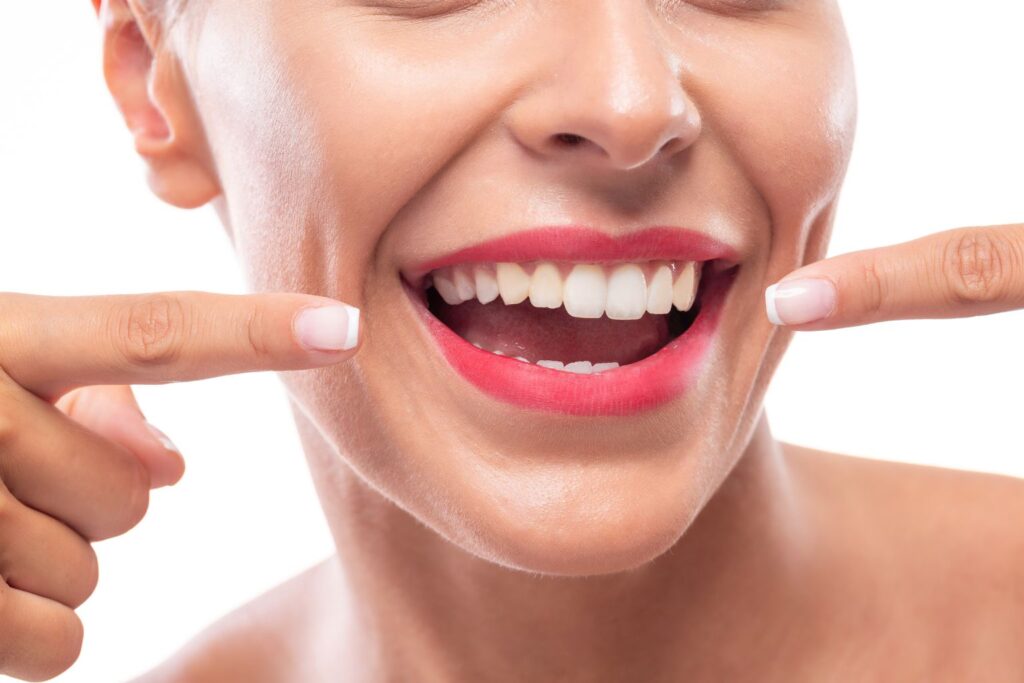
A smile makeover combines multiple cosmetic dental procedures into one treatment plan designed to improve how your teeth and gums look. Unlike single treatments that fix one issue, this approach addresses several concerns at once to create a more balanced smile.
How a Smile Makeover Differs From Standard Cosmetic Dentistry
Standard cosmetic dentistry typically focuses on fixing one specific problem at a time. You might get teeth whitening to brighten your smile or a single veneer to repair a chipped tooth.
A smile makeover takes a different approach. Your cosmetic dentist evaluates your entire smile and creates a custom plan that addresses multiple issues together. This means the procedures work as a coordinated system rather than separate fixes.
The treatment plan considers how different elements of your smile relate to each other. For example, if you need veneers and whitening, your dentist will plan the timing so your results look uniform. They also factor in your facial features, gum line, and tooth proportions to create natural-looking results.
This comprehensive method often produces better results than treating problems one at a time. Your cosmetic dentist can see how each procedure affects the others and adjust the plan accordingly.
Common Concerns Addressed by Smile Makeovers
Smile makeover procedures can fix a wide range of dental issues that affect your appearance:
Discoloration and staining respond well to professional whitening treatments or veneers when stains are too deep to bleach.
Chipped, cracked, or worn teeth can be repaired with bonding, crowns, or veneers to restore their shape and strength.
Missing teeth are replaced using dental implants, bridges, or other options that fill gaps and restore function.
Misaligned or crooked teeth can be straightened with orthodontic treatments or corrected with veneers for minor issues.
Uneven gum line gets reshaped through gum contouring to create better proportions between your teeth and gums.
Your oral health must be stable before starting cosmetic dental procedures. Your dentist will treat any cavities, gum disease, or other problems first to ensure the best foundation for your makeover.
Smile Makeover Procedures and Customization

A smile makeover combines different dental procedures into one personalized treatment plan. Your dentist will assess your smile using advanced technology and select specific treatments that address your unique concerns.
Smile Assessment and Digital Smile Design
Your dentist starts by examining your teeth, gums, and facial structure to identify issues that need correction. This assessment includes photos, x-rays, and impressions of your teeth.
Many dental offices now use digital smile design technology to show you what your new smile will look like before treatment begins. This computer-based tool creates a virtual preview of your results. You can see how different treatments will change your appearance and make adjustments to the plan if needed.
The assessment also considers your facial features, skin tone, and the shape of your lips. Your dentist measures the proportions of your teeth and checks how they align with your face. This helps create a smile that looks natural and fits your overall appearance.
Personalized Treatment Plan and Smile Design
Your dentist develops a customized treatment plan based on your assessment results and goals. This plan outlines which procedures you need and the order in which they will be done.
The personalized treatment plan includes:
- Timeline for each procedure
- Cost breakdown for all treatments
- Number of visits required
- Expected results and outcomes
Your input matters during this stage. You can discuss concerns about color, shape, and alignment of your teeth. The dentist will explain why certain procedures are recommended and how they work together to improve your smile.
Some plans address one or two issues, while others involve multiple procedures. The complexity depends on your current dental health and desired results.
Types of Cosmetic Dental Treatments
Professional teeth whitening removes stains and brightens your teeth several shades. This treatment works best for people with healthy teeth who want a whiter smile.
Porcelain veneers are thin shells that cover the front of your teeth. Dental veneers fix chips, gaps, discoloration, and minor misalignment. They provide dramatic results and last many years with proper care.
Dental bonding uses tooth-colored resin to repair small chips or gaps. This quick procedure costs less than veneers but may not last as long.
Gum contouring reshapes your gum line if your teeth look too short or uneven. This procedure creates better balance between your teeth and gums.
Restorative Procedures and Functional Improvements
Dental crowns cover damaged or severely decayed teeth to restore their shape and strength. These caps protect weak teeth while improving appearance.
Dental implants replace missing teeth with artificial roots and crowns. They look and function like natural teeth and prevent bone loss in your jaw.
Orthodontic treatments straighten crooked teeth and fix bite problems. You can choose traditional braces, Invisalign, or other clear aligners depending on your needs. These treatments take several months to complete but provide permanent results.
Restorative dental procedures do more than improve how your smile looks. They also fix functional problems like difficulty chewing, jaw pain, and uneven wear on your teeth. Your personalized treatment plan may combine cosmetic dental treatments with restorative procedures to give you both a better-looking smile and improved oral health.
Frequently Asked Questions

A smile makeover involves multiple dental treatments working together to improve your smile’s appearance and function. Understanding the procedures, timeline, costs, and recovery helps you make an informed decision about this dental investment.
What procedures are typically involved in a smile makeover?
Your smile makeover may include teeth whitening to remove stains and brighten your smile. Dental veneers are thin shells placed over your front teeth to fix chips, gaps, or discoloration.
Dental crowns restore damaged teeth while improving their shape and color. Dental implants replace missing teeth with permanent artificial roots and crowns. Orthodontics straighten crooked or misaligned teeth using braces or clear aligners.
Composite bonding repairs minor chips and gaps using tooth-colored resin. Gum contouring reshapes your gum line if you have a gummy smile or uneven gums. Your dentist will combine at least two of these treatments based on your specific needs.
How long does it take to complete a full smile makeover?
The timeline depends on which procedures you need. Simple treatments like teeth whitening and bonding can be completed in one or two visits over a few weeks.
Complex makeovers involving orthodontics may take 12 to 24 months to complete. Dental implants require several months for the implant to fuse with your jawbone before the crown is placed. Most smile makeovers take between three months and two years from start to finish.
Your dentist will create a treatment plan with a specific timeline during your consultation.
What factors can affect the cost of a smile makeover?
The number and type of procedures you need directly impact the total cost. More extensive treatments like dental implants and orthodontics cost more than teeth whitening or bonding.
Your dentist’s experience and location also affect pricing. Dentists in large cities typically charge more than those in smaller towns. The materials used, such as porcelain versus composite, change the price of veneers and crowns.
Your oral health condition matters too. If you need preliminary treatments for gum disease or tooth decay, this adds to the overall cost.
What are the potential risks or complications associated with smile makeovers?
Tooth sensitivity is a common side effect after teeth whitening and veneer placement. This usually goes away within a few weeks but can persist in some cases.
Veneers and crowns require removing some of your natural tooth enamel, which is permanent. If a veneer breaks or falls off, you cannot leave the tooth untreated. Dental implant surgery carries risks like infection, nerve damage, or implant failure.
Orthodontic treatment can cause temporary discomfort and requires careful cleaning to prevent cavities. Your dentist will discuss specific risks based on your chosen procedures during your consultation.
Can a smile makeover improve oral health or is it purely cosmetic?
A smile makeover offers both cosmetic and functional benefits. Dental crowns protect weak or damaged teeth from further decay and breakage. Implants prevent bone loss in your jaw that occurs when teeth are missing.
Orthodontics correct bite problems that can cause jaw pain and uneven tooth wear. Straightening your teeth also makes them easier to clean, reducing your risk of cavities and gum disease. Gum contouring can improve gum health by removing excess tissue that traps bacteria.
While the primary goal is improving appearance, many treatments also strengthen and protect your teeth and gums.
What is the recovery process like after undergoing a smile makeover?
Your recovery depends on which procedures you receive. Teeth whitening and bonding require no downtime, and you can return to normal activities immediately.
Veneers and crowns may cause sensitivity for a few days to weeks. You should avoid very hot or cold foods during this time. Dental implant surgery requires several days of rest, and you’ll need to eat soft foods for one to two weeks.
Orthodontic treatment involves regular adjustments that may cause soreness for a day or two each time. Gum contouring requires about one week of healing with some swelling and discomfort. Your dentist will provide specific aftercare instructions for each procedure you undergo.