Most people brush their teeth twice a day without thinking about it. But when it comes to flossing, many skip it or only do it right before a dentist appointment. This leads to an important question about how often you really need to floss to keep your teeth and gums healthy.

You should floss your teeth once a day to prevent cavities and gum disease. The American Dental Association recommends daily flossing because food debris gets stuck between your teeth throughout the day. These trapped food particles create a perfect spot for bacteria to grow and cause problems like plaque buildup and gum disease.
Daily flossing might seem like a lot if you’re not used to it. But even flossing three times a week can help your gums stay healthier. The key is finding a routine that works for you and sticking with it.
Key Takeaways
- Flossing once a day is the best way to prevent cavities and gum disease
- Using proper flossing technique with about 18 inches of floss helps you clean effectively between each tooth
- If daily flossing is hard for you, alternatives like water flossers and interdental brushes can still protect your teeth
How Often Should You Really Floss?

Dental experts agree that flossing once per day gives you the best protection against gum disease and tooth decay. While daily flossing is ideal, research shows that flossing at least three times per week still provides meaningful benefits for your oral health.
Recommended Flossing Frequency
You should floss your teeth once a day to maintain good oral hygiene. This daily flossing habit helps remove plaque and food particles that your toothbrush can’t reach between teeth and under the gumline.
The time of day doesn’t matter much. You can floss in the morning, after lunch, or before bed. Pick a time that works for you and stick with it to build a consistent flossing routine.
It’s best to floss before brushing your teeth. This order lets you dislodge food debris first, then brush and rinse it away. Consistent flossing at the same time each day makes it easier to remember.
If you can’t manage daily flossing right away, start with three times per week. This flossing frequency still offers real benefits for your gums and teeth. You can gradually increase to daily flossing as the habit becomes more natural.
Why Flossing Matters for Oral Health
Flossing removes plaque from areas your toothbrush misses. Plaque is a sticky film of bacteria that forms on your teeth throughout the day. When plaque stays between teeth, it hardens into tartar (also called calculus) within 24 to 72 hours.
Only a professional cleaning can remove tartar once it forms. Regular flossing stops plaque from turning into tartar in the first place. This simple step protects you from multiple oral health problems.
Your toothbrush only cleans about 60% of your tooth surfaces. The spaces between teeth make up the other 40%. Food particles and bacteria trapped in these tight spaces feed the growth of harmful plaque.
Proper flossing also benefits your overall health. Research links gum disease to heart disease, diabetes, and other health conditions. Taking care of your oral hygiene through regular flossing supports your whole body’s wellness.
What Happens If You Don’t Floss Regularly
Without regular flossing, plaque builds up between your teeth and causes gingivitis. This early stage of gum disease makes your gums red, swollen, and prone to bleeding when you brush or floss.
Gingivitis can reverse itself with better oral hygiene habits. But if you ignore it, gingivitis advances to periodontitis. This serious gum disease damages the soft tissue and bone that support your teeth.
Periodontitis creates pockets between your teeth and gums where bacteria thrive. These infections can lead to tooth loss if left untreated. The condition requires professional treatment and can’t be fixed by brushing alone.
Skipping flossing also increases your risk of tooth decay between teeth. Cavities that form in these areas are harder to detect early and often require fillings. The bacteria and food particles that flossing would remove produce acids that eat away at tooth enamel.
Making Flossing Effective: Techniques, Timing, and Alternatives
Getting the most out of flossing depends on using the right technique and choosing tools that work for your needs. The timing of when you floss matters less than doing it correctly and consistently.
Flossing Before or After Brushing
You can floss either before or after brushing your teeth. The order doesn’t affect how well flossing works as long as you do both activities every day.
Some dental professionals suggest flossing before brushing. This approach removes food particles and plaque first, then lets fluoride toothpaste reach between your teeth more easily. Better fluoride retention may help protect against cavities.
Others prefer flossing after brushing because it feels like a final cleaning step. Pick whichever order fits best into your oral hygiene routine. The key is making flossing a habit that you stick with daily.
How to Floss Correctly
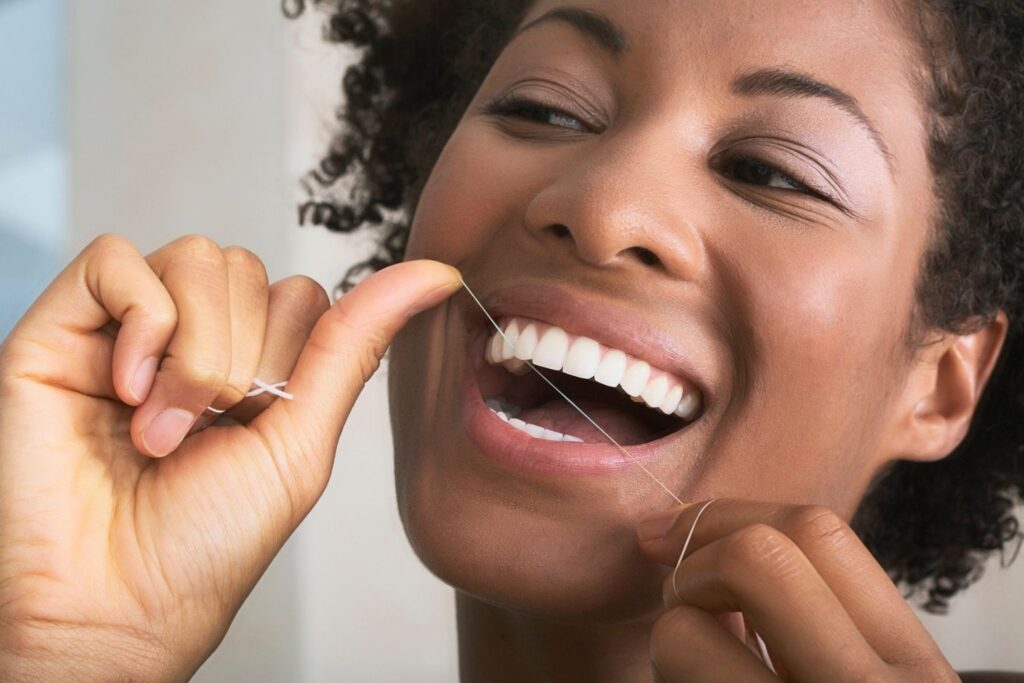
Proper flossing technique makes a big difference in preventing plaque buildup and keeping your gums healthy. Start with about 18 inches of string floss. Wind most of it around your middle fingers, leaving a few inches to work with.
Hold the floss tight between your thumbs and index fingers. Gently slide it between two teeth using a back-and-forth motion. Curve the floss into a C-shape against one tooth and slide it under the gum line. Move it up and down along the side of the tooth.
Repeat this process on the other side of the gap, curving around the next tooth. Use a clean section of floss for each tooth to avoid spreading bacteria. Be gentle to prevent bleeding gums or damage to your gum tissue.
Don’t snap the floss down hard or saw back and forth roughly. These actions can hurt your gums and won’t clean effectively.
Types of Dental Floss and Interdental Cleaners
Different flossing tools work better for different people and situations. Choose what feels comfortable and helps you maintain your flossing habit.
Traditional Options:
- Waxed floss: Slides easily between tight teeth and is beginner-friendly
- Unwaxed string floss: Thinner and may squeak when teeth are clean
- Dental tape: Wider and flatter, good for people with larger gaps between teeth
Alternative Tools:
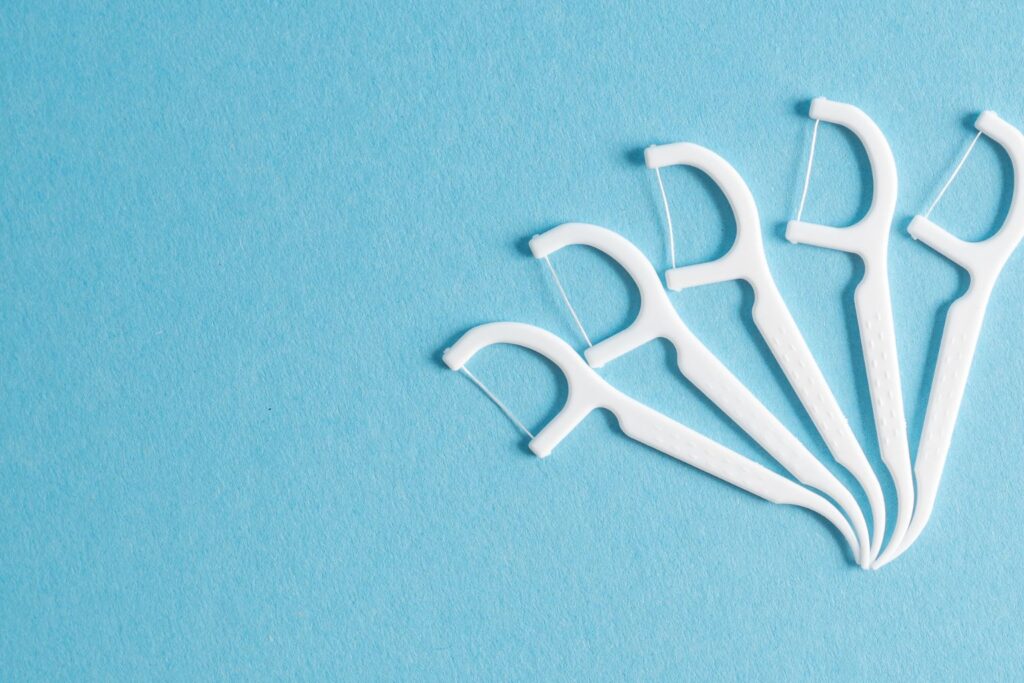
- Floss picks: Small plastic holders with short pieces of floss attached, easy for travel
- Interdental brushes: Tiny brushes that clean between teeth, helpful for wider spaces
- Soft picks: Flexible rubber bristles for gentle interdental cleaning
- Water flosser (oral irrigator): Uses pressurized water to remove debris, good for braces or bridges
- Floss threaders: Help guide floss under orthodontic wires or dental work
Talk to your dental professional about which interdental cleaner works best for your teeth and gums. Some people benefit from using more than one type of tool. The best choice is whatever you’ll actually use every day to prevent plaque buildup and bad breath.
Frequently Asked Questions
Most dental professionals recommend flossing once daily, ideally before bedtime to remove food particles and plaque that accumulate throughout the day. The minimum effective frequency is three times per week, though daily flossing provides the best protection against gum disease and cavities.
How frequently is flossing recommended for optimal dental hygiene?
You should floss your teeth once per day for optimal dental hygiene. This daily routine helps remove plaque and food particles from between your teeth where your toothbrush can’t reach.
If you can’t manage daily flossing, aim for at least three times per week. This frequency can still provide significant benefits for your gum health and help prevent cavities.
Is daily flossing essential for the prevention of gum disease?
Daily flossing plays an important role in preventing gum disease. Plaque builds up between your teeth every day, and if you don’t remove it, it can lead to inflammation and gum problems.
Flossing at least once a day removes this plaque before it hardens into tartar. When you skip flossing, bacteria accumulate along your gum line and increase your risk of gingivitis and more serious gum disease.
What is the best time of day to floss for maximum effectiveness?
The best time to floss is before bed at night. This timing removes all the food particles and plaque that have built up during the day before you sleep.
Flossing before brushing allows the fluoride from your toothpaste to reach between your teeth more effectively. You can floss at other times if evening doesn’t work for your schedule, what matters most is that you do it consistently.
Can flossing too much damage your teeth or gums?
You can damage your gums if you floss with too much force or use improper technique. Aggressive flossing can cut into your gum tissue and cause bleeding or recession.
Flossing once daily with gentle pressure is safe and won’t harm your teeth or gums. If you floss more than once per day, make sure you use a light touch and proper technique to avoid injury.
How does flossing frequency vary for those with dental appliances like braces?
You need to floss at least once daily when you have braces or other dental appliances. Food particles and plaque get trapped more easily around brackets and wires, making regular flossing even more important.
You should use special tools like floss threaders or orthodontic flossers to clean around your braces. These tools help you reach between your teeth and under the wires without damaging your appliances.
What alternatives to traditional string floss are recommended by dental professionals?
Water flossers are effective alternatives that use pressurized water to clean between teeth. They work well for people with braces, bridges, or limited hand mobility.
Interdental brushes fit between teeth and can remove plaque effectively for people with larger gaps. Floss picks provide convenience and may help you stick to a regular flossing routine if traditional string floss feels difficult to use. Your dentist can recommend which alternative works best for your specific needs.