Your toothbrush puts in a lot of work every day to keep your teeth clean and your mouth feeling fresh. But let’s be honest, no matter how fancy your toothbrush is, it won’t last forever.
Once the bristles start to wear out, they just can’t get your teeth as clean, and sometimes they might even be a little rough on your gums.
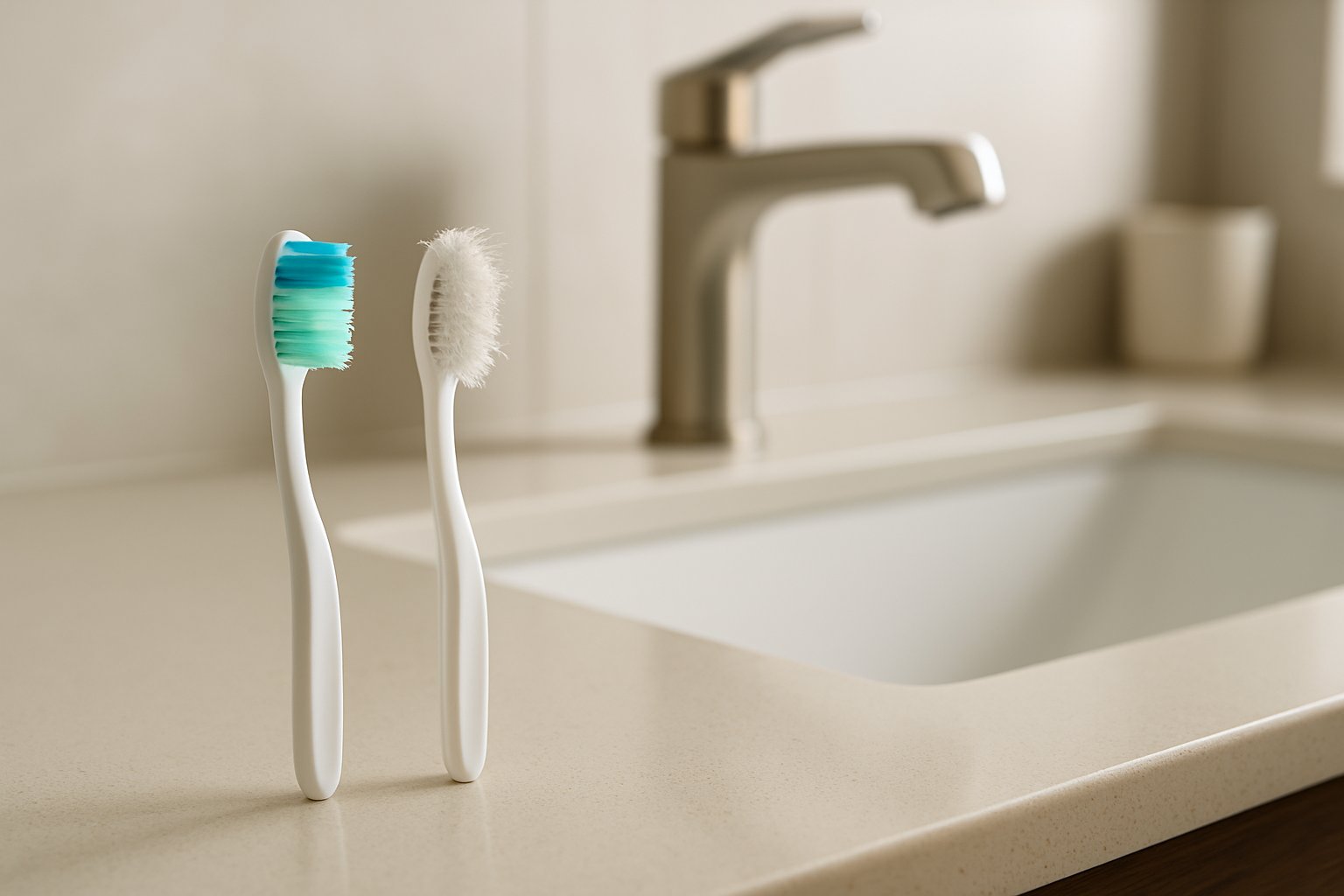
You should swap out your toothbrush every three to four months. If you notice the bristles looking frayed or bent before then, it’s time to grab a new one. And if you’ve been sick, go ahead and get a fresh brush so you don’t risk picking up germs again.
Knowing when to switch out your toothbrush really helps protect your oral health and keeps your smile looking good. Let’s talk about why replacing your toothbrush matters and how you can tell when it’s time for a new one.
Key Takeaways
- Swap your toothbrush every three to four months, or sooner if the bristles get frayed
- Worn toothbrushes don’t clean well and can be rough on your gums
- After any illness, grab a new toothbrush to avoid lingering germs
How Often Should You Replace Your Toothbrush?
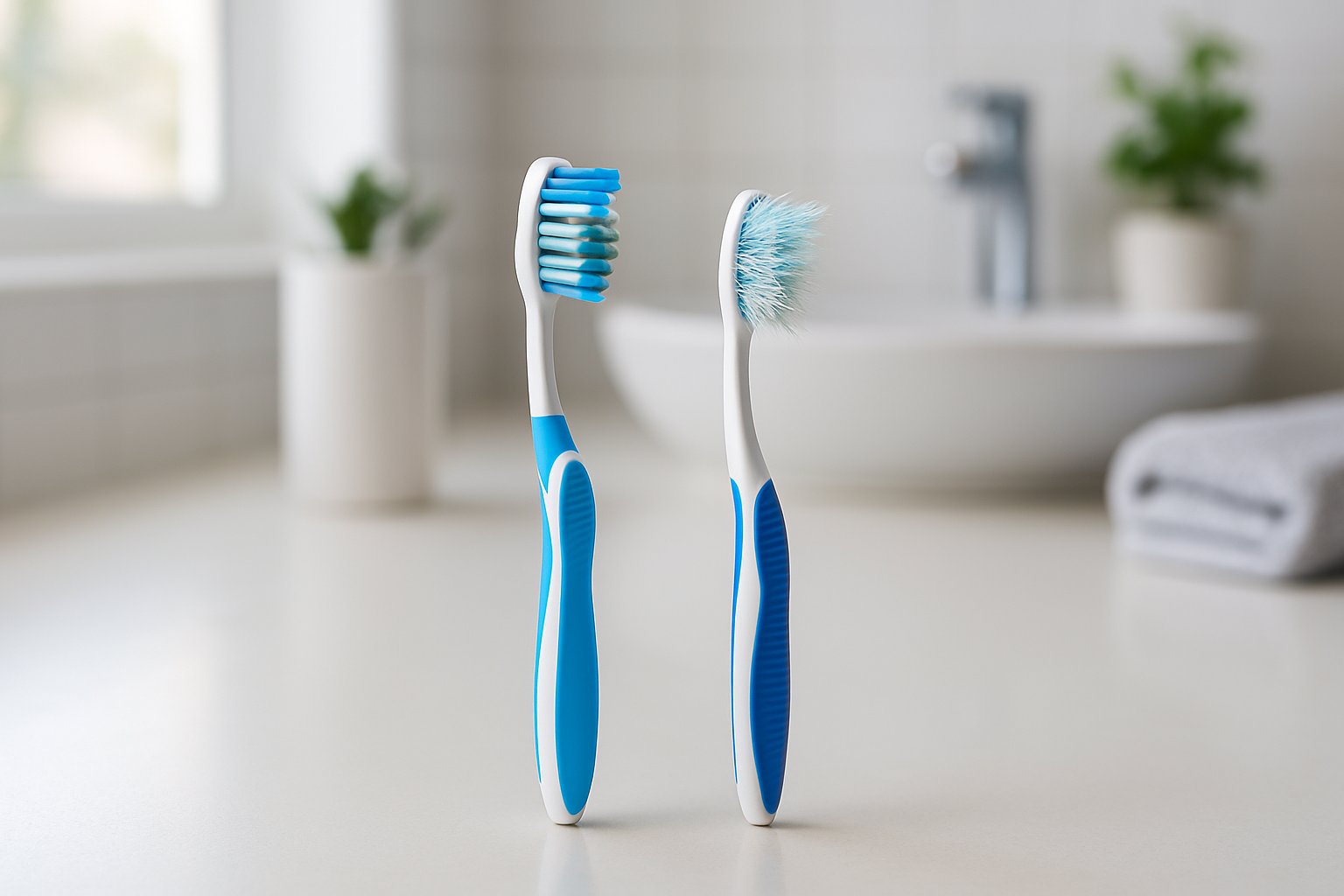
You really want to get a new toothbrush every three to four months to keep your teeth and gums in good shape. The exact timing depends on what kind of toothbrush you use and how the bristles look.
Recommended Replacement Timeline
The American Dental Association says you should replace your toothbrush every three to four months. This goes for both manual brushes and electric toothbrush heads.
As you use your toothbrush, the bristles wear down and just don’t clean as well. Even if you brush exactly as you’re supposed to, old bristles can’t get rid of plaque and food bits like new ones do.
If you’ve been sick, don’t wait, replace your toothbrush right after you recover. That way, you won’t brush old germs back into your mouth.
Signs It’s Time to Replace
Frayed bristles are the biggest giveaway that it’s time for a new toothbrush. If you see the bristles spreading out or looking bent, they’re not going to do their job.
Watch for these signs:
- Bristles sticking out in odd directions
- Bristles that are permanently bent or curved
- Bristles that feel super soft or look matted down
- Discoloration at the base of the bristles
If you tend to brush hard, your toothbrush might wear out faster. Aggressive brushing can beat up bristles and even hurt your gums.
Differences Between Manual and Electric Toothbrushes
When you use a manual toothbrush, you toss the whole thing every three to four months and start fresh.
With an electric toothbrush, you just replace the head about every three months. Honestly, the bristles on electric heads sometimes wear out even quicker because of all the movement.
Electric brush heads usually cost more than regular toothbrushes, but you still need to change them just as often. Some electric heads have little color indicators that fade, so you know when it’s time for a swap.
Oral Health Implications and Best Practices
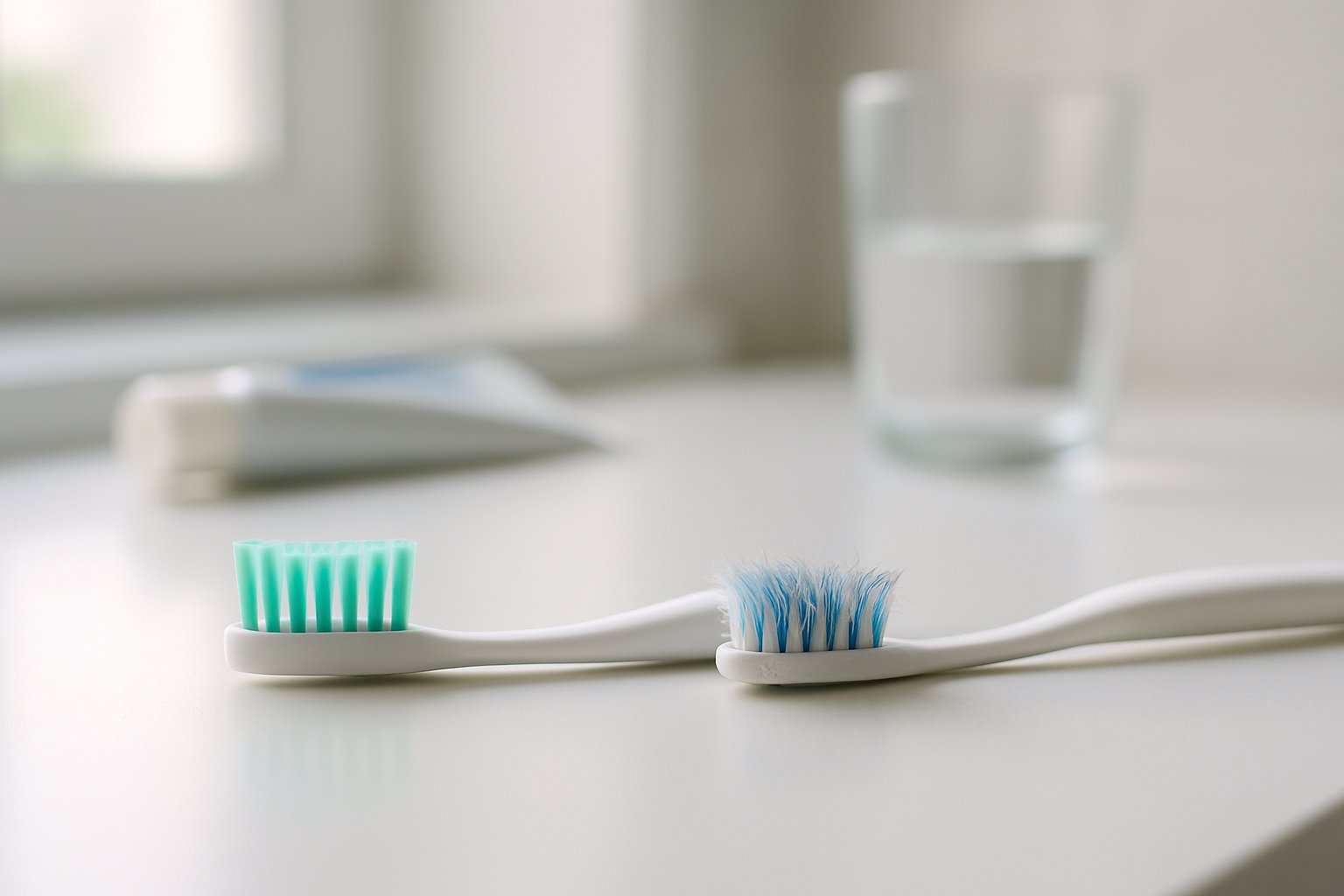
If you keep using an old toothbrush, it just doesn’t clean as well and can leave you at risk for cavities or gum problems. Taking care of your toothbrush and brushing the right way really matters for your oral health.
Impact of Worn Toothbrushes on Oral Health
Worn-out bristles just can’t get your teeth clean. When they’re frayed or bent, they miss plaque and food stuck along your gum line.
That means your risk for tooth decay and gum disease goes up. Bacteria can build up on old bristles, so every time you brush, you might be putting germs right back into your mouth.
Damaged bristles can even make your gums sore. Instead of gently cleaning, they can scrape and cause bleeding or irritation.
Your dental hygiene takes a hit if you use a worn-out brush too long. Even with good toothpaste and technique, an old toothbrush just can’t keep up.
Proper Toothbrush Care and Storage
After you brush, stand your toothbrush up in an open holder so it can air dry.
Rinse it well with tap water to get rid of leftover toothpaste and gunk. Seriously, don’t share your toothbrush with anyone, germs spread fast that way.
Keep your toothbrush away from the toilet. Flushing sends bacteria flying, and you don’t want that landing on your brush.
Try not to store your toothbrush in a closed container for long stretches. If it stays damp, bacteria can grow like crazy. Let it dry out in the open.
If you’ve just been sick, swap your toothbrush right away. Lingering germs can hang out on the bristles.
Brushing and Flossing Techniques
Brush twice a day for about two minutes each time. Hold the brush at a 45-degree angle to your gums.
Use gentle circles instead of scrubbing back and forth. Brushing too hard can hurt your gums and wear down your enamel, even if your brush is brand new.
A quick brushing checklist:
- Brush the outer sides of your teeth
- Get the inner sides too
- Don’t skip the chewing surfaces
- Brush your tongue to help with bacteria and fresh breath
Flossing gets the stuff your toothbrush can’t reach between your teeth. Try to floss at least once a day, especially before bed.
Use about 18 inches of floss, wrapping most around your middle fingers. Gently slide it between your teeth, curve it in a C-shape, and move it up and down along each tooth.
Frequently Asked Questions
Most people should switch out their toothbrush every three to four months, but sometimes you’ll need to do it sooner. Knowing when and why to replace your toothbrush helps you keep your mouth healthy.
What is the recommended frequency for replacing a manual toothbrush?
You should get a new manual toothbrush every three to four months. That keeps the bristles working the way they should.
How often you brush and how hard you go at it can change this. If you brush more than twice a day or use a lot of pressure, you might need to replace it even sooner.
Is it necessary to change an electric toothbrush head as regularly as a manual one?
Yep, you should change electric toothbrush heads every three to four months, just like with a manual brush. The bristles wear down the same way.
Some electric heads have bristles that change color when it’s time for a new one. That feature takes the guesswork out of it.
What are the reasons for replacing your toothbrush periodically?
Old bristles just don’t clean as well. When they’re frayed or bent, they miss plaque and food around your teeth and gums.
Your toothbrush can collect bacteria over time. Even if you rinse it, germs can stick around.
Worn brushes can also get rough and irritate your gums. That’s definitely not what you want.
How does having braces affect the frequency of changing your toothbrush?
Braces wear out toothbrush bristles faster. All those brackets and wires put extra strain on the brush.
If you have braces, check your toothbrush more often. As soon as you see the bristles looking worn, replace it—even if it hasn’t been three months yet.
What guidelines does the American Dental Association provide for toothbrush replacement?
The American Dental Association says to replace your toothbrush every three to four months. If the bristles are frayed or worn, don’t wait, get a new one.
After you’ve been sick, grab a fresh toothbrush to keep germs away.
Are there any signs that indicate it’s time to change your toothbrush?
Frayed or bent bristles? That’s usually the clearest clue. If you notice the bristles spreading out or losing their shape, your toothbrush just isn’t doing its job anymore.
Sometimes, the bristles start to look discolored or stained. That’s a pretty good sign they’ve picked up some buildup and have seen better days.
You really don’t need any fancy tools for this. Just take a quick look, if the bristles look worn or your toothbrush has been hanging around your bathroom for ages, it’s probably time to grab a new one.