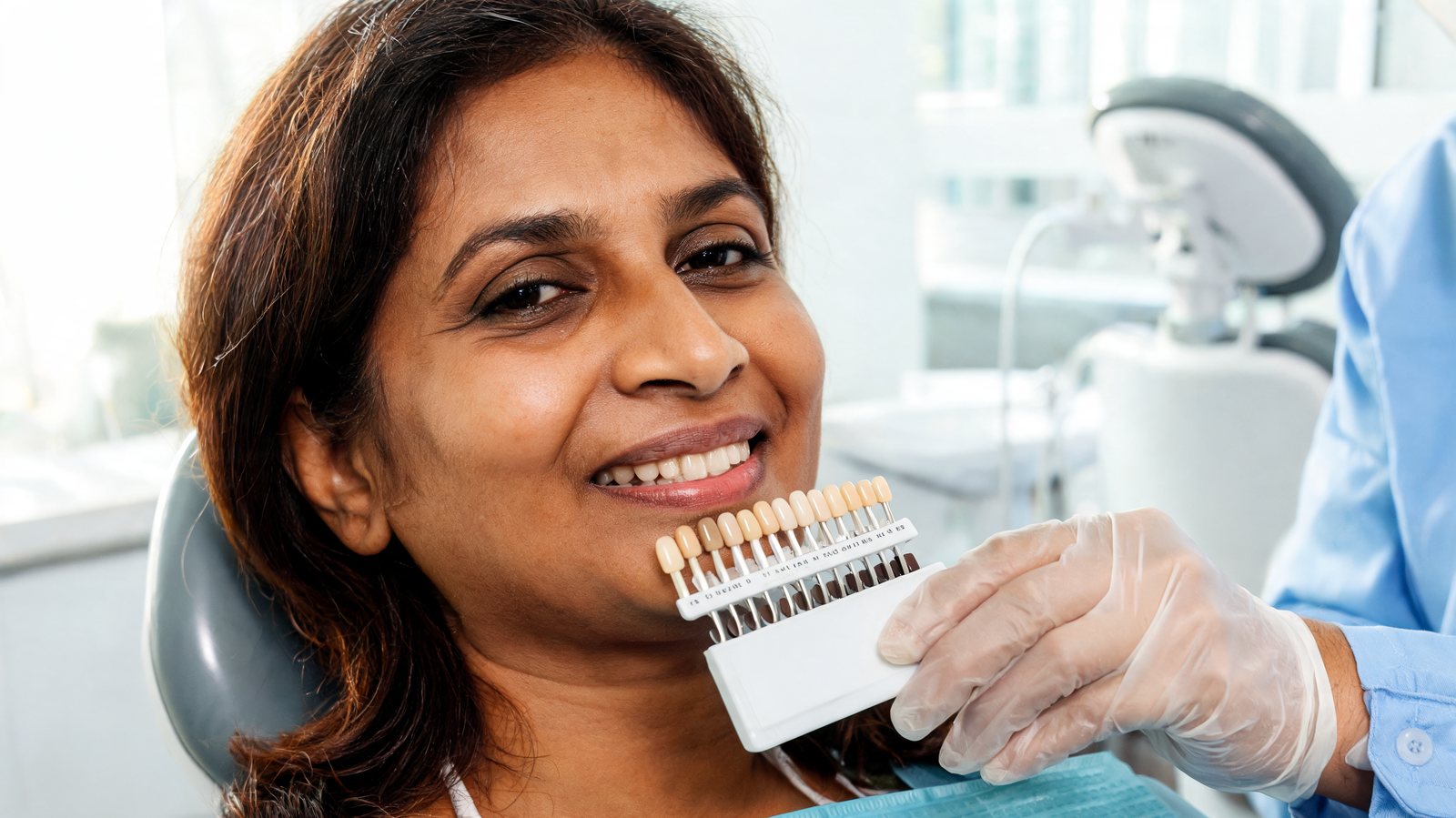
A lot of folks assume fluoride treatments are just for kids, but that’s honestly not the case. Adults can totally benefit from professional fluoride treatments, especially if they’re at higher risk for tooth decay, gum problems, or certain dental issues. Whether you need fluoride treatments really comes down to your unique oral health situation.

Your dentist might suggest fluoride treatments every six to twelve months if you’re prone to cavities or have exposed tooth roots. Even though most toothpaste and tap water already contain fluoride, professional treatments use way higher concentrations, which can give your teeth some extra backup.
Not everyone needs these, but honestly, they can help you avoid expensive stuff like fillings or crowns later on.
If you want to know if fluoride treatments make sense for you, you’ll want to look at your dental history and risk factors. Let’s dig into whether professional fluoride treatments are actually worth it for your situation.
Key Takeaways
- Fluoride treatments help adults who have a higher risk for cavities or certain dental conditions.
- Dental pros use stronger fluoride than what’s in regular toothpaste, and they might recommend it every six to twelve months.
- Your dentist can check out your specific situation to see if you really need fluoride treatments.
Evaluating the Necessity of Fluoride Treatments

Professional fluoride treatments pack a punch with concentrated minerals that strengthen your enamel and fight off cavities. You’ll want to consider your own risk factors, age, and current oral health before deciding if you need them.
How Fluoride Treatments Work to Prevent Tooth Decay
Fluoride strengthens tooth enamel by remineralizing it. When you get a professional fluoride treatment, that concentrated mineral soaks into your teeth and repairs early damage from acids and bacteria.
Every time you eat or drink, your enamel loses minerals. Fluoride steps in to replace those minerals and makes your enamel tougher against acid attacks.
Professional treatments have way more fluoride than your regular toothpaste or tap water. This lets the mineral form a stronger protective layer.
Fluoride also messes with the bad bacteria in your mouth, making it harder for them to make acid. So, you get a double defense: stronger enamel and less acid from bacteria.
Who Benefits Most From Professional Fluoride Applications
If you’ve got certain risk factors for cavities, you’ll probably get the most out of professional fluoride treatments. People with dry mouth especially benefit since saliva usually helps protect teeth, and less saliva means higher risk.
High-risk groups include:
- Adults with gum recession and exposed tooth roots
- Folks who get cavities often
- People with braces or orthodontic gear
- Anyone with medical conditions or meds that mess with oral health
Your dentist looks at your dental history and current mouth health to decide if you need these treatments. Things like your diet, how you brush, and what dental work you already have all play a part.
Fluoride Treatments for Children Versus Adults
Kids usually get fluoride treatments during their regular dental visits, since their developing teeth need all the help they can get. Most insurance covers these treatments for kids up to 18.
Adults can totally benefit too, especially if they’re at risk for tooth decay. Insurance might not always cover it for adults, but if you’ve got certain issues, it can be worth it.
Dentists might use different types or strengths of fluoride depending on your age and cavity risk. They’ll tweak the treatment based on what you need.
Both kids and adults get topical applications that sit on the teeth for a few minutes. The main difference? Some people need regular treatments, while others might only need them occasionally.
Key Considerations and Alternatives for Optimal Oral Health

Your risk factors and daily dental habits really decide if you need fluoride treatments. Knowing what can raise your risk for decay and how different fluoride products stack up helps you make smarter choices.
Factors Increasing Risk of Tooth Decay and Sensitivity
Some conditions make you more likely to get cavities and benefit from fluoride. Dry mouth, for example, means you don’t have as much saliva to wash away food and neutralize acids. Medications or medical issues that cause dry mouth can really up your cavity risk.
If your gums recede, the roots of your teeth get exposed, and those areas just don’t have the same protection as the rest of your teeth. Gum disease can also create pockets for bacteria to hide and attack your teeth. These situations usually call for more fluoride than just brushing provides.
Braces or aligners make it tougher to clean your teeth, so people with orthodontic appliances are at higher risk too. If you’ve had a lot of cavities, active decay, or sensitive teeth, your dentist might suggest professional fluoride. Kids between 6 months and 16 years living where the water isn’t fluoridated may need fluoride supplements if they’re high risk for cavities.
Home Versus Professional Fluoride Products
Fluoride toothpaste gives you daily protection, usually at 1,000 to 1,500 ppm (parts per million). You can grab these at any store and use them twice a day. If you’re at higher risk, your dentist might prescribe toothpaste with 5,000 ppm.
Professional fluoride treatments are a whole different level. Fluoride varnish, for example, has 22,600 ppm and stays on your teeth for hours so your enamel can really soak it up. Dentists usually apply these every three to six months, depending on your needs.
The big difference? Home products work best with daily use at lower strengths, while professional treatments give you a lot of fluoride all at once during your dental visit. Many people actually use both for the best protection.
Integrating Fluoride With Other Dental Care Practices
Fluoride does its best work when you pair it with good oral hygiene. Brushing twice a day keeps plaque from making acids that hurt your enamel. Flossing gets between teeth where your brush can’t reach.
What you eat matters, too. Cutting back on sugary foods and acidic drinks means less acid attacking your teeth. Drinking water, especially if it’s fluoridated, helps rinse away food and keeps saliva flowing.
Seeing your dentist regularly lets them check if you need more fluoride. They look for early decay, check your gums, and spot things like dry mouth or gum recession. This helps them decide if you need extra fluoride on top of your usual routine.
Frequently Asked Questions
People have a lot of questions about fluoride treatments, are they safe, do they work, and are there alternatives? Let’s clear some of that up.
What are the potential risks associated with fluoride treatments?
Fluoride is safe when you use it right, but too much can cause issues. The amount in dental treatments and store-bought products stays way below harmful levels.
Dental fluorosis is the most common side effect, and it shows up as white spots or streaks on teeth. This usually only happens if kids get too much fluoride while their teeth are still forming.
It’s rare, but swallowing a lot of fluoride can cause nausea or stomach issues. Dentists apply professional treatments carefully to make sure you don’t swallow any.
How does fluoride varnish benefit adults compared to other age groups?
Adults have their own dental struggles, so fluoride varnish is super helpful. Gum recession exposes roots that don’t have enamel, making them easy targets for decay.
Dry mouth from meds or just getting older means you lose that natural saliva protection. Fluoride varnish helps strengthen those vulnerable areas and keeps root decay at bay.
If you have crowns, bridges, or a bunch of fillings, fluoride treatments can really help. Decay often starts where fillings meet your natural teeth, and fluoride helps protect those spots.
Can fluoride treatments have negative effects on the brain?
There’s no solid evidence that dental fluoride treatments hurt brain function. The fluoride levels used in dentistry are way too low to affect your nervous system.
Researchers have studied community water fluoridation and dental treatments for decades. Major health organizations everywhere say they’re safe when used as directed.
What reasons do some dentists have for avoiding the use of fluoride?
Most dentists recommend fluoride because the science backs it up. Still, a few don’t use it, usually because their patients ask for fluoride-free care or they follow different treatment philosophies.
Some people just prefer to skip fluoride, and their dentists respect that by offering other cavity prevention options.
If you have certain medical conditions, your dentist might be more careful with fluoride. They’ll work with you to come up with a dental care plan that fits your health needs.
Are there effective alternatives to fluoride for dental health?
Xylitol, which you’ll find in sugar-free gum and mints, actually cuts down on cavity-causing bacteria. It’s also in some toothpaste.
Calcium phosphate products help remineralize teeth, kind of like fluoride does. You can get these as prescription toothpaste or professional treatments from your dentist.
No matter what, strong oral hygiene is still the foundation. Brushing twice a day, flossing, and cutting back on sugar will prevent most dental problems.
How does at-home fluoride treatment differ from in-office applications?
At home, you stick with toothpaste and mouth rinses that have less fluoride. Using them every day helps you keep up some protection between your checkups.
There’s also prescription-strength fluoride toothpaste, which sits somewhere between regular stuff and what you get at the dentist. If you deal with a lot of cavities, dry mouth, or your gums are receding, your dentist might suggest giving it a try.