
Most people brush their teeth to avoid cavities and keep their smile looking good. But your mouth does much more than help you eat and talk. Your oral health is directly connected to your overall health, and problems in your mouth can lead to serious health issues throughout your body.
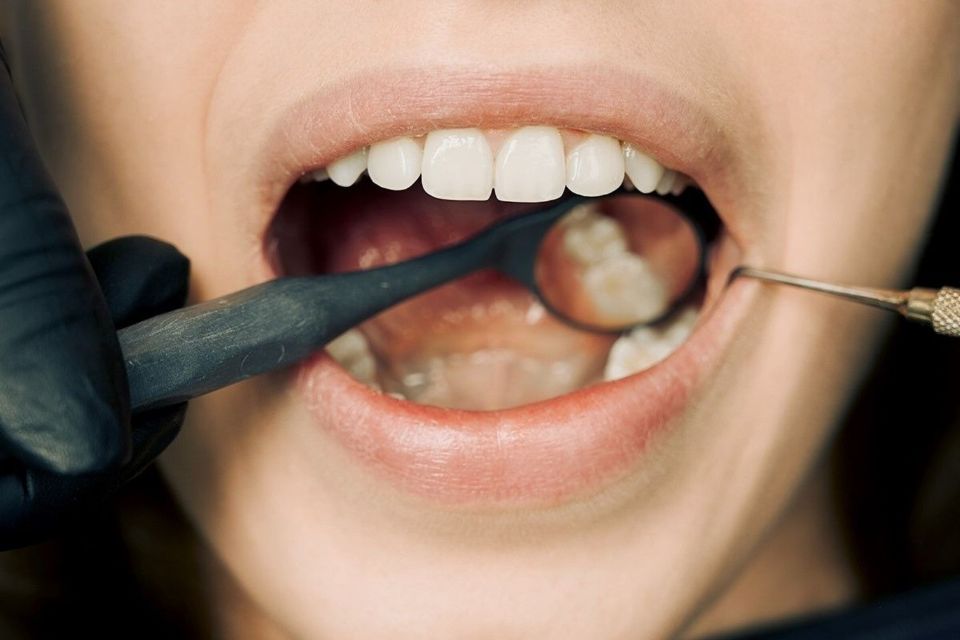
The bacteria and infections that start in your mouth don’t stay there. They can travel through your bloodstream and affect other parts of your body. Poor gum health can make conditions like diabetes and heart disease worse. Your mouth acts as a window into what’s happening with your overall health.
Taking care of your teeth and gums is about more than avoiding the dentist’s drill. Good oral hygiene can help protect you from major health problems. Understanding this connection can help you make better choices for your whole body, not just your mouth.
Key Takeaways
- Your mouth is connected to the rest of your body, and oral health problems can affect your overall health
- Poor oral health has been linked to serious conditions like heart disease, diabetes, and respiratory infections
- Maintaining good oral hygiene through regular brushing, flossing, and dental visits helps protect your entire body
The Link Between Oral Health and Overall Wellbeing

Your mouth serves as a gateway to your body, and the health of your teeth and gums directly affects multiple organ systems. Bacteria from oral infections can enter your bloodstream and trigger inflammatory responses that reach far beyond your mouth.
How Oral Health Impacts Systemic Health
Poor oral hygiene creates a breeding ground for harmful bacteria that don’t stay confined to your mouth. When you have gum disease or tooth decay, these bacteria can travel through your bloodstream to other parts of your body.
Heart disease is one of the most studied connections to oral health. People with gum infections have a higher risk of developing cardiovascular problems because oral bacteria can attach to damaged blood vessels and cause inflammation in the heart.
Diabetes and oral health have a two-way relationship. High blood sugar makes it harder for your body to fight oral infections, while gum disease makes it more difficult to control blood sugar levels. This creates a cycle that affects both conditions.
Your oral health also impacts respiratory function. Bacteria from infected gums can be breathed into your lungs, potentially causing pneumonia or worsening existing lung conditions.
The Role of Inflammation and Oral Microbiome
Your mouth contains hundreds of different types of bacteria, fungi, and other microorganisms that make up your oral microbiome. Most of these are harmless, but poor dental health allows harmful bacteria to multiply.
When harmful bacteria build up on your teeth and gums, your immune system responds with inflammation. This inflammatory response is helpful at first, but chronic inflammation from ongoing oral health problems damages your gum tissue and can spread throughout your body.
The balance of your oral microbiome matters for more than just your mouth. Research shows that disruptions in oral bacteria are linked to conditions like inflammatory bowel disease and certain cancers. Your saliva plays a key role in maintaining this balance by washing away food particles and neutralizing acids produced by bacteria.
Oral Health as a Window to General Wellness
Dental check-ups often reveal early warning signs of systemic health issues. Your dentist can spot symptoms of nutritional deficiencies, immune disorders, and hormonal imbalances just by examining your mouth health.
Changes in your gums, teeth, or saliva production can indicate underlying conditions like osteoporosis, vitamin deficiencies, or autoimmune diseases. Mouth sores that don’t heal may signal diabetes or immune system problems.
Professional cleanings and regular dental visits help catch oral diseases early, preventing them from progressing into more serious health complications. Your oral care routine at home, brushing twice daily and flossing, removes plaque before it hardens into tartar and causes infections.
Monitoring your dental health gives healthcare providers valuable information about your overall wellbeing. Many systemic conditions show their first signs in your mouth before symptoms appear elsewhere in your body.
Oral Health’s Impact on Major Health Conditions

Poor oral health creates pathways for bacteria to enter your bloodstream and trigger inflammation throughout your body. This connection means that conditions like gum disease and tooth decay can worsen chronic diseases or increase your risk of developing serious health problems.
Cardiovascular Disease and Oral Health
The bacteria from periodontal disease can enter your bloodstream through inflamed gums and travel to your heart. Once there, these bacteria may attach to damaged areas of your heart and cause inflammation.
Research shows that people with gum disease have a higher risk of heart disease and are nearly twice as likely to suffer from coronary artery disease. The inflammation caused by periodontitis can contribute to atherosclerosis, where plaque builds up in your arteries and restricts blood flow.
This buildup leads to clogged arteries, which increases your risk of heart attacks and strokes. Some studies suggest that the same bacteria found in infected gums have been discovered in blood clots taken from stroke patients.
Key cardiovascular risks linked to poor oral health:
- Increased risk of heart attack
- Higher chance of stroke
- Development of atherosclerosis
- Inflammation of heart vessels
- Endocarditis (infection of heart valves)
Chronic inflammation from ongoing gum infections puts constant stress on your cardiovascular system. Maintaining healthy gums through regular brushing, flossing, and dental visits may help protect your heart.
Diabetes Management and Gum Disease
Diabetes and periodontal disease have a two-way relationship that affects both conditions. When you have diabetes, high blood sugar levels weaken your immune system and make it harder for your body to fight infections, including those in your gums.
This means you’re more likely to develop severe gum disease if your blood sugar isn’t well controlled. At the same time, serious gum disease can make it harder to control your blood sugar levels, creating a challenging cycle.
The inflammation from periodontitis can increase insulin resistance, which raises your blood sugar even more. Studies show that people with diabetes are three times more likely to develop periodontal disease than those without diabetes.
Treating gum disease can actually improve blood sugar control. Some research indicates that periodontal treatment may reduce HbA1c levels (a measure of long-term blood sugar control) by about 0.4%.
If you have diabetes, you should pay extra attention to your oral health and visit your dentist regularly. Tell your dentist about your diabetes diagnosis so they can monitor your gums closely and catch problems early.
Respiratory Illnesses Linked to Mouth Health
Bacteria from your mouth can be breathed into your lungs, especially when you have gum disease or tooth decay. This process can lead to respiratory infections or worsen existing lung conditions.
Pneumonia is one of the most serious respiratory infections linked to poor oral health. The bacteria from infected gums or teeth can be inhaled directly into your lungs, where they cause infection and inflammation.
People with chronic obstructive pulmonary disease (COPD) face higher risks when they have poor oral hygiene. The oral bacteria can trigger flare-ups and make breathing problems worse.
Oral bacteria can contribute to:
- Pneumonia
- Acute bronchitis
- COPD exacerbations
- Other respiratory infections
Research shows that improving oral hygiene in hospital patients and nursing home residents reduces their risk of developing pneumonia by about 40%. Regular tooth brushing and professional dental cleanings help remove the harmful bacteria before they can reach your lungs.
If you have existing respiratory issues, maintaining good oral health becomes even more important for preventing complications.
Pregnancy Complications and Oral Diseases
Hormonal changes during pregnancy make your gums more sensitive to bacteria and increase your risk of developing gingivitis. About 60-75% of pregnant women experience some form of pregnancy gingivitis.
The connection between oral health and pregnancy goes beyond gum sensitivity. Severe periodontal disease during pregnancy has been linked to premature birth and low birth weight babies.
The bacteria and inflammation from gum infections can trigger an immune response that may cause early labor. Babies born prematurely or with low birth weight face higher risks of developmental problems and health complications.
One study found that pregnant women with periodontal disease were about three times more likely to have a premature baby. The inflammation from oral infections can release chemicals that interfere with fetal development.
Pregnancy-related oral health concerns:
- Pregnancy gingivitis
- Increased risk of tooth decay
- Pregnancy tumors (non-cancerous gum growths)
- Premature birth risk
- Low birth weight risk
Your immune system changes during pregnancy can also make existing gum disease worse. Getting dental checkups and treating any oral infections before or during pregnancy helps protect both you and your baby.
Frequently Asked Questions
Your mouth reveals important information about your body’s health, and taking care of your teeth and gums helps protect you from serious medical conditions. These common questions explain how oral health connects to the rest of your body.
How does poor oral hygiene impact overall health?
Poor oral hygiene allows harmful bacteria to multiply in your mouth. These bacteria can enter your bloodstream and travel to other parts of your body.
When bacteria spread through your blood, they can cause inflammation in organs and tissues far from your mouth. This process increases your risk of developing serious health problems throughout your body.
What systemic diseases are linked to poor dental health?
Gum disease has strong links to heart disease. The bacteria from infected gums can contribute to the buildup of plaque in your arteries.
Diabetes and oral health affect each other in both directions. High blood sugar makes gum infections worse, while gum disease makes it harder to control blood sugar levels.
Respiratory infections can develop when you breathe in bacteria from your mouth into your lungs. Poor oral health has also been connected to stroke, Alzheimer’s disease, and complications during pregnancy.
What are the benefits of maintaining good oral hygiene?
Good oral hygiene reduces the harmful bacteria in your mouth. This lowers your risk of cavities, gum disease, and tooth loss.
Keeping your mouth healthy also protects the rest of your body. You decrease your chances of developing heart disease, diabetes complications, and respiratory problems when you maintain clean teeth and healthy gums.
How often should oral health assessments be performed?
You should visit your dentist for a checkup and cleaning every six months. These regular visits help catch problems early before they become serious.
Some people need more frequent visits based on their oral health condition. Your dentist will tell you if you need to come in more often than twice a year.
In what ways can oral health provide insight into systemic conditions?
Your mouth can show early warning signs of health problems in other parts of your body. Dry mouth often indicates diabetes, autoimmune disorders, or side effects from medications.
Gum recession and bone loss in your jaw can signal osteoporosis. Pale or bleeding gums might reveal blood disorders or vitamin deficiencies. Your dentist may be the first person to spot these signs during a routine exam.
What are the top practices to ensure good oral health?
Brush your teeth twice a day for two minutes each time using fluoride toothpaste. Floss daily to remove plaque and food particles from between your teeth where your toothbrush cannot reach.
Limit sugary foods and drinks because sugar feeds the bacteria that cause cavities. Avoid smoking and tobacco products, which damage your gums and increase your risk of oral cancer.
Drink plenty of water throughout the day to help wash away food particles and keep your mouth moist. Eat a balanced diet with fruits, vegetables, lean proteins, and whole grains to support both your oral health and overall health.