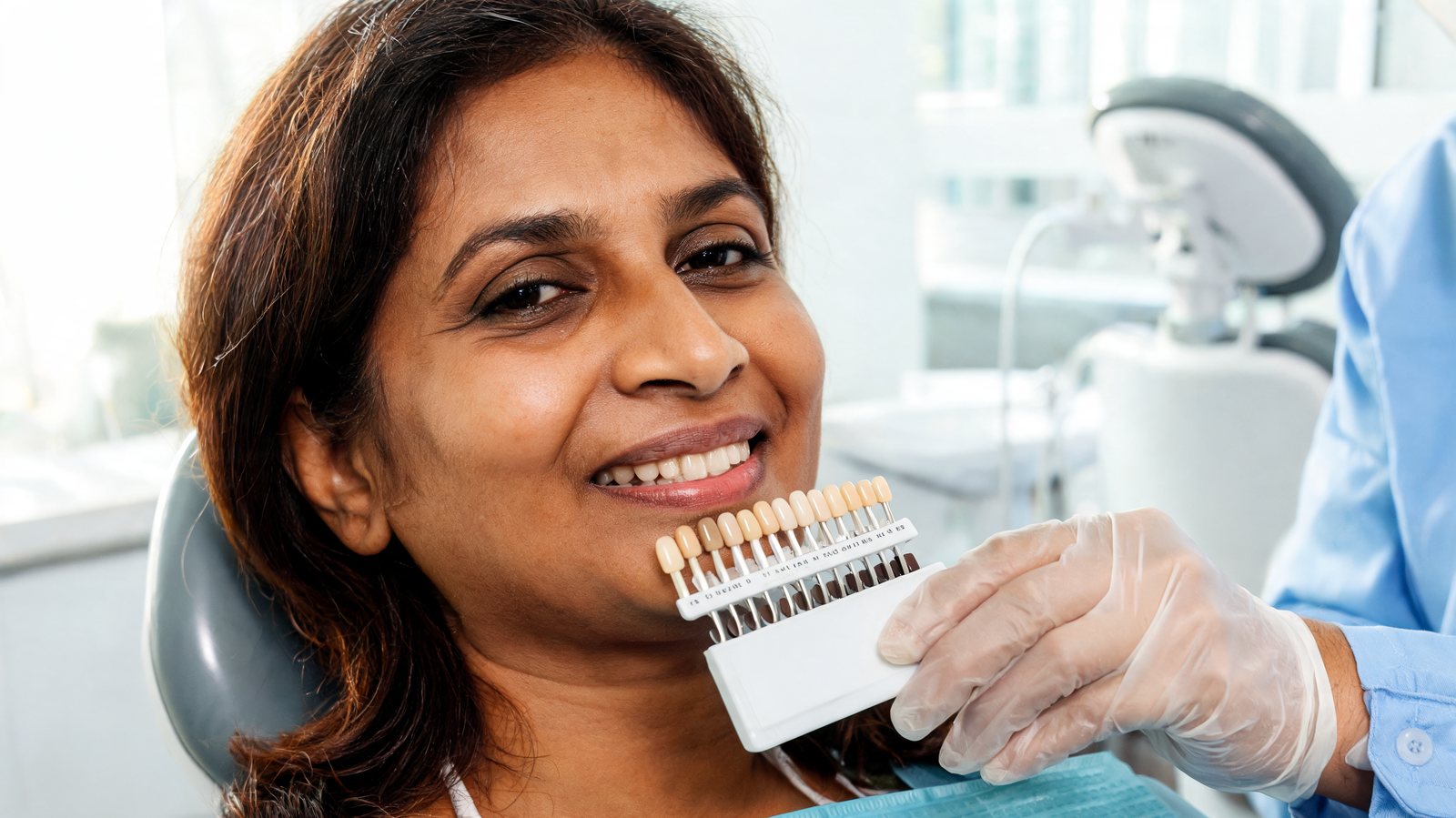

Getting new dentures is an important step toward better oral health and a confident smile. Many people feel nervous about this change, but knowing what to expect makes the process easier.

Most people need about 4 to 8 weeks to fully adjust to new dentures. Some comfort improvements happen within the first few days.
Your mouth needs time to get used to the new fit and feel. This adjustment period is normal.
The early days with dentures bring challenges like soreness, trouble eating certain foods, and changes in speech. These issues improve as your mouth adapts and you learn proper care.
With patience and the right approach, you can adjust to your new dentures and enjoy their benefits.
Key Takeaways
- Adjusting to new dentures usually takes 4 to 8 weeks, with gradual improvement in comfort and function.
- Proper daily care and cleaning routines help you adapt to dentures and maintain oral health.
- Initial challenges like soreness and eating difficulties are normal and will improve with time and practice.
Key Steps for Adjusting to Your New Dentures

The first few weeks with new dentures bring unique sensations and challenges. Patience and specific techniques help you adapt.
Learning proper speaking and eating methods while building daily comfort helps you succeed with your dentures.
Initial Sensations and Early Challenges
Your mouth needs time to adjust to new dentures. At first, you may feel like your dentures are too large or bulky.
This feeling is normal. Your tongue and cheeks need to learn where the dentures sit.
Common first-week experiences include:
- More saliva than usual
- Slight lisping when talking
- Sore spots on your gums
- Feeling like the dentures might slip
Your gums may feel tender, especially after recent tooth removal. Both full and partial dentures can cause these sensations.
Take breaks from wearing your dentures during the first few days. Remove them for short periods to let your gums rest.
Use a denture adhesive if your dentist recommends it. This helps prevent slipping while your mouth adjusts.
Schedule follow-up visits with your dentist. They can make small adjustments to improve the fit and reduce sore spots.
Building Comfort and Confidence
Start by wearing your dentures for short periods each day. Gradually increase the time as your mouth gets used to them.
Practice basic mouth movements in private. Open and close your mouth slowly, and move your jaw from side to side.
Daily comfort tips:
- Clean your dentures every morning and night
- Soak them overnight in denture solution
Massage your gums gently with a soft toothbrush. Rinse your mouth with warm salt water.
Proper denture care keeps your mouth healthy. Clean dentures prevent bacteria buildup and gum problems.
Remove your dentures at night for the first few weeks. This gives your gums time to heal and rest.
Build confidence by practicing facial expressions in a mirror. Smile, laugh, and talk to yourself.
Tips for Speaking and Eating With Dentures
Speaking clearly with new dentures takes practice. Your tongue must learn new positions for different sounds.
Start by reading aloud for 10-15 minutes daily. Focus on words with “S” and “F” sounds, which are often hardest.
Speaking practice steps:
- Read slowly at first.
- Bite down and swallow before speaking.
- Practice counting from 60 to 90.
- Record yourself to hear improvements.
Begin eating with soft foods only. Cut everything into small, bite-sized pieces.
Week 1 food choices:
- Scrambled eggs
- Mashed potatoes
- Soft pasta
- Cooked vegetables
- Yogurt and pudding
Chew slowly using both sides of your mouth. This keeps your dentures balanced and stable.
Avoid sticky, hard, or chewy foods for the first month. These include nuts, caramel, tough meat, and whole apples.
Stay patient as you get used to dentures. Most people eat normally within 6-8 weeks.
Essential Care for Successful Denture Adaptation

Proper denture care prevents irritation and extends the life of your dentures. Regular cleaning, managing discomfort, using adhesives correctly, and attending dental appointments help you adapt.
Cleaning and Maintenance Best Practices
Daily cleaning keeps your mouth healthy and your dentures lasting longer. Remove your dentures after every meal to rinse away food particles.
Use a soft-bristled brush designed for dentures. Regular toothbrushes can scratch the surface.
Clean your dentures with mild dish soap or denture cleaner, not regular toothpaste. Soak your dentures overnight in denture cleaning solution or plain water to keep them moist and prevent warping.
Never use hot water, which can change the shape of your dentures. Clean your mouth and gums daily, even when wearing dentures.
Use a soft brush to gently clean your gums, tongue, and any remaining teeth. Store your dentures safely when not wearing them.
Keep them in water or cleaning solution to prevent cracking and maintain their shape.
Managing Soreness and Irritation
Soreness is normal during the first few weeks of denture wear. Your gums need time to adjust to new pressure.
Start by wearing your dentures for short periods. Gradually increase wearing time as your mouth becomes more comfortable.
Remove them if pain becomes severe. Rinse with warm salt water to reduce inflammation and promote healing.
Mix half a teaspoon of salt in warm water and gently swish around your mouth. Apply denture adhesive sparingly if your dentist recommends it.
Too much adhesive can cause more irritation. Remove your dentures at night to give your gums time to rest and recover.
The Role of Denture Adhesive
Denture adhesive can improve fit and confidence for many new denture wearers. It creates a stronger seal between your dentures and gums.
Use adhesive only as directed by your dentist. Apply thin strips or small dots, not thick layers.
Too much adhesive makes removal difficult and messy. Choose the right type for your needs.
Powders work well for dry mouths, while creams provide stronger hold. Strips offer precise application.
Clean off old adhesive completely before applying new product. Leftover adhesive can cause irritation or poor fit.
Use adhesive as a temporary measure. Well-fitting dentures should not need adhesive long-term.
Talk to your dentist if you rely on it heavily.
Follow-Up Visits and Professional Adjustments
Regular dental visits help you adjust to new dentures. Your dentist can spot problems early and make needed changes.
Schedule your first follow-up within a week of getting new dentures. Bring a list of any sore spots or fit issues you notice.
Professional adjustments improve comfort. Your dentist can file down pressure points and reshape areas that cause irritation.
Expect several adjustment visits during the first month. Each small change helps your dentures fit better.
Contact your dentist right away if you experience severe pain or bleeding. These symptoms may need prompt attention.
Frequently Asked Questions
Getting new dentures brings common concerns about comfort, adjustment time, and daily wear. Most discomfort is normal and temporary, lasting a few weeks as your mouth adapts.
Why do new dentures feel uncomfortable, and how long does it take to adjust?
New dentures feel uncomfortable because your mouth needs time to adapt. Your gums, tongue, and jaw muscles must learn to work with the dentures.
The adjustment period usually lasts 2 to 8 weeks. During the first few days, you may experience soreness, more saliva, and trouble speaking or eating.
Your mouth tissues need time to toughen up where the dentures rest. This process is similar to breaking in new shoes.
Some people adjust faster than others. Your age, overall health, and the fit of your dentures all affect adjustment time.
What are the guidelines for wearing new dentures during the initial adjustment period?
Wear your dentures for short periods on the first day. Start with 2 to 4 hours, then gradually increase wearing time each day.
Remove your dentures at night to let your gums rest and recover. This prevents irritation and helps blood flow return to normal.
Eat soft foods during the first week. Choose items like yogurt, soup, mashed potatoes, and scrambled eggs.
Cut food into small pieces and chew slowly on both sides of your mouth. This helps keep your dentures stable.
What steps can I take to acclimate to my dentures more quickly?
Practice speaking by reading aloud for 10 to 15 minutes daily. Start with simple words and progress to longer sentences.
Use denture adhesive if your dentist recommends it. Apply a small amount to help your dentures stay in place.
Rinse your mouth with warm salt water several times daily. This helps reduce soreness and keeps your mouth clean.
Massage your gums gently with your finger or a soft toothbrush. This increases blood flow and helps toughen the tissue.
What should first-time denture wearers know to ease the transition?
Expect more saliva during the first few days. Your mouth thinks the dentures are food and produces extra saliva.
Your speech may sound different at first. Common issues include lisping or clicking sounds.
Some facial muscle soreness is normal as your mouth adjusts to the new position. This usually goes away within a week.
Schedule follow-up appointments with your dentist. They can make small adjustments to improve fit and comfort.
How can one prevent gagging when getting used to new dentures?
Breathe through your nose instead of your mouth. This helps reduce the gag reflex when wearing dentures.
Practice relaxation techniques like deep breathing or meditation. Anxiety can make gagging worse.
Start by wearing your dentures for short periods. Gradually increase the time as your mouth adjusts.
Try sucking on ice chips or drinking cold water. The cold sensation can help reduce the urge to gag.
What can I expect during the process of adapting to new dentures?
Week one brings the most challenges with eating and speaking. Your mouth produces extra saliva and feels sore.
In week two, you usually feel more comfortable and can use your dentures better. You can start adding more foods to your diet.
By week four, you may feel comfortable wearing your dentures all day. Speaking and eating become much easier.
You might need up to 8 weeks to fully adjust. Some minor irritation or adjustments are normal during this time.