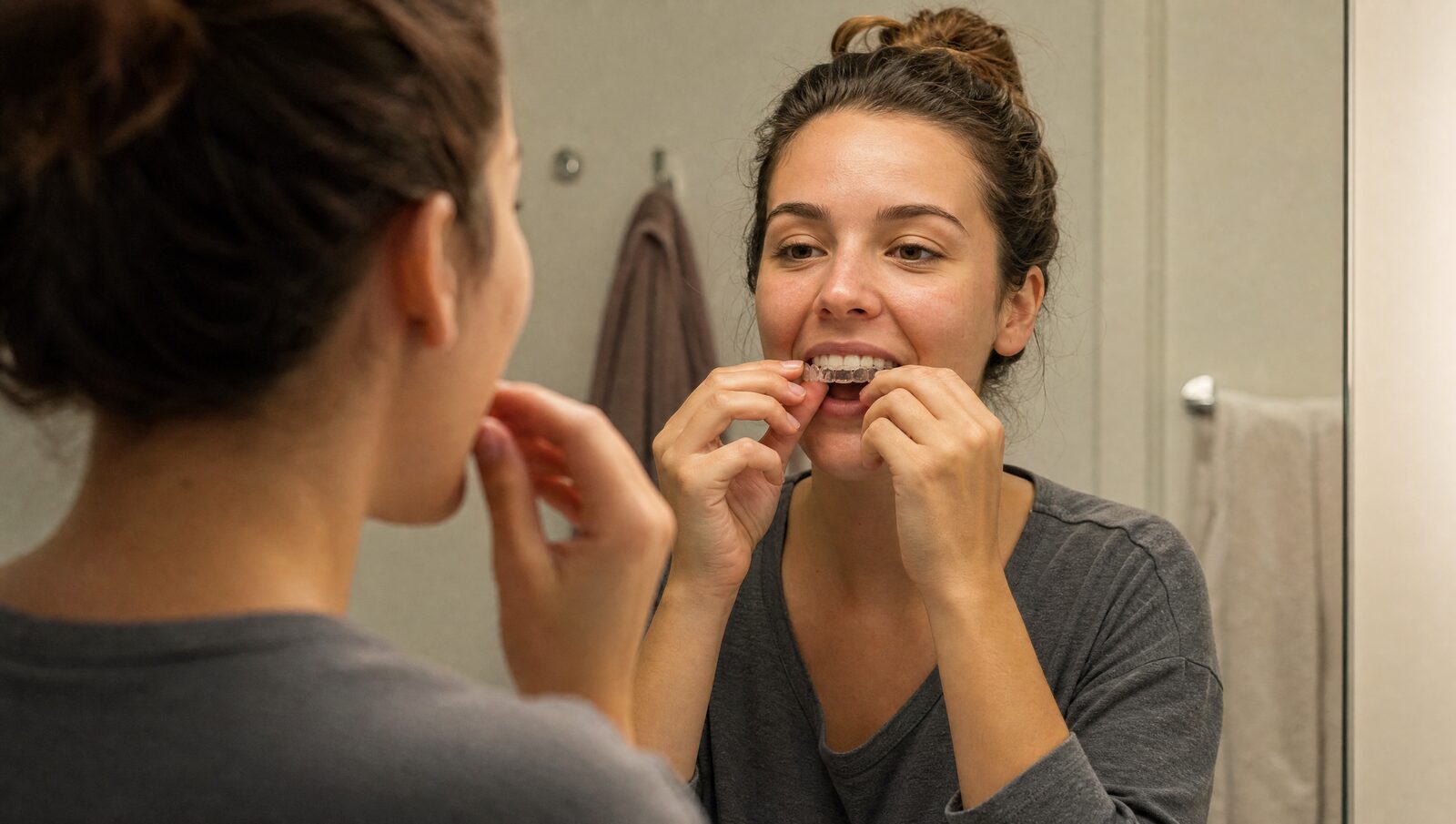
Your tooth enamel is the hardest substance in your body, but certain foods and drinks can slowly wear it down. Once enamel is gone, it cannot grow back. This means the damage is permanent and can lead to sensitivity, cavities, and other dental problems.
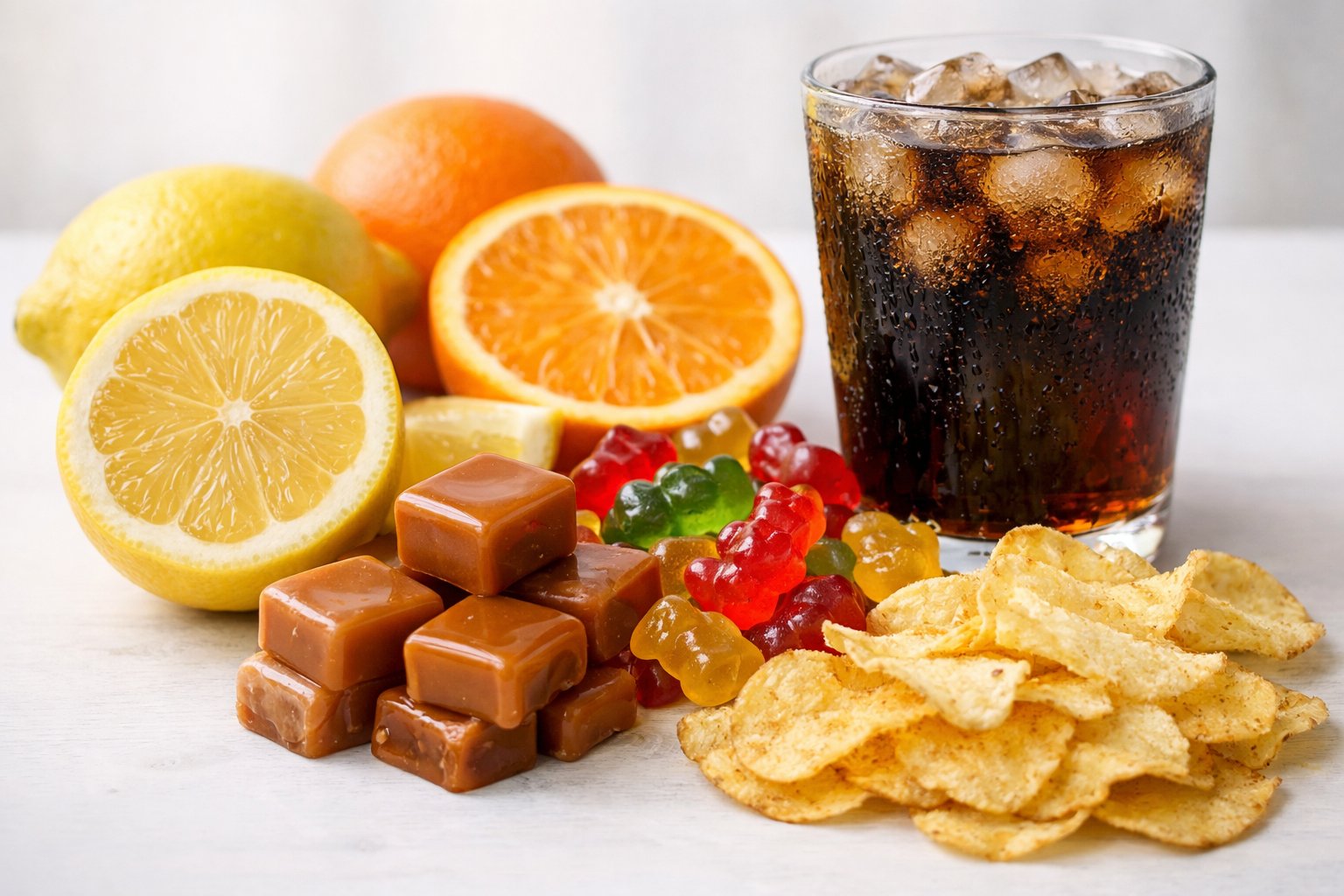
Sugary and acidic foods are the biggest threats to your tooth enamel because they create an environment where harmful bacteria thrive and acids attack the protective outer layer of your teeth. Sodas, candies, citrus fruits, and starchy snacks all pose risks in different ways. Some foods stick to your teeth and feed bacteria. Others contain acids that directly dissolve enamel.
Understanding which foods cause the most damage helps you make better choices for your dental health. You don’t have to avoid all these foods completely, but knowing the risks lets you take steps to protect your teeth when you do eat them.
Key Takeaways
- Sugary and acidic foods weaken tooth enamel and create conditions for decay and cavities
- The worst offenders include sodas, sticky candies, citrus fruits, and starchy snacks that cling to teeth
- Protecting your enamel requires smart food choices and proper dental care habits after eating
How Foods Harm Tooth Enamel
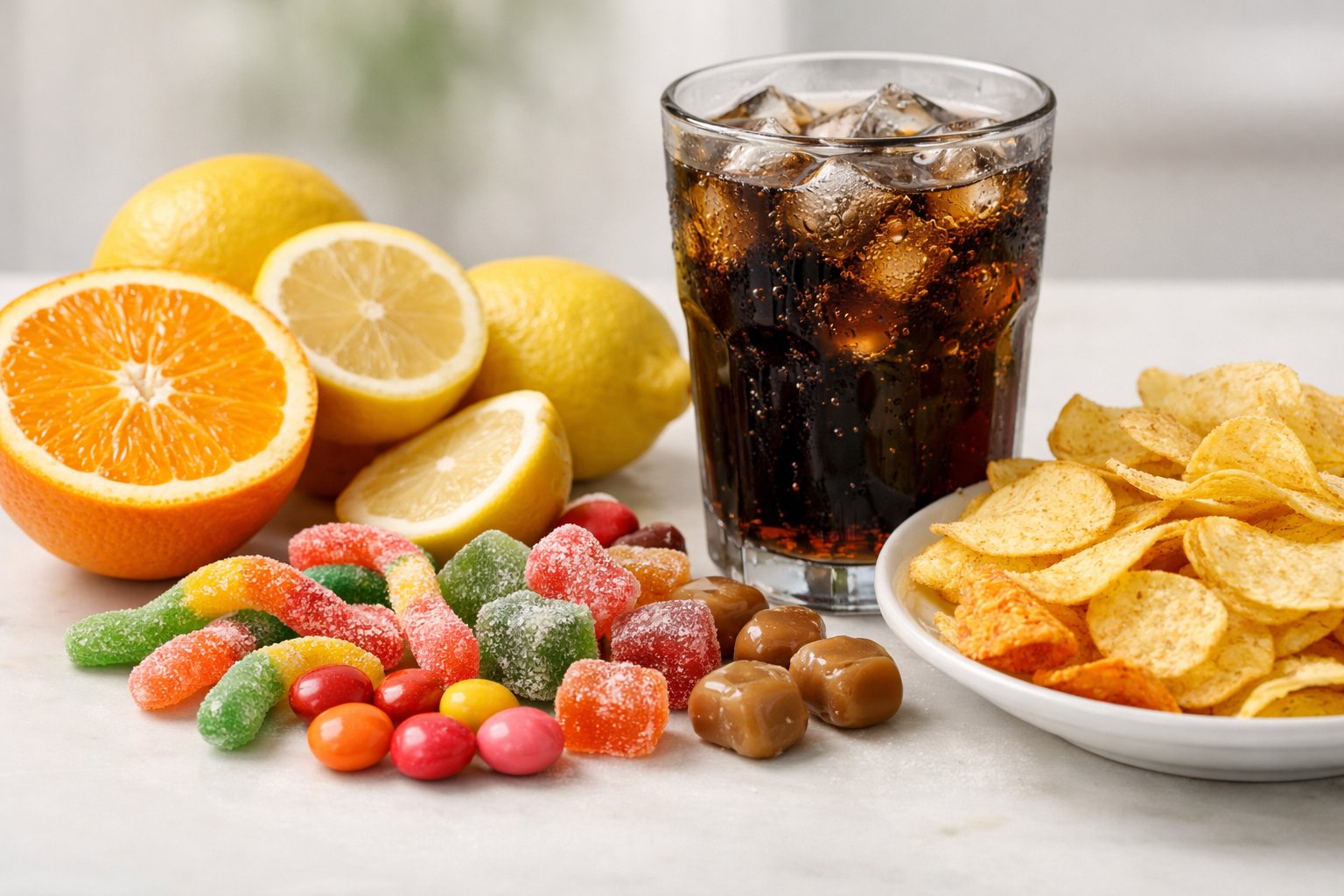
Tooth enamel breaks down through two main processes: acid attacks that dissolve its mineral structure and bacteria that produce harmful byproducts from sugars. These processes work together to weaken your teeth and create conditions for decay.
Understanding Tooth Enamel and Its Importance
Tooth enamel is the hard, outer layer that protects your teeth. It’s the hardest substance in your body, even stronger than bone.
This protective coating shields the sensitive inner parts of your teeth from damage. Without healthy enamel, you experience pain when eating hot, cold, or sweet foods.
Your enamel doesn’t contain living cells. This means it cannot repair itself once damaged. Enamel loss is permanent, which makes protecting it essential for your dental health.
Key functions of tooth enamel:
- Protects against tooth decay
- Prevents sensitivity
- Maintains tooth structure
- Enables comfortable chewing
When your enamel wears away, you face serious oral health problems. You become more likely to develop cavities and need dental treatments.
Mechanisms of Enamel Erosion and Loss
Enamel erosion happens when acids dissolve the minerals in your tooth surface. Your enamel contains calcium and phosphate crystals that give it strength.
Acidic foods and drinks lower the pH level in your mouth. When the pH drops below 5.5, your enamel starts to soften and lose minerals. This process is called demineralization.
Your saliva normally helps rebuild weakened enamel through remineralization. But frequent acid exposure doesn’t give your saliva enough time to repair the damage. The American Dental Association notes that repeated acid attacks prevent this natural healing process.
Physical wear also damages your enamel. Chewing hard foods or grinding your teeth wears down the surface. This makes your teeth more vulnerable to acid attacks.
Sugar, Acid, and Oral Bacteria: The Perfect Storm
Bacteria in your mouth feed on sugars from food and drinks. These bacteria produce acid as a waste product within minutes of sugar exposure.
The acid sits on your teeth and attacks the enamel. When you eat sugary foods frequently, your teeth face constant acid attacks throughout the day.
Some foods contain their own acids. Citrus fruits, soft drinks, and pickled foods bring acid directly into your mouth. This creates a double problem for your enamel.
How the damage cycle works:
- You consume sugar or acidic foods
- Oral bacteria multiply and produce acid
- Acid weakens your enamel
- Minerals dissolve from tooth surface
- Enamel becomes thinner and weaker
The combination of dietary acids and bacterial acids creates severe enamel erosion. Your teeth cannot recover between attacks.
Plaque Buildup, Cavities, and Gum Disease
Plaque is a sticky film of bacteria that forms on your teeth. It develops constantly and contains millions of bacteria that damage your enamel.
When plaque stays on your teeth, the bacteria inside produce more acid. This concentrated acid attack in specific spots leads to tooth decay. Small holes form in your enamel, creating cavities.
Plaque hardens into tartar if you don’t remove it within 24 to 72 hours. Tartar bonds to your enamel and can only be removed by a dental professional. It provides a rough surface where more plaque can gather.
Plaque along your gum line causes gingivitis, the early stage of gum disease. Your gums become red, swollen, and bleed easily. Left untreated, gingivitis advances to more serious gum disease.
The bacteria in plaque also irritate your gum tissue. This triggers inflammation that can damage the bone supporting your teeth. Gum disease and enamel loss often happen together, multiplying your dental problems.
Worst Offenders: Foods and Drinks That Damage Tooth Enamel
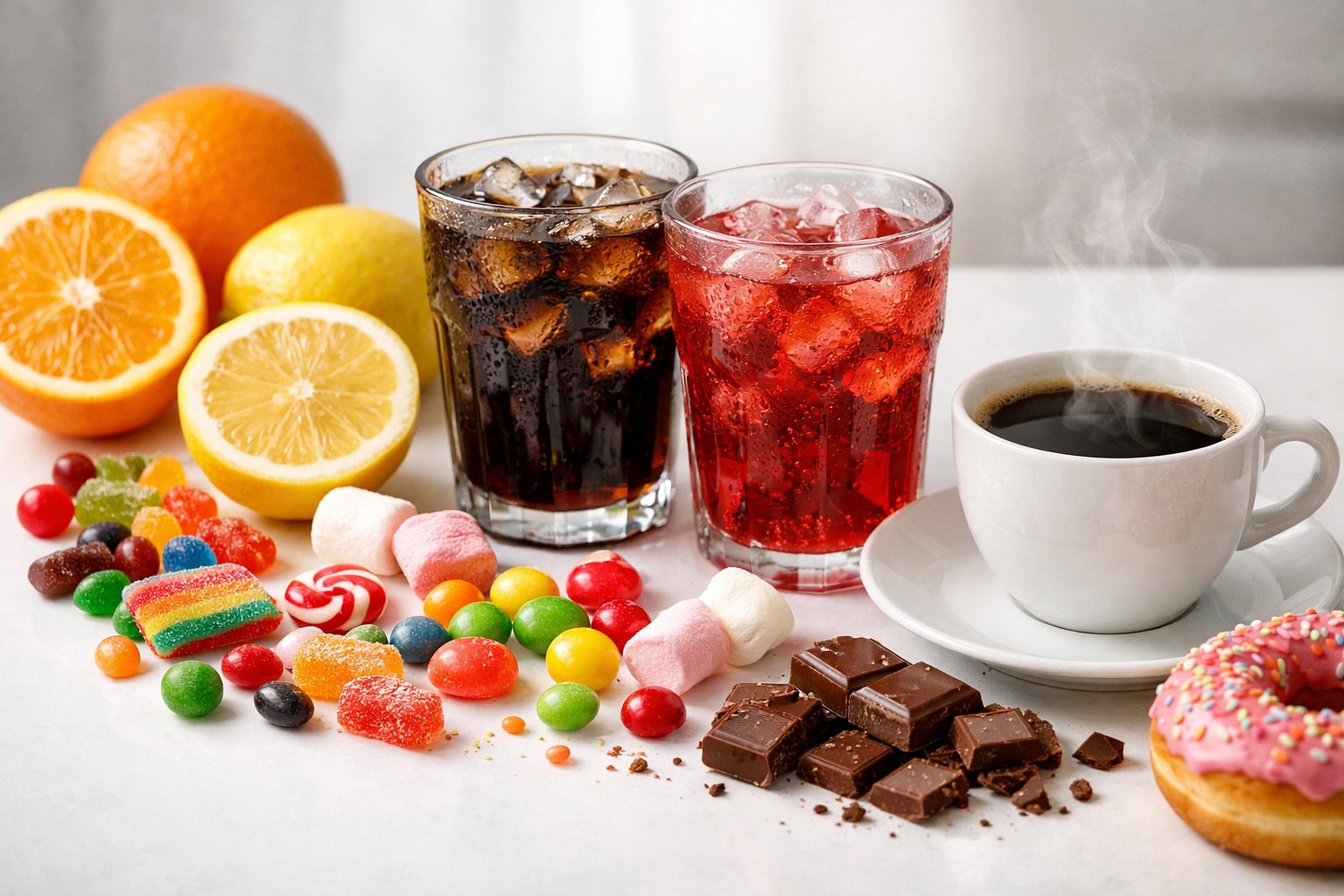
Tooth enamel faces constant threats from sugary, acidic, and sticky foods that weaken its protective layer. Understanding which specific foods and drinks cause the most damage helps you make better choices for your dental health.
Acidic Drinks: Soda, Soft Drinks, Sports, and Energy Drinks
Soda and soft drinks rank among the worst choices for your tooth enamel. These beverages contain high amounts of sugar and acids like phosphoric acid and citric acid that directly attack enamel.
Energy drinks and sports drinks pose similar risks. They combine sugar with acids that erode enamel over time. Many people drink these throughout the day, which keeps your teeth in constant contact with harmful substances.
The acid in these drinks softens your enamel, making it easier for sugar to cause decay. Even diet versions contain acids that damage teeth. The carbonation in these drinks also adds to the problem by lowering the pH level in your mouth.
If you drink these beverages, use a straw to reduce contact with your teeth. Rinse your mouth with water afterward, but wait at least 30 minutes before brushing since the acid temporarily weakens your enamel.
Fruits and Juices Rich in Acid: Citrus, Berries, and Others
Citrus fruits like lemons, limes, oranges, and grapefruits contain high levels of acid. While these fruits offer health benefits, their acid content can erode tooth enamel when consumed frequently.
Fruit juices concentrate these acids and often add extra sugar. Orange juice, lemon juice, and grapefruit juice expose your teeth to both natural acids and sugars. Even 100% fruit juice can harm your enamel.
Berries like strawberries, blueberries, and cranberries also contain acids. Dried fruits and raisins create additional problems because they stick to your teeth and contain concentrated sugars.
You don’t need to avoid these acidic foods completely. Eat them as part of meals rather than snacking on them throughout the day. This limits acid exposure and allows your saliva to naturally neutralize acids.
Sticky and Chewy Sweets: Caramel, Taffy, Toffee, and Dried Fruit
Sticky candies cling to your teeth and stay there for extended periods. Caramel, taffy, and toffee stick to tooth surfaces and between teeth where brushing might miss them.
The longer sugar stays on your teeth, the more time bacteria have to produce acid. These chewy sweets provide a constant food source for harmful bacteria in your mouth.
Dried fruit like raisins seems healthy but acts like candy. The drying process concentrates natural sugars, and the sticky texture makes these fruits cling to teeth. Dried apricots, dates, and cranberries all share this problem.
Toffee and similar hard-chewy combinations present double trouble. They stick to teeth while also being hard enough to potentially crack fillings or damage teeth. Choose sweets that dissolve quickly instead of ones that stick around.
Starchy Snacks and Sugary Treats: Chips, Cookies, and More
Starchy foods like potato chips, white bread, and crackers break down into sugars in your mouth. These foods often get trapped between teeth where they feed bacteria.
Cookies, cakes, and biscuits combine starches with added sugars. They create a coating on your teeth that bacteria use to produce acid. Pretzels and similar snacks also stick in the crevices of your teeth.
Your saliva breaks down starches into simple sugars almost immediately. This means starchy snacks start damaging your teeth as soon as you eat them. The particles that get stuck between teeth continue causing harm for hours.
Flossing after eating starchy snacks removes trapped food particles. Choosing whole-grain options over refined white flour products also helps since they break down more slowly.
Sour Candy and Hard Candy
Sour candy contains extra acids that make it more damaging than regular candy. Manufacturers add citric acid and other acids to create the sour taste, which directly attacks enamel.
Hard candy stays in your mouth for a long time as it dissolves. This gives sugar and acid more time to damage your teeth. Many people also chew hard candy, which can crack teeth or damage existing dental work.
The combination of sugar and acid in sour candy creates an especially harmful environment. Your mouth’s pH drops significantly, weakening enamel and making cavities more likely.
Sucking on hard candy bathes your teeth in sugar continuously. If you eat candy, choose chocolate that melts and clears your mouth faster than hard or sour varieties.
Vinegar and Acidic Salad Dressings
Vinegar has a very low pH that can erode tooth enamel. Many salad dressings use vinegar as a base ingredient, exposing your teeth to acid during meals.
Balsamic vinegar, apple cider vinegar, and wine vinegar all contain acids strong enough to damage enamel. Pickled foods soaked in vinegar carry the same risks.
Salad dressings with citric acid or lemon juice add to the acid exposure. Even healthy choices like oil and vinegar dressing can harm your teeth over time with regular use.
You can reduce the impact by eating acidic dressings as part of a full meal. The other foods you eat help neutralize acids. Drinking water during and after meals also helps wash away acids before they damage enamel.
Frequently Asked Questions
Sugary and acidic foods pose the greatest threats to your tooth enamel, while sticky snacks and certain beverages can accelerate damage by prolonging exposure to harmful substances.
What types of food are known to be the most damaging to tooth enamel?
Sugary foods rank as the most damaging to your tooth enamel. When you eat sugar, bacteria in your mouth feed on it and produce acids that attack your enamel.
Acidic foods come in as a close second. Citrus fruits, tomatoes, and pickles contain acids that directly erode your enamel’s surface.
Starchy foods like white bread and potato chips also harm your enamel. These foods break down into sugars in your mouth and can get stuck between your teeth, giving bacteria more time to create acid.
How do acidic foods affect the health of tooth enamel?
Acidic foods and drinks directly erode your enamel when you consume them. The acid softens your enamel temporarily, making it vulnerable to wear.
When you eat acidic foods frequently, your enamel doesn’t have time to recover. This repeated exposure causes permanent damage over time.
Your saliva normally helps neutralize acids in your mouth. However, highly acidic foods can overwhelm this natural defense system.
What are the consequences of consuming sugary foods on tooth health?
Sugary foods feed the harmful bacteria living in your mouth. These bacteria convert sugar into acid, which attacks your enamel and creates cavities.
The damage doesn’t stop at your enamel. Once bacteria break through this protective layer, decay can reach the softer inner layers of your tooth.
You face an increased risk of gum disease when sugar remains on your teeth. The bacteria that feed on sugar can also irritate and inflame your gums.
Can you list common snacks that might contribute to enamel erosion?
Potato chips are a major culprit because they get stuck in your teeth easily. The starch in chips breaks down into sugar, feeding harmful bacteria.
Dried fruits stick to your teeth and contain concentrated sugars. Raisins, dates, and dried apricots can cling to tooth surfaces for hours.
Hard candies and lollipops expose your teeth to sugar for extended periods. The longer these candies stay in your mouth, the more time bacteria have to produce acid.
Crackers and pretzels may seem harmless, but they contain refined starches. These starches convert to sugar quickly and can lodge between your teeth.
Which beverages should be avoided to preserve tooth enamel integrity?
Carbonated soft drinks are the leading threat to your enamel. They contain both high amounts of sugar and acids like phosphoric acid and citric acid.
Sports drinks and energy drinks damage your enamel with their high acid content. Many people don’t realize these drinks can be as harmful as soda.
Fruit juices, even 100% natural varieties, contain natural acids and sugars. Citrus juices like orange and grapefruit juice are particularly acidic.
Wine, both red and white, exposes your teeth to damaging acids. White wine tends to be more acidic than red wine.
How do sticky foods impact the condition of tooth enamel?
Sticky foods cling to your teeth for longer periods than other foods. This extended contact time gives bacteria more opportunity to produce harmful acids.
Your saliva has a harder time washing away sticky substances. Foods like caramel, gummy candies, and chewy granola bars can remain on your teeth for hours.
The longer food stays on your teeth, the more damage occurs. Sticky foods create an environment where bacteria can thrive and multiply, increasing acid production that erodes your enamel.