
Ever notice that fuzzy film on your teeth after you eat? You might wonder if it’s just annoying or actually a problem. Plaque is that soft, sticky stuff you can brush and floss away. Tartar, though, is what happens when you let plaque sit, it hardens and then only your dentist can get rid of it.
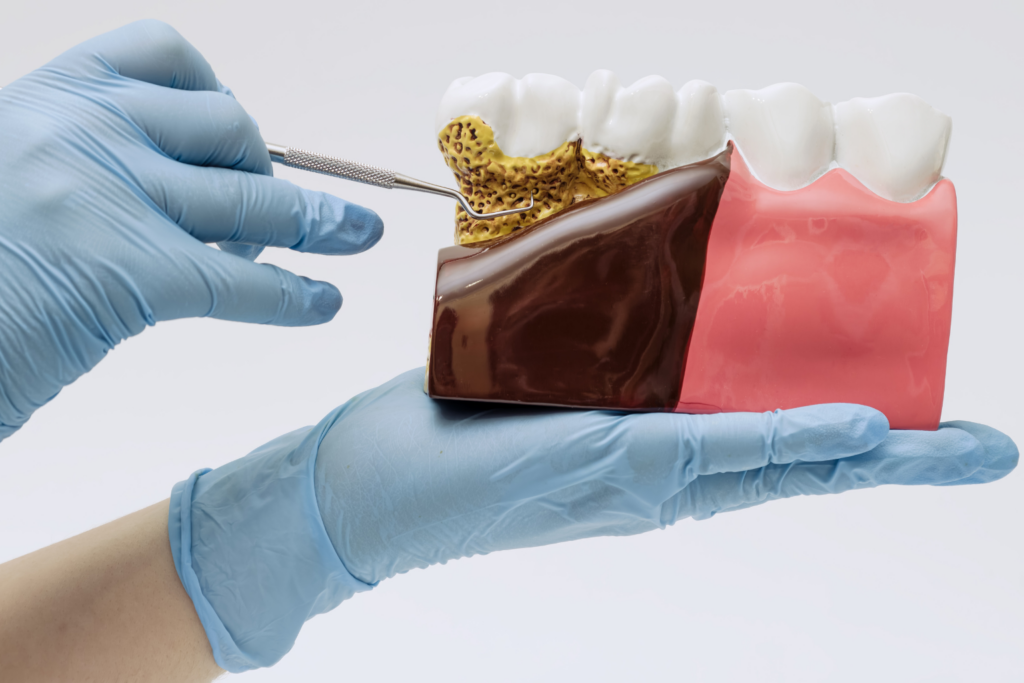
If you know the difference, you can tackle small issues before they turn into bigger headaches.
Plaque leads to cavities and gum irritation. Tartar just makes things worse, clinging to your teeth and trapping even more bacteria.
If you want to keep plaque in check and avoid tartar, stick to simple daily habits and make sure you get regular dental cleanings.
Key Takeaways
- You can remove plaque with daily cleaning.
- Only a dentist can get rid of tartar because it’s hardened plaque.
- Good habits and preventive care mean fewer cavities and less gum disease.
Understanding the Difference Between Plaque and Tartar
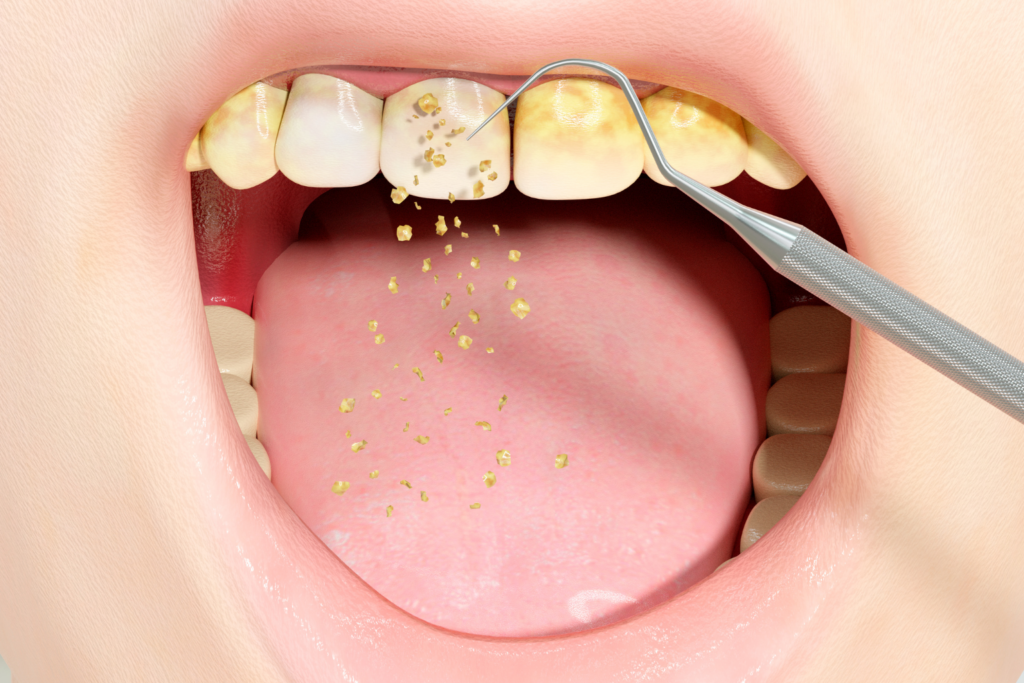
Let’s break down what plaque and tartar actually are, how one turns into the other, and why they matter for your teeth and gums.
If you know what to look for, you can spot issues early and take care of your mouth the right way.
What Is Plaque?
Plaque is a soft, sticky film that builds up on your teeth every single day. It’s a mix of bacteria, saliva, and tiny food bits.
The bacteria in plaque love sugar and starches from your food. They make acids that can weaken your enamel and eventually cause cavities.
You can brush and floss away plaque if you do it regularly. Brushing twice a day and flossing once a day keeps that film from causing real harm.
Plaque feels fuzzy on your teeth. Sometimes it’s clear or pale yellow, so it might be hard to spot until it starts staining or causing problems.
What Is Tartar?
Tartar, or dental calculus, shows up when plaque hardens and mineralizes on your teeth. Your saliva leaves minerals behind, turning that soft film into a rough, hard layer.
Tartar sticks tight to your teeth, especially near your gums or between teeth. It can look yellow or brown and usually stands out as a visible buildup.
Only your dentist or hygienist can remove tartar safely. If you ignore it, tartar gives plaque more places to hide and makes gum disease more likely.
It’s not just about looks. Tartar’s rough surface traps bacteria, which can make your breath worse and gums inflamed.
How Plaque Turns Into Tartar
Plaque starts forming just hours after you clean your teeth. If you don’t remove it, minerals in your saliva start to settle into the plaque.
Within a day or two, those minerals begin to harden the plaque. Over several days or weeks, you end up with tartar. Diets high in sugar, dry mouth, smoking, and poor brushing habits can all make tartar form faster.
Tartar usually shows up along the gumline and behind your lower front teeth, where saliva tends to pool. Once tartar forms, you can’t get it off with a toothbrush or floss.
Your dentist or hygienist will use special tools to break and scrape away the tartar. A professional cleaning smooths your teeth and helps keep new tartar from sticking.
Key Differences in Impact and Removal
Plaque leads to cavities and early gum problems because it makes acids. Tartar raises your risk for worse gum disease, gum recession, and even bone loss if you don’t get it removed.
You can handle plaque at home with brushing and flossing. Tartar? That’s a job for your dental team, they’ll use scaling and polishing tools.
Plaque is soft and often invisible. Tartar is hard, rough, and shows up as yellow or brown spots. Plus, tartar makes new plaque build up faster in the same places.
Good daily habits, less sugar, drinking water, and regular dental visits help keep both plaque and tartar from taking over.
Why the Difference Matters for Oral Health
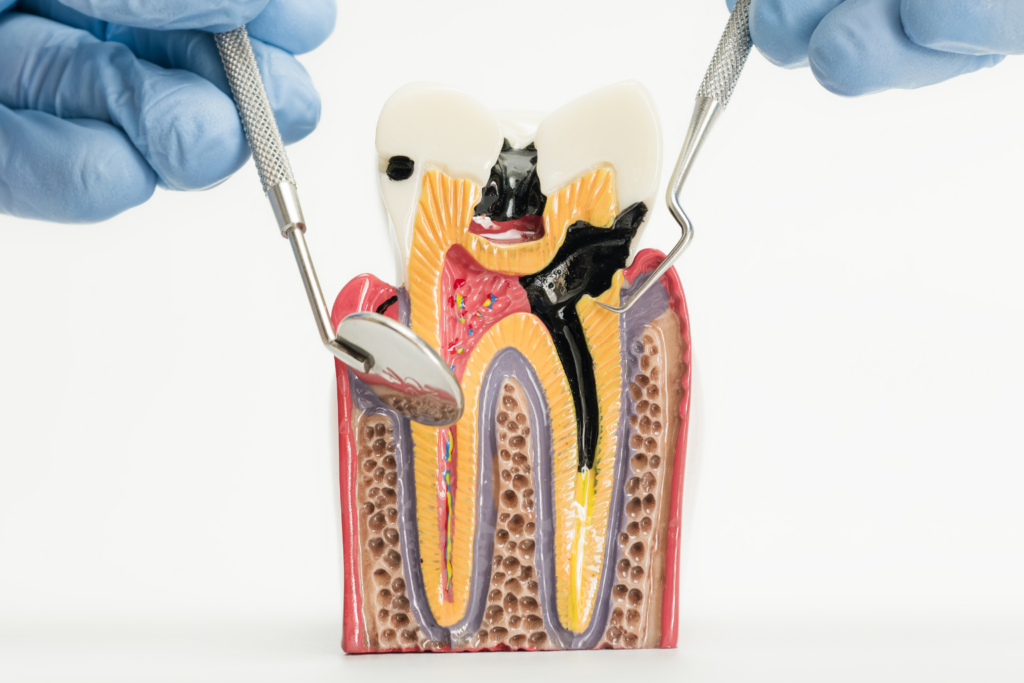
Plaque is that sticky film of bacteria you can clean off with a toothbrush and floss. But when it hardens into tartar, only your dentist can deal with it.
Consequences of Plaque and Tartar Buildup
Plaque produces acids that attack your enamel, which can lead to cavities. If you skip brushing or flossing, plaque just hangs around and causes more acid and more tooth decay. It can also leave your breath smelling not-so-fresh and give teeth a visible film.
When plaque hardens into tartar, it traps even more bacteria right at the gumline. Tartar is rough and stains easily, so it can make your teeth look yellow or brown. You can’t get rid of tartar at home, your dentist or hygienist has to remove it with special tools.
Gum Disease and Other Oral Health Risks
Plaque can make your gums red, swollen, and bleed, this is gingivitis. If you ignore it, the infection can go deeper and turn into periodontitis, which is a lot more serious. Periodontitis can cause your gums to recede, make your teeth sensitive, and even lead to tooth loss.
Tartar under the gums makes it tough to keep things clean. Sometimes you’ll need root planing or deep cleaning from your dentist to get things back on track. Ignoring gum disease can make things worse for your whole body and might mean more complicated dental treatments later. Watch for signs like bad breath that won’t go away, bleeding when you brush or floss, loose teeth, and gum irritation.
Professional Removal and Prevention Strategies
Book regular dental checkups and cleanings to keep tartar in check. Dental hygienists use scaling and polishing, and sometimes root planing, to get rid of tartar above and below your gums. Scaling removes the hard stuff, and polishing smooths your enamel and helps with stains.
Keep tartar away by brushing with fluoride toothpaste twice daily, flossing every day or using an interdental brush, and maybe using an electric toothbrush or water flosser for backup. Try an antibacterial mouthwash if your dentist suggests it, and cut back on sugary snacks and drinks. These habits help keep plaque from building up and make tartar less likely.
Frequently Asked Questions

Plaque is a soft, sticky film of bacteria that forms on your teeth every day. Tartar is what you get when plaque hardens and sticks to your enamel, and only your dentist can remove it.
What are the main differences between plaque and tartar?
Plaque forms quickly after you eat and is soft enough to remove with brushing and flossing.
Tartar forms when plaque hardens, turning into a rough layer you can’t clean off at home.
How can tartar be removed from teeth?
A dental professional uses scaling tools or an ultrasonic device to lift tartar off your teeth.
They’ll usually polish your teeth afterward and might suggest more frequent cleanings if tartar keeps coming back.
What are the consequences of not removing tartar?
Tartar traps extra bacteria by your gums, which can cause gum inflammation and gum disease.
It also raises your chances for cavities and can lead to gum recession and bone loss if you don’t deal with it.
How do plaque and tartar differ in appearance?
Plaque looks like a pale, sometimes invisible film on your teeth and feels fuzzy when you run your tongue over it.
Tartar shows up as hard, yellow or brown spots near your gumline and feels rough.
In what way do plaque and tartar differently affect oral health?
Plaque causes early issues like bad breath and surface cavities if you don’t clean it away.
Tartar takes things further by holding bacteria in place, making inflammation and deeper tooth decay more likely.
Can plaque and tartar formation affect dogs in the same way as humans?
Yep, dogs definitely get plaque just like we do. That sticky stuff can turn into tartar, leading to stinky breath, gum problems, or even missing teeth.
Try brushing your dog’s teeth regularly. Dental chews help too, and don’t skip those vet cleanings.