Ever feel like your mouth is always dry? Eating, talking, and even sleeping get tougher than they should be. Sometimes it’s a quick thing, maybe stress or breathing through your mouth. Other times, it points to something bigger, like a problem with your salivary glands, certain meds, or a health issue such as diabetes or Sjögren’s syndrome.
If you’re curious about what brings on dry mouth, how it can mess with your teeth and gums, and what actually helps, you’ll find clear, practical info here.
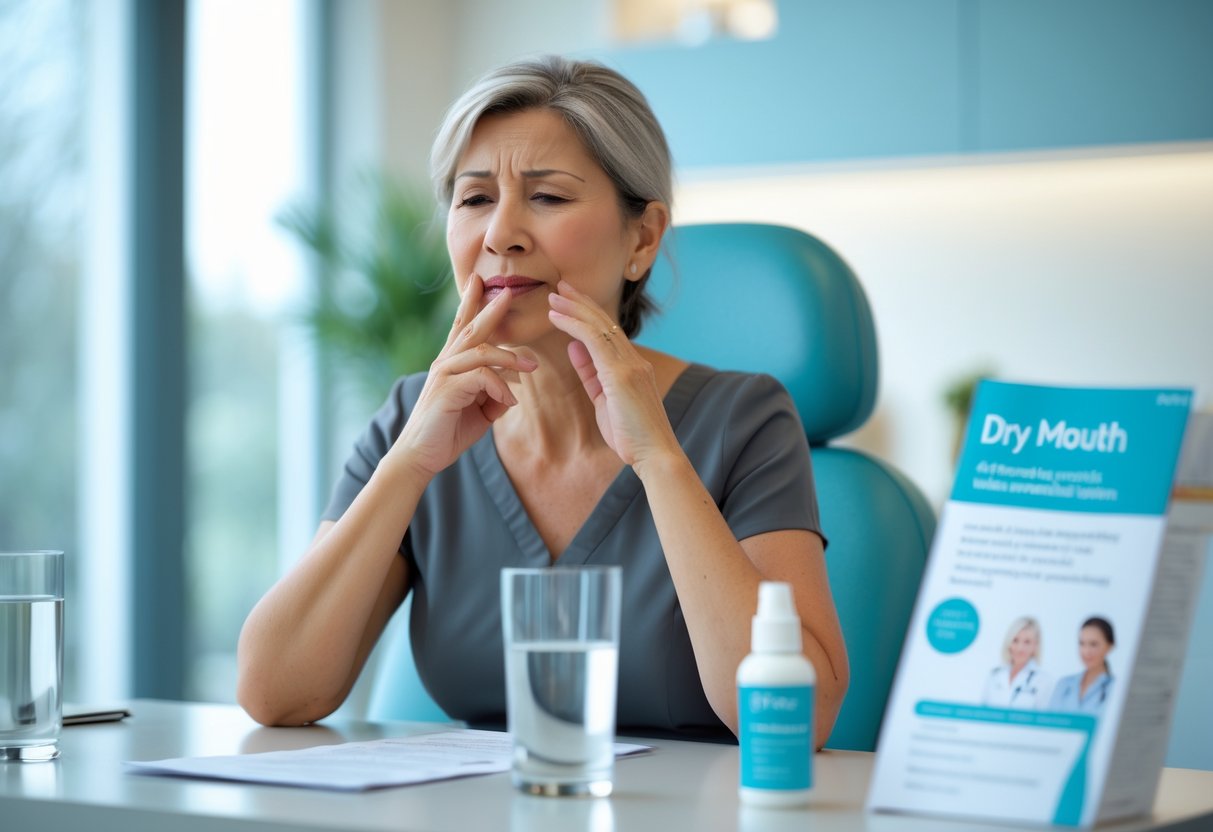
You’ll see what signs to look for, when you should get help from a healthcare or dental pro, and some simple things to try at home for relief. The main goal? Help you feel better and avoid bigger problems tied to low saliva (xerostomia).
Key Takeaways
- Medicines, health conditions, or damaged salivary glands often cause dry mouth.
- Ongoing dryness makes tooth decay and gum disease more likely.
- Plenty of treatments and self-care ideas can boost saliva and comfort.
Causes and Risks of Dry Mouth

Your mouth feels dry when your salivary glands don’t make enough saliva. Medicines, health issues, or treatments that mess with saliva production can all play a role.
Common Causes of Dry Mouth
A lot of common medicines dry out your mouth. Antihistamines, antidepressants, some blood pressure meds, and painkillers are big culprits. Not drinking enough water, sweating a lot, or heavy exercise can also mean less saliva.
If you breathe through your mouth while you sleep or feel anxious, you might notice more dryness. Smoking, drinking alcohol, and having caffeine only make it worse.
Lifestyle has a big impact. Older adults often mention dry mouth, not really because of age, but usually because they’re on more meds or have other health problems.
Medical Conditions and Treatments Associated With Dry Mouth
Some diseases hit the salivary glands directly. Sjögren’s syndrome, for example, is an autoimmune disease that damages these glands and causes constant dryness. Diabetes and HIV/AIDS can lower saliva too and change the bacteria in your mouth.
If you’ve had head or neck injuries, nerve damage can mess with the signals that tell your glands to make saliva. Cancer treatments are another big factor. Radiation to the head or neck can permanently damage the glands, while chemotherapy might lower saliva for a while and bump up infection risk. Surgery near your glands can lower saliva as well.
Risks and Complications Related to Dry Mouth
Without enough saliva, you’re at higher risk for tooth decay and gum problems. Saliva usually washes away food and neutralizes acids, so without it, plaque builds up faster.
You might get more cavities, mouth sores, cracked lips, or even fungal infections like thrush. Dry mouth is a common cause of bad breath and can make eating, tasting, and swallowing a struggle.
If dryness sticks around, your nutrition and quality of life can take a hit. Frequent dry mouth? It’s smart to talk to your provider to keep your oral health in good shape and lower your risks.
Treatment and Management Options

You can do a lot at home to ease symptoms and protect your teeth. Some folks need targeted products or medical treatments too. The main idea is to boost saliva, protect your enamel, and handle infections or medication side effects.
Lifestyle and Home Remedies for Dry Mouth
Try sipping water often during the day instead of drinking a lot all at once. It keeps your mouth moist. Avoid caffeine, alcohol, and tobacco since they dry your mouth out even more.
Chew sugar-free gum or suck on sugar-free candies to help your mouth make more saliva. Xylitol is a good pick, it can lower cavity risk. If chewing’s tough, ice chips give short relief.
A humidifier at night can add moisture to the air and help with overnight dryness. Try to breathe through your nose, and skip spicy or salty foods that might irritate a dry mouth.
Over-the-Counter and Prescription Treatments
Saliva substitutes and artificial saliva sprays or rinses can lubricate your mouth for a while. They’re safe to use regularly.
Over-the-counter oral moisturizers and gels help, especially at bedtime. Look for ones labeled “saliva substitute.” For extra cavity protection, use fluoride toothpaste, and ask your dentist about fluoride gels or trays.
If simple changes aren’t enough, your provider might prescribe pilocarpine (Salagen) or cevimeline (Evoxac). These meds boost saliva if your glands still work. Your doctor will check for side effects and possible interactions first.
Oral Care Strategies and Prevention
Brush twice a day with fluoride toothpaste and floss once daily to help prevent decay. Use a soft toothbrush to avoid hurting your gums.
Ask your dentist if you should use high-fluoride toothpaste or prescription rinses for extra protection. Dental sealants might help if you’ve got long-term dry mouth.
Try to avoid sugary snacks and acidic drinks that can increase cavity risk. Rinse your mouth with water after eating. Regular dental checkups every 3 to 6 months catch problems early.
When to Seek Medical Advice
See your healthcare provider if dry mouth sticks around for more than two weeks or makes it hard to swallow, speak, or eat. Lingering dryness can lead to tooth decay and oral infections like thrush.
Tell your provider about all the meds you’re taking, lots of prescription and over-the-counter drugs cause dry mouth. They might adjust your dose or change your medication if possible.
If you notice signs of infection (like white patches, pain, or a bad taste) or have a lot of dental decay, get checked out soon. Dentists, ENTs, or rheumatologists can help if there’s a chance of Sjögren’s syndrome or gland damage.
Frequently Asked Questions
Here you’ll find causes, signs, and some straightforward steps for relief. We’ll cover medical conditions, nutrition, night-time dryness, quick fixes, sudden onset causes, and what to do for more severe cases.
What underlying conditions might signal if you’re experiencing persistent dry mouth?
If you keep having dry mouth, it could point to autoimmune diseases like Sjögren’s syndrome, where your immune system attacks your salivary glands. Poorly controlled diabetes can also dry your mouth out.
Radiation therapy to your head or neck often damages salivary glands and makes dryness stick around. Neurological conditions or nerve injuries near the glands can lower saliva production too.
Which nutritional deficiencies are often linked to symptoms of dry mouth?
Low levels of vitamin B, especially B2 and B12, can mess with mouth tissues and sometimes lead to dryness. A zinc deficiency might change your sense of taste and lower saliva.
Not drinking enough water or having low electrolytes can also feel like a nutrient problem. If you think you’re low on something, ask your clinician to check your labs.
Why do some individuals experience dry mouth predominantly at night?
Mouth breathing while you sleep dries out your mouth. Saliva production naturally drops at night, so anything extra, like certain sleep meds or antihistamines, can make it worse.
Older adults’ sleep patterns and nasal congestion can also play a role. Sometimes just treating congestion or changing how you sleep can help.
How can you rapidly alleviate symptoms of dry mouth?
Keep a water bottle handy and sip often to moisten your mouth. Sugar-free lozenges or gum can help your mouth make more saliva.
Over-the-counter saliva substitutes or oral moisturizers give quick relief. Try to avoid alcohol, tobacco, and caffeine since they dry things out even more.
What are the common reasons behind a sudden onset of dry mouth?
Starting a new medication, like antihistamines, certain antidepressants, or anticholinergic drugs—often dries out your mouth fast. Acute dehydration from illness, exercise, or just not drinking enough water can cause sudden symptoms.
Stress or anxiety can drop saliva levels for a bit, and recent dental work or nerve irritation might trigger sudden dryness too.
What are effective treatments for managing severe dry mouth symptoms?
If your medications cause dry mouth, your clinician might switch the drug or tweak the dose.
Doctors can prescribe saliva-stimulating meds like pilocarpine or cevimeline if you qualify. These can help boost your saliva.
Brushing daily with fluoride toothpaste or using prescription fluoride rinses helps protect your teeth from cavities, which often come with chronic dry mouth.
If an autoimmune disease or radiation caused your symptoms, your provider might send you to a specialist. They could recommend things like ductal massage, gland-sparing therapies, or even a visit to a saliva clinic.