You want whiter teeth, and you likely wonder whether to choose a dentist-supervised treatment or an at-home kit. Both paths can brighten your smile, but they differ in speed, cost, and how long results last. In-office professional whitening gives faster, stronger results with dentist oversight, while at-home options offer lower cost and more convenience.
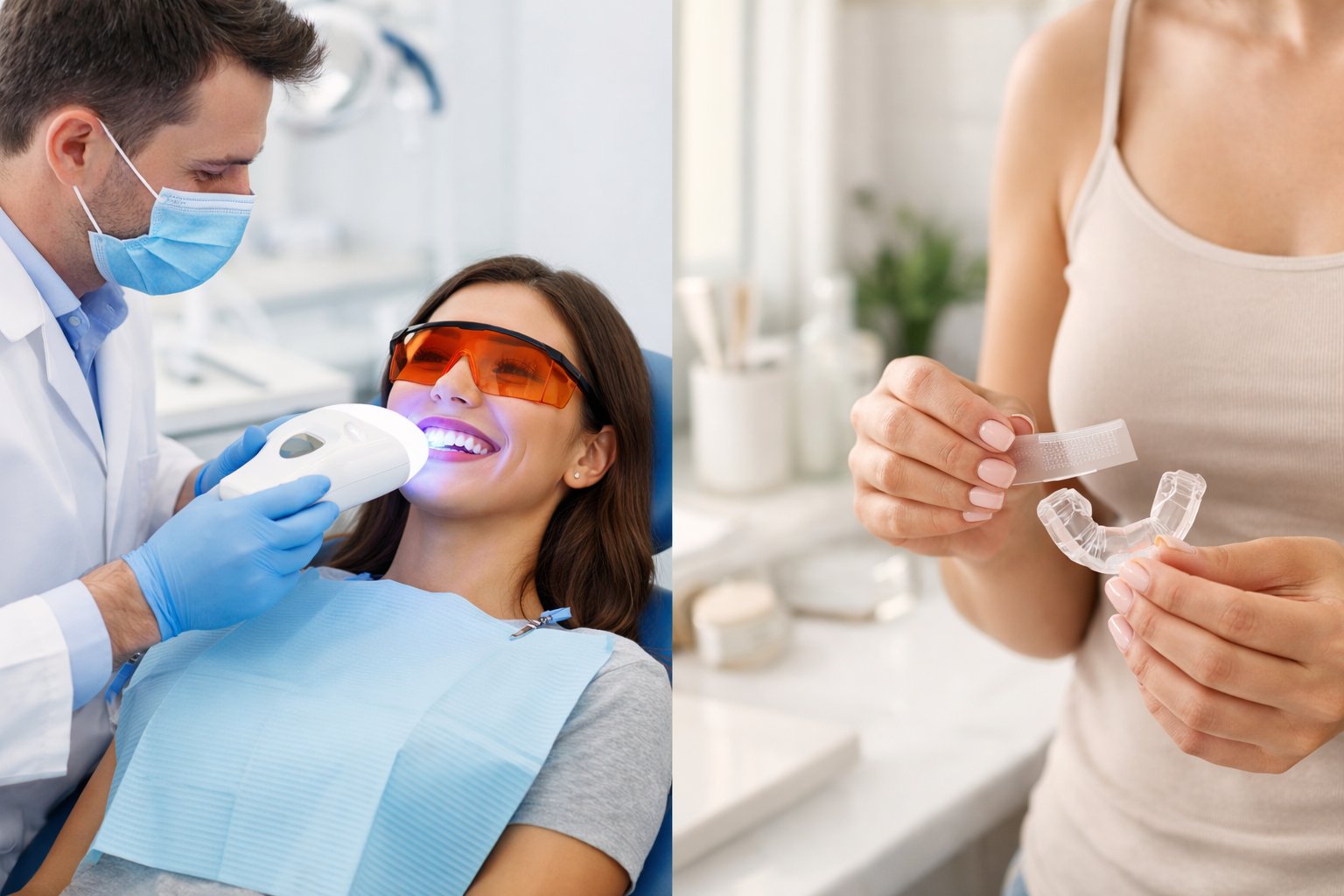
This post breaks down what each option does, how safe each one is, and which fits your budget and dental needs. You’ll get clear comparisons so you can pick the method that works best for your lifestyle and goals.
Key Takeaways
- Professional in-office whitening works fastest and usually shows the biggest change.
- At-home whitening costs less and fits into your schedule more easily.
- Choose based on desired speed, budget, and any dental sensitivity or concerns.
Comparing In-Office and At-Home Teeth Whitening Options
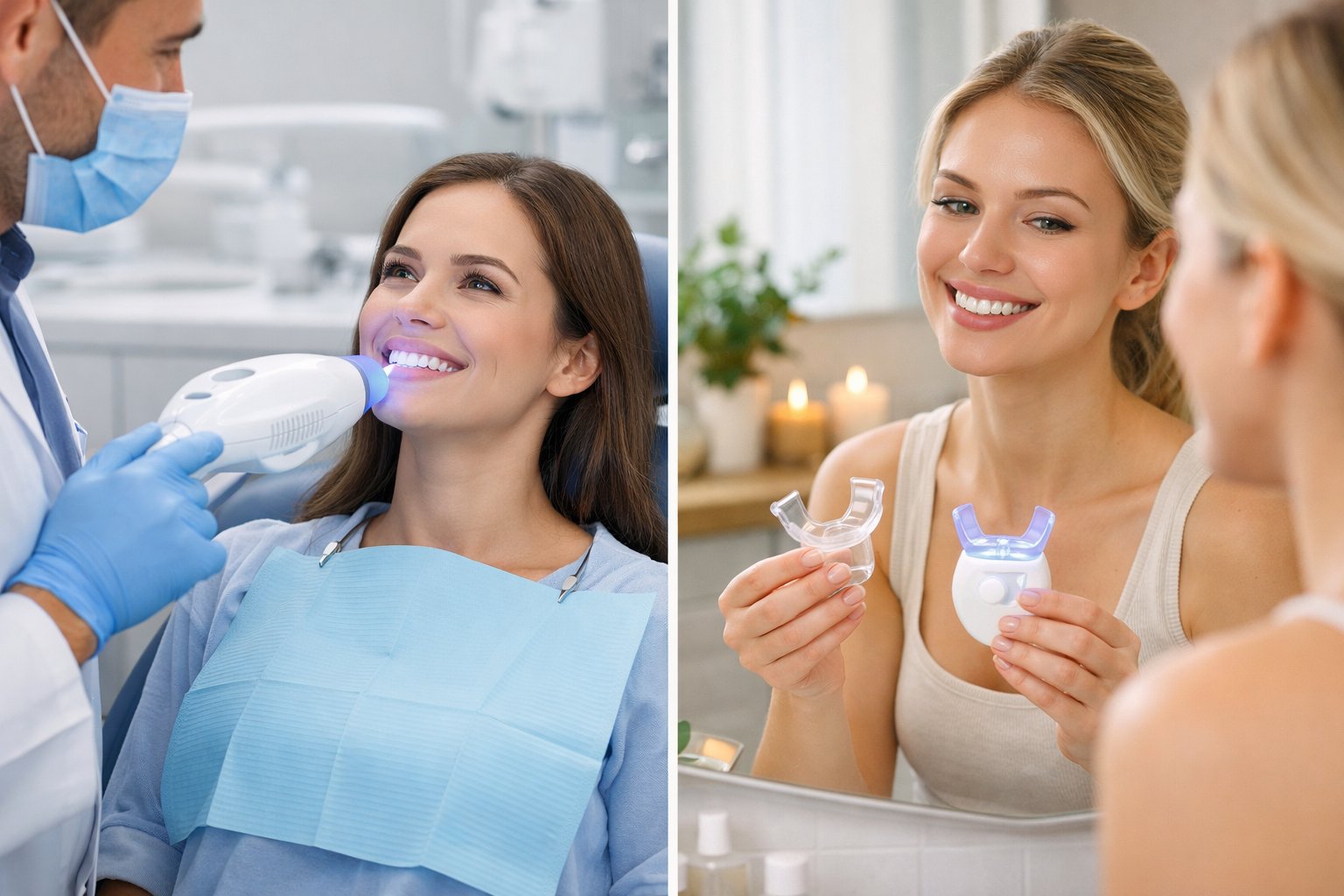
You’ll learn how each method works, what active ingredients they use, and what to expect for time, cost, and results. Read the details to pick the option that matches your schedule, sensitivity level, and budget.
How In-Office Teeth Whitening Works
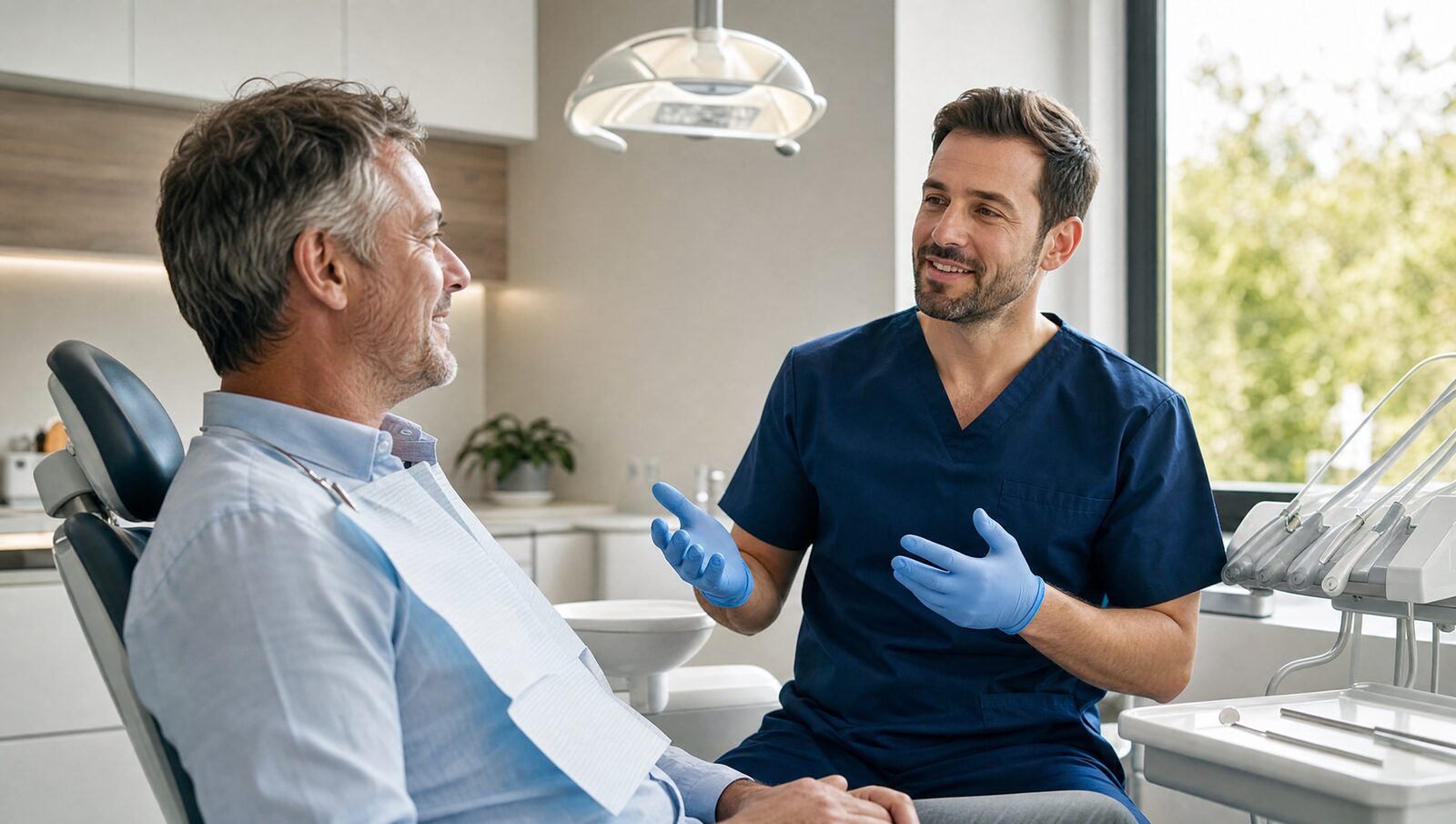
In-office teeth whitening uses professional-grade bleaching agents like hydrogen peroxide at higher concentrations than home products. Your dentist applies a protective barrier to gums, then places a peroxide gel on your teeth. Some offices use a light or heat source to speed the chemical reaction, though the light mainly helps activation rather than creating whitening on its own.
A typical session lasts 45–90 minutes and can lift several shades in one visit. You get trained staff, stronger peroxide gel, and custom isolation to reduce gum irritation. Expect higher cost but faster, more predictable results and professional monitoring for sensitivity or uneven whitening.
How At-Home Teeth Whitening Kits Work
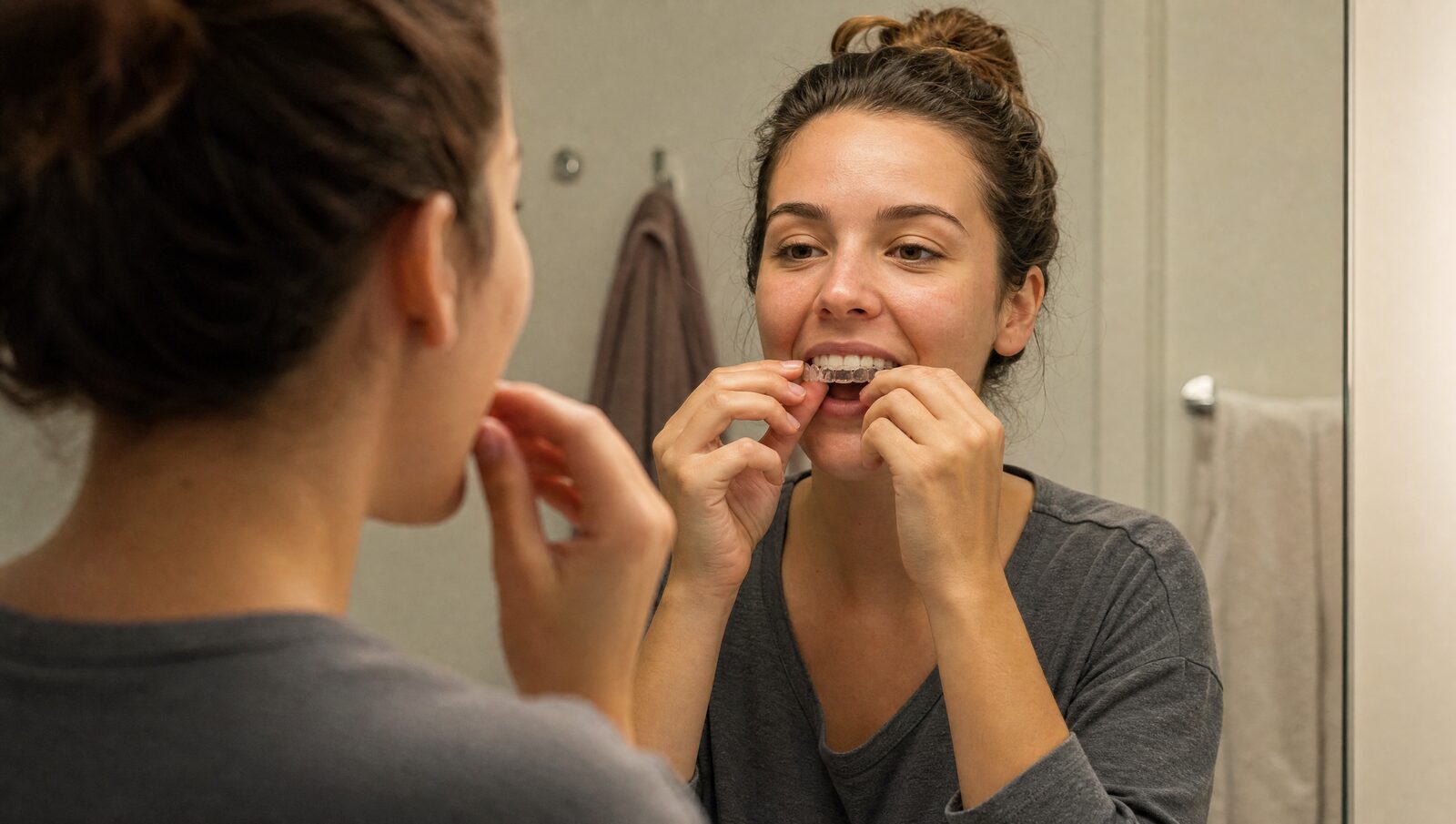
At-home whitening kits vary from over-the-counter strips and pens to dentist-provided custom-fitted trays with peroxide gel. OTC strips and pens contain lower concentrations of hydrogen peroxide or carbamide peroxide and work through repeated applications over days or weeks. Custom trays from your dentist use professional-strength peroxide at lower daily doses for safer, gradual whitening.
You apply whitening gel (peroxide gel) in trays or use strips for 10–60 minutes per session, depending on the product. Results take longer than in-office treatment but cost less. Expect milder sensitivity and the need for consistent use; custom trays offer better fit and even coverage than generic strips.
Effectiveness, Safety, and Suitability of Whitening Methods
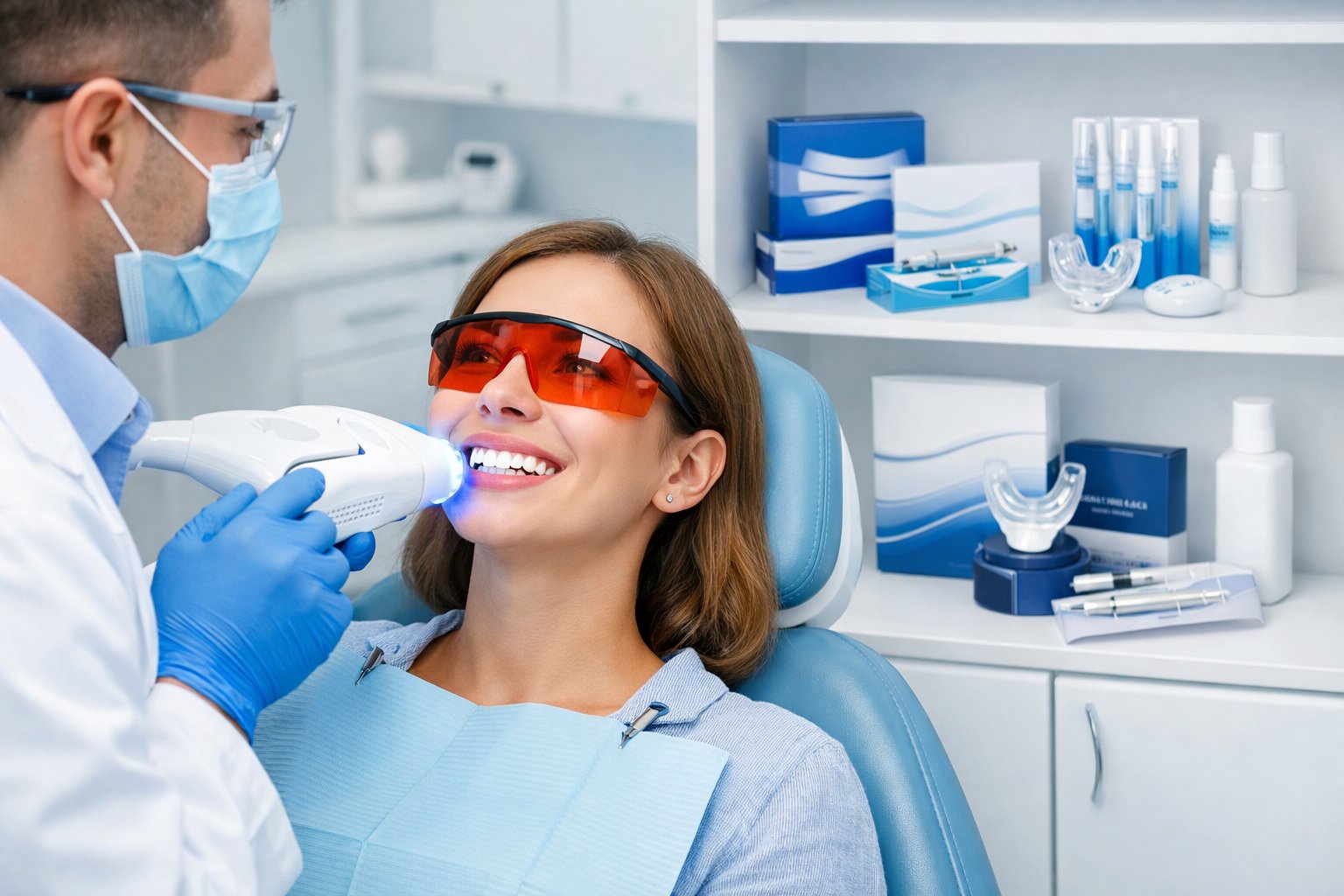
Professional in-office treatments deliver faster, stronger whitening while at-home options give slower, steadier results. Both can cause sensitivity and gum irritation, and neither changes the color of crowns or veneers.
Treatment Results and Whitening Longevity
In-office bleaching with higher-concentration peroxide usually produces the largest immediate change in tooth shade in one visit. You can expect several shades of lightening after a 30–90 minute session, especially for surface and many intrinsic stains from coffee or tobacco.
At-home options like custom trays with carbamide peroxide or over-the-counter strips, work more gradually. They often need days to weeks of use and can keep teeth lighter longer if you follow maintenance, like avoiding staining foods and regular dental cleanings.
Whitening toothpaste helps remove surface stains but won’t deeply change intrinsic discoloration or stubborn stains. Results for any method vary with initial tooth color, stain type, and your habits; touch-ups are common.
Common Side Effects and Sensitivity
Tooth sensitivity is the most frequent side effect of peroxide-based whitening. Sensitivity usually appears during treatment and fades days to weeks after finishing. You can reduce it with shorter application times, lower-peroxide products, or professional desensitizing treatments your dentist can apply.
Gum irritation can occur when whitening gel contacts soft tissue. Custom trays and careful placement during in-office sessions cut the risk. Abrasive whitening toothpastes can increase enamel wear and long-term sensitivity if used too often.
If you already have exposed dentin, thin enamel, or active gum disease, talk to your dentist first. They may recommend treating those issues or using gentler approaches to avoid worsening sensitivity.
Choosing the Best Option for Your Needs
Decide based on how quickly you want results, your budget, and your sensitivity. Choose in-office whitening if you need fast, noticeable brightening for an event or have stubborn intrinsic stains that over-the-counter products won’t budge.
Pick at-home custom trays or strips if you prefer lower cost and gradual whitening. Use whitening toothpaste for maintenance and stain control, not major color change. If you have sensitivity, ask about lower-concentration gels or desensitizing products to use before and after treatment.
Discuss realistic expectations with your dentist. They can match treatment to your tooth discoloration, and recommend a maintenance plan to keep your smile bright without repeated harsh treatments.
Limitations and Considerations for Dental Restorations
Whitening treatments affect natural tooth enamel, not restorations. Crowns, veneers, fillings, and bonded restorations will not lighten with peroxide. If you have restorations in visible areas, plan whitening first and then replace or match restorations for a uniform shade.
Repeated bleaching can alter the organic matrix of enamel and dentin if overused, increasing wear risk. Avoid highly abrasive products and high-RDA toothpastes for routine use to protect enamel.
Tell your dentist about crowns or veneers before treatment. They will coordinate teeth whitening with restoration work, use conservative approaches to limit sensitivity, and suggest safe maintenance steps to help you brighten your smile while protecting dental work.
Frequently Asked Questions
You will find clear comparisons of cost, speed, safety, and likely outcomes for both in-office and at-home whitening. The answers list typical price ranges, how long results last, treatment time, and common risks so you can pick what fits your needs.
What are the average costs for in-office teeth whitening procedures?
In-office whitening usually costs between $300 and $1,000 per session. Prices vary by clinic, location, and whether the treatment uses lights or extra products.
Some practices offer take-home trays from the dentist for $200–$400. Over-the-counter kits commonly cost $20–$100.
How does the effectiveness of at-home teeth whitening kits compare to in-office treatments?
In-office treatments typically produce faster and stronger whitening in one visit. Dentists use higher-concentration gels and professional techniques that remove deeper stains.
At-home kits can lighten teeth over days or weeks and work best on surface stains. Results tend to be less dramatic and may be uneven if products are misused.
Are there significant safety differences between at-home and in-office teeth whitening methods?
In-office whitening gives you professional supervision, which lowers the chance of complications like gum irritation. Dentists protect soft tissues and can adjust concentration for sensitive teeth.
At-home kits are safe when used as directed, but misuse raises the risk of sensitivity and gum burns. Overuse or leaving strips/trays on too long increases those risks.
What is the typical duration of treatment for in-office teeth whitening versus at-home options?
An in-office session usually takes 45–90 minutes and can deliver noticeable change in one visit. Some dentists schedule two short sessions spaced days apart.
At-home kits require daily use for 1–2 weeks or longer to reach full effect. Custom dentist trays used at home often need nightly wear for 1–2 weeks.
Can in-office teeth whitening provide results that are worth the additional cost compared to at-home solutions?
If you need a fast, predictable, and noticeably whiter result, in-office whitening often justifies the higher price. It suits special events or deeper stains that over-the-counter products can’t handle.
If you have minor surface staining and want a low-cost option, at-home kits can give acceptable improvement. Match your budget and urgency to the level of whitening you want.
How do the potential risks of in-office teeth whitening compare with those of DIY methods?
In-office risks are usually limited and short-lived, such as temporary tooth sensitivity or mild gum irritation. The dentist can manage these quickly.
DIY risks include stronger sensitivity, uneven color, and soft-tissue damage from improper fit or overuse. Following instructions and avoiding excessive application lowers those risks.