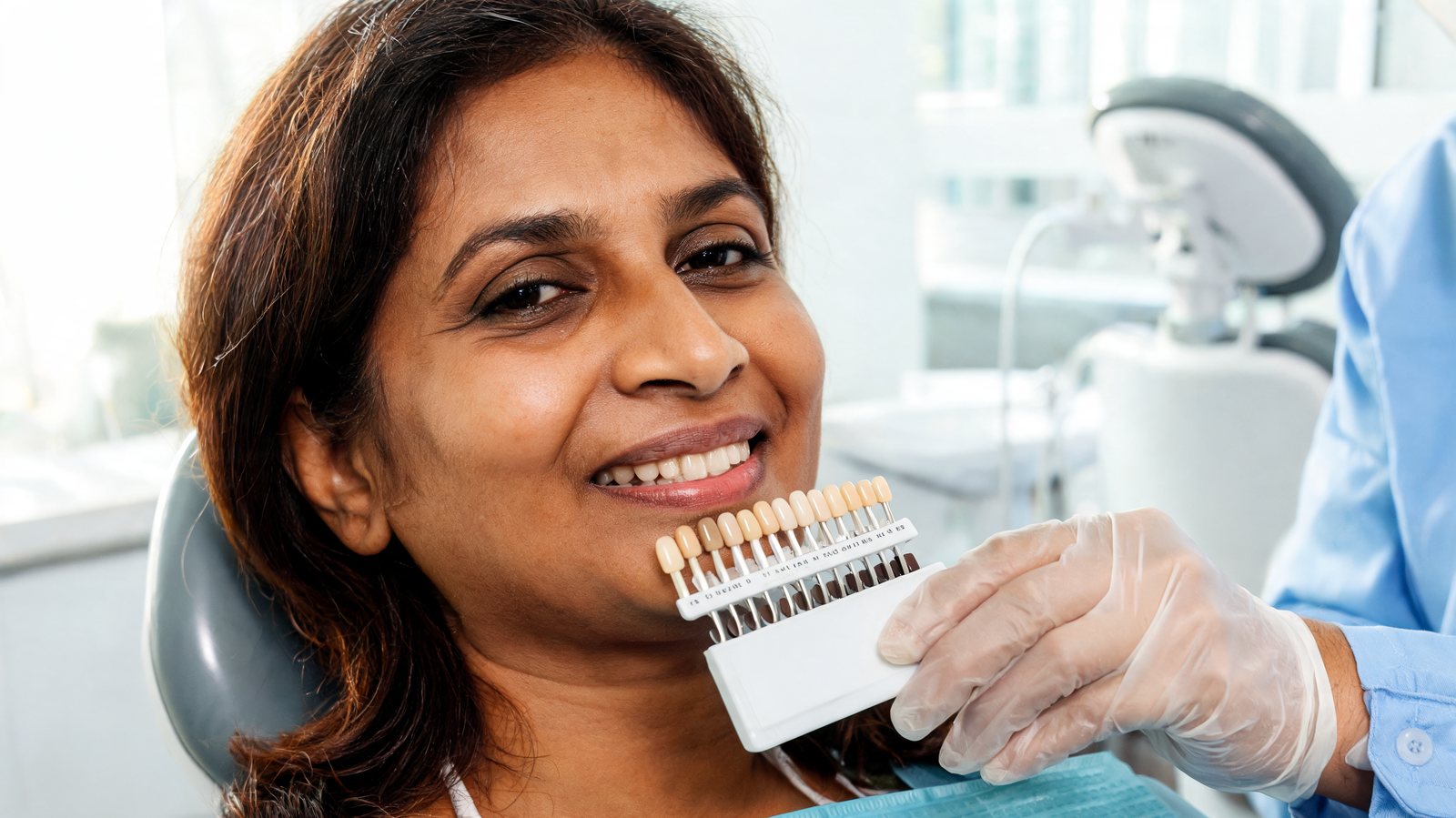
Many people want to improve their smile but feel unsure about which treatment to choose. Dental bonding and veneers are two popular options that fix chipped teeth, close gaps, and enhance your smile.
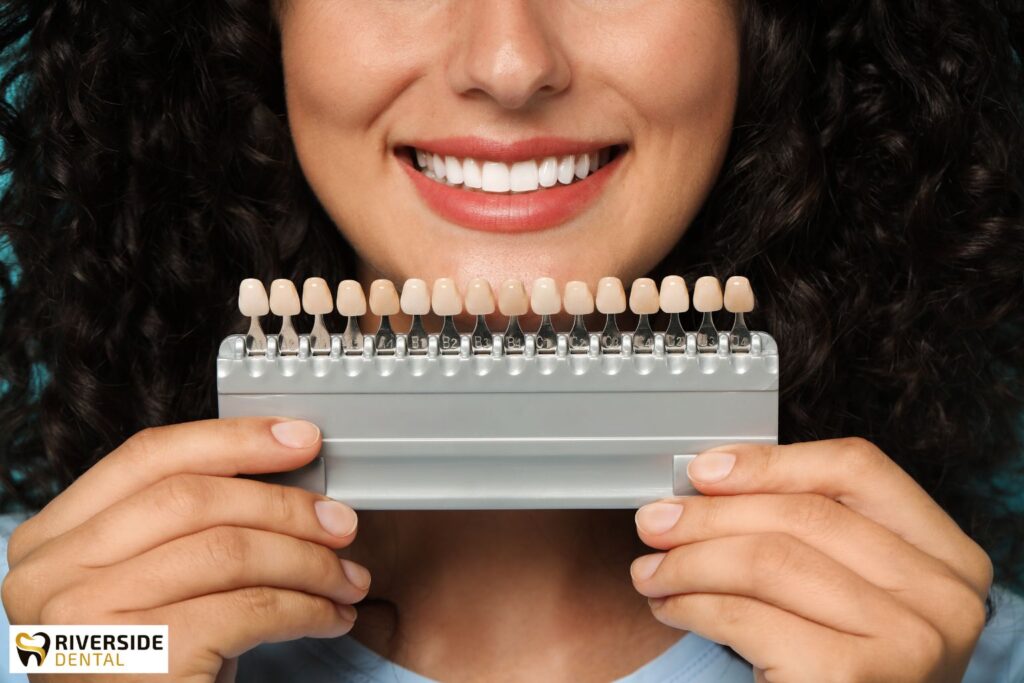
The main difference is that bonding uses a tooth-colored resin applied directly to your tooth in one visit. Veneers are thin shells made of porcelain or composite that cover the front of your teeth and require multiple appointments. Bonding is faster and costs less. Veneers last longer and look more natural.
Each option has benefits for different dental problems and goals.
Key Takeaways
- Bonding is quicker and cheaper, but veneers are more durable and natural-looking.
- Your choice depends on your budget, time, and how much improvement you want.
- Both treatments can fix similar problems but use different methods to improve your smile.
Key Differences Between Veneers and Bonding
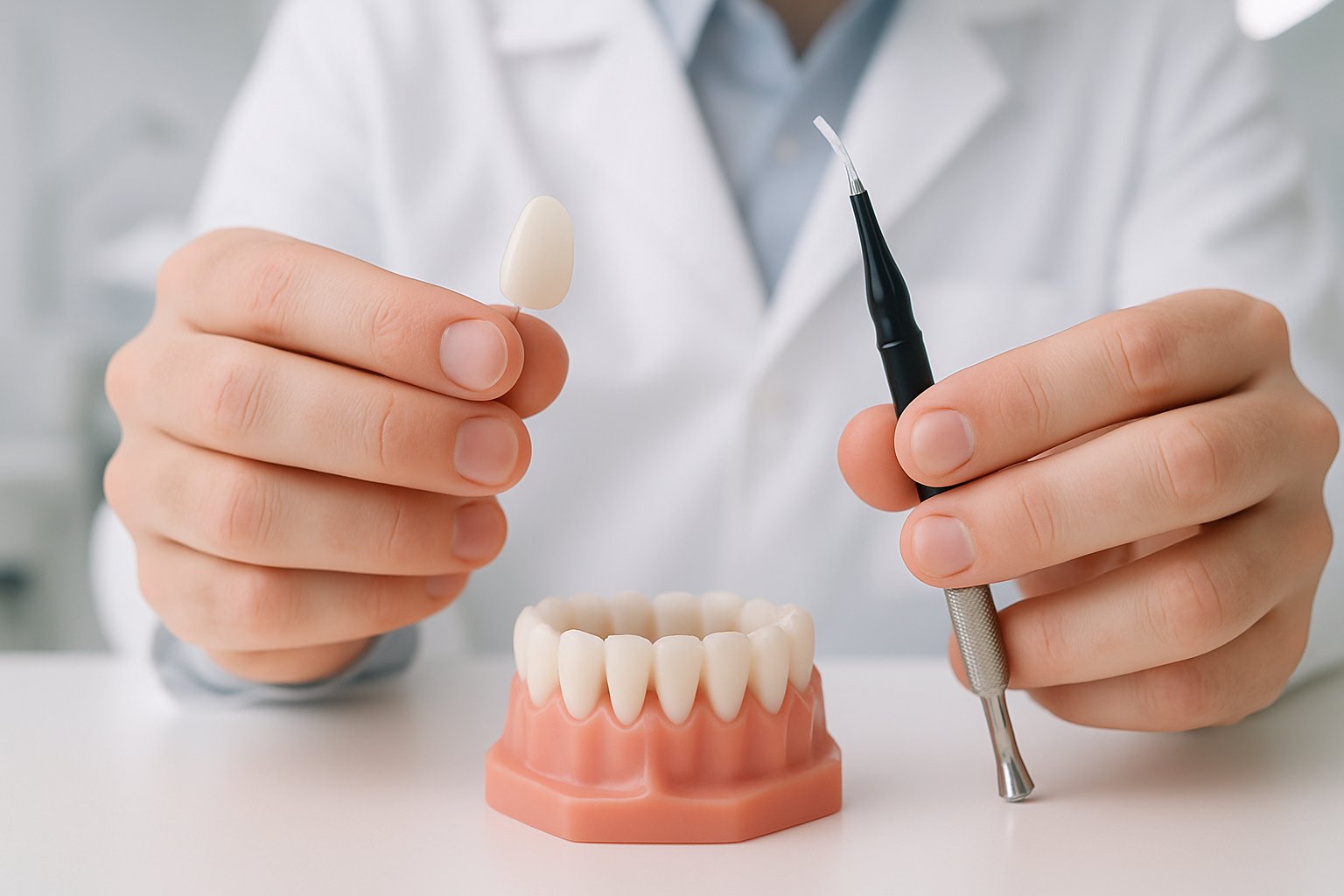
Veneers are thin shells made from porcelain or composite materials that cover the front surface of teeth. Dental bonding uses tooth-colored resin applied directly to teeth to fix chips, gaps, and discoloration.
What Are Veneers?
Dental veneers are custom-made covers that fit over the front of your teeth. Most veneers use porcelain, but some use composite materials.
Your cosmetic dentist removes a small amount of tooth enamel to make room for the veneer. This step makes the process permanent.
The dental procedure takes multiple visits. First, your dentist prepares your teeth and takes impressions.
A lab creates your custom veneers while you wear temporary ones. During your second visit, the dentist bonds the permanent veneers to your teeth.
The result looks natural and matches your other teeth.
What Is Dental Bonding?
Dental bonding uses composite resin applied directly to your tooth surface. The resin can fix small chips, close gaps, or change tooth shape.
Your dentist applies the resin in layers during a single visit. They shape the material while it’s soft.
A special light hardens each layer. The procedure requires little to no enamel removal.
Your dentist may roughen the tooth surface slightly to help the bonding material stick better. The process usually takes 30 to 60 minutes per tooth.
You leave the office with completed results the same day.
Comparison of Procedures and Materials
| Factor | Veneers | Bonding |
|---|---|---|
| Material | Porcelain or composite | Composite resin |
| Tooth removal | Yes, permanent | Minimal or none |
| Visits needed | 2-3 appointments | Single visit |
| Durability | 10-15 years | 7-10 years |
Porcelain veneers resist stains better than composite resin. The porcelain material stays white and bright for many years.
Dental bonding can stain from coffee, tea, and wine over time. The composite resin may chip more easily than porcelain.
Veneers cost more upfront but last longer. Bonding costs less but may need replacement sooner.
Choosing the Right Cosmetic Solution
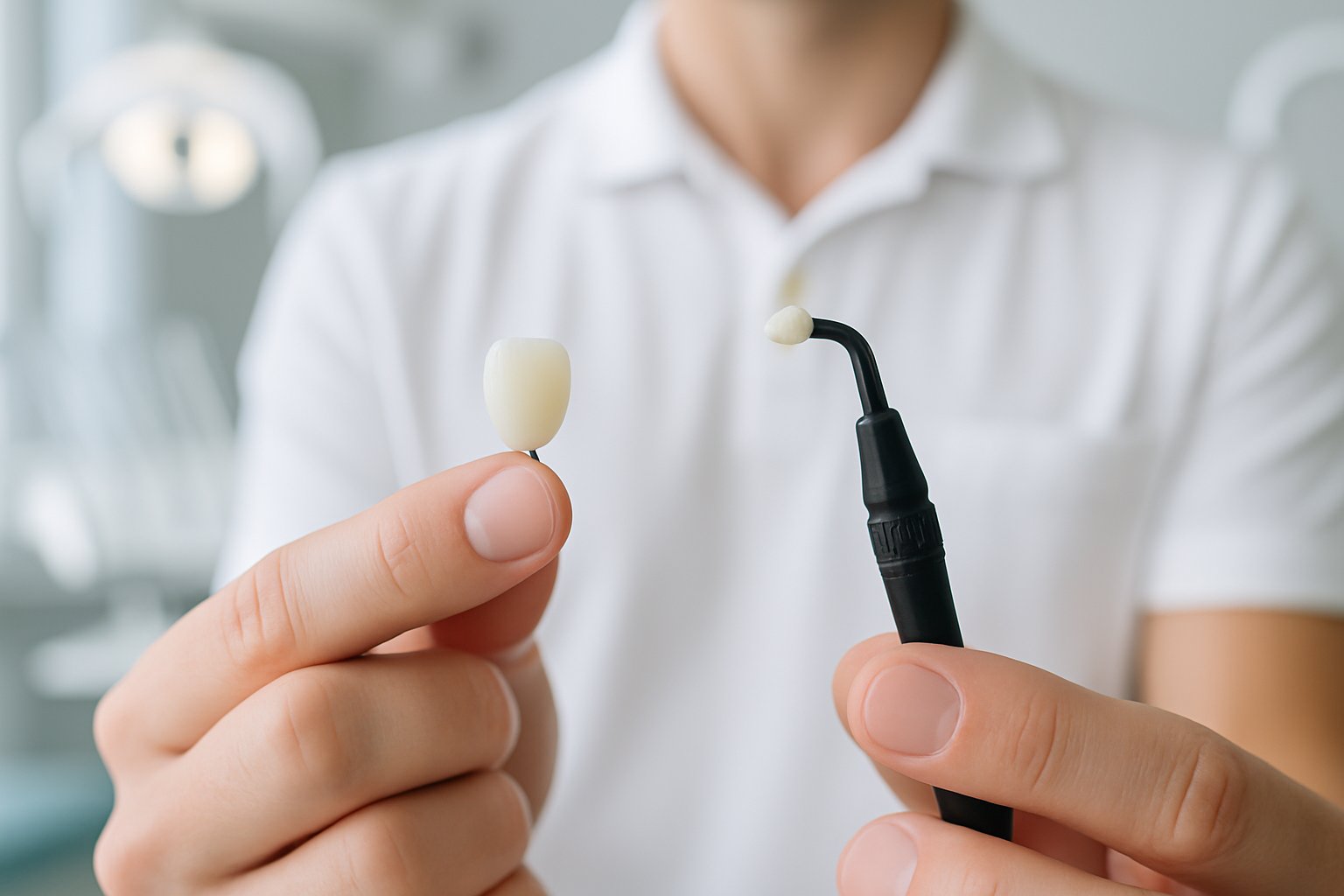
The best cosmetic dental treatment depends on your specific dental imperfections, budget, and long-term goals. Bonding and veneers both transform your smile, but they work best for different situations and offer varying results in durability and appearance.
Suitability for Different Dental Imperfections
Dental bonding works best for minor cosmetic issues. It can fix small chips, cracks, and gaps between teeth.
Bonding also helps with irregular tooth shapes and minor discoloration. Your dentist applies tooth-colored resin directly to your teeth.
The process takes one visit and costs less than veneers.
Veneers handle more serious dental imperfections. They cover severely stained teeth, large chips, and major shape problems.
Veneers can also fix crooked teeth without braces. Porcelain veneers give you a complete smile makeover.
They work well when you want to change multiple teeth at once. Veneers require removing some tooth enamel, making them permanent.
Longevity and Durability
Veneers last much longer than bonding. Porcelain veneers can last 10-15 years with proper care.
They resist stains and chips better than bonding material. Dental bonding typically lasts 3-7 years.
The resin material can chip, crack, or stain over time. You may need touch-ups or replacements more often.
Maintenance requirements differ:
- Veneers need regular dental checkups and good oral hygiene.
- Bonding requires avoiding hard foods and stain-causing drinks.
- Both treatments need careful brushing and flossing.
Your dentist can repair bonding more easily than veneers. Small bonding repairs take one visit.
Damaged veneers usually need complete replacement.
Aesthetics and Smile Makeover Outcomes
Veneers provide dramatic cosmetic results. Porcelain looks like natural tooth enamel and reflects light similarly.
You can choose the exact shade and shape you want. Veneers create uniform, movie-star smiles.
They hide visible flaws and give you perfectly shaped teeth. This makes them ideal for complete smile makeovers.
Bonding gives natural-looking results. The resin blends with your existing teeth.
This works well when you want subtle improvements.
Appearance differences include:
- Veneers: Highly polished, consistent color, perfect shape
- Bonding: Natural texture, slight color variations, tooth-like appearance
Cosmetic dentistry outcomes depend on your dentist’s skill. Veneers offer more predictable results for major changes.
Frequently Asked Questions
People often want to know about the cost differences, durability, and procedures involved with these two cosmetic dental treatments. Understanding maintenance needs and coverage options helps you make better decisions for your smile goals.
How do costs compare between dental bonding and porcelain veneers?
Dental bonding costs less than porcelain veneers. Bonding typically ranges from $100 to $400 per tooth.
Porcelain veneers cost more because they require custom lab work. You can expect to pay $800 to $2,000 per veneer.
The price difference comes from materials and procedures. Bonding uses composite resin applied directly to your tooth.
Veneers need specialized lab creation and multiple appointments.
Which treatment, bonding or veneers, offers greater durability?
Porcelain veneers last longer than dental bonding. Veneers typically last 10 to 15 years with proper care.
Dental bonding usually lasts 7 to 10 years. The composite resin chips more easily than porcelain.
Veneers resist stains better than bonding material.
Can dental bonding cover the entire tooth surface similarly to veneers?
Dental bonding works best for small areas and minor repairs. It fixes chips, cracks, and small gaps.
Veneers cover the entire front surface of your tooth. They provide complete coverage for smile makeovers.
Bonding cannot create dramatic transformations like veneers. It works better for targeted fixes.
What should one expect from the before and after appearance with bonding versus veneers?
Both treatments create natural-looking results. Veneers generally offer a more polished finish because dental labs make them.
Bonding provides good improvement for minor flaws. The results blend well with your natural teeth.
Veneers can achieve more dramatic changes in tooth shape and color. They offer greater customization options.
Are there significant differences in the procedures for applying bonding versus veneers?
Dental bonding takes one appointment. Your dentist applies the resin material directly to your tooth and shapes it.
Veneers require multiple visits. Your dentist takes impressions, prepares your teeth, and places temporary veneers while the lab creates your custom ones.
Bonding needs minimal tooth preparation. Veneers require removing a small amount of tooth enamel for proper fit.
What are the long-term maintenance requirements for bonding compared to veneers?
Both treatments require regular dental checkups and good oral hygiene.
Brush your teeth twice a day and floss regularly.
Bonding may need more frequent touch-ups or replacements. Coffee, tea, and certain foods can stain the bonding material.
Veneers resist stains better. However, you still need to care for them.
Avoid biting hard objects. If you grind your teeth, use a night guard.