
Dental fillings are one of the most common dental procedures performed in the United States. Yet most people know surprisingly little about what goes into them.
If your dentist has mentioned you need a filling, or if you are simply trying to stay informed about your options, knowing the difference between materials can directly affect your comfort, your budget, and how long your restoration lasts.
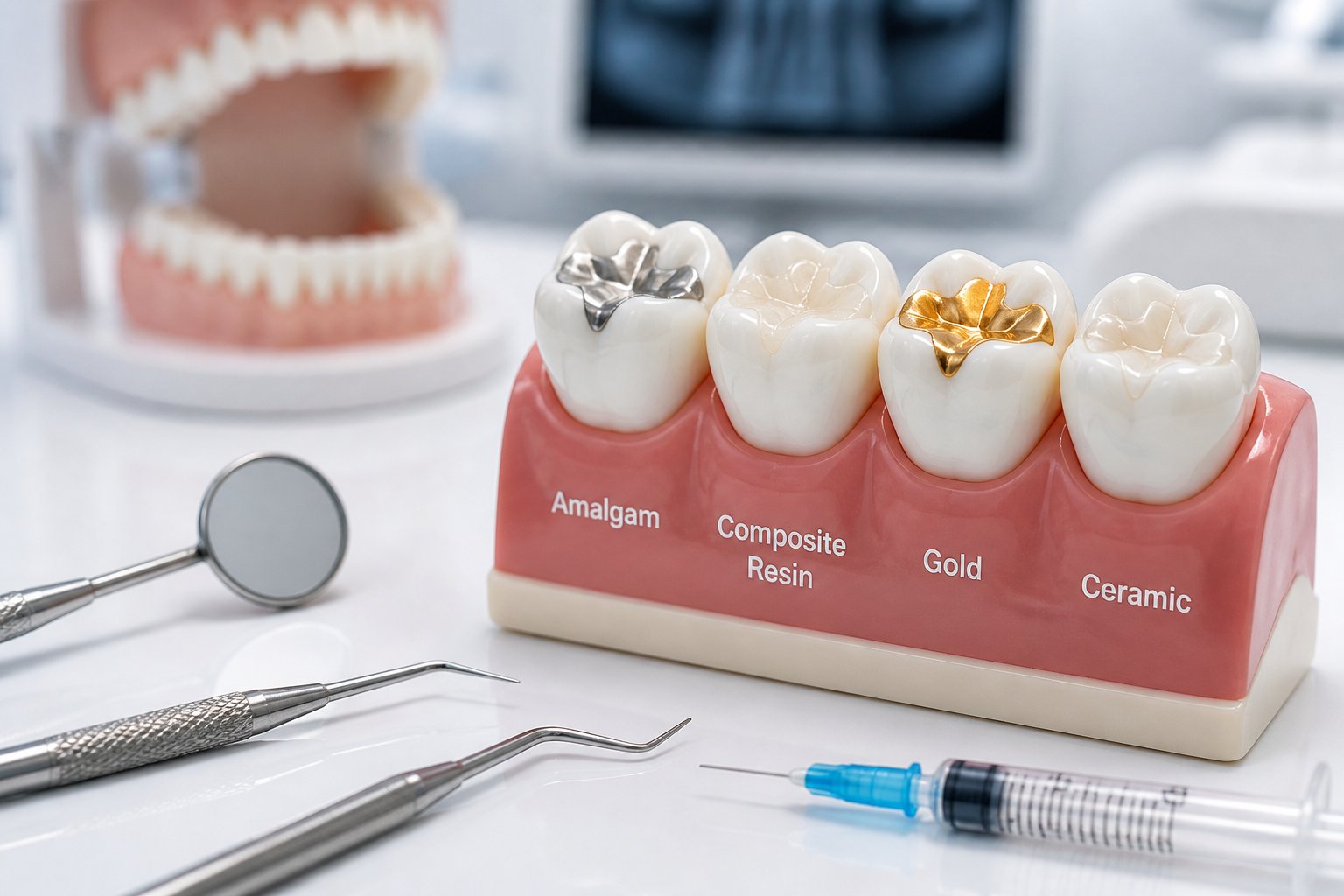
The material used in your filling affects everything from its appearance to its durability, and the right choice depends on factors specific to your tooth, your bite, and your lifestyle. This article breaks down each filling type, walks you through the treatment process, and gives you the practical information you need to have a confident conversation with your dentist.
Whether you are dealing with a small cavity on a front tooth or a larger area of decay on a back molar, the choices available today are more varied and more capable than they were even a decade ago. Understanding your options puts you in a much stronger position to make a decision you will be satisfied with long term.
Key Takeaways
- Different filling materials carry distinct trade-offs in appearance, durability, and cost that make some a better fit for certain teeth than others.
- The filling procedure is straightforward and well-controlled, with effective numbing that makes the experience far more comfortable than most people expect.
- How you care for a filling after placement plays a significant role in how many years it remains intact and functional.
What A Dental Filling Does
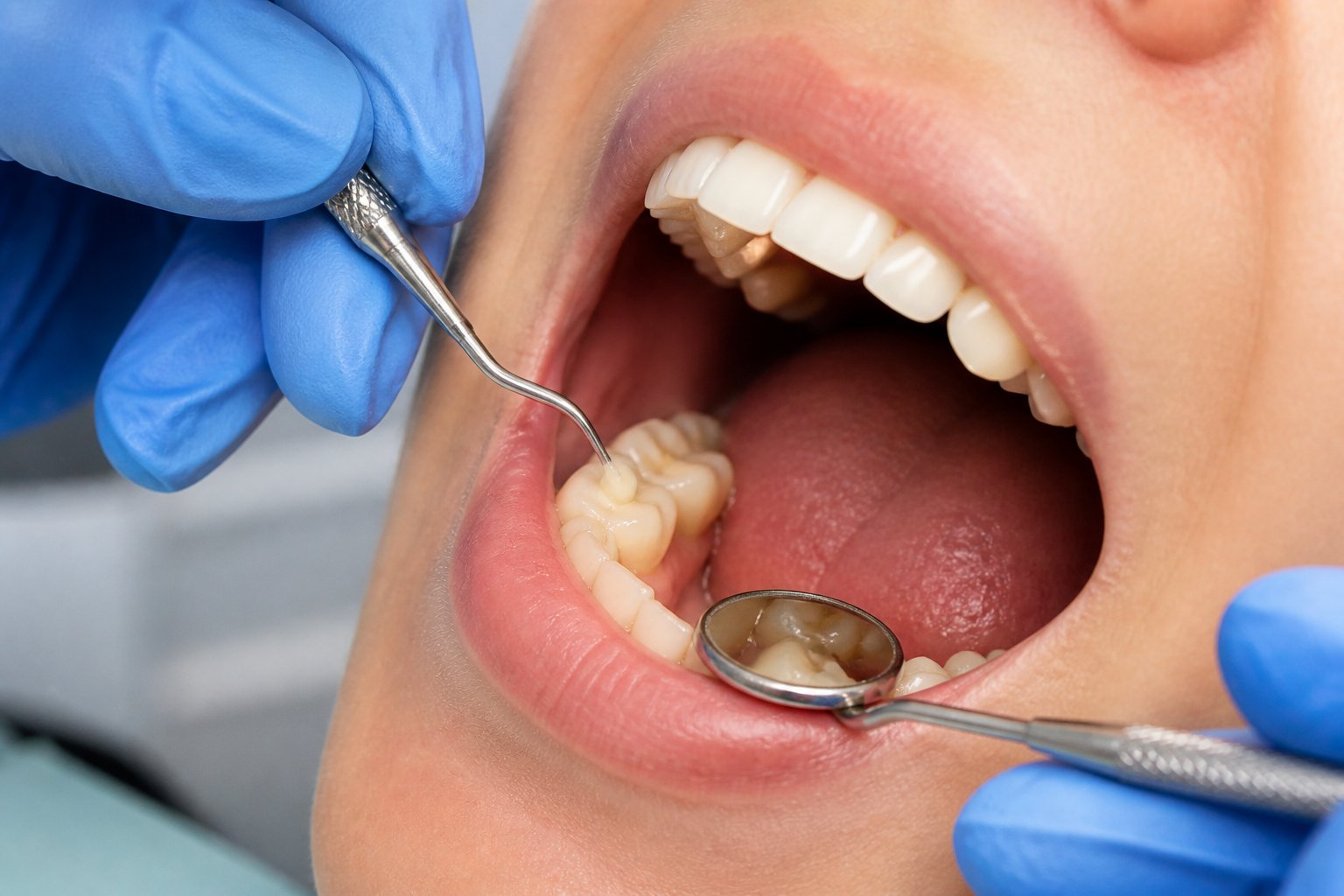
A filling restores a tooth that has been damaged by decay, fracture, or wear. It replaces the lost or removed tooth structure with a durable material that allows the tooth to function normally again.
Without a filling, a damaged tooth continues to deteriorate, often leading to more serious and costly problems.
When A Filling Is Recommended
Your dentist will typically recommend a filling when decay has created a cavity in your tooth enamel or dentin, but the damage has not yet reached the pulp. Fillings are also used to repair cracked or chipped teeth, as well as teeth that have worn down from grinding or nail biting.
Early-stage decay detected during a routine exam is one of the most common reasons a dentist will flag a tooth for a filling.
Problems A Filling Can Prevent
Leaving a cavity untreated allows bacteria to reach deeper layers of the tooth. Once decay reaches the pulp, the infection can spread, requiring a root canal or extraction.
A timely filling stops that progression and protects the surrounding tooth structure from further breakdown.
When A Filling May Not Be Enough
If decay is extensive or the tooth has lost a significant portion of its structure, a filling alone may not provide enough support. In these cases, your dentist may recommend a crown to fully cover and protect the tooth.
Cracks that extend below the gumline or into the root also typically require more advanced treatment than a filling can address.
Common Filling Materials
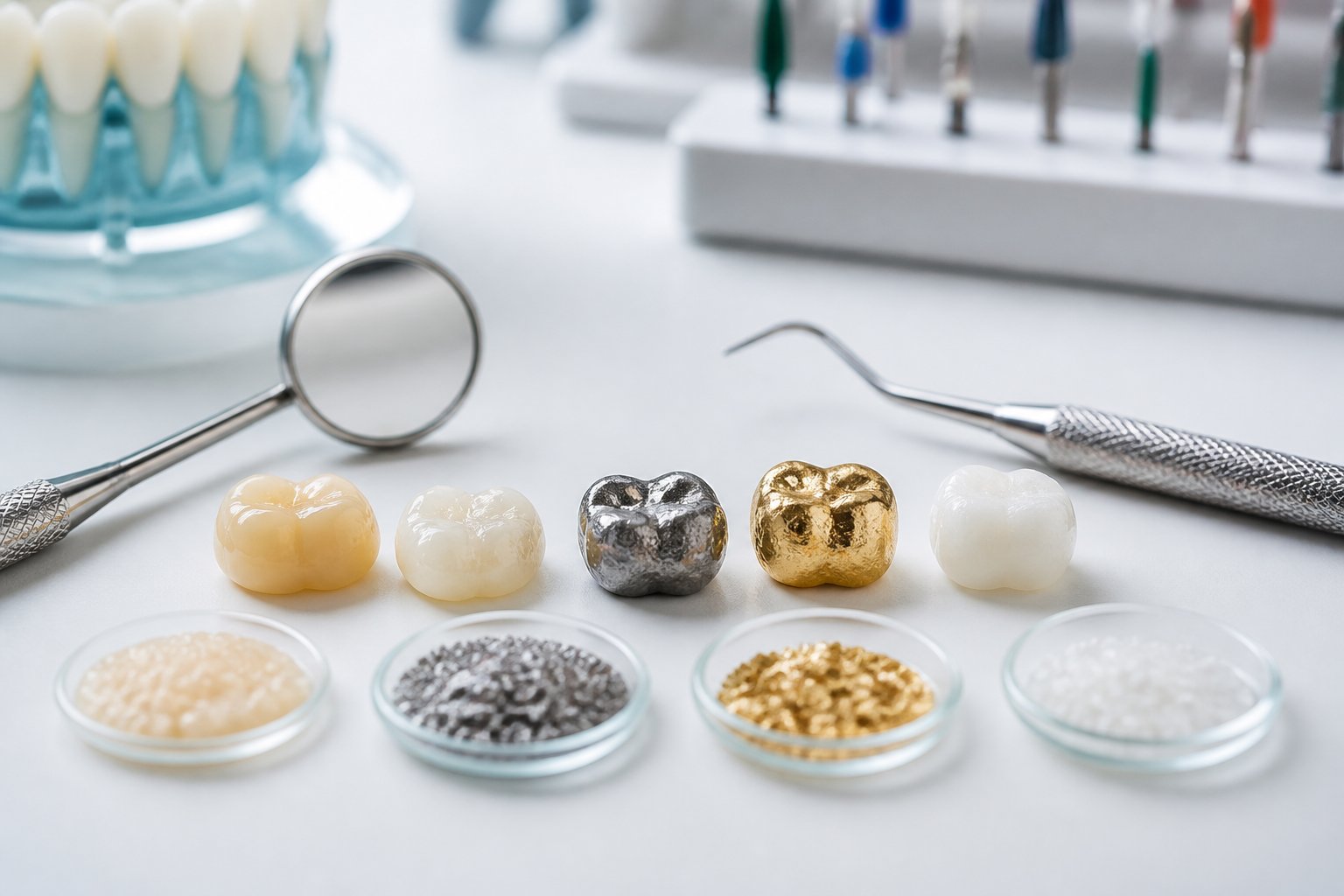
Five main materials are used for dental fillings today, each with a distinct set of properties that make it more suitable for certain situations. Your dentist will consider the size and location of the cavity, your bite pressure, and your cosmetic preferences when recommending a material.
Composite Resin
Composite resin is a tooth-colored material made from a blend of plastic and fine glass particles. It bonds directly to the tooth surface, which allows the dentist to remove less healthy tooth structure during preparation.
Composite is the most popular choice for visible teeth because it blends naturally with your enamel, and it can be shaded to match your exact tooth color. It typically lasts 7 to 10 years, though that range varies with oral hygiene habits and bite forces.
Amalgam
Amalgam, often called a silver filling, is a mixture of metals including silver, tin, copper, and mercury. It has been used in dentistry for over 150 years and remains one of the most durable options available, lasting 10 to 15 years or longer in many cases.
Amalgam is strong enough to handle the heavy chewing forces on back teeth, and it is generally less expensive than most alternatives. Its silver color makes it visually noticeable, which is why it is rarely used on front teeth.
Gold
Gold fillings, which may be cast gold or gold alloy inlays and onlays, are exceptionally durable and can last 15 to 30 years with proper care. Gold is well-tolerated by gum tissue and does not corrode over time.
The trade-offs are cost and appearance; gold fillings are among the most expensive options and require more than one dental visit to complete.
Ceramic
Ceramic fillings, often made from porcelain, are tooth-colored and highly resistant to staining compared to composite resin. They are typically fabricated in a lab and bonded to the tooth, making them a strong and aesthetically refined option.
Ceramic restorations can last 15 years or more, though they are brittle under heavy impact and tend to cost more than composite.
Glass Ionomer
Glass ionomer is a softer, translucent material that releases fluoride over time, which can help protect the surrounding tooth from further decay. It bonds directly to the tooth and is often used for fillings near the gumline, for baby teeth, or in areas that do not face heavy chewing forces.
Its durability is lower than composite or amalgam, with an average lifespan of around 5 years, making it less suitable for high-stress areas.
How Dentists Compare Your Options
Choosing a filling material is not purely a personal preference decision. Your dentist evaluates several clinical factors before making a recommendation, and the best outcome comes from weighing all of them together rather than focusing on any single variable.
Tooth Location And Bite Pressure
Where the tooth sits in your mouth heavily influences which material will perform well. Back teeth, particularly molars and premolars, absorb the strongest chewing forces.
Amalgam and gold handle those pressures reliably. Front teeth and those visible when you smile are better suited to composite or ceramic, where color matching matters more than maximum strength.
Appearance And Color Match
If you want a filling that is invisible to others, tooth-colored materials such as composite resin and ceramic are your realistic options. Composite can be precisely shaded to blend with your existing enamel.
Ceramic restorations tend to hold their color slightly longer because they resist staining from coffee, tea, and wine more effectively than composite over time.
Durability And Expected Lifespan
Gold and amalgam generally outlast composite and glass ionomer, particularly in areas of high bite pressure. Composite has improved significantly in recent years but still typically falls short of metal options in raw longevity.
If you are looking for a restoration that will likely last decades, gold or high-quality ceramic inlays are worth the additional investment.
Budget And Insurance Factors
Amalgam is typically the least expensive filling material, followed by composite. Gold and ceramic tend to cost significantly more, partly because of material costs and, in the case of gold and some ceramics, because multiple visits are required.
Many dental insurance plans cover amalgam and composite at similar rates, but coverage for ceramic or gold restorations may be limited. Practices like Riverside Dental accept most insurance plans and can help you clarify what your specific coverage includes before you commit to a material.
What To Expect During Treatment
A dental filling appointment is typically efficient and far less uncomfortable than most people anticipate. From start to finish, the process involves several distinct steps, each with a clear purpose that contributes to a restoration that fits properly and lasts.
Exam And Diagnosis
Before any work begins, your dentist examines the affected tooth using visual inspection, a dental explorer, and X-rays. X-rays are especially useful for detecting decay between teeth or beneath the enamel surface where it is not visible to the eye.
Once the extent of the decay is confirmed, your dentist will discuss material options and the treatment plan with you.
Numbing And Tooth Preparation
Local anesthetic is applied to the area around the tooth to eliminate discomfort during the procedure. Most patients feel only mild pressure once the numbing takes effect.
The dentist then removes the decayed tissue using a dental drill, laser, or air abrasion tool, depending on the size and location of the cavity.
Placement And Shaping
With composite resin, the material is applied in layers and hardened with a special curing light after each layer. For amalgam, the mixture is packed into the cavity and shaped before it hardens on its own.
Once the filling is placed, your dentist will check your bite and make adjustments so the restoration feels natural when you close your teeth together.
Recovery And Short-Term Sensitivity
It is normal to experience some sensitivity to hot, cold, or pressure for a few days after the procedure. This typically resolves on its own.
You should avoid very hard foods on the treated side for at least 24 hours, and with amalgam, you may be advised to wait slightly longer before eating on that side since it takes longer to fully harden than composite.
How To Choose The Right Material
The right filling material for you comes down to a combination of clinical need and personal priorities. No single material is universally best, but there are strong patterns for which types work well in specific situations.
Questions To Ask Your Dentist
Before settling on a material, ask your dentist which options are clinically appropriate for the size and location of your cavity. Then ask about the expected lifespan of each option, what the cost difference looks like with your insurance, and whether the preparation required for one material removes more healthy tooth structure than another.
These four questions give you a practical framework for comparing your choices without guesswork.
Best Choices For Front Teeth
Front teeth are visible when you speak and smile, so appearance is a priority. Composite resin is the most widely used material for front teeth because it can be color-matched precisely and blends naturally with surrounding enamel.
Ceramic is a strong alternative for larger restorations on front teeth, particularly if stain resistance matters to you.
Best Choices For Back Teeth
Molars and premolars need to withstand significant chewing force. Amalgam remains a proven, cost-effective option for back teeth.
Composite has become increasingly capable for posterior teeth as the material has improved, and many patients prefer it for its appearance even on teeth that are not easily visible. Gold inlays and onlays are worth considering for large restorations where maximum durability is the goal.
Special Considerations For Children And Adults
For children with baby teeth, glass ionomer is frequently used because it releases fluoride and the tooth will eventually be lost anyway, making longevity less critical. Adults with a history of heavy grinding may benefit from harder materials like amalgam or gold, and should also discuss whether a night guard would help protect their fillings.
Patients with metal sensitivities should mention this to their dentist, as composite or ceramic alternatives are available.
Caring For Fillings Over Time
A well-placed filling can last many years, but how you maintain it day to day makes a real difference. Good habits extend the life of your restoration, while neglect accelerates wear and can lead to complications that require additional treatment.
Daily Habits That Help Fillings Last
Brush twice daily with a fluoride toothpaste and floss at least once a day, including around the edges of your filled teeth. Avoid using your teeth as tools to open packaging, and if you grind at night, wearing a custom night guard significantly reduces the stress placed on your fillings.
Limit sticky or extremely hard foods that can dislodge or crack a restoration over time.
Warning Signs Of Wear Or Failure
Pay attention to changes in how your filling feels. Sensitivity that returns after months of having none, a sensation that your bite has shifted, or pain when chewing can all signal that a filling is wearing down or has cracked.
A visible gap or roughness along the edge of the filling is also worth flagging at your next appointment.
When A Filling Needs Repair Or Replacement
Fillings do not last forever. A dentist can detect early signs of failure during a routine exam, often before you notice any symptoms.
If a filling has cracked, developed secondary decay underneath, or worn to the point that it no longer seals the tooth properly, it will need to be replaced. Catching these issues early almost always means a simpler and less expensive fix than waiting until symptoms appear.
Frequently Asked Questions
What are the main types of dental fillings, and how do they differ?
The five main types are composite resin, amalgam, gold, ceramic, and glass ionomer. They differ in material composition, appearance, durability, cost, and the clinical situations in which they perform best.
Composite is tooth-colored and widely used for visible teeth, while amalgam and gold are preferred for high-pressure areas like molars.
Which filling materials are considered permanent, and what are their pros and cons?
No filling is truly permanent, but gold and amalgam are among the longest-lasting options. Gold restorations can last up to 30 years in some cases.
Gold is biocompatible and highly durable but expensive and requires multiple visits. Amalgam is affordable and strong but contains metals and is visually noticeable.
How much do dental fillings typically cost, and what factors influence the price?
Cost varies depending on the material, the size of the cavity, and your geographic location. Amalgam fillings tend to be the least expensive, while gold and ceramic restorations cost significantly more.
Dental insurance often covers a portion of the cost. The number of tooth surfaces involved in the filling also affects the final price.
What happens during a standard dental filling procedure from start to finish?
Your dentist will examine the tooth and take X-rays to confirm the extent of decay. Local anesthetic is administered to numb the area.
The decayed tissue is removed, the filling material is placed and shaped, and your bite is adjusted. The entire appointment typically takes under an hour for a straightforward cavity.
Does getting a tooth filled hurt, and what pain control options are available?
The procedure itself is not painful when local anesthetic is used effectively. You may feel pressure or vibration from the drill.
Some post-procedure sensitivity is normal for a few days. Patients with dental anxiety can discuss additional comfort options with their dentist, including topical numbing gel applied before the injection.
How long do fillings usually last, especially on front teeth, and what affects their lifespan?
Composite fillings on front teeth typically last 7 to 10 years. Proper care can extend that range.
Factors that shorten a filling’s lifespan include teeth grinding and poor oral hygiene. Consuming highly acidic or sugary foods frequently can also decrease longevity.
Skipping regular dental checkups means early wear may go unnoticed and unaddressed.