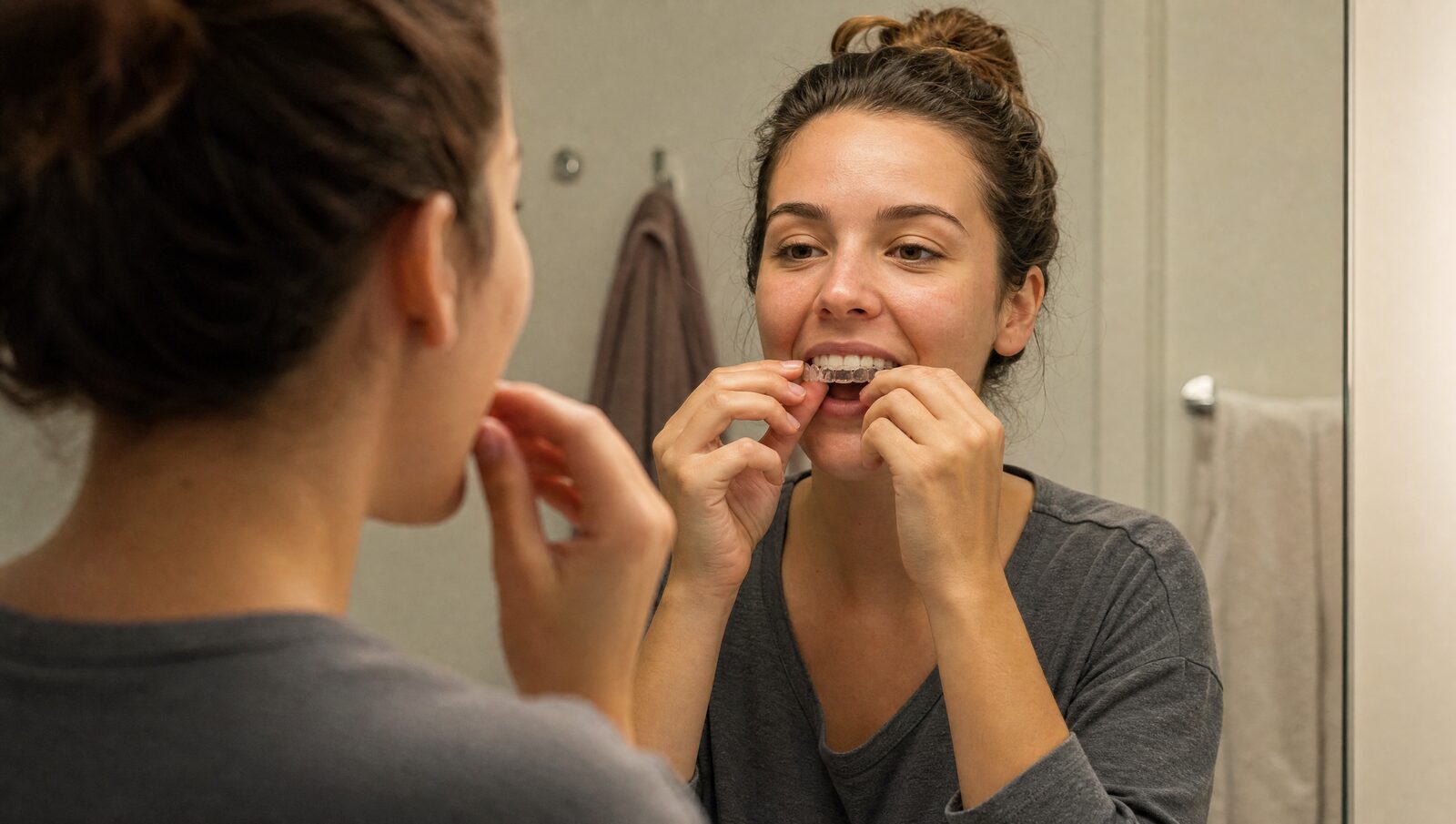
Stress is something most people feel in their shoulders, their sleep, or their mood. What catches many people off guard is how much of that tension quietly settles into their mouth.
Tooth pain with no clear cause, gums that bleed more than usual, a jaw that aches in the morning — these are not random. They are often the mouth’s way of signaling that the body has been under pressure for too long.
The connection between chronic stress and oral health is direct, measurable, and frequently overlooked until real damage has already begun.
You do not have to be grinding your teeth loudly at night to feel the effects. Even low-level, persistent stress changes your hormone levels, disrupts your immune response, and shifts your daily habits in ways that quietly erode your dental health.
If you have been noticing unexplained sensitivity, recurring sores, or a jaw that never fully relaxes, stress may be a bigger factor than you realize. If you are in the Sherman Oaks area and want a professional set of eyes on what is happening in your mouth, Riverside Dental welcomes new patients and can be reached at (818) 784-5889.
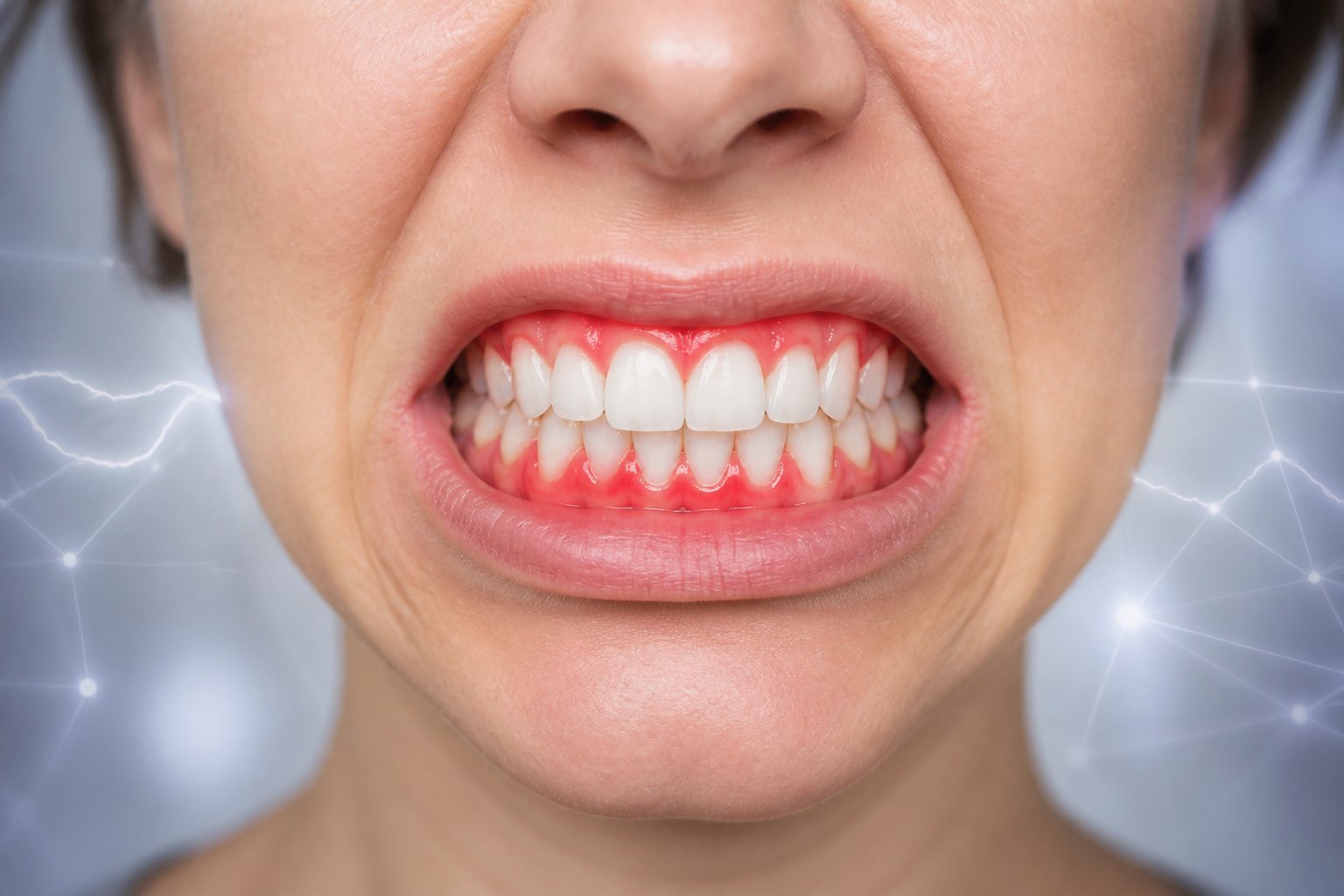
Understanding what stress does to your teeth and gums puts you in a much stronger position to stop the damage before it compounds.
Key Takeaways
- Chronic stress triggers hormonal and immune changes that directly harm your teeth, gums, and jaw.
- Common signs like grinding, bleeding gums, and dry mouth are often stress-related and treatable.
- Maintaining consistent dental habits and scheduling timely checkups can prevent stress from causing lasting oral damage.
The Link Between Stress And Oral Health
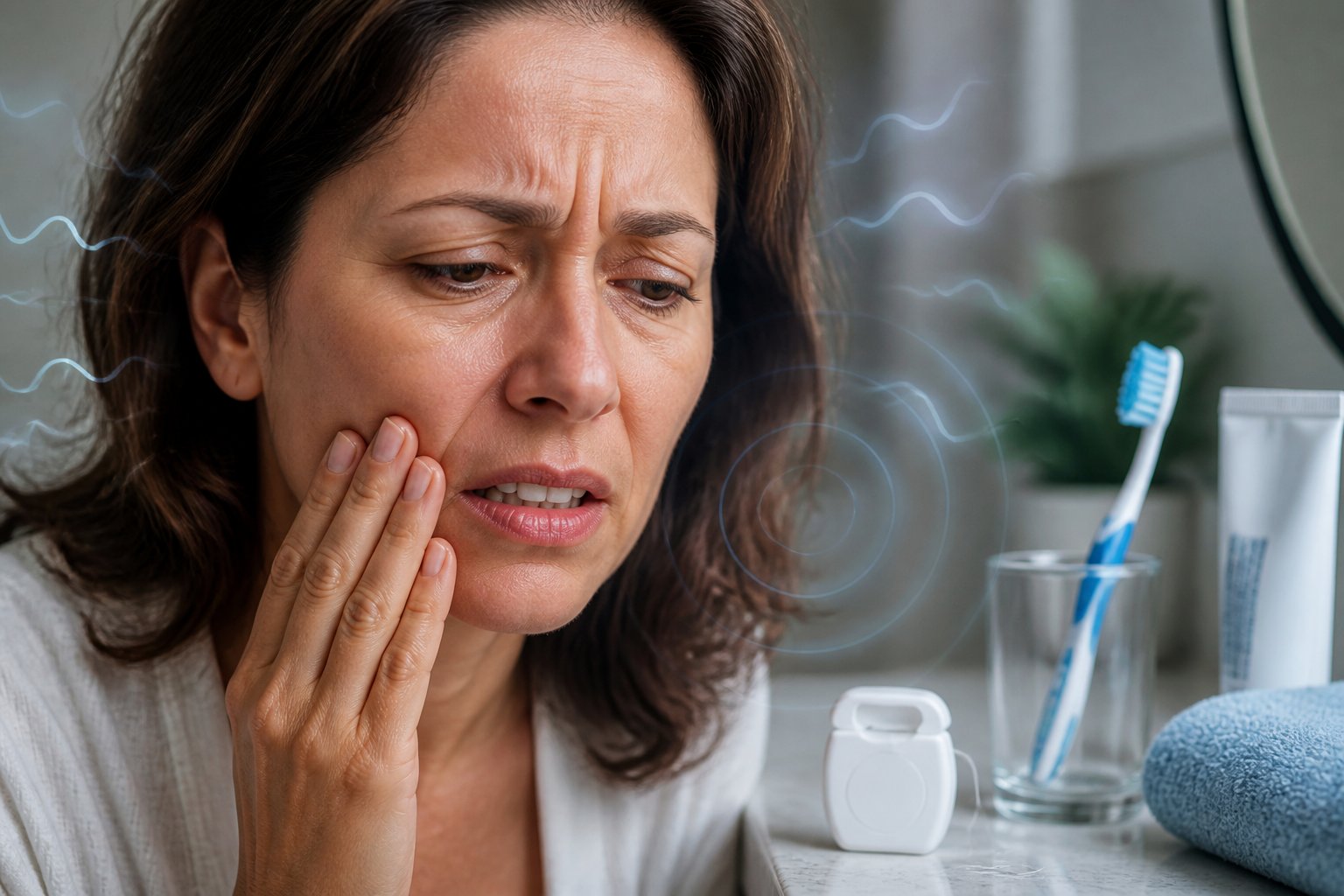
When stress becomes chronic, it sets off a chain of physiological events that reach well beyond your mental state. Elevated cortisol suppresses immune function, fuels inflammation, reduces saliva production, and tightens the muscles around your jaw.
All of these changes create conditions where your mouth struggles to stay healthy.
How The Body Responds To Ongoing Stress
When you are stressed, your body releases cortisol and adrenaline as part of its fight-or-flight response. Short bursts of this response are normal and manageable.
The problem begins when stress is sustained over weeks or months. Persistently elevated cortisol suppresses your immune system’s ability to fight bacteria in the mouth, increases systemic inflammation, and reduces the production of saliva.
Less saliva means less natural rinsing of the teeth and gums, which allows bacteria and acid to accumulate far more easily.
Why The Mouth Often Shows Early Warning Signs
The mouth is densely supplied with nerves, blood vessels, and soft tissue that respond quickly to changes in the body’s chemistry. Gum tissue in particular is sensitive to inflammatory signals, meaning that when cortisol levels stay elevated, the gums often show visible changes before other parts of the body do.
Jaw muscles also react to stress by staying tense, sometimes for hours without you noticing. That sustained muscular tension leads to clenching and grinding, which places forces on teeth far beyond what normal chewing produces.
Dentists who work with patients regularly often spot the signs of stress-related damage, such as worn biting surfaces or flattened cusps, before patients are even aware there is a problem.
Signs Stress May Be Harming Your Smile
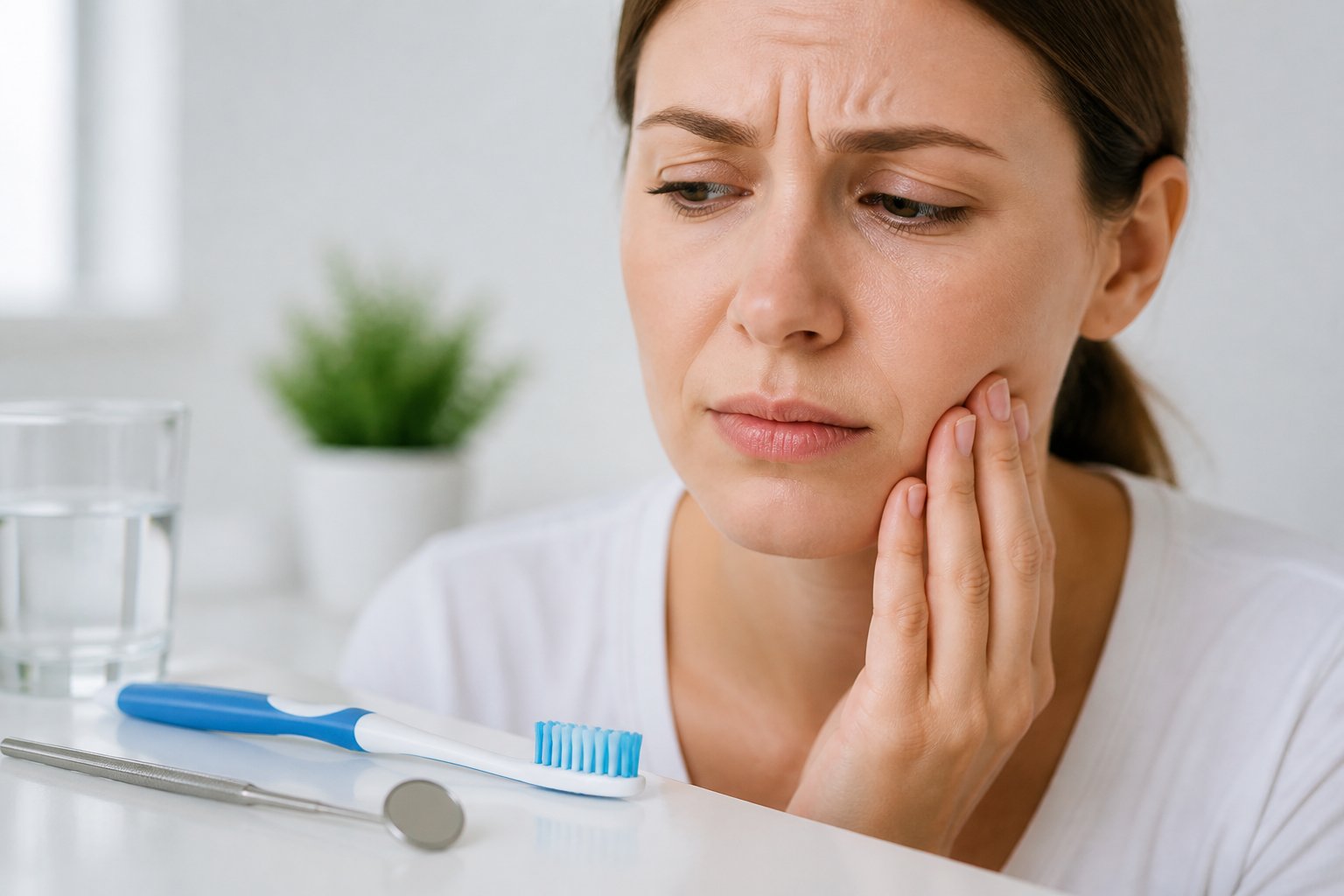
Stress-related dental symptoms are often mistaken for unrelated issues. The signs range from muscular and structural problems to soft tissue changes that many people dismiss as minor irritations.
Jaw Clenching And Teeth Grinding
Bruxism, the clinical term for teeth grinding and jaw clenching, is one of the most well-documented responses to psychological stress. Many people do it during sleep and only become aware of it through jaw soreness in the morning, headaches near the temples, or a partner mentioning the noise.
Even daytime clenching, which tends to happen during concentration or frustration, adds significant cumulative pressure on your teeth. The forces generated by grinding can be three to ten times greater than normal chewing forces.
Over time, this flattens and chips the biting surfaces of your teeth.
Bleeding Gums And Increased Sensitivity
Gums that bleed during brushing or flossing are not something to brush off. Stress-related immune suppression makes it harder for your body to control the bacteria that cause gum inflammation.
The gums become more reactive, swell more easily, and bleed with less provocation than they normally would. Tooth sensitivity can also increase during stressful periods.
Grinding wears away enamel and exposes the underlying dentin, which transmits temperature and pressure to the nerve much more readily. If your teeth feel more sensitive than usual and nothing has changed in your diet or hygiene routine, stress-driven grinding is worth considering.
Dry Mouth, Canker Sores, And Bad Breath
Cortisol directly reduces saliva production. A drier mouth means less buffering of acid, less natural antimicrobial activity, and less flushing of food particles from tooth surfaces.
The result is a higher-risk environment for both cavities and gum disease. Canker sores, those small painful ulcers that appear on the inside of the cheeks or lips, occur significantly more often during periods of stress.
Stress does not directly create them, but it weakens the mucosal immune defenses that normally keep them in check. Bad breath often accompanies dry mouth, since saliva is essential for controlling odor-causing bacteria.
Common Dental Problems Tied To Chronic Tension
Long-term stress does not just cause temporary discomfort. Without intervention, it can lead to structural damage and disease that require extensive treatment to correct.
The three most clinically significant outcomes are enamel erosion and cracking, progressive gum disease, and accelerated tooth decay.
Enamel Wear, Cracks, And Tooth Damage
Enamel is the hardest substance in the human body, but it is not designed to withstand the repetitive, high-force contact that bruxism produces. Years of grinding gradually wear down the biting surfaces of the back teeth, shortening them and making the smile look uneven.
Front teeth can develop chips or cracks at the edges. Cracks are particularly serious because they are not always visible and can extend deep into the tooth structure over time.
Cracked tooth syndrome produces sharp, unpredictable pain that can be difficult to diagnose without a thorough clinical examination.
Gum Inflammation And Higher Risk Of Periodontal Disease
Chronic stress keeps cortisol elevated, and elevated cortisol is directly associated with worsened gum inflammation. Research consistently shows that people under sustained psychological stress have a higher prevalence of periodontal disease than those who manage stress effectively.
The mechanism is twofold. First, immune suppression reduces the body’s ability to control the bacterial population in the gum pockets around teeth.
Second, elevated inflammation throughout the body amplifies the gum’s own inflammatory response to bacteria. Gums that might have responded to better hygiene alone under normal conditions may continue to deteriorate despite your best efforts.
Tooth Decay Linked To Dry Mouth And Daily Habits
Reduced saliva flow creates a prolonged acidic environment on tooth surfaces. Saliva normally neutralizes acid from food and bacteria within minutes of exposure.
When saliva production drops, that neutralization is slower and less complete, leaving enamel exposed to acid for longer periods. Stress also tends to push people toward sugary and acidic foods and drinks, which compounds the problem considerably.
Caffeine, a common coping tool during stressful periods, also suppresses saliva production and contributes further to dry mouth and decay risk.
How Stress Changes Daily Dental Habits
Beyond the direct physiological effects, stress reshapes your behavior in ways that quietly undermine your dental care routine. The habits you rely on to keep your teeth and gums healthy are often the first things that slip when life becomes overwhelming.
Skipping Brushing, Flossing, Or Routine Visits
When you are exhausted, overwhelmed, or anxious, a two-minute brushing routine can feel like a task you barely have energy for. Flossing is even more commonly skipped during stressful periods.
Over time, these gaps allow plaque to accumulate and harden into tartar, which requires professional removal and contributes to both decay and gum disease. Dental appointments are also frequently postponed when stress is high.
People tell themselves they will reschedule when things calm down, but that delay allows developing problems to progress. A small area of gum inflammation caught at a six-month cleaning is a very different conversation from advanced periodontal disease that went unchecked for two years.
Sugar Cravings, Acidic Drinks, And Other Coping Behaviors
Stress reliably increases cravings for sugar. This is partly physiological, as cortisol signals the brain to seek quick energy, and partly habitual.
Frequent snacking on sweets or processed carbohydrates creates extended acid exposure on tooth surfaces throughout the day. Alcohol, soda, energy drinks, and even sparkling water are common stress-period staples that are acidic and drying to the mouth.
Smoking and tobacco use, which increase dramatically for some people under stress, are among the most significant risk factors for gum disease and oral cancer. Each of these behaviors compounds the physiological harm that stress is already causing at the hormonal level.
Ways To Protect Your Mouth During Stressful Periods
Protecting your oral health during high-stress periods does not require a complete lifestyle overhaul. Targeted, consistent habits can meaningfully reduce the damage stress causes, even when the source of stress itself cannot be eliminated right away.
At-Home Steps To Reduce Strain On Teeth And Gums
Start with the basics, because they work. Brushing twice a day with a fluoride toothpaste and flossing once daily removes the bacterial load that stress-related immune suppression can no longer keep in check as effectively.
These habits matter most precisely when they are hardest to maintain. Staying well-hydrated helps counter dry mouth by supporting saliva production.
Rinsing with water after acidic foods or drinks limits how long acid stays in contact with enamel. Reducing caffeine and alcohol, even moderately, supports healthier saliva levels.
Stress management practices such as regular physical activity, consistent sleep, and breathing exercises directly lower cortisol levels. When cortisol drops, the immune response in the gums improves, jaw muscles are less likely to stay clenched, and saliva production rebounds.
When A Night Guard Or Professional Evaluation May Help
If you wake up with jaw soreness, facial muscle fatigue, or headaches, or if your teeth are becoming more sensitive without another explanation, a custom night guard may be one of the most protective tools available to you. A night guard creates a physical barrier between your upper and lower teeth during sleep, absorbing grinding forces before they reach your enamel.
Custom-fitted guards, made from dental impressions, provide better coverage and retention than over-the-counter options. They are not a cure for bruxism, but they prevent the structural damage from accumulating while you address the underlying stress.
Pairing a night guard with consistent dental monitoring gives you the most complete protection during prolonged stressful periods.
When To Schedule A Dental Checkup
Knowing when to move from self-monitoring to professional evaluation is important. Some stress-related dental symptoms are manageable with improved home care, but others signal that damage is already underway and needs clinical attention.
Symptoms That Should Not Be Ignored
Certain signs should prompt you to book an appointment without waiting for your next scheduled visit. These include:
- Jaw pain or soreness that persists through the morning
- Teeth that feel loose or have shifted position
- Gums that bleed consistently during brushing or flossing
- Visible chips, cracks, or significant flattening of biting surfaces
- Tooth pain or sensitivity that does not have an obvious cause
- Persistent dry mouth, especially if accompanied by difficulty swallowing
- Canker sores or oral lesions that do not heal within two weeks
These are not symptoms to monitor indefinitely. Each one can signal a condition that worsens with time.
How Early Care Can Prevent Bigger Problems
Catching stress-related oral health issues early makes a significant clinical and financial difference. Gum inflammation identified before it progresses to bone loss can often be reversed with a professional deep cleaning and improved home care.
Enamel wear noticed before it reaches the dentin can be protected with a night guard and fluoride treatment. Cracks identified early can sometimes be stabilized before they require crowns or more extensive intervention.
A dentist who knows your history can also serve as a sounding board for whether the changes you are seeing in your mouth are consistent with a stress response. At a practice like Riverside Dental in Sherman Oaks, the team is accustomed to explaining exactly what they are seeing and why, so you leave with a clear picture of your current oral health and a realistic plan for protecting it.
Frequently Asked Questions
Can stress cause tooth pain even when there is no obvious dental problem?
Yes, stress can produce real tooth pain in the absence of any structural dental issue. Chronic stress tightens the muscles of the jaw and face, which can create referred pain that feels localized to specific teeth.
Additionally, elevated cortisol can sensitize the trigeminal nerve, which serves the teeth and gums, making pain signals more intense even without a physical cause like a cavity or crack.
Can anxiety or chronic stress lead to teeth grinding or clenching, and what damage can it cause?
Anxiety and chronic stress are among the primary triggers for bruxism, which is the clinical term for teeth grinding and jaw clenching. Many people grind during sleep without realizing it, only noticing the effects through morning jaw soreness, worn teeth, or increased sensitivity.
Over time, untreated bruxism flattens and chips the biting surfaces of teeth, can cause cracks in the enamel and deeper tooth structure, and places excessive strain on the jaw joint.
Can stress increase the risk of gum inflammation or bleeding gums?
Stress elevates cortisol, which suppresses the immune system’s ability to control the bacteria that cause gum inflammation. This means your gums become more reactive to the same bacterial load they could normally manage more effectively.
Gums affected by stress-related immune suppression tend to bleed more easily during brushing, swell more noticeably, and progress toward periodontal disease faster than they would in a lower-stress state.
Can stress contribute to tooth decay by affecting saliva flow or oral bacteria?
Cortisol reduces saliva production, which directly increases decay risk. Saliva neutralizes acid, washes away food particles, and delivers minerals that help remineralize enamel.
When saliva flow drops, acid from bacteria and food lingers on tooth surfaces much longer, creating conditions where cavities develop more readily. Stress also shifts the bacterial composition in the mouth in ways that favor more acidic, decay-causing strains.
Can stress make existing dental issues, like cavities or gum disease, feel worse?
Stress amplifies the body’s inflammatory response, which means existing gum disease or areas of decay may feel more painful or sensitive during high-stress periods. Immune suppression also allows bacterial populations to grow more aggressively, which can accelerate the progression of conditions that were previously stable.
Can severe or long-term stress contribute to loose teeth or tooth loss?
Severe and long-term stress, particularly when it leads to advanced periodontal disease, can contribute to loose teeth and eventual tooth loss.
The mechanism is the destruction of the bone and connective tissue that anchor teeth in the jaw, driven by chronic bacterial infection and worsened by the immune suppression that sustained stress produces.
Teeth do not loosen overnight; this represents months or years of unchecked inflammation.