Gum recession happens when your gum tissue pulls away from your teeth, exposing the roots underneath. It usually develops slowly, so you might not notice it at first.
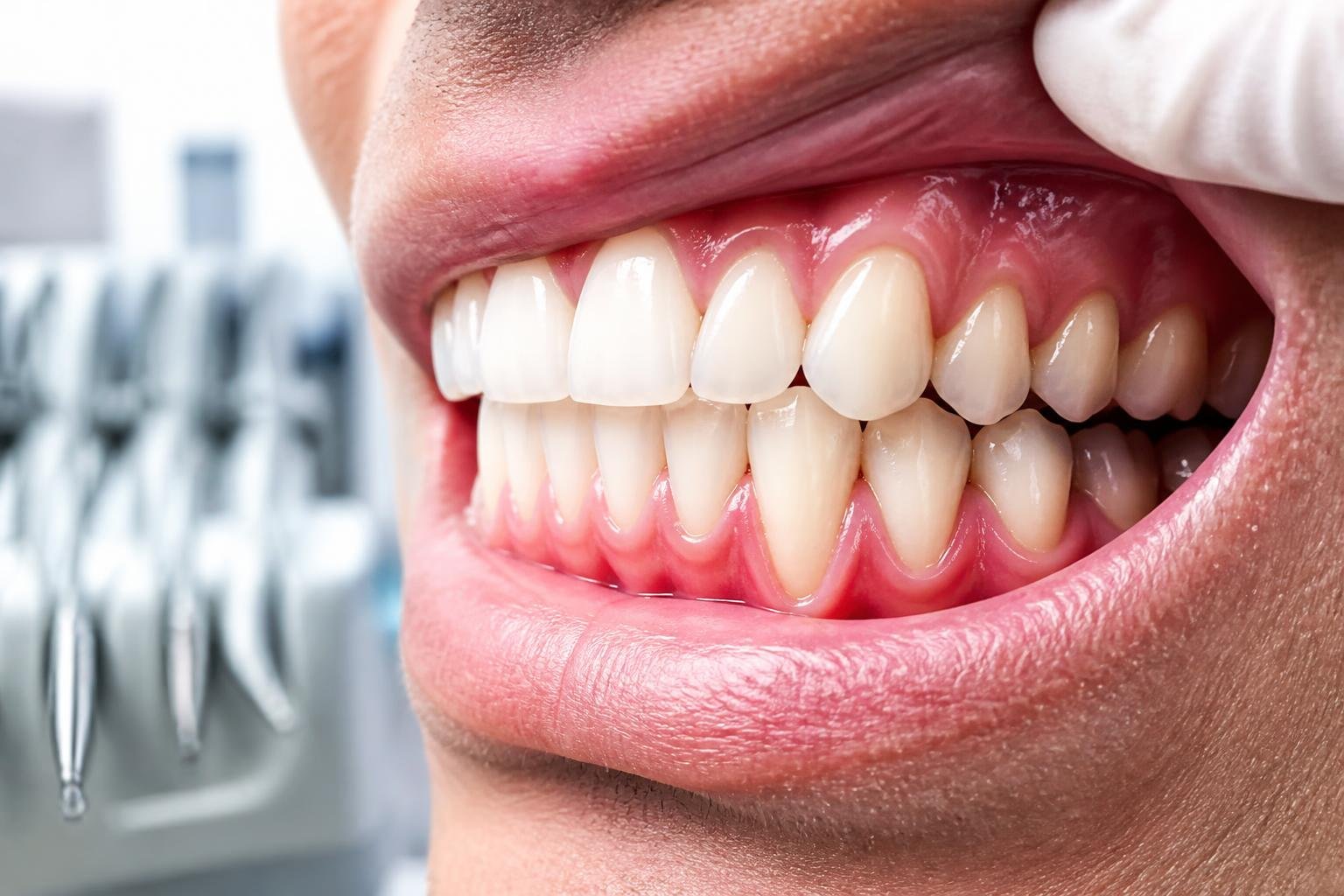
Gum recession isn’t just a cosmetic issue. When your tooth roots are exposed, you’re more likely to deal with sensitivity, root decay, and even tooth loss. Gum lines can recede because of gum disease, brushing habits, genetics, or lifestyle factors. Often, a few of these causes show up together.
Once you lose gum tissue, it won’t grow back by itself. Treatment can stop things from getting worse, and sometimes surgery can help restore tissue. The trick is to catch it early.
Key Takeaways
- Periodontal disease drives most gum recession, but habits like aggressive brushing and tobacco use matter a lot, too.
- Receding gums don’t reverse on their own, but professional treatment can keep them from getting worse.
- Early signs include tooth sensitivity, visible root exposure, and teeth that suddenly look a bit longer.
The Main Reasons Gums Pull Back
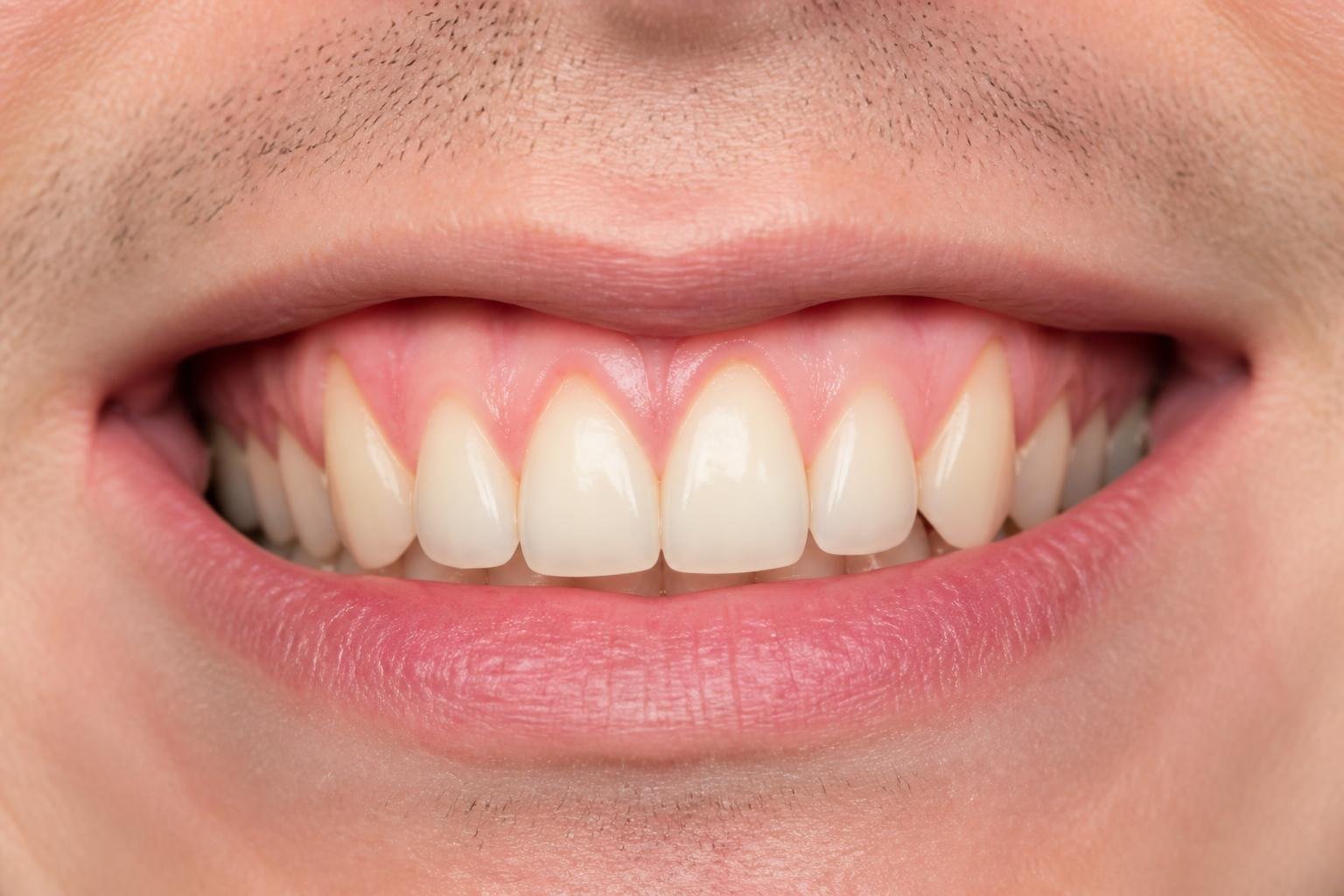
Gum tissue pulls back because inflammation, trauma, or structural issues break down the bone and ligament that support your teeth. Causes include bacterial infection, brushing habits, tooth alignment, and even the thickness of your gums you inherited from your parents.
Plaque, Tartar, and Periodontal Inflammation
Plaque is that sticky film of bacteria that forms on your teeth all day. If you don’t brush and floss it away, it hardens into tartar, which only your dental hygienist can remove.
Tartar buildup sparks chronic inflammation in your gums. Gingivitis starts things off with red, swollen, and bleeding gums. If you ignore it, it can turn into periodontitis, which destroys the bone supporting your teeth and causes gums to pull away from the tooth surface.
Brushing Trauma and Hard-Bristled Tools
If you brush too hard or use a hard-bristled toothbrush, you can wear down your gum tissue over time. This kind of trauma causes gum recession, especially along the outside of your teeth.
Right-handed people often see more damage on the left side and vice versa, just because of how we brush. Switching to a soft-bristled brush and using gentle, circular motions really helps prevent this.
Smoking, Tobacco Use, and Delayed Healing
Tobacco restricts blood flow to your gums, which slows healing and weakens your body’s ability to fight infection. Smokers face a much higher risk of gum disease than non-smokers.
Smoking also hides early warning signs like bleeding gums, so people might not realize there’s a problem. Both cigarettes and smokeless tobacco make gum recession worse over time.
Teeth Grinding, Bite Problems, and Crooked Teeth
Grinding your teeth, or bruxism, puts too much pressure on your teeth and gums. Over time, this pressure can cause your gums to recede, especially around the teeth that take the most force.
Having a misaligned bite or crooked teeth means some teeth get more pressure than others. Teeth pushed too far forward often have thinner bone around them, which makes gum recession more likely in those spots.
Orthodontics, Braces, and Tooth Movement
When you get orthodontic treatment, your teeth are moved through bone. If teeth shift outside the bone’s natural boundaries, the gum tissue there can thin out or recede.
But don’t worry, orthodontics doesn’t always cause recession. If your orthodontist keeps your teeth within the bone’s boundaries, braces can actually help by fixing a misaligned bite or crowded teeth.
Less Common Contributors Like Thin Tissue and Frenum Tension
Some people naturally have thin or fragile gum tissue, so they’re more prone to recession even if they brush and floss well. You can thank your genes for that one.
A frenum is a little fold of tissue connecting your lip or cheek to your gums. If it attaches too close to the gum margin, it can tug on the tissue and lead to gum loss in that area. A simple procedure called a frenectomy can release this tension and help protect your gums.
Warning Signs, Diagnosis, and What To Do Next
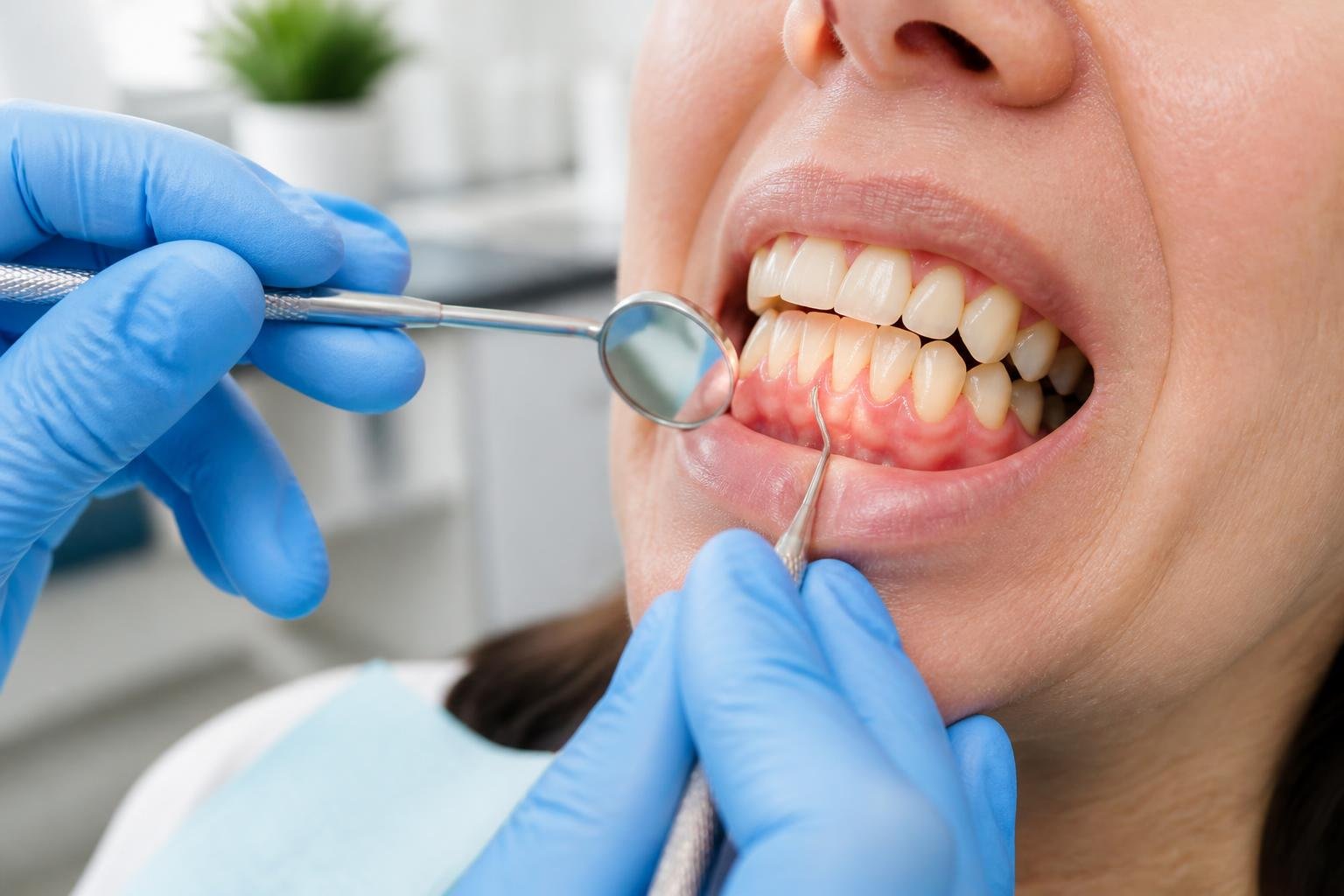
Spotting gum recession early gives you a much better shot at stopping it and avoiding more invasive treatment. Knowing the symptoms, getting a proper diagnosis, and following the right treatment plan will protect your long-term oral health.
Symptoms That Suggest Progression
The most common early sign is tooth sensitivity, especially to hot, cold, or sweet foods. Your exposed tooth roots don’t have enamel, so they’re much more sensitive.
Other signs to watch for:
- Teeth that look longer than before
- A notch or little groove at the gum line
- Bleeding or red gums after brushing or flossing
- Bad breath that sticks around
- Loose teeth in more advanced cases
If you notice any of these, book a dental appointment soon. Waiting only lets things get worse.
How Dentists Confirm the Underlying Cause
Your dentist or periodontist will check the depth of the gum pockets around each tooth with a tiny probe. They’ll also talk about your brushing habits, tobacco use, and medical history.
X-rays show bone loss that you can’t see just by looking. Figuring out if gum disease, brushing trauma, bite problems, or structural issues are causing the recession helps your dentist pick the right treatment.
Treatments Based on What Is Driving the Recession
Treatment depends on what’s causing your gums to recede. Here are the main options:
- Scaling and root planing: This deep cleaning removes plaque and tartar from below your gum line. It’s usually the first step when gum disease is the culprit.
- Antibiotics: Sometimes used with deep cleaning to fight stubborn bacteria.
- Desensitizing agents and varnishes: These are applied to exposed roots to calm down sensitivity and help protect against decay.
- Tooth-colored composite resin: Dentists might use this to cover exposed roots and improve how things look.
- Gum grafting: Surgeons use tissue from your mouth or a tissue bank to cover exposed roots. Gum graft surgery is the best way to restore lost tissue.
A periodontist handles gum disease and gum surgery, so they’re the go-to for more serious cases.
How To Prevent Further Damage
To keep gum recession from getting worse, stick with daily care and see your dentist regularly. Use a soft-bristled or electric toothbrush with gentle pressure. Floss every day and try an antibacterial mouthwash to keep plaque in check.
If you grind your teeth, your dentist can make you a night guard. Quitting tobacco helps your gums heal and reduces inflammation. Routine dental cleanings every six months let your hygienist spot early problems before they turn into bigger ones.
Frequently Asked Questions
What are the most common factors that lead to gums pulling back from the teeth?
Periodontal disease, aggressive brushing, and tobacco use are the main reasons. Teeth grinding, crooked teeth, and naturally thin gum tissue also play a part. Usually, more than one thing is going on.
Can aggressive tooth brushing or improper brushing technique contribute to gum loss?
Absolutely. Brushing too hard or using a hard-bristled brush wears away gum tissue over time. The damage builds up slowly and usually shows up on the outside surfaces of your teeth. Switching to a soft-bristled brush and using gentle pressure can really help.
Why might gum recession appear on only one tooth while the others look normal?
If gum recession only shows up on one tooth, it’s often because of a specific issue like a misaligned tooth, a frenum pulling on the gum, or brushing too hard in that spot. Gum disease usually causes recession across several teeth, not just one.
Is it possible for gum recession to be reversed, or is it always permanent?
Once gum tissue is gone, it doesn’t grow back by itself. Gum recession is permanent unless you get surgical treatment. Gum grafts can cover exposed roots, but most treatments focus on stopping things from getting worse.
What are the early signs and stages of gum recession to watch for?
Early signs include extra sensitivity, teeth that look a bit longer, and a visible notch at the gum line. As it gets worse, you might notice exposed roots, bleeding gums, and even loose teeth. Catching it early, when you just notice sensitivity, gives you the best chance for easier treatment.
Why do some people develop receding gums in their 20s or at a younger age?
Younger adults sometimes notice gum recession because they brush too hard. Braces that move teeth outside the bone can also make gums pull back.
If you inherited thin gum tissue, you might see this happen earlier than others. Early-onset gum disease can show up in your teens or twenties too.
Tobacco use and poor oral hygiene definitely speed things up. Genetics matter here, so if your family has a history of gum recession, it’s a good idea to mention it to your dentist.