
Most people connect smoking with the lungs and heart, but the mouth is often where the damage appears first.
Stained teeth, gums that bleed or pull away, breath that never quite feels fresh, and dental work that heals slowly are not random problems. They are early signals that tobacco smoke is quietly changing the health of your teeth and gums.
The connection between smoking and oral health is direct, well documented, and often hidden until real damage has already taken hold.
You do not have to be a heavy smoker to feel the effects. Even a few cigarettes a day narrow the blood flow to your gums, dry out your mouth, and give harmful bacteria the upper hand.
If you smoke or have recently quit and want a professional set of eyes on your teeth and gums, Riverside Dental welcomes new patients in the Sherman Oaks area and can be reached at (818) 784-5889.

Understanding exactly how smoking harms your mouth puts you in a far stronger position to protect your smile before the damage compounds.
Key Takeaways
- Smoking narrows blood flow to the gums, which hides early warning signs and lets gum disease advance further before you notice it.
- Smokers are about twice as likely to develop gum disease and face a much higher risk of tooth loss, staining, delayed healing, and oral cancer.
- Much of the damage can be slowed or partly reversed with consistent home care, regular dental visits, and quitting tobacco.
The Connection Between Smoking And Oral Health
Every time you inhale cigarette, cigar, or hookah smoke, thousands of chemicals pass directly over your teeth and gums before they ever reach your lungs. Your mouth is the entry point, so it absorbs a concentrated dose of heat, tar, nicotine, and toxins with each puff.
Over months and years, that repeated exposure reshapes the environment inside your mouth in ways that make problems far more likely and far harder to treat.
What Smoke Does Inside Your Mouth
Tobacco smoke does damage on several fronts at once. Nicotine constricts blood vessels, tar coats enamel and settles into the tiny grooves of your teeth, and the heat and chemicals irritate the soft tissues of your gums, cheeks, and tongue.
Smoke also dries out the mouth by reducing saliva, and saliva is your natural defense against cavities and bacteria. With less of it, acids linger longer, plaque builds faster, and harmful bacteria find it easier to thrive. The result is a mouth that is under constant chemical stress and less able to defend or repair itself.
Why Smokers Often Notice Problems Later
One of the most dangerous features of smoking is how well it masks the early signs of trouble. Healthy gums bleed when they are inflamed, and that bleeding is often the first clue that gum disease is starting.
But nicotine reduces blood flow to the gums, so they may look pink and feel fine even while an infection spreads beneath the surface. Many smokers are surprised to learn they have advanced gum disease precisely because the usual warning signs were suppressed. By the time discomfort, loosening teeth, or visible recession appear, the condition is often well established.
How Smoking Harms Your Gums
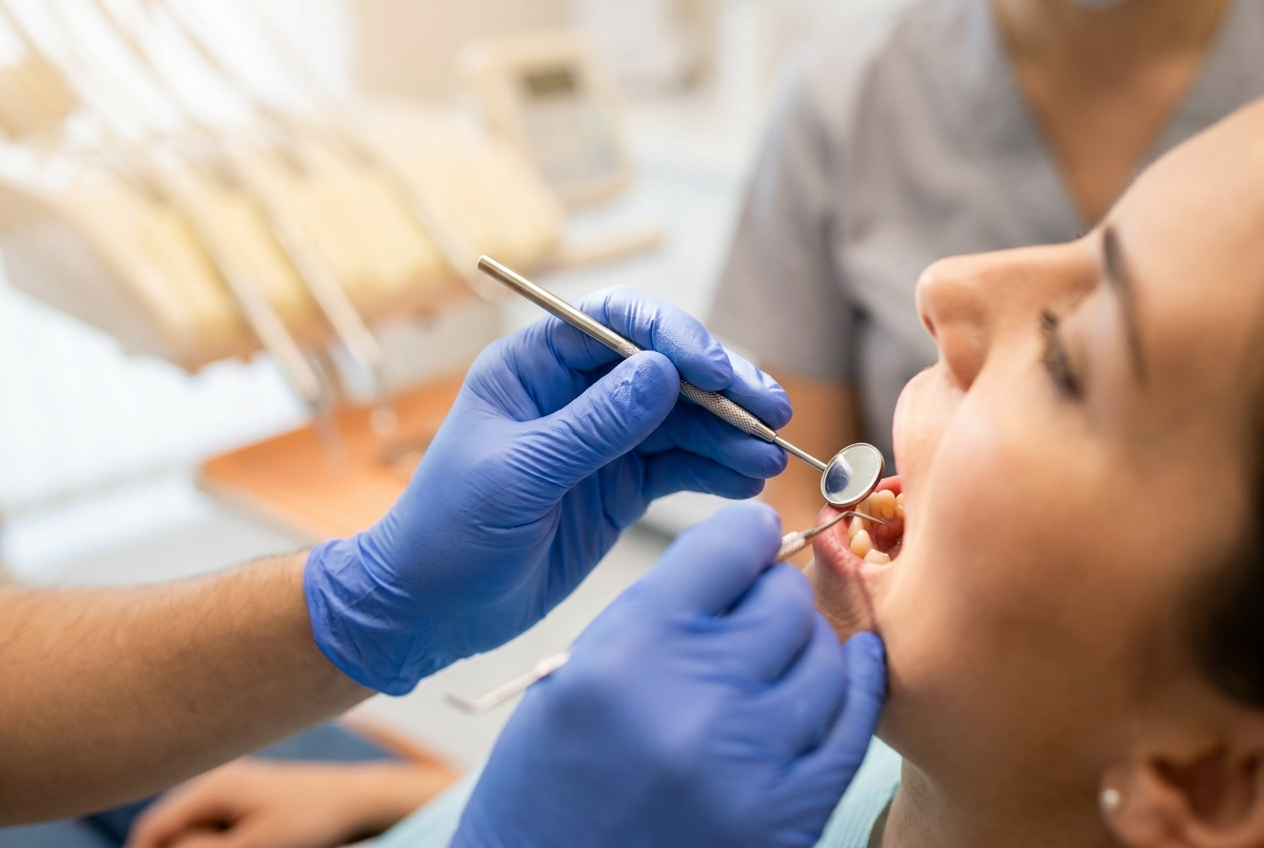
Your gums are the foundation of a healthy smile, and they are among the tissues most affected by tobacco. Because smoking interferes with both blood supply and the immune response, it undermines the gums on multiple levels, allowing infection to take hold and progress more aggressively than it would in a non-smoker.
Reduced Blood Flow And Hidden Gum Disease
Nicotine narrows the small blood vessels that feed your gum tissue. Less blood flow means less oxygen and fewer immune cells reaching the area, so your body struggles to fight the bacteria that cause gum disease.
It also means the classic red, swollen, bleeding gums that would normally send someone to the dentist may not appear. This is why gum disease in smokers is often called a silent problem: the infection advances while the visible symptoms stay quiet, delaying diagnosis and treatment.
Faster Progression To Periodontitis
Gum disease usually begins as gingivitis, a mild and reversible inflammation of the gums. In smokers, it is far more likely to progress into periodontitis, a serious infection that destroys the bone and connective tissue anchoring your teeth.
Research consistently shows that smokers are roughly twice as likely to develop gum disease as non-smokers, and the risk climbs with the number of cigarettes smoked and the number of years of smoking. Periodontitis is the leading cause of adult tooth loss, and smoking accelerates every stage of it. A professional gum disease evaluation is the only reliable way to know where you stand.
Gum Recession And Tooth Sensitivity
As gum disease advances and tissue is lost, the gums begin to pull away from the teeth. This recession exposes the roots, which are not protected by hard enamel and are far more sensitive to hot, cold, and sweet foods.
Exposed roots are also more prone to decay. Recession tends to be permanent without treatment, and it changes the appearance of the smile, making teeth look longer and creating gaps near the gumline where food and bacteria collect.
How Smoking Damages Your Teeth
Beyond the gums, smoking takes a direct toll on the teeth themselves, from their color and surface to their long-term structure. Some of this damage is cosmetic, but much of it threatens the health and lifespan of your teeth.
Stubborn Stains And Discoloration
The tar and nicotine in tobacco are notorious for staining teeth. Nicotine is colorless on its own, but it turns yellow when it reacts with oxygen, and combined with dark tar it leaves teeth looking yellow, brown, or dull.
These stains work their way into the enamel over time, so they resist regular brushing and often cannot be fully removed with over-the-counter products. For many long-term smokers, professional cleaning or teeth whitening is the only way to noticeably brighten the smile.
Increased Plaque, Tartar, And Decay
Because smoking dries the mouth and reduces protective saliva, plaque forms more quickly and hardens into tartar that only a dental professional can remove.
More plaque and tartar mean more of the acid-producing bacteria that cause cavities, and with weakened defenses those cavities can develop and spread faster. Smokers frequently deal with decay along the gumline and on exposed roots, areas that are especially vulnerable once recession sets in.
Bad Breath That Does Not Go Away
Persistent bad breath, sometimes called smoker’s breath, is one of the most common complaints. It comes from several sources at once: the lingering smell of smoke itself, a dry mouth that cannot rinse away odor-causing bacteria, and the higher levels of bacteria and gum disease that smoking encourages.
Unlike ordinary morning breath, this kind of odor is difficult to cover with mints or mouthwash because its causes are ongoing, and it often signals underlying gum problems that need attention.
Beyond Teeth And Gums: The Bigger Risks
Smoking’s effects reach past everyday staining and gum irritation into more serious territory. These are the consequences that can affect not only your smile but your overall health, and they are among the most important reasons to take tobacco’s oral effects seriously.
Delayed Healing After Dental Procedures
Because smoking reduces blood flow and oxygen to the tissues, the mouth heals more slowly after any dental work. After a tooth extraction, smokers face a significantly higher risk of a painful complication called dry socket, where the protective blood clot is lost before the area can heal.
Recovery from gum treatment, oral surgery, and even routine procedures tends to take longer and carries more risk of infection. Dentists often advise avoiding smoking for a period before and after any procedure for exactly this reason.
Higher Risk Of Implant Failure
Dental implants rely on healthy bone and gum tissue fusing tightly around a titanium post. Smoking compromises that healing process, and studies show implants fail noticeably more often in smokers than in non-smokers.
Poor blood flow, slower healing, and a higher rate of gum infection all work against the long-term success of implants, crowns, and other restorations. This does not always rule out treatment, but it makes careful planning and, ideally, quitting far more important.
Oral Cancer Warning Signs
Tobacco use is the single largest risk factor for oral and throat cancers. Smoking is strongly linked to cancers of the mouth, lips, tongue, throat, and voice box, and the risk rises with the amount and duration of use.
Warning signs include a sore or ulcer that does not heal within two weeks, a lump or thickening in the mouth or neck, a persistent red or white patch, difficulty swallowing, or numbness. Because early oral cancer is often painless, regular dental exams that include an oral cancer screening are one of the most valuable protections a smoker can have. Encouragingly, the risk of mouth, throat, and esophageal cancers drops substantially after quitting, cut roughly in half within five years.
Protecting Your Mouth If You Smoke

If you are not ready or able to quit, or you are working toward it, there is still a great deal you can do to protect your teeth and gums. Consistent care will not undo every effect of tobacco, but it can meaningfully slow the damage and catch problems early.
Daily Habits That Reduce Damage
A strong home care routine matters even more when you smoke. Brush at least twice a day with a fluoride toothpaste, floss daily to remove plaque where a brush cannot reach, and consider an antibacterial or alcohol-free mouth rinse to support your gums without further drying your mouth.
Staying well hydrated and sipping water throughout the day helps counteract the dry mouth that smoking causes, and rinsing with water after smoking can reduce how long tar and acids sit against your teeth.
Why Regular Dental Visits Matter More
Because smoking hides the early signs of gum disease and speeds up decay, professional monitoring is essential. Many smokers benefit from more frequent cleanings and checkups than the standard twice-a-year schedule, since tartar builds faster and problems progress more quietly.
Your dentist can spot gum disease, decay, and the early signs of oral cancer long before you would notice them yourself, and professional cleanings remove the hardened tartar and surface staining that home care cannot.
How Quitting Reverses Some Damage
Quitting is the most powerful step you can take for your oral health, and the benefits begin quickly. Within days, blood flow to the gums starts to improve, which means your body can once again fight infection and heal properly.
Over time, the risk of gum disease and tooth loss for former smokers moves closer to that of people who never smoked, and the risk of oral cancer falls significantly. While quitting cannot reverse existing bone loss or remove deep stains, it stops new damage and gives every treatment a far better chance of success. For some people, smoking also rises during stressful periods, so it can help to understand how stress affects your teeth and gums as well.
When To See Your Dentist
Smoking makes it especially important to pay attention to changes in your mouth and to act on them early. Because the usual warning signs can be muted, do not wait for pain before scheduling a visit.
Symptoms You Should Not Ignore
Certain signs should prompt you to book an appointment rather than wait for your next routine visit. These include:
- Gums that bleed, feel tender, or have started to pull away from your teeth
- Teeth that feel loose, have shifted, or seem longer than before
- Ongoing bad breath or a bad taste that does not improve with brushing
- Increased sensitivity to hot, cold, or sweet foods
- A sore, ulcer, lump, or red or white patch that does not heal within two weeks
- Persistent dry mouth or a burning sensation in the mouth
- Noticeable staining or a change in the color of your teeth or gums
How Early Care Protects Your Smile
The earlier a problem is found, the more of your natural smile can usually be saved. Gum inflammation caught at the gingivitis stage is reversible, early decay can be treated before it reaches the nerve, and oral cancer found early is far more treatable.
Regular visits give your dental team the chance to intervene while treatment is simplest and most effective, and to build a care plan that fits your specific risks as a smoker. At a practice like Riverside Dental in Sherman Oaks, the team is used to working with patients who smoke or are trying to quit, and can explain exactly what they see and why, without judgment. Protecting your smile is always easier and less costly than rebuilding it.
Frequently Asked Questions
How long does it take for smoking to damage your teeth and gums?
There is no single timeline, because it depends on how much and how long you smoke, along with your genetics and oral hygiene. Staining and bad breath can appear within weeks to months, while gum disease and tooth loss develop over years.
Importantly, damage often progresses silently in smokers, so significant harm can be present before you notice any symptoms. That is exactly why regular checkups matter so much.
Can the damage from smoking be reversed?
Some effects can be improved and others cannot. Surface stains and early gum inflammation often respond well to professional cleaning and better home care. However, bone loss from advanced gum disease and tissue lost to recession do not grow back on their own.
The most important thing quitting does is stop further damage and dramatically improve healing, which gives any treatment a much better chance of lasting.
Is vaping safer for my teeth and gums than smoking?
Vaping is not a safe alternative for your mouth. E-cigarette vapor still contains nicotine, which narrows blood vessels and reduces gum health, and it can dry the mouth and encourage bacteria to stick to teeth and gums.
Research links vaping to gum inflammation and a higher risk of decay. While it avoids some of the tar in traditional smoke, it introduces its own risks, so it should not be considered harmless for oral health.
Why do my gums not bleed even though I smoke and have gum disease?
Nicotine reduces blood flow to the gums, so they may not bleed or swell the way inflamed gums normally would. The absence of bleeding can create a false sense that everything is fine, even while infection advances beneath the surface.
This masking effect is a major reason gum disease is often diagnosed late in smokers, and why professional exams are so important.
Will whitening treatments remove smoking stains?
It depends on how deep the staining is. Mild surface stains may lighten with professional cleaning and whitening, but long-term tobacco stains often penetrate the enamel and resist over-the-counter products.
A dentist can assess your teeth and recommend the most effective option, which may include in-office whitening or cosmetic treatments. Keep in mind that continuing to smoke will cause stains to return.
Should I quit smoking before getting dental implants or major dental work?
Yes, quitting or at least pausing before and after treatment is strongly recommended. Smoking slows healing, raises the risk of infection and dry socket after extractions, and increases the chance of implant failure.
Even a temporary break around the time of your procedure improves your outcome. Your dentist can advise on the best timeline and support you in reducing or stopping tobacco use for better long-term results.