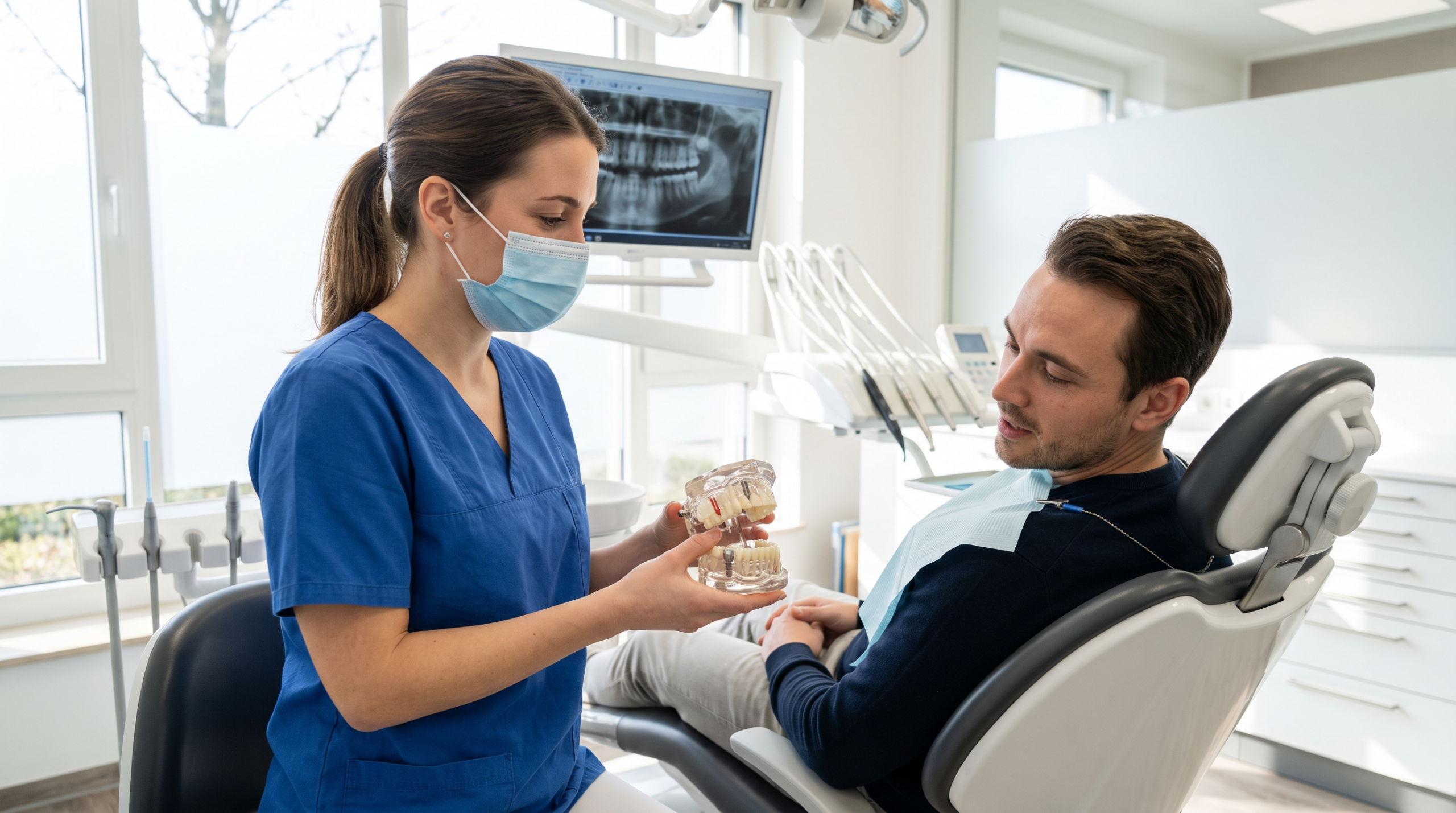

Losing a single tooth can feel like a small problem. It is only one tooth, after all. But that one gap changes how you chew, it can change how you smile in photos, and over time it can change the teeth around it.
A tooth implant is one of the most common ways to replace one missing tooth. It replaces the root as well as the visible tooth, so it stands on its own without leaning on the teeth next to it. That is a big part of why so many people ask about it when a single tooth is lost or needs to come out.
This guide is about that single tooth case: what a tooth implant is, who tends to be a good fit, what changes when the tooth is in the front or the back of your mouth, what happens if you wait, and what the process looks like at our Sherman Oaks office. If you would rather talk it through with a dentist, call us at (818) 784-5889.
TL;DR
A tooth implant replaces one missing tooth with a titanium post placed in the jawbone, a connector called an abutment, and a custom crown on top. It does not rely on the neighboring teeth for support, and it helps preserve the bone where the tooth used to be. Most healthy adults with healthy gums and enough bone can be candidates, and bone grafting can help when bone is thin. Healing usually takes a few months before the final crown goes on. An exam with 3D imaging tells you whether an implant fits your situation.
Key Takeaways
- A tooth implant has three parts: a titanium post, an abutment, and a custom crown.
- It replaces a single tooth without reshaping or crowning the teeth on either side.
- Healthy gums, enough jawbone, and good general health are the main things that decide candidacy.
- Waiting a long time after losing a tooth can mean bone loss in that spot, which may call for grafting.
- Healing between placement and the final crown typically takes 3 to 6 months.
What A Tooth Implant Is
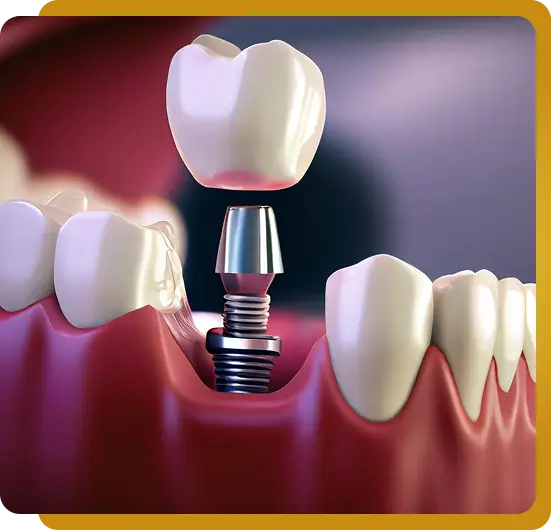
A tooth implant is a small titanium post that is placed in the jawbone where the root of the missing tooth used to be. Over the following months the bone grows tightly around the post, a process called osseointegration. Once that bond is solid, the post can carry chewing force much like a natural root.
A complete single tooth implant has three parts:
- The implant post, which sits in the jawbone and acts as the new root
- The abutment, a connector that attaches to the post and rises just above the gumline
- The crown, the custom made tooth you see and chew with
If you want the deeper science of how the post bonds with bone, our guide on what dental implants are and how they work covers it step by step. The American Association of Oral and Maxillofacial Surgeons also has a clear overview of dental implant surgery.
Why Replace Just One Missing Tooth?
It is tempting to leave a single gap alone, especially if it is in the back where nobody sees it. Here is why dentists usually recommend replacing it anyway.
- Neighboring teeth can drift. Teeth next to a gap can slowly tip or shift into the empty space, which can change your bite and create spots that are harder to clean.
- The opposing tooth can move. The tooth above or below the gap no longer has a partner to bite against and can drift toward the space over time.
- Bone in that spot shrinks. The jawbone is kept healthy partly by the forces a tooth root sends through it. Without a root, the bone in that area tends to shrink.
- Chewing shifts to one side. Many people start favoring the other side of their mouth, which puts extra work on those teeth.
A tooth implant addresses these by filling the space with a new root and crown. Because the post sits in the bone, it also helps preserve the bone where the tooth was lost, something a bridge or a removable partial cannot do.
Missing a tooth, or have one that may need to come out? An exam with imaging will show whether a tooth implant is a good fit. Call or book online and we will walk you through your options.
Call (818) 784-5889Book onlineAre You A Good Candidate For A Tooth Implant?
Candidacy comes down to a few practical questions. You may be a good candidate if you:
- Are missing one tooth, or have a tooth that cannot be saved
- Have healthy gums, or are willing to treat gum problems first
- Have enough jawbone to hold the post
- Are in good general health
- Want a fixed replacement that does not come out
Not having enough bone does not automatically rule you out. If bone has been lost after an extraction or because of gum disease, bone grafting may be recommended first to rebuild the site. Smoking can affect healing, but implants may still be possible; we look at your health as a whole and talk through what that means for you.
Gum health matters because an implant needs healthy tissue around it. If there are signs of gum disease, treating that first gives the implant a better foundation.
Front Tooth Or Back Tooth: What Changes
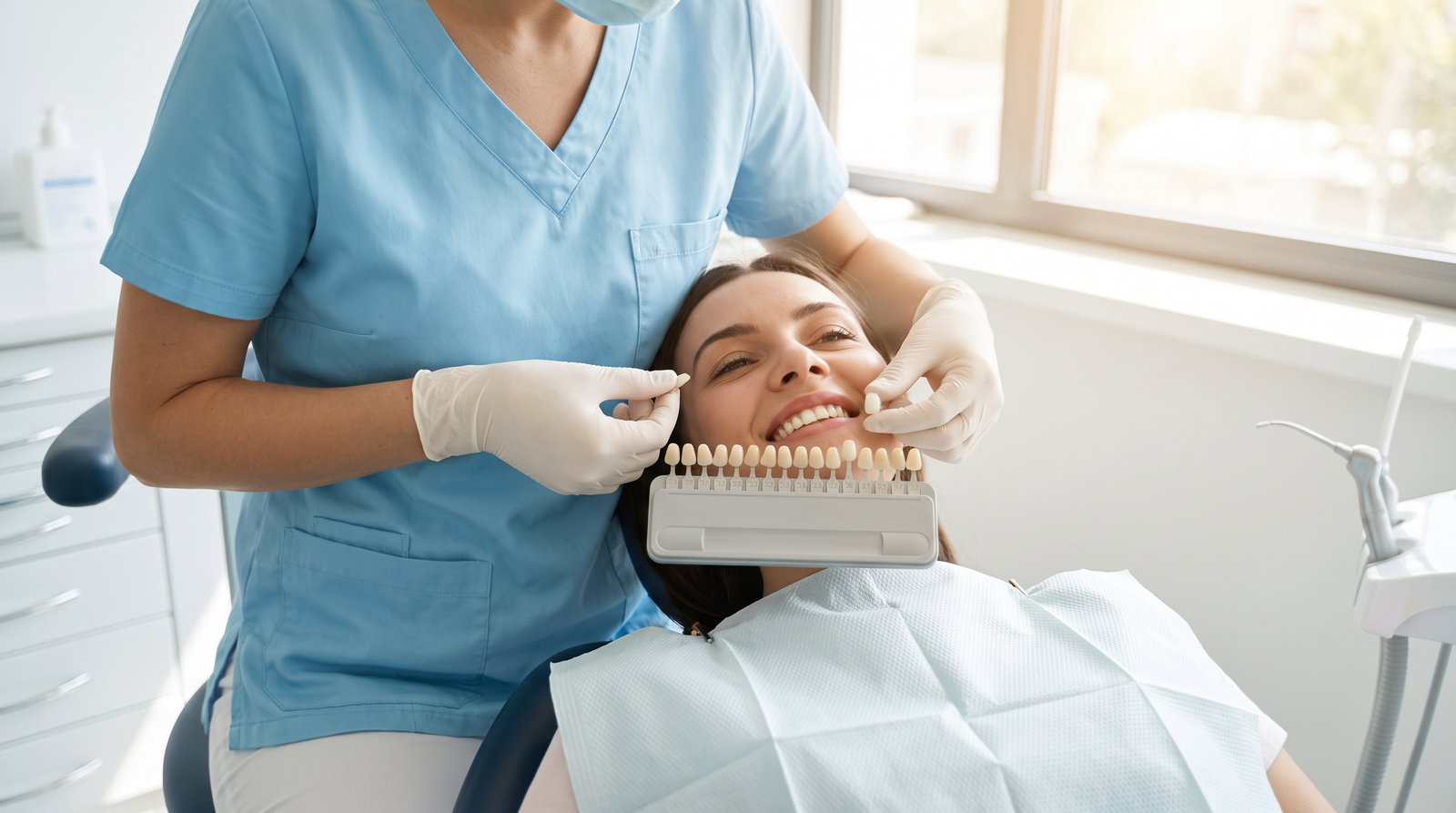
The basic procedure is the same anywhere in the mouth, but the priorities shift depending on where the missing tooth is.
A missing front tooth
For front teeth, appearance leads the plan. The crown is shaded and shaped to blend with your natural teeth, and the gumline around it matters as much as the tooth itself. Many patients also want to know what they will wear while the implant heals, since a visible gap is not an option for most people. Ask about temporary tooth options at your consultation so you know what to expect for the healing months.
A missing back tooth
Molars and premolars handle most of your chewing force, so strength and a stable bite come first. For upper back teeth, the sinus sits just above the roots, and when bone there is thin, a sinus lift may be part of the plan. Our office offers bone grafting and sinus lifts for these more complex cases.
Either way, the final crown is custom made for that spot, so it fits your bite and looks like it belongs there.
Tooth Implant Vs Bridge For One Missing Tooth
For a single missing tooth, the two fixed options are an implant and a bridge. A dental bridge uses the teeth on both sides of the gap as anchors, which means those teeth are reshaped and crowned to hold the replacement tooth between them.
A tooth implant does not touch the neighboring teeth. It stands on its own in the bone. That is often the deciding factor when the teeth on either side are healthy and you would rather leave them alone. A bridge can make sense when the neighboring teeth already need crowns, or when surgery or healing time is not right for you.
We compare the two in more detail in dental implants vs bridges. The right choice depends on your teeth, your bone, your health, and your budget, and we will explain the options that actually fit your mouth.
When Should A Tooth Implant Go In After An Extraction?
If a tooth is damaged beyond repair, timing becomes part of the plan. There are a few common paths:
- Placing the implant at the time of the extraction, when the bone and gums allow it
- Grafting the socket when the tooth comes out, then placing the implant after it heals
- Letting the site heal first, then placing the implant later
Same-day teeth, where a tooth is attached soon after placement, are possible in select cases. Whether that suits you depends on your bone and bite, and your dentist will tell you honestly.
What we do recommend is not waiting years. The longer a space stays empty, the more the bone in that spot can shrink, and that can make the implant more involved later. If you need a tooth removed, our team handles tooth extractions in the office and can plan the replacement at the same time.
Getting A Tooth Implant At Riverside Dental
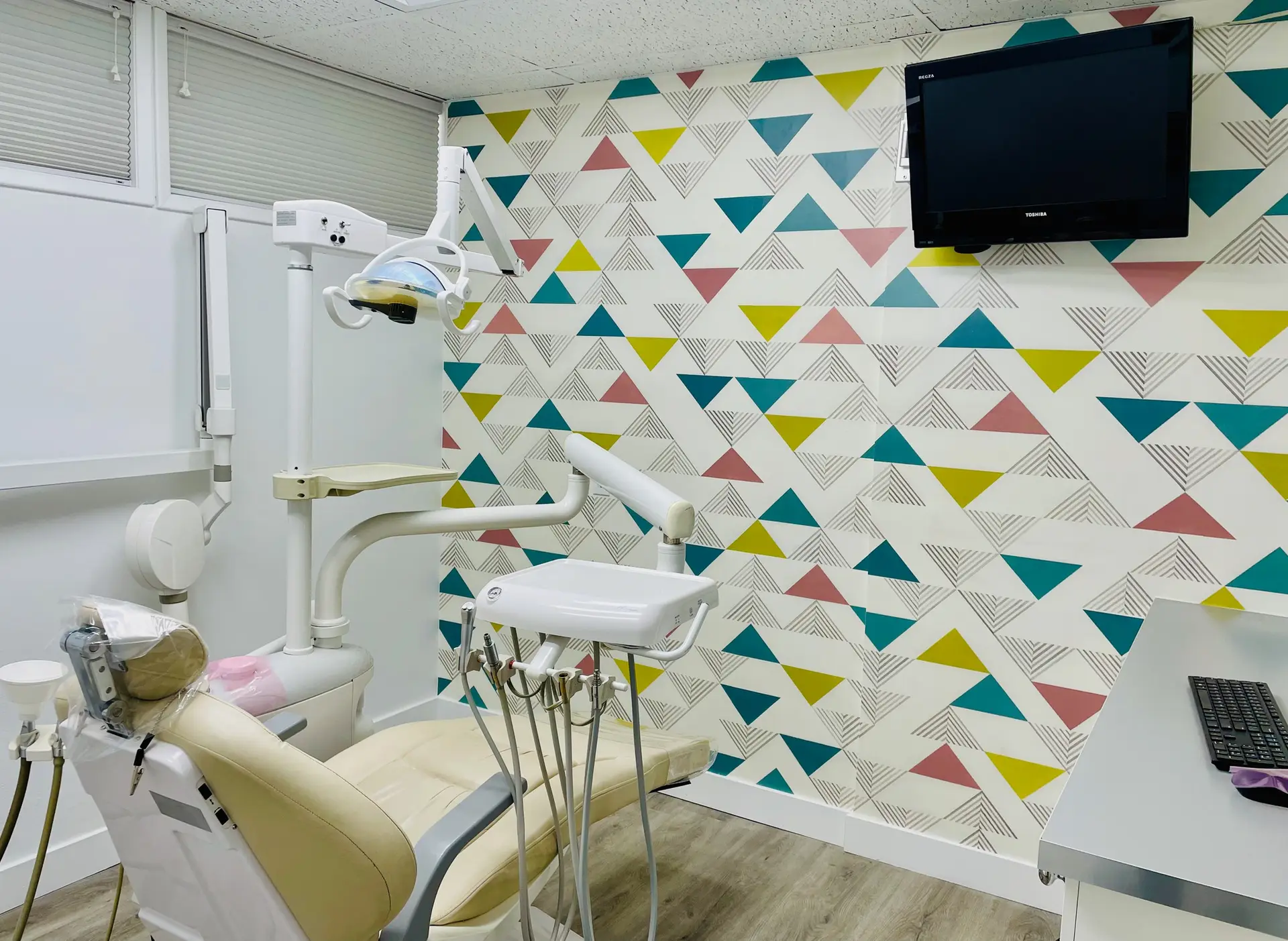
Here is how a single tooth implant works at our Sherman Oaks office.
1. Consultation and 3D imaging
We start with a thorough exam and 3D digital X-rays to see bone density, tooth position, and exactly where the implant should go.
2. Implant placement
The post is placed under local anesthesia, and sedation options are available if you feel anxious. Most patients report only mild discomfort while healing.
3. Healing
The bone bonds with the post over the following months, typically 3 to 6. This waiting time is what makes the implant strong.
4. Abutment and crown
Once the implant is fully integrated, we place the abutment and your custom crown.
5. Follow up and maintenance
We give you home care instructions and check the implant at your routine visits.
For a visit by visit look at each stage, read the dental implant process from consultation to final crown, or see our dental implants page for every type of implant restoration we offer.
Caring For A Tooth Implant
An implant cannot get a cavity, but the gum and bone around it still need daily care. The American Dental Association’s MouthHealthy page on implants is a good plain language overview of what to expect.
- Brush twice a day around the implant crown just like your natural teeth.
- Clean between your teeth daily with floss or the cleaning tool we recommend.
- Keep up with checkups and cleanings so we can watch the gum and bone around the implant.
- Tell us if anything feels loose or sore. Early checks are simpler than late fixes.
With proper care, an implant can last for many years, and many last a lifetime. Our article on how long dental implants last covers what helps them go the distance.
What About Cost And Insurance?
The cost of a tooth implant depends on whether you need an extraction or bone grafting first, the type of crown, and your coverage. Some PPO plans cover part of the cost. We check your benefits, give you upfront pricing before treatment, and offer flexible payment options. Our guide to the cost of dental implants explains what goes into the price, and our insurance and financing page covers payment options.
Frequently Asked Questions
What is a tooth implant?
A tooth implant is a titanium post placed in the jawbone to replace the root of a missing tooth. An abutment connects the post to a custom crown, so the finished implant looks and works like a natural tooth.
Does getting a tooth implant hurt?
The implant is placed under local anesthesia, so you should feel pressure rather than pain during the procedure. Most patients report mild discomfort while healing, and sedation options are available if you feel anxious.
How long does a single tooth implant take?
Placement itself is one visit. Healing usually takes 3 to 6 months while the bone bonds with the post, and then the abutment and crown are placed. Extractions or bone grafting can add time.
Is a tooth implant better than a bridge for one missing tooth?
It depends. An implant does not need the neighboring teeth to be reshaped and helps preserve bone, while a bridge avoids surgery and can make sense when the neighboring teeth already need crowns. An exam will show which fits you.
Can I get a tooth implant if I have lost bone?
Often, yes. Bone grafting can rebuild the area first, and for upper back teeth a sinus lift may be used. Your dentist will check bone levels with 3D imaging.
Does insurance cover a tooth implant?
Some PPO plans cover part of the cost. Riverside Dental checks your benefits and gives you upfront pricing before treatment, with flexible payment options if you need them.
Ready To Replace That Missing Tooth?
If one missing tooth is changing how you chew or smile, a tooth implant may be the most natural way to get that back. The first step is an exam and imaging to see what your bone and gums can support.
We are at 12926 Riverside Dr, Suite D, Sherman Oaks, CA 91423, an easy drive from Studio City, Encino, Valley Village, and Van Nuys. Call (818) 784-5889 or book online. New to our office? Our $75 New Patient Special includes a comprehensive exam and full X-rays.