Most people know dental implants as the expensive way to replace a tooth. Ask what an implant actually is, and the answers get vague fast.
That vagueness matters, because you cannot evaluate a treatment plan, or a price, for something you do not understand.
A dental implant is a small titanium post that replaces a missing tooth root. Your jawbone fuses to it through a process called osseointegration, and a connector and crown are then built on top, giving you a complete tooth that is anchored in bone rather than resting on gums or leaning on neighbors.
This article explains each part of an implant, how the bone fusion actually works, and who makes a good candidate. No sales pitch, just the mechanics.
If you are missing a tooth and want to know where you stand, the $75 New Patient Special at Riverside Dental in Sherman Oaks covers a comprehensive exam and full digital X-rays, the exact starting point for implant planning. Call (818) 784-5889 to book.
Key Takeaways
- An implant is three parts working together: a titanium post in the bone, an abutment connector, and a crown you chew with.
- Osseointegration, the bone physically fusing to the titanium surface over several months, is what makes an implant as stable as a natural root.
- Candidacy depends on bone volume, gum health, and overall health, and many people who assume they are not candidates actually are, sometimes after grafting.
The Three Parts Of A Dental Implant
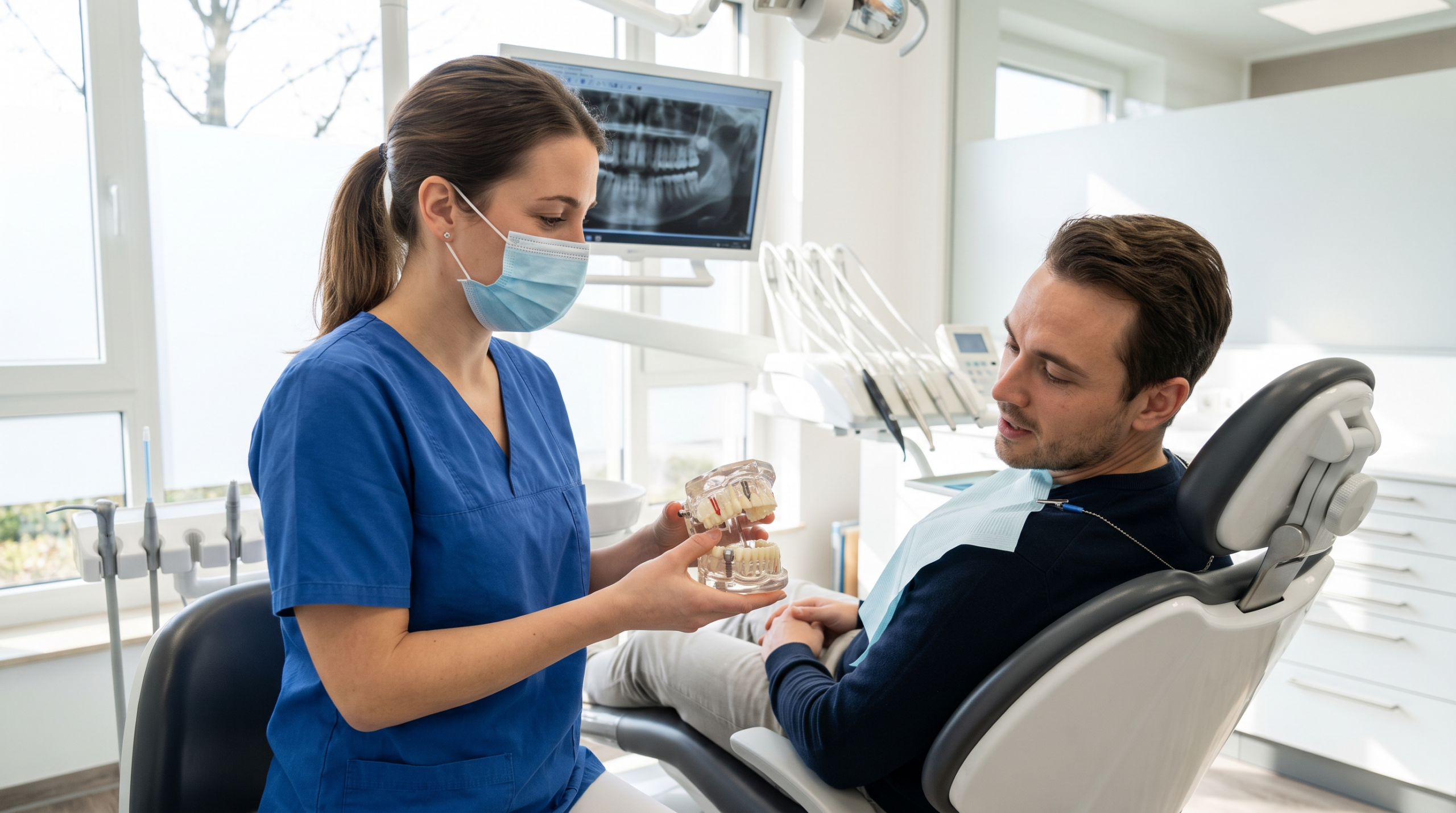
A natural tooth has a root below the gum and a crown above it. An implant rebuilds both, in three pieces.
The Post: A Replacement Root
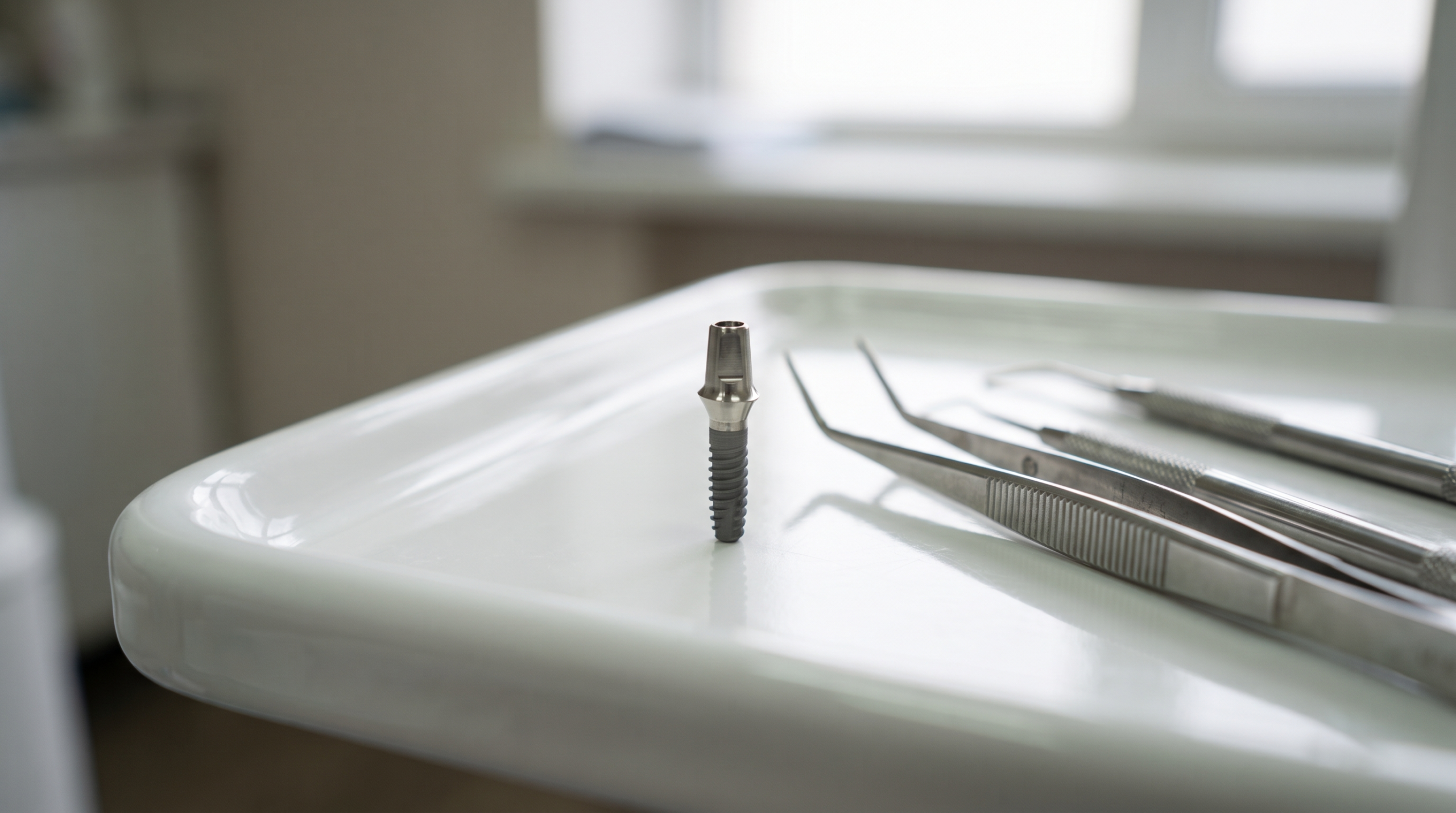
The implant itself is a threaded titanium post, roughly the size of a natural tooth root, placed into the jawbone where the tooth used to be. Once healed, it does the root’s job: transferring chewing force into the bone and holding the visible tooth rock steady.
Titanium is the standard because bone accepts it. Rather than walling it off the way the body treats most foreign objects, bone cells grow directly against a titanium surface. That property, discovered decades ago, is the entire foundation of modern implant dentistry.
The Abutment: The Connector
The abutment is a small machined piece that screws into the top of the healed post and rises just above the gumline. It is the anchor the final tooth attaches to.
It sounds like a minor component, but it shapes how the gum sits around the new tooth, which is a big part of why a well done implant looks like it grew there.
The Crown: The Tooth You See
On top goes a custom ceramic dental crown, shaped and shaded to match the teeth beside it. Unlike a crown on a natural tooth, an implant crown needs no drilling of your own tooth structure, because there is no tooth under it. It attaches to the abutment instead.
Three pieces, one tooth. When someone quotes you an implant price, it is worth asking which of the three the number includes, a point we cover in detail in our guide to what dental implants cost in Sherman Oaks.
Osseointegration: How Bone Fuses To Titanium
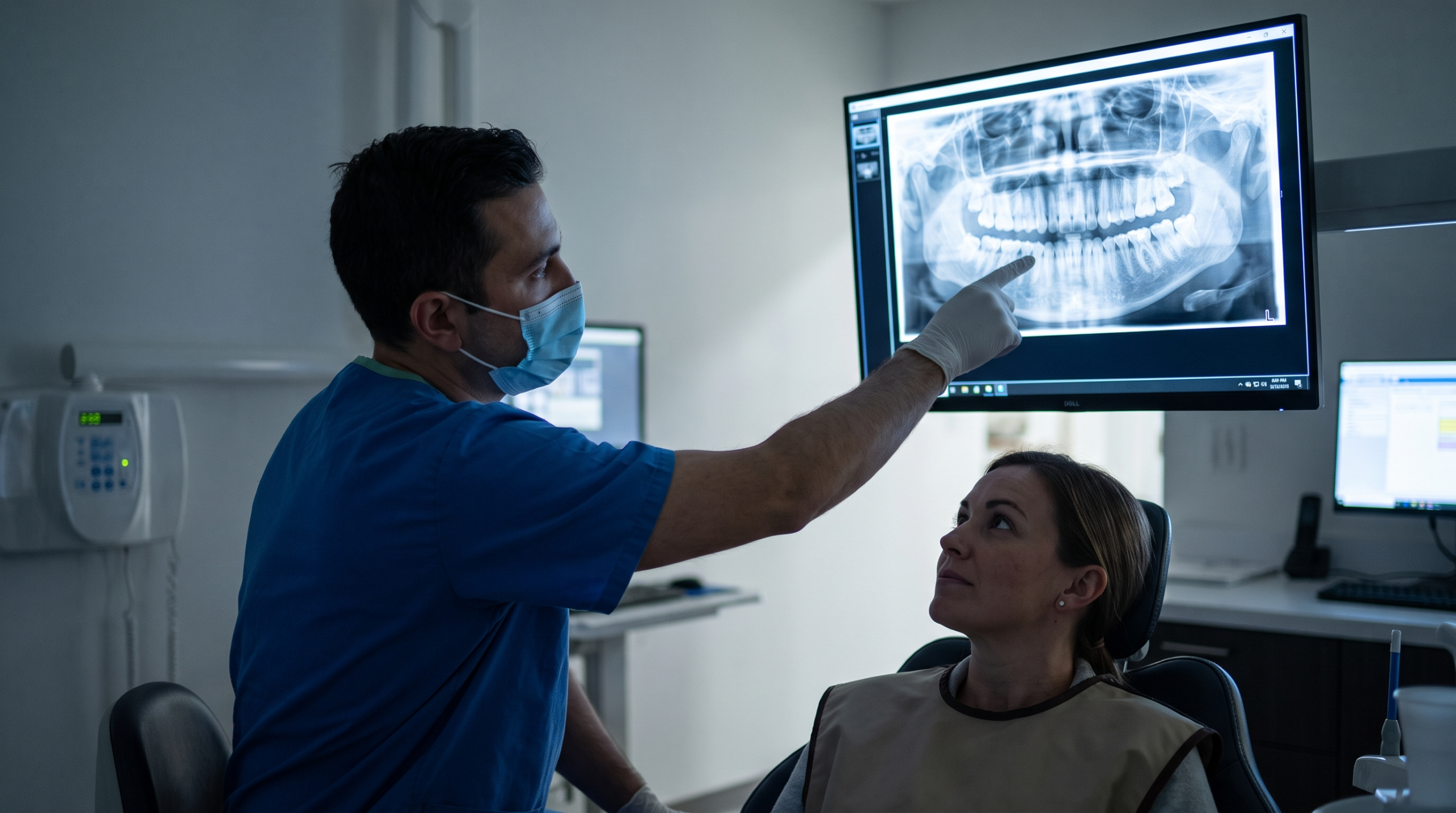
Osseointegration is the ten dollar word at the center of implant dentistry, and it describes something genuinely remarkable.
What Actually Happens In The Bone
After the post is placed, bone cells begin depositing new bone directly onto its textured titanium surface. Over the following months the jaw does not just hold the implant the way a wall holds a screw. It grows into it, locking the post in place at a microscopic level.
The finished result is a root substitute that does not slip, rock, or move under chewing pressure. It is why implant patients bite into apples without thinking about it.
Why It Takes Months, Not Weeks
Bone remodels slowly. Rushing a final crown onto an implant before integration finishes risks micro movement, which can cause the bone to heal with soft tissue against the post instead. That is an implant failure, and it is avoidable by respecting the timeline.
The healing window varies with the site and the patient, commonly a few months. What happens at each stage, and what the visits feel like, is mapped out in our walkthrough of the implant process from consultation to final crown.
How An Implant Feels And Functions Day To Day
Once restored, an implant disappears into your mouth in the best sense. You chew with it, brush it, and forget which tooth it is.
There are honest differences from a natural tooth. An implant has no nerve, so it does not feel hot or cold. It cannot get a cavity, though the gum around it still needs care, because inflammation around an implant is a real condition that can threaten it. Daily brushing, flossing, and regular cleanings are not optional.
Compared to the alternatives, the difference is felt at dinner. A denture rests on the gums and moves; a bridge leans on neighboring teeth. An implant loads the jaw the way a root does, which also gives the bone a reason to stay. That bone preservation point is one of the strongest arguments in our honest look at whether implants are worth the investment.
Who Is A Good Candidate
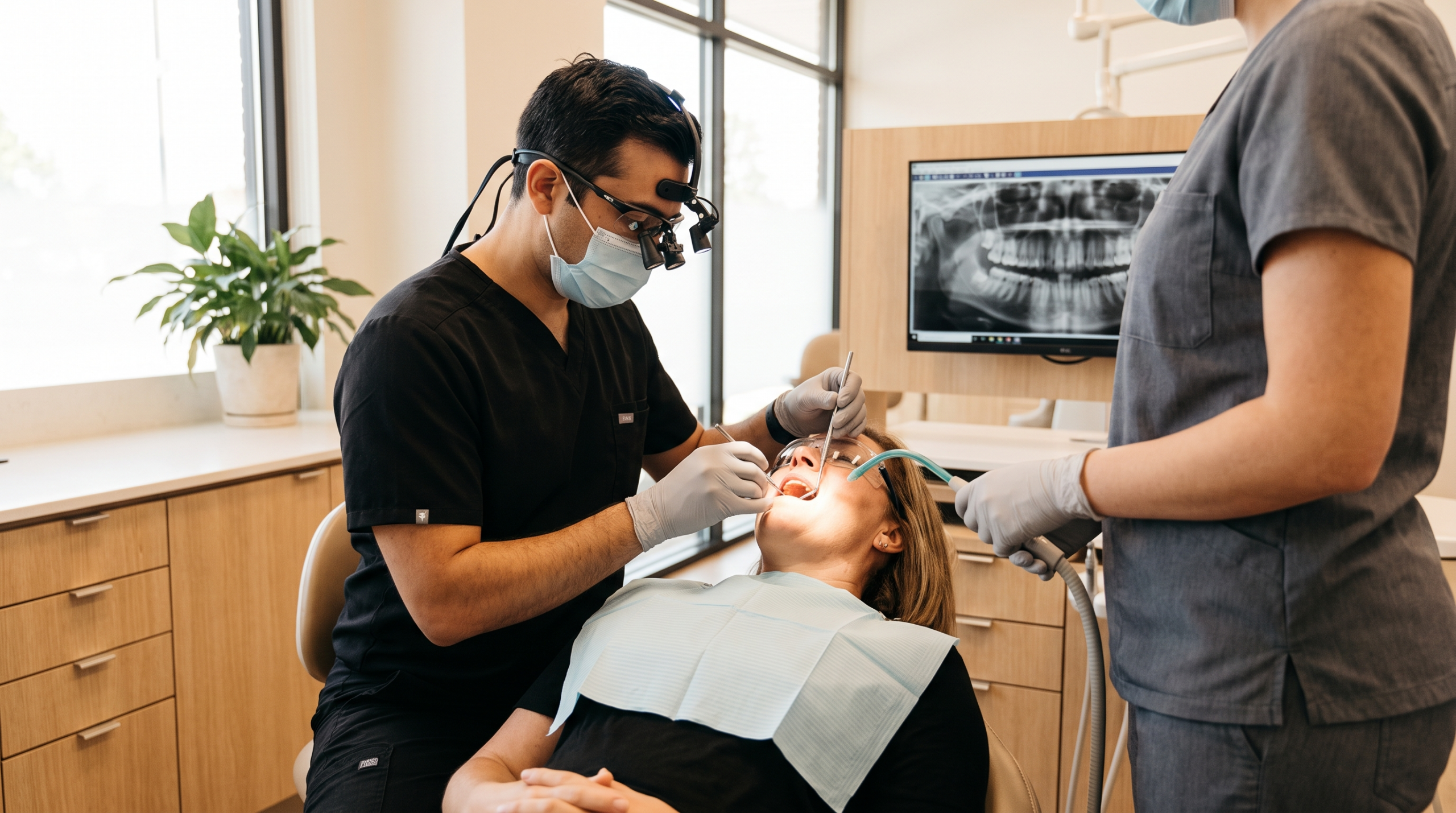
Candidacy comes down to three questions, and most healthy adults clear all three.
Is There Enough Bone
The post needs adequate bone height and width to sit in. Bone shrinks after a tooth is lost, so the longer a space has been empty, the more likely grafting is needed to rebuild the site first. Grafting adds time and cost, but it routinely turns a poor candidate into a good one.
Are The Gums Healthy
Active gum disease is the enemy of implants. The same bacteria that destroy bone around natural teeth will destroy bone around a post. Gum treatment comes first, implants after, in any responsible plan.
Does Overall Health Support Healing
Uncontrolled diabetes, heavy smoking, certain medications, and radiation history in the jaw area all affect bone healing and get weighed during planning. Few of these are automatic disqualifiers. They are conversations to have honestly with the dentist, because the goal is an implant that lasts decades, not one that merely gets placed.
If a failing tooth is still in place, the plan starts with a tooth extraction, sometimes with an implant placed the same day and sometimes after the site heals. Imaging decides which.
One Tooth, Several Teeth, Or A Full Arch
Implants scale. A single missing tooth gets a single post and crown. Several missing teeth in a row can be restored with two posts supporting a bridge between them, which is fewer implants than teeth being replaced.
For patients missing all their teeth in a jaw, a small number of implants can anchor a full arch restoration, or snap retention can be added to a removable denture so it stops shifting when you talk and eat. Patients who already wear full or partial dentures are often surprised that a couple of implants can transform how securely a denture sits.
The right configuration depends on bone, budget, and what bothers you most about the current situation. That is a planning conversation, not a catalog order.
Frequently Asked Questions
Does getting an implant hurt?
Placement is done under local anesthetic and most patients report less soreness afterward than they expected, often comparing it favorably to a tooth extraction. Over the counter pain relief typically covers the first few days.
Can my body reject a titanium implant?
True allergic rejection of titanium is rare. When implants fail, it is usually because osseointegration did not complete, often due to infection, smoking, micro movement during healing, or inadequate bone, rather than the body rejecting the metal itself.
Am I too old for a dental implant?
There is no upper age limit. Healthy bone and gums matter far more than the number on your birthday card, and implants are placed successfully for patients well into their eighties. Age matters more at the young end, since implants wait until jaw growth is complete.
How do I clean an implant?
Like a natural tooth: brush twice daily, clean between teeth, and keep your professional cleaning schedule. The implant cannot decay, but the gum and bone around it can become inflamed if plaque builds up, and that inflammation is what shortens an implant’s life.
Find Out If An Implant Is Right For You
Understanding how implants work is step one. Step two is finding out what your own bone and gums look like, and that takes an exam and imaging, not guesswork.
At Riverside Dental in Sherman Oaks, the $75 New Patient Special covers a comprehensive exam and a full set of digital X-rays, which is exactly the information implant planning starts with. From there you get straight answers about candidacy, alternatives, and cost, in writing.
We are at 12926 Riverside Dr, Suite D, Sherman Oaks, CA 91423, minutes from Studio City, Encino, Valley Village, and Van Nuys. Call (818) 784-5889 or book through our contact page. If you lost a tooth suddenly or one is failing painfully right now, our dental emergency page explains what to do first.