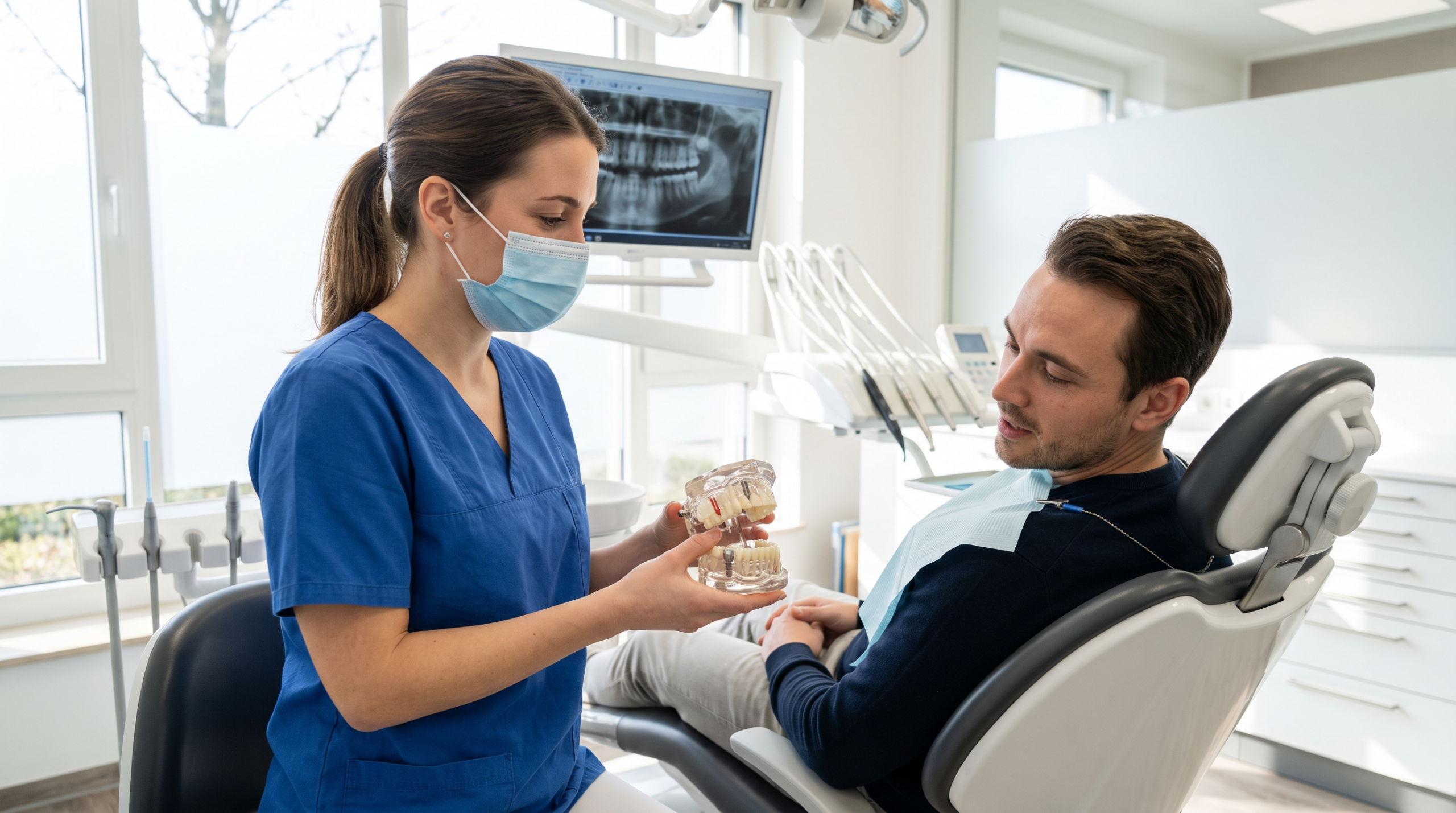

Some people look at photos of themselves and never see their teeth at all. What they see is gum: a smile where the upper gum line takes up more of the frame than the teeth do, or where one tooth looks short and its neighbor looks long because the gumline wanders unevenly between them.
Gum contouring reshapes the gum line so your teeth show in their true proportions. It is a precise, minimally invasive procedure, often done in a single visit with local anesthetic, and for the right person the change is remarkable: the teeth were the correct size all along, and the smile finally shows it.
This guide covers how the procedure works, who it genuinely suits, who it does not, how it pairs with other cosmetic treatments, and what recovery honestly feels like.
What A Gummy Smile Actually Is
Dentists describe a smile as gummy when a large band of gum tissue shows above the upper teeth during a full smile. It is not a defect and not a health problem by itself; plenty of famous smiles are gummy. But if it bothers you, it bothers you, and it is worth knowing that the cause varies from person to person:
- Extra gum coverage. In many people the gums simply cover more of the tooth crown than they need to, so normal-length teeth look short. Sometimes this traces back to how the teeth erupted years ago.
- An uneven gum line. The gum sits at different heights over different teeth, making the smile look irregular even when the teeth themselves are straight.
- Lip and muscle dynamics. A short or highly mobile upper lip lifts higher than average and reveals more gum.
- Jaw development. In some cases the upper jaw itself carries the smile lower than average.
This matters because gum contouring treats the first two causes brilliantly and does nothing for the last two. An honest exam sorts out which story your smile is telling before anyone talks about treatment, and that diagnostic step is what separates a great result from a disappointment.
How The Procedure Works
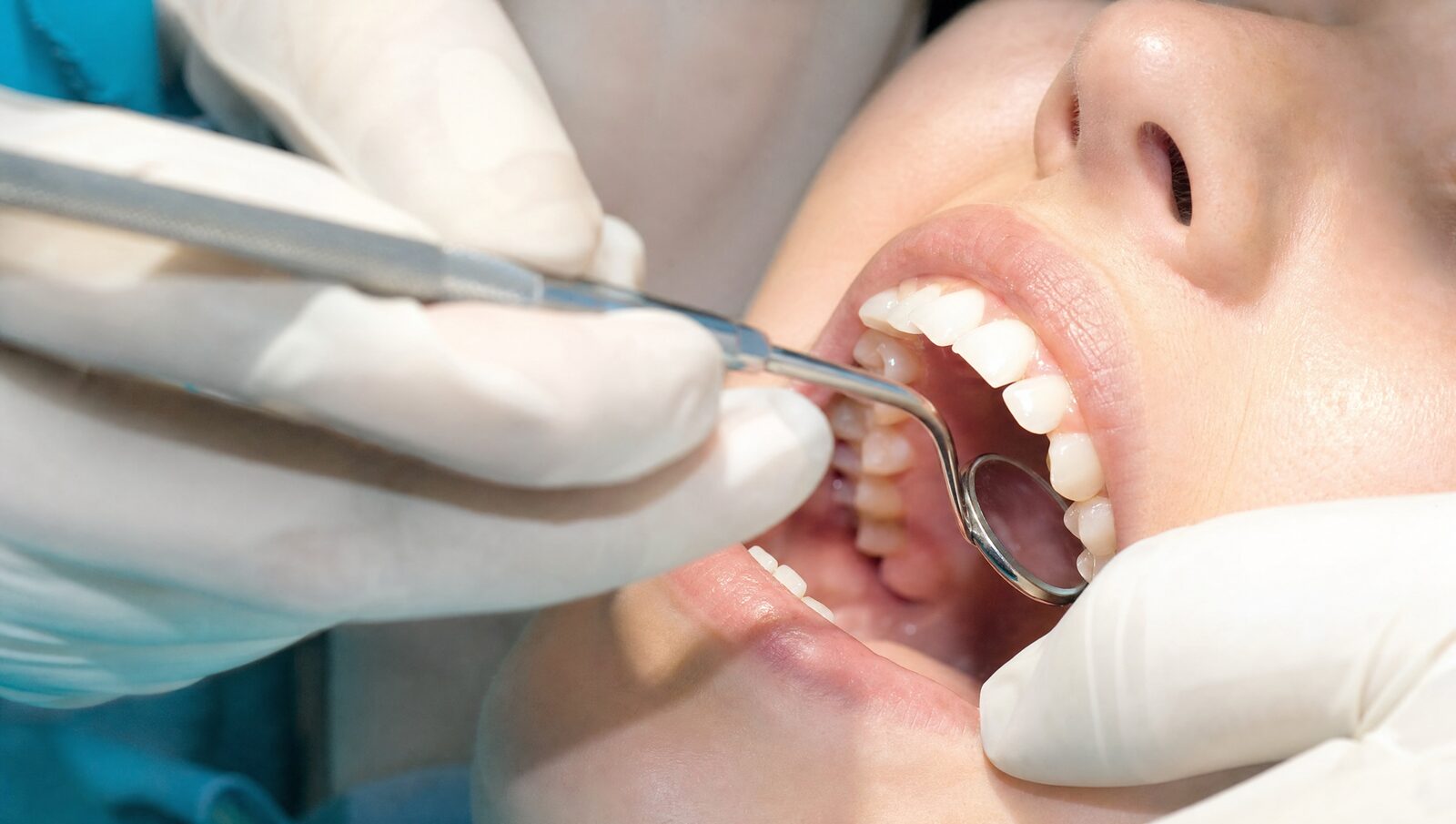
Gum contouring, also called gum reshaping or a gum lift, removes small, carefully mapped amounts of gum tissue and re-sculpts the line where gum meets tooth. The modern version of the procedure is far gentler than most people expect:
- Planning. The new gum line is designed tooth by tooth, following the natural architecture of your smile. Symmetry is the whole game: the line over each front tooth has a proper height and arc, and the design respects both.
- Numbing. Local anesthetic makes the area completely numb. The procedure is not done until it is.
- Reshaping. Using precise instruments, frequently a dental laser, the excess tissue is removed and the line is sculpted. A laser seals as it works, which means minimal bleeding and a much more comfortable recovery than older scalpel techniques.
- The reveal. Because the change is subtractive and immediate, you see the new gum line the same day, with the full result settling in as the tissue heals over the following weeks.
For most cosmetic cases the whole appointment is done within an hour or two. In cases where the underlying bone also sits high, properly called crown lengthening, the procedure involves an extra step below the gum line so the result is stable and the tissue does not simply grow back. That distinction is made during planning, not discovered mid-procedure.
Who Gum Contouring Suits, And Who It Does Not
A strong candidate usually looks like this
- Healthy gums with no active gum disease, and good daily home care.
- Teeth that look short or uneven because of where the gum sits, not because the teeth are worn down.
- A specific, realistic goal: show more tooth, even out the line over two or three teeth, or balance the smile before veneers.
When it is the wrong tool
- Active gum disease. Inflamed tissue must be treated first through gum disease treatment; cosmetic reshaping waits until the foundation is healthy.
- A gummy look caused by the lip or jaw. Removing gum tissue cannot change how high a lip lifts. Those cases have their own solutions, and pretending otherwise wastes your money.
- Teeth that look short because they are worn. Grinding shortens teeth; the fix there is restorative, potentially crowns or veneers, sometimes with a night guard to protect the result.
The pattern in all three: the procedure is only as good as the diagnosis in front of it. You can read more about our approach on the gummy smile correction page.
Where It Fits In A Bigger Smile Plan

Gum contouring is often a finishing move rather than a solo act. The gum line is the frame of the smile, and cosmetic dentists think about it the way a framer thinks about a painting:
- Before veneers. Evening the gum line first means porcelain veneers can be designed against a symmetrical frame, which is where those magazine-cover results come from.
- Alongside whitening. Newly revealed enamel plus professional whitening is a common one-two for a dramatically fresher smile without touching the teeth structurally.
- Within a full smile makeover. For comprehensive cases, contouring is one line item in a smile makeover plan sequenced so each step supports the next.
What Happens At The Consultation

Because candidacy is everything with this procedure, the consultation is where the real work happens. We start with photographs of your full smile in motion, not just teeth apart, because the gum story only shows itself when you actually smile. Digital X-rays reveal where the bone sits under the gum line, which is the detail that determines whether simple contouring will hold or whether the crown lengthening version is the honest recommendation. We measure how much tooth is hiding under the tissue, check the health of the gums themselves, and ask what specifically bothers you about the current smile, because the answer changes the plan.
Then you get the straight version: what contouring can change for you, what it cannot, what the result will look like tooth by tooth, and what it costs in writing. If the gummy appearance turns out to be a lip dynamics case or a jaw development case, we will say so plainly and talk through what would actually help, even when that answer is not a procedure we sell that day. A cosmetic result you love starts with a diagnosis you can trust.
Recovery: What The First Two Weeks Look Like
Recovery from laser gum contouring is genuinely mild for most patients. Expect the gums to feel tender for several days, a little like the feeling after an overly enthusiastic flossing session. The practical guidance is simple:
- Eat soft, cool foods for the first few days; avoid spicy, acidic, crunchy, and very hot things while the tissue is fresh.
- Brush gently near the treated line with a soft brush, and keep the rest of your routine normal.
- Use any prescribed rinse as directed, and take over-the-counter pain relief if you need it. Many patients need nothing.
- Skip smoking entirely during healing; it is the single worst thing for gum tissue trying to recover.
The gum line looks better immediately and refines as swelling resolves. Full tissue maturation takes a few weeks, which is why, in combined plans, veneers are typically designed after the new line has settled.
Frequently Asked Questions
Does gum contouring hurt?
The procedure itself is done fully numb. Afterward, most patients describe days of tenderness rather than pain, managed with soft foods and, if needed, over-the-counter pain relievers. Laser techniques in particular have made recovery far easier than the procedure’s old reputation.
Will the gum tissue grow back?
When only soft tissue needed reshaping and the underlying bone position was respected, the result is stable. In cases where the bone sits high, the crown lengthening version of the procedure addresses it so the tissue does not creep back. This is exactly why the planning step matters.
Is it safe for my teeth?
Yes. The procedure reshapes gum tissue and does not cut into the teeth. Newly exposed areas near the gum line can feel slightly sensitive to temperature for a short period while things settle.
How long does the result last?
A properly planned contour is effectively permanent. The maintenance is ordinary gum health: daily care and regular cleanings, since future gum disease or recession would change any gum line, contoured or not.
Is gum contouring covered by insurance?
Purely cosmetic contouring is typically not covered, while crown lengthening done for restorative reasons sometimes is. Our front office maps out the cost and any insurance and financing options in writing before you commit to anything.
Find Out What Your Smile Is Hiding
If you have spent years angling your smile in photos, the fix may be smaller than you think: for the right candidate, gum contouring is a single comfortable visit that lets normal-length teeth finally look it.
The starting point is an honest assessment of what is actually creating the gummy look. Our $75 New Patient Special covers a comprehensive exam and full digital X-rays, which is everything needed for that conversation. Riverside Dental is at 12926 Riverside Dr, Suite D, Sherman Oaks, CA 91423, serving Sherman Oaks, Studio City, Encino, Valley Village, and Van Nuys. Call (818) 784-5889 or book through our contact page.