Ask how long a dental implant takes and you will hear anything from one day to one year. Both answers are technically possible, which is exactly why neither is helpful.
What you actually want to know is what happens at each visit, how it feels, and how long the whole road is for a typical patient.
A standard single implant takes four to six visits spread over several months: a consultation with 3D imaging, any preparatory work, the placement procedure, a healing period while bone fuses to the post, and finally the abutment and crown. Most of that time is your jaw quietly healing, not you sitting in a chair.
Here is the whole sequence, visit by visit, including the parts that surprise people.
The road starts with an exam. At Riverside Dental in Sherman Oaks, the $75 New Patient Special covers a comprehensive exam and full digital X-rays, which is visit one of this entire process. Call (818) 784-5889 to get started.
Key Takeaways
- The implant timeline is mostly healing time; actual chair time across all visits usually adds up to just a few hours.
- Placement day is routinely the easiest part, done under local anesthetic, and most patients are back to normal routines within a day or two.
- The months long pause between placement and crown is not waiting for an appointment slot; it is the bone fusing to the post, and rushing it is how implants fail.
Visit One: The Consultation And 3D Imaging

The first appointment is all information gathering, and nothing about it hurts.
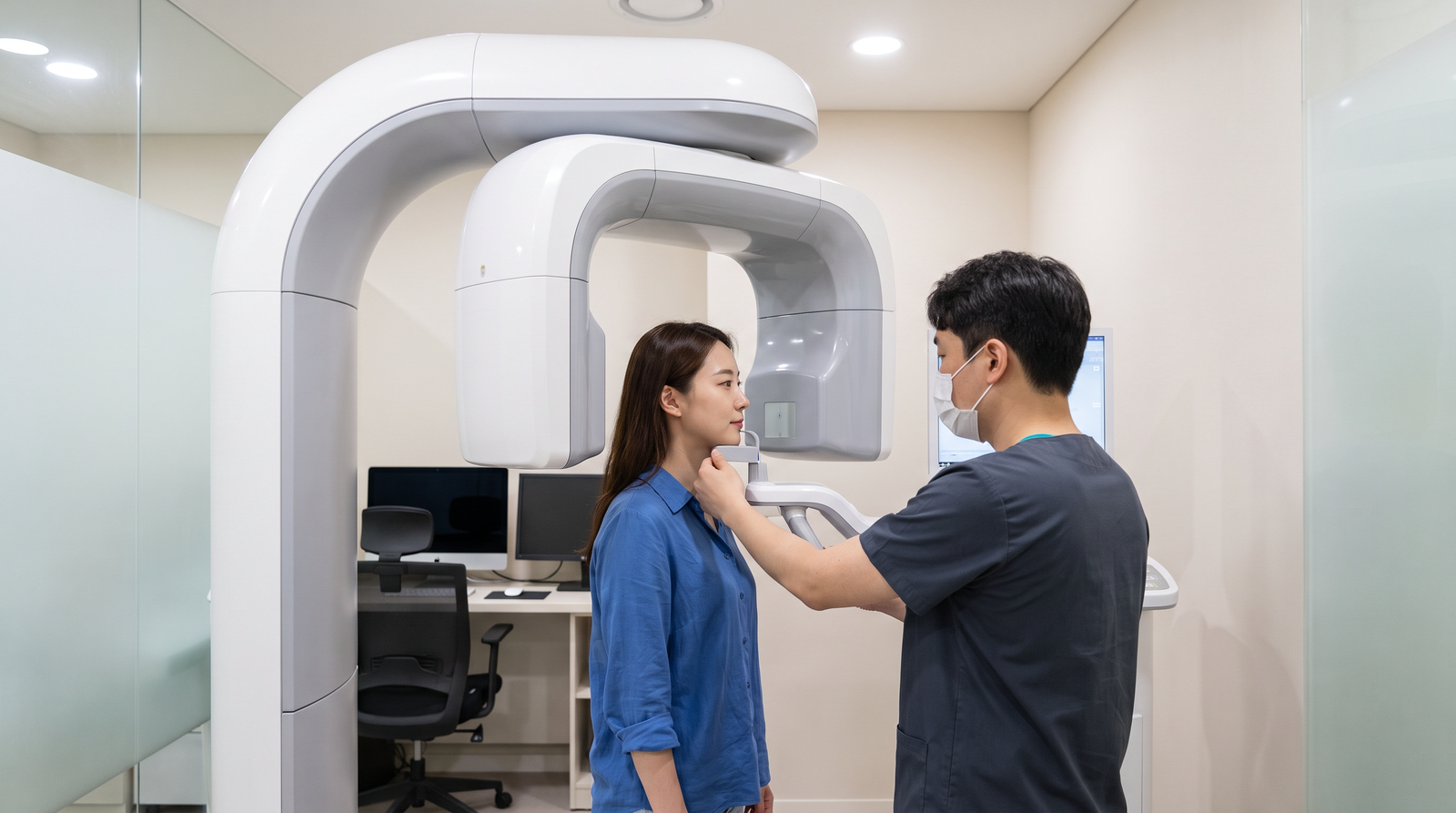
The dentist examines the site, the neighboring teeth, and your gum health, and takes imaging. For implant planning that typically includes 3D imaging, which shows bone height, bone width, and the position of nerves and sinuses. This scan is what turns guesswork into a plan: exactly where the post will go, at what angle, and whether the site needs reinforcement first.
You leave this visit with a plan and an itemized estimate. If you are comparing offices, this is where the quotes become comparable; our guide to what dental implants cost in Sherman Oaks explains how to read them line by line.
If Teeth Need To Come Out First
Many implant journeys start with a failing tooth still in place. In that case, a tooth extraction is the true first procedure.
Two paths follow. Sometimes the implant can be placed in the same visit as the extraction, when the socket is clean and the bone is solid. More often the site gets a bone graft at extraction time and heals for a few months before placement, which protects the socket walls from shrinking while you wait.
Grafting sounds dramatic and is not. The material is placed into the socket in minutes during the same anesthetic, and most patients cannot distinguish graft recovery from ordinary extraction recovery.
If your tooth has been gone for years, this step may still apply, because bone shrinks in the years after a tooth is lost. The scan from visit one answers it definitively.
Placement Day: What It Actually Feels Like
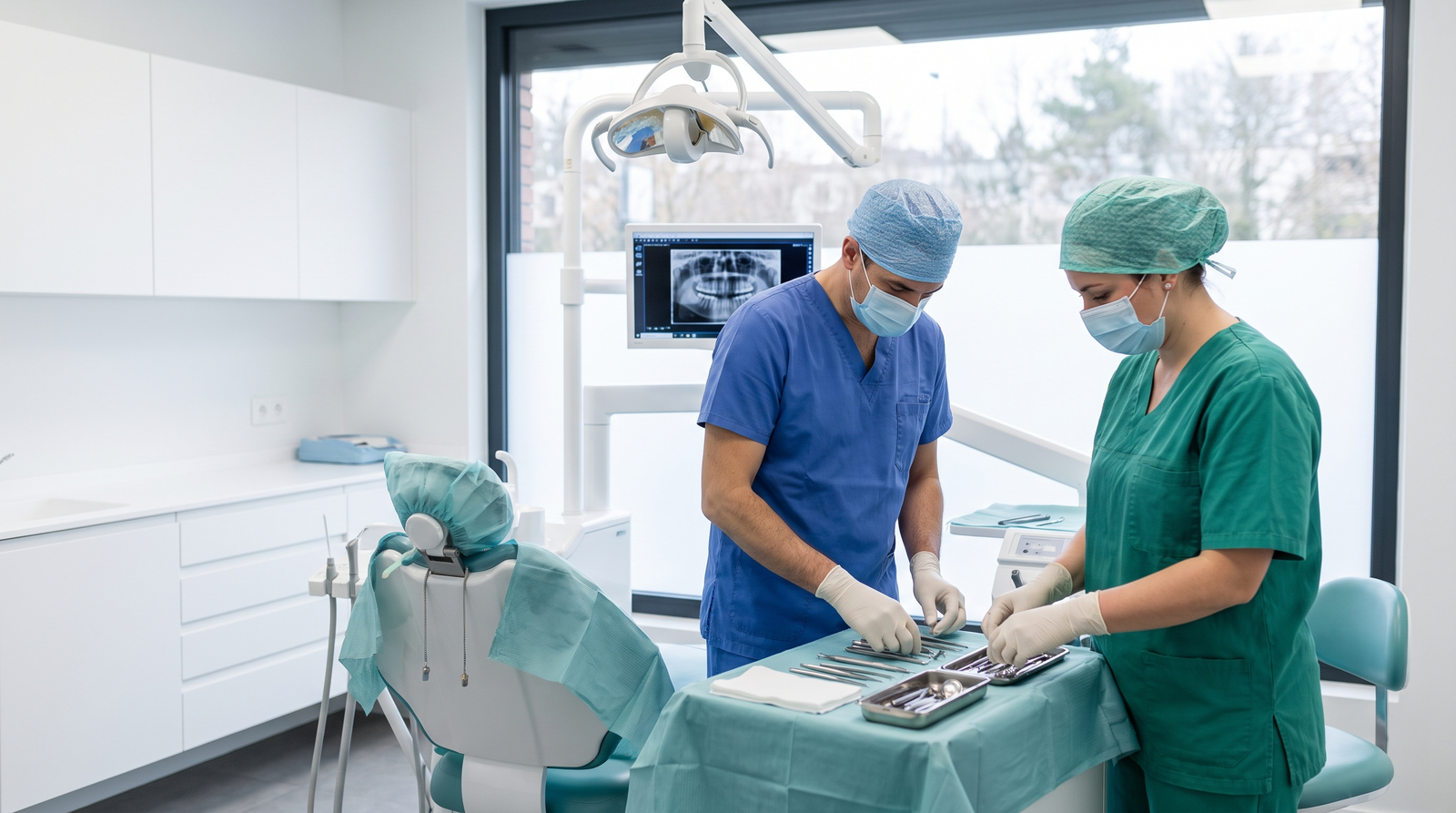
This is the visit people dread, and the one they consistently describe afterward as easier than expected.
The site is numbed with local anesthetic, the same as for a filling. A small opening is made in the gum, a channel is prepared in the bone, and the titanium post is threaded in. For a single implant, the surgical part often takes under an hour. You feel pressure and vibration, not pain. Sedation options exist if you want to be more relaxed than numb.
Recovery is milder than most people assume, because bone itself has few pain nerves. Expect some soreness and minor swelling for a few days, managed with over the counter pain relief and soft foods. Most patients work the next day.
Depending on the site, you may get a small healing cap on the implant or a temporary tooth for appearance. Nobody is sent out into the world with an obvious gap in their smile without discussing it first.
The Healing Months: Where The Implant Earns Its Reputation
After placement comes the quietest and most important phase: osseointegration, the months during which your jawbone fuses directly to the titanium surface.
From your side, nothing seems to be happening. Under the gum, bone cells are locking the post into place, building the foundation that will carry decades of chewing. The biology of it is genuinely interesting, and we unpack it in what dental implants are and how they actually work.
The timeline is typically a few months, varying with the site and your healing. This is the stretch where patience pays: loading an implant before integration completes is one of the main ways implants fail. A short checkup during this window confirms the site is healing cleanly.
Your job during these months is unheroic: keep the area clean, keep your cleanings scheduled, and if you smoke, stop, because smoking is one of the biggest controllable threats to integration.
The Abutment And The Final Crown
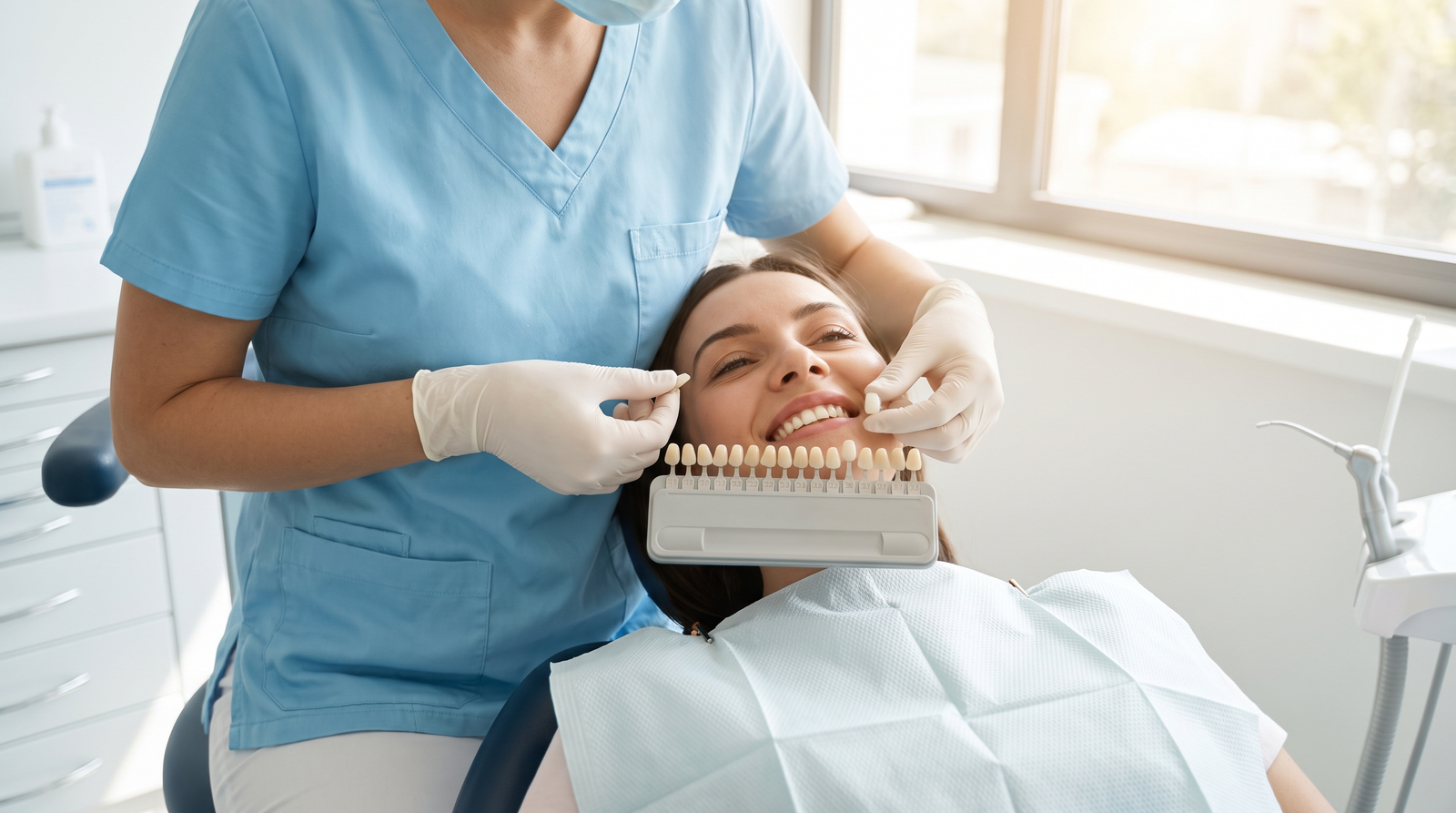
Once the bone has fused, the visible tooth gets built, usually across two easy visits.
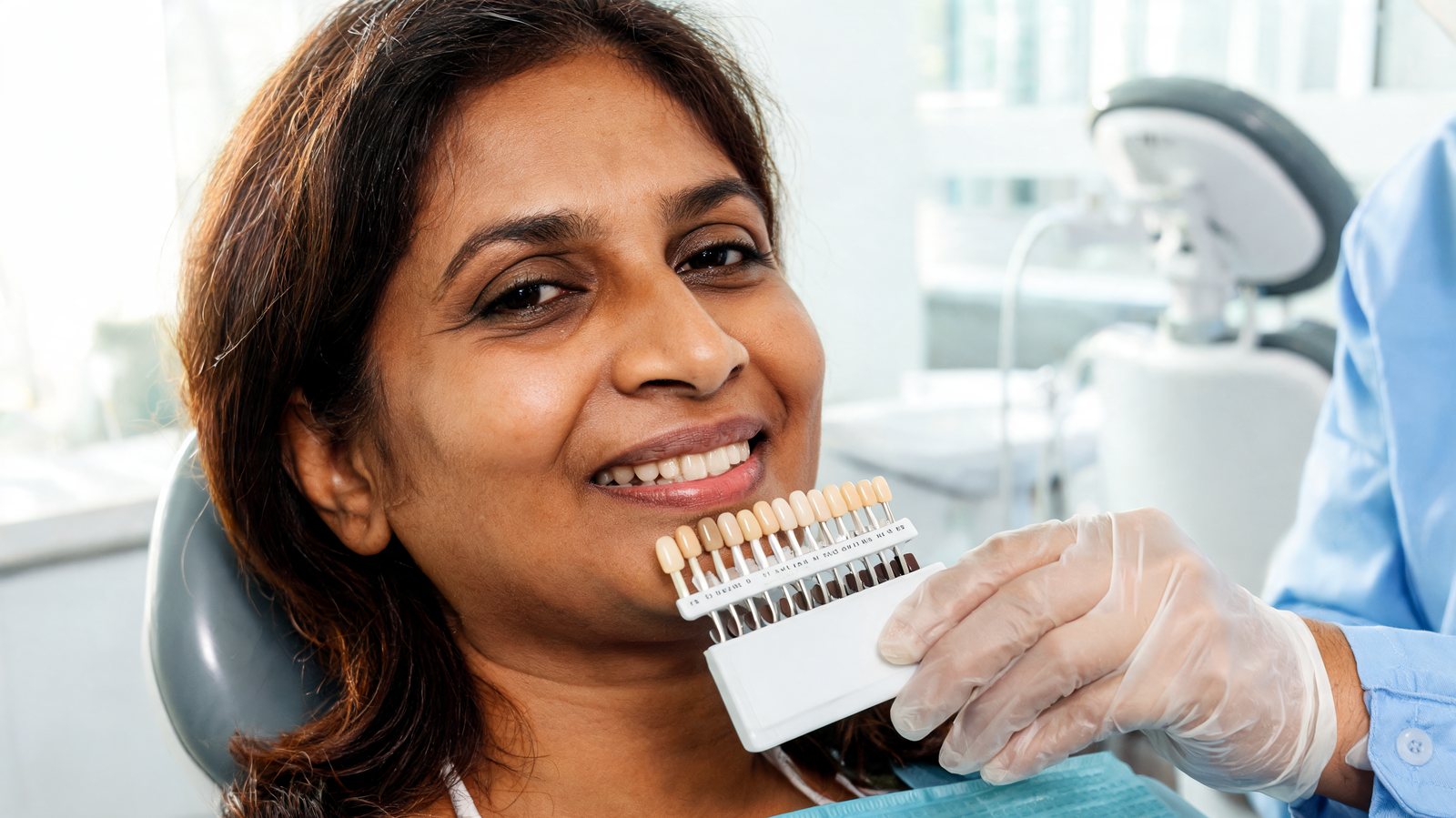
First the implant is uncovered if needed and the abutment, the small connector piece, is attached. An impression or digital scan of it and the surrounding teeth goes to the lab, where your crown is milled and shaded to match its neighbors. Between these visits you may wear a temporary.
At the final visit, the finished dental crown is attached to the abutment, the bite is checked and adjusted, and you walk out with a complete tooth. No drilling of your own teeth happens at any point, because the crown sits on the implant, not on a neighbor.
This last appointment is the shortest of the whole process, and the one with the biggest before and after.
Aftercare And The Honest Total Timeline
Add it up for a typical single implant with no complications: a consultation, placement, a healing check, the abutment visit, and the crown visit. Spread over several months, with total chair time of only a few hours.
With an extraction and grafting at the front, the road lengthens by a few months of additional healing. Faster protocols exist for select cases, including same day placement, but they are earned by good bone and careful planning, not promised in an ad.
Afterward, the implant asks very little: brush, clean between teeth, keep regular checkups so the gum around it stays healthy. Whether that maintenance and timeline are worth it compared to a bridge or denture is a fair question, and we answer it without the sales gloss in our honest look at whether implants are worth the investment.
Frequently Asked Questions
How many appointments does a single implant take?
Typically four to six: consultation and imaging, placement, at least one healing check, the abutment visit, and the crown delivery. An extraction or grafting adds a visit at the start. Each appointment is short; the calendar length comes from healing between them.
Can I eat normally during the process?
Mostly yes. You will eat soft foods for a short stretch after placement and keep hard chewing off the site while it integrates. Between milestones, normal eating continues, especially when the implant is in one area and you chew on the other side.
Will I be without a tooth while it heals?
Not visibly, unless you choose to be. For front teeth, a temporary tooth covers the gap during healing. For back teeth, some patients skip the temporary since the space does not show. The plan is agreed before placement day, never sprung on you after.
What if something hurts during the healing months?
Mild soreness fades within days of placement. Pain that returns weeks later, swelling, or a loose feeling in the implant is not normal and warrants a call, not waiting for the next scheduled visit. Caught early, most healing problems are manageable.
Can the whole thing really be done in one day?
Same day protocols exist, where an extraction, implant placement, and a temporary tooth happen in a single visit. They work well in carefully selected cases with strong bone and no infection. Even then, the final crown still waits for integration, so the one day version delivers a temporary tooth in a day, not a finished result. Whether you qualify is a scan question, not a marketing question.
Start With Visit One In Sherman Oaks
Every implant story starts the same way: an exam, a set of images, and a plan. Everything after that is a known sequence with no surprises in it.
At Riverside Dental, the $75 New Patient Special covers that first step, a comprehensive exam with full digital X-rays. You will leave knowing whether an implant fits your situation, what preparatory work if any you need, and what the whole road would cost, in writing.
We are at 12926 Riverside Dr, Suite D, Sherman Oaks, CA 91423, an easy trip from Studio City, Encino, Valley Village, and Van Nuys. Call (818) 784-5889 or book through our contact page. If you are reading this because a tooth just broke or was knocked out, go to our dental emergency page first; fast action can keep more options open.