Many people switched to vaping believing it would be gentler on their body, and they assume their mouth is fine too.
The research increasingly says otherwise. Vaping affects your gums, your saliva, your enamel, and the balance of bacteria in your mouth in ways that are quieter than cigarettes but still very real.
The short answer is yes: vaping does affect your oral health, even when the changes are slow and easy to miss at first.
It is also a mistake to assume nicotine-free vapes are harmless. The propylene glycol, glycerin, and flavorings in the aerosol can irritate and dry the mouth on their own, with or without nicotine.
If you vape and want a clear picture of what is happening in your mouth, Riverside Dental welcomes new patients in the Sherman Oaks area and can be reached at (818) 784-5889.

Understanding how vaping affects your teeth and gums puts you in a far better position to protect your smile before problems take hold.
Key Takeaways
- Vaping dries the mouth and irritates gum tissue, which raises the risk of gum disease, cavities, and bad breath.
- Nicotine in most vapes narrows blood flow to the gums, which can hide early gum disease and slow healing.
- Vaping is not a safe alternative to smoking for your mouth, but consistent home care and regular checkups meaningfully reduce the damage.
Does Vaping Affect Oral Health? The Short Answer
Vaping is newer than smoking, so the long-term research is still catching up. But the evidence gathered so far consistently points in one direction: the aerosol you inhale changes the environment inside your mouth, and not for the better.
Because the effects build gradually, many people who vape feel fine for a long time and are surprised when a dentist points out gum inflammation or new decay.
What Is Actually In Vape Aerosol
Vape aerosol is not just water vapor. It typically contains nicotine, propylene glycol, vegetable glycerin, flavoring chemicals, and trace metals from the heating coil.
Propylene glycol attracts and holds water, which dries out the mouth. Glycerin and sweet flavorings leave a sticky residue on teeth that feeds bacteria, and nicotine affects blood flow to the gums. Each of these plays a role in how vaping affects your teeth and gums.
How It Compares To Smoking
Vaping avoids the tar and many of the combustion byproducts that make cigarettes so damaging, so it is not accurate to say it is exactly as harmful as smoking. But “less harmful than cigarettes” is not the same as “safe.”
Vaping introduces its own risks through nicotine, drying agents, and flavorings, and it shares smoking’s habit of masking early gum problems. If you are weighing the two, it helps to understand exactly how smoking damages teeth and gums as well, because many of the gum-related mechanisms overlap.
How Vaping Affects Your Gums
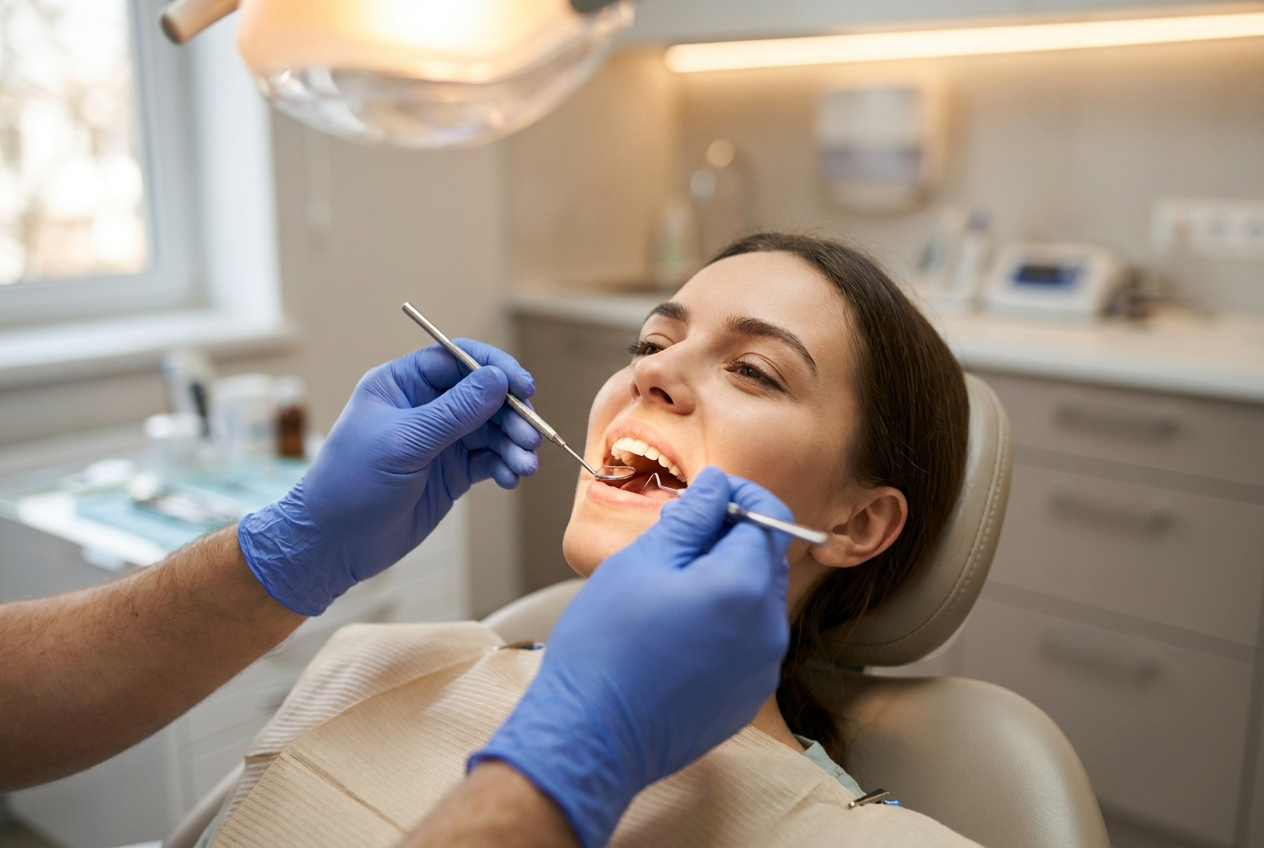
Your gums are especially vulnerable to vaping because they are exposed directly to the aerosol and are sensitive to both nicotine and the drying, irritating compounds it carries.
Nicotine, Reduced Blood Flow, And Hidden Gum Disease
Nicotine is a vasoconstrictor, meaning it narrows blood vessels and reduces circulation to the gums. Less blood flow means less oxygen and fewer immune cells reaching the tissue, so your body is slower to fight infection and heal.
It also means gums may not show the usual redness, swelling, and bleeding that normally signal gingivitis and periodontitis. Just as with smoking, gum disease can advance quietly in people who vape, which is one of the biggest reasons regular dental exams matter.
Inflammation And Gum Recession
The flavoring agents and other compounds in vape aerosol can irritate and inflame gum tissue directly. Over time, chronic irritation contributes to redness, swelling, and tenderness.
As inflammation persists, gums can begin to pull away from the teeth. This recession exposes the tooth roots, increases sensitivity, and creates pockets where bacteria collect, feeding a cycle that is difficult to reverse without professional care.
Changes To Your Mouth’s Bacteria
Research suggests vaping can shift the balance of bacteria in the mouth, known as the oral microbiome, toward species associated with inflammation and disease. A sweeter, drier, stickier mouth environment favors the bacteria that cause decay and gum problems.
This altered microbiome is part of why some people who vape notice more frequent gum irritation, bad breath, and cavities even when their brushing habits have not changed.
How Vaping Affects Your Teeth
Beyond the gums, vaping affects the teeth themselves through dryness, sugar-like residues, and acids that wear at enamel and encourage decay.
Dry Mouth And A Higher Risk Of Cavities
Propylene glycol absorbs moisture, which is why many people who vape experience dry mouth. Saliva is your mouth’s natural defense: it neutralizes acids, washes away food particles, and delivers minerals that protect enamel.
When saliva drops, acids linger longer and cavity-causing bacteria thrive. That combination measurably increases the risk of tooth decay, often in people who never had many cavities before.
Flavorings, Acids, And Enamel Wear
Many e-liquids are sweet and acidic, and the sweet flavorings promote the growth of acid-producing bacteria. Acid softens and gradually erodes enamel, the hard outer layer that protects your teeth.
Once enamel wears away it does not grow back, and thinner enamel means more sensitivity and a higher risk of decay. If you already limit acidic foods and drinks to protect your enamel, it is worth knowing that vaping can work against those efforts.
Staining And Bad Breath
Vaping tends to stain teeth less dramatically than the tar in cigarettes, but nicotine can still contribute to yellowing over time, and residue from flavorings can dull the surface of the teeth.
Persistent bad breath is also common, driven by dry mouth and the shift toward odor-producing bacteria. Because these causes are ongoing, the odor is hard to cover with mints or mouthwash and often points to an underlying gum or dryness issue.
Vaping, Braces, And Younger Patients
Vaping is especially common among teenagers and young adults, which is exactly the group most likely to be in orthodontic treatment. That overlap creates some specific concerns worth understanding.
Why Vaping Complicates Orthodontic Treatment
Healthy gums and bone are what allow teeth to move safely and hold their new position. Because vaping reduces blood flow to the gums and raises the risk of gum inflammation, it can make teeth and gums less responsive during orthodontic treatment.
Weakened gum support can also make teeth more likely to shift back toward their old positions after treatment ends, undoing some of the results. Dry mouth adds cavity risk around brackets and aligners, where cleaning is already harder.
Special Concerns For Teens And Young Adults
Younger mouths are still developing, and nicotine is especially habit-forming for adolescents. Early gum inflammation and decay set a difficult baseline for a lifetime of oral health.
Because vaping devices are discreet and often nearly odorless, it is also easy for the habit to go unnoticed by parents until a dental problem appears. Honest conversations and regular checkups are the best ways to catch issues early.
Protecting Your Mouth If You Vape

If you are not ready to stop vaping, there is still a lot you can do to limit the damage. Consistent care will not erase every effect, but it makes a real difference.
Daily Habits That Reduce Damage
Stay well hydrated and sip water throughout the day to counter dry mouth, and take a few sips of water after vaping to rinse residue from your teeth. Keep up a strong home care routine: brush twice daily with fluoride toothpaste, floss daily, and consider an alcohol-free mouth rinse that will not add to dryness.
Sugar-free gum with xylitol can help stimulate saliva between sessions, and limiting other acidic or sugary drinks gives your enamel a break.
Why Regular Dental Visits Matter
Because vaping can hide the early signs of gum disease, professional monitoring is essential. Regular cleanings and checkups let your dentist catch inflammation and decay early and remove buildup that home care cannot.
Routine exams are also when your dental team performs an oral cancer screening, an important safeguard for anyone using nicotine products. Let your dentist know that you vape so they can tailor your care and how often you are seen.
Cutting Back Or Quitting
The single most effective step for your mouth is reducing or stopping vaping. Blood flow to the gums begins to improve soon after nicotine use decreases, which helps your gums heal and defend themselves.
Cutting back also eases dry mouth and lowers the acid and residue load on your teeth. Your dentist can be a supportive, judgment-free partner and point you toward resources if you decide to quit.
When To See Your Dentist
Because vaping can mute the usual warning signs, it is wise to pay close attention to changes in your mouth and act on them early rather than waiting for pain.
Symptoms You Should Not Ignore
Book an appointment rather than wait for your next routine visit if you notice any of the following:
- Gums that are red, swollen, tender, or have started to pull away from your teeth
- Persistent dry mouth or a burning sensation
- Ongoing bad breath or a bad taste that does not improve with brushing
- New or increasing sensitivity to hot, cold, or sweet foods
- New cavities or rough, chalky spots on your teeth
- A sore, ulcer, or red or white patch that does not heal within two weeks
How Early Care Protects Your Smile
The earlier a problem is found, the more of your natural smile can usually be saved. Gum inflammation caught at the gingivitis stage is reversible, and early decay can be treated before it reaches the nerve.
Regular visits give your dental team the chance to step in while treatment is simplest, and to build a plan around your specific risks. At a practice like Riverside Dental in Sherman Oaks, the team is used to working with patients who vape and can explain exactly what they see, without judgment, so you leave with a clear plan for protecting your smile.
Frequently Asked Questions
Is vaping bad for your teeth and gums?
Yes. Vaping dries the mouth, irritates and inflames the gums, and shifts the balance of oral bacteria toward species linked to decay and gum disease. Nicotine also reduces blood flow to the gums, which slows healing and can hide early problems. While the long-term research is still developing, the evidence so far clearly shows that vaping is not harmless for your mouth.
Is vaping better for your mouth than smoking?
Vaping avoids the tar and many combustion byproducts of cigarettes, so it is not identical to smoking. However, it is not a safe substitute. Vaping carries its own risks through nicotine, drying agents, and flavorings, and it shares smoking’s tendency to mask early gum disease. “Less harmful than cigarettes” does not mean safe for your teeth and gums.
Can vaping cause gum disease?
Vaping contributes to gum disease through several pathways. Nicotine reduces blood flow and immune defense in the gums, the aerosol irritates and inflames gum tissue, and the drier, sweeter mouth environment encourages harmful bacteria. Together these raise the risk of gingivitis and, if left unchecked, periodontitis, the more serious form of gum disease that can lead to tooth loss.
Does nicotine-free vaping still affect oral health?
Yes. Even without nicotine, the propylene glycol and glycerin in e-liquid dry the mouth, and the flavoring chemicals can irritate gum tissue and feed acid-producing bacteria. Nicotine-free vaping removes one harmful ingredient but not the dryness, irritation, and decay risk that come from the rest of the aerosol.
Can vaping cause dry mouth and bad breath?
Dry mouth is one of the most common effects of vaping, because propylene glycol absorbs moisture. With less saliva to rinse the mouth and control bacteria, bad breath frequently follows. Staying hydrated, rinsing with water after vaping, and keeping up a strong oral hygiene routine can help, but persistent dryness or odor is worth having evaluated.
Does vaping affect braces or teeth straightening?
It can. Healthy gums and bone are essential for teeth to move safely and stay in their new positions. Because vaping reduces blood flow to the gums and increases the risk of gum inflammation, it can make orthodontic treatment less predictable and raise the chance that teeth shift back afterward. Dry mouth also increases cavity risk around brackets and aligners, so anyone in treatment who vapes should be especially diligent about care.