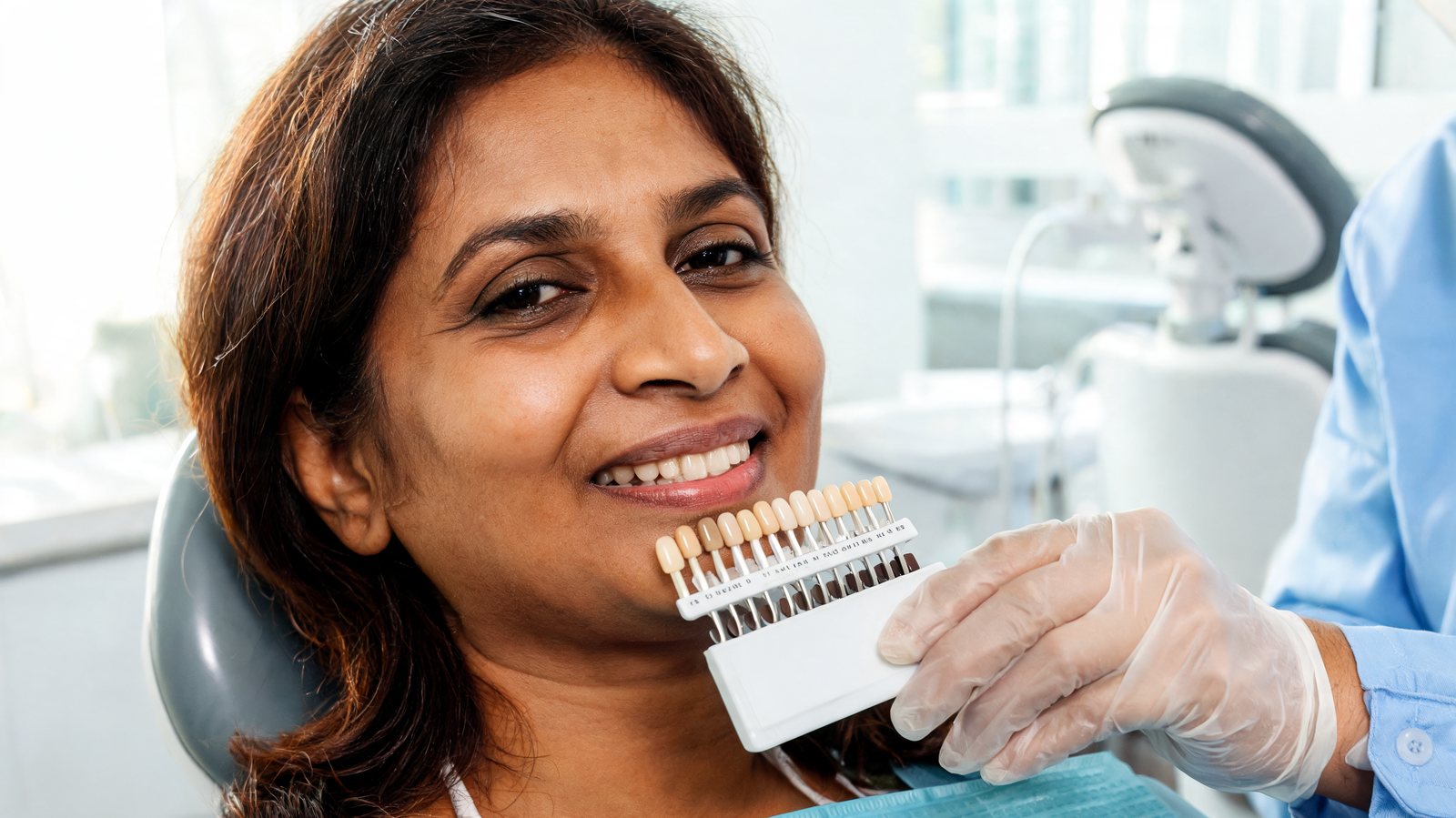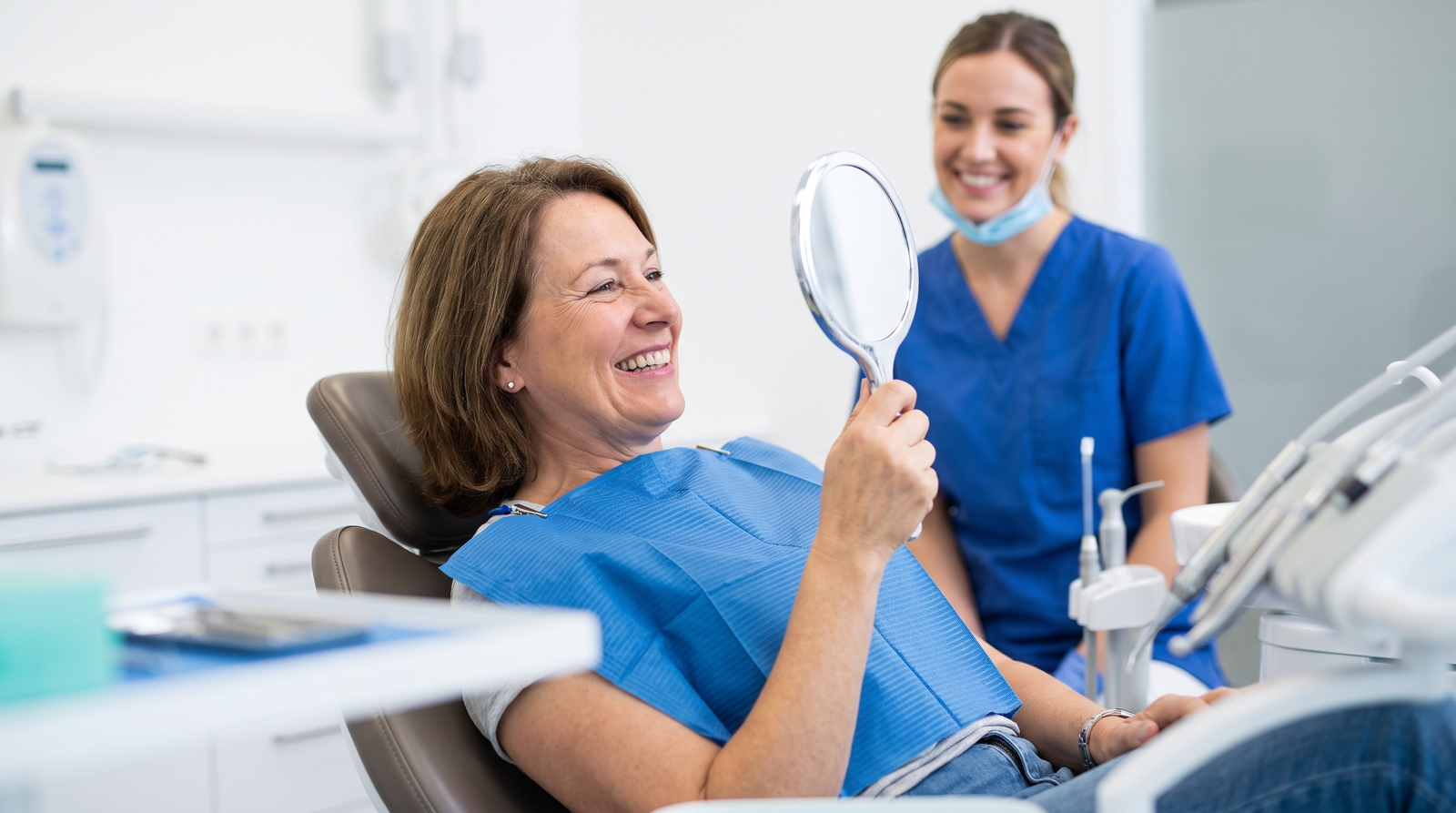
Your smile is one of the first things people notice. Keeping it healthy takes more than a quick brush before bed.
Most adults develop oral care habits early in life and rarely revisit them. Small inefficiencies can compound quietly over years into cavities, gum issues, or sensitivity.
Building a consistent, well-rounded oral hygiene routine is one of the highest-return habits you can maintain as an adult.
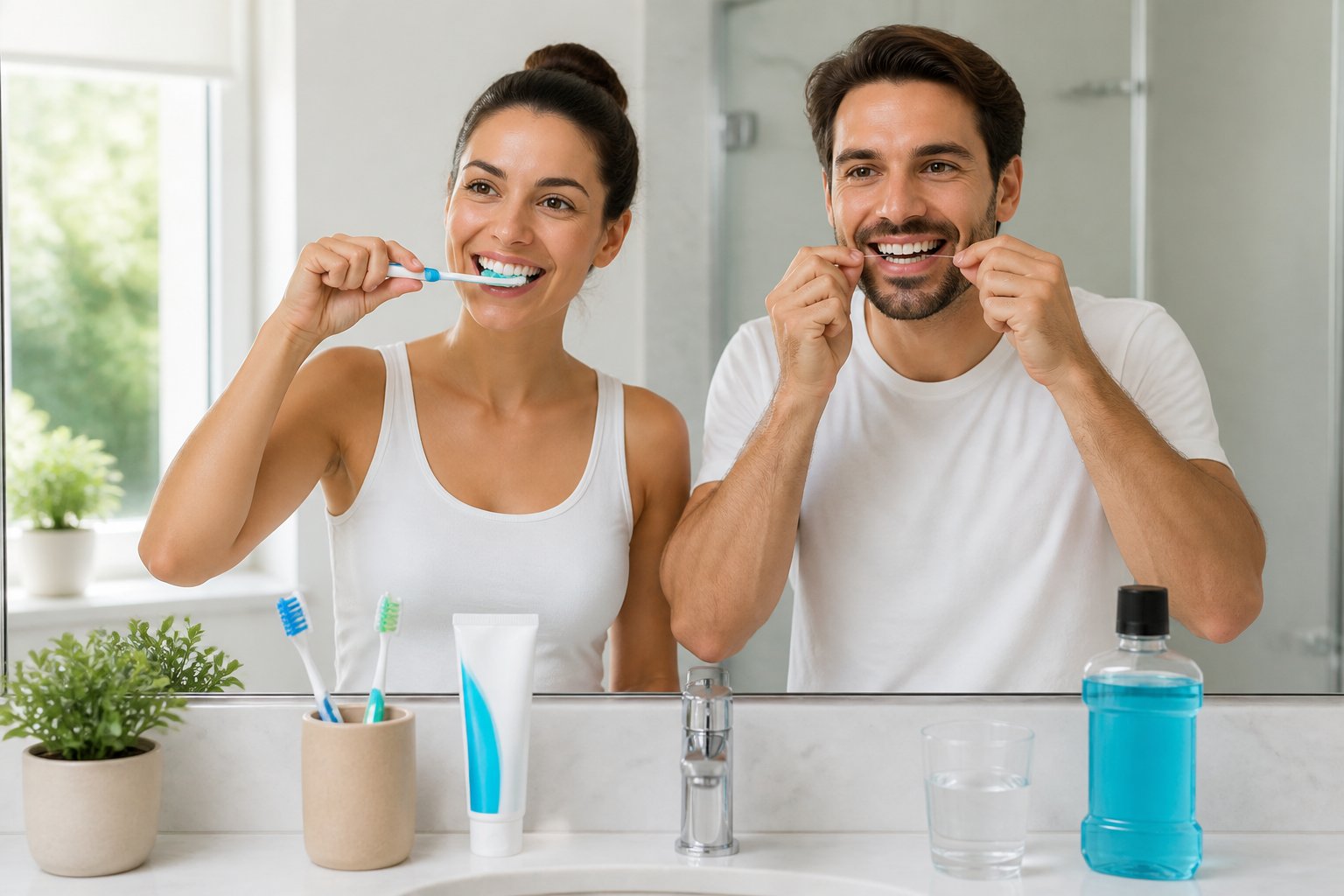
The good news is that an effective routine does not require expensive products or a complicated schedule. A few well-executed daily steps, done consistently, protect against the most common dental problems adults face.
What matters most is technique, timing, and knowing when to adjust based on your specific needs.
Key Takeaways
- Brushing and flossing twice daily with proper technique prevents the majority of common adult dental problems.
- The right tools and product choices make your routine more effective without adding time or complexity.
- Professional cleanings and timely dental visits are essential partners to any strong home care routine.
What A Strong Daily Routine Should Accomplish
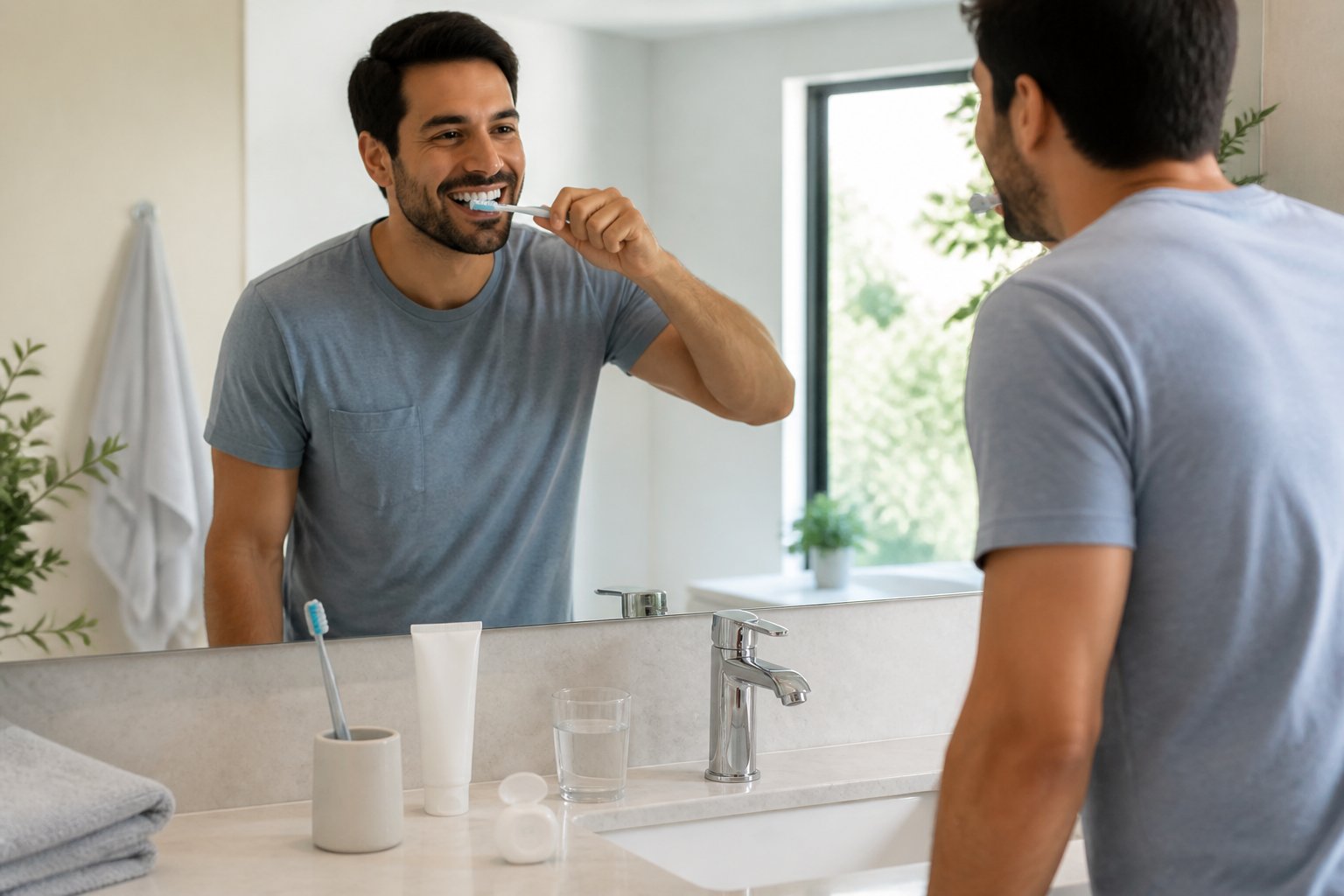
A well-designed daily routine targets three measurable outcomes: controlling plaque, protecting your gums, and sustaining the habit over time. Achieving all three means your routine is both clinically effective and realistically maintainable.
Plaque Control And Cavity Prevention
Plaque is a sticky film of bacteria that forms on your teeth constantly throughout the day. When it is not removed regularly, it metabolizes sugars and produces acids that erode enamel and cause cavities.
Brushing twice daily and flossing once disrupts this cycle before plaque hardens into tartar. The key is not just frequency but coverage.
Many adults miss the same spots repeatedly, particularly along the gumline and between teeth. Paying attention to those areas during every session gives your routine real protective value.
Gum Protection And Breath Improvement
Healthy gums do not bleed when you brush or floss. If yours do, that is usually a sign that plaque is accumulating along the gumline and triggering inflammation.
Consistent, gentle cleaning removes the bacterial buildup that drives gum disease and also addresses one of the primary causes of chronic bad breath. Cleaning between teeth and along the gumline each day makes a measurable difference in gum tissue health within a few weeks.
Most people notice that bleeding reduces significantly once they commit to daily flossing.
Consistency Over Complexity
An elaborate ten-step routine done sporadically is far less effective than a simple routine done reliably every day. Brushing, flossing, and rinsing take under five minutes total.
Anchoring those steps to existing habits like waking up or getting ready for bed makes them easier to sustain long term. You do not need the most advanced products to see results; you need to show up for your teeth every day.
Morning And Night Essentials
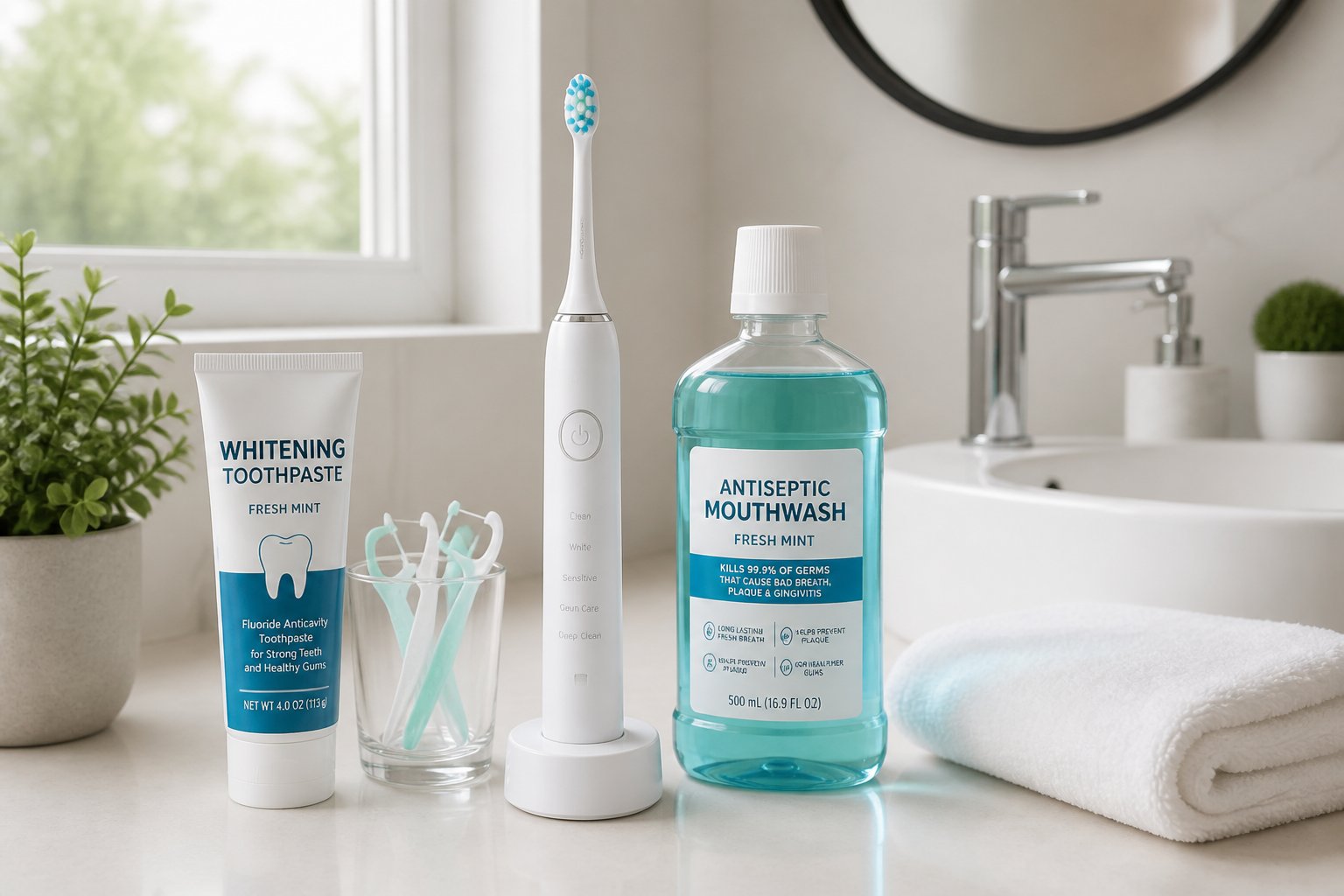
Your morning and nighttime routines each serve a distinct purpose. Doing them well means understanding what each session is actually protecting against.
Fluoride toothpaste, proper brushing mechanics, correctly timed flossing, and optional rinsing all work together as a system.
How To Brush Effectively
Hold your toothbrush at a 45-degree angle to your gumline and use short, gentle strokes. Scrubbing vigorously does not clean better; it wears down enamel and irritates gum tissue.
Spend a full two minutes covering all surfaces: outer, inner, and chewing surfaces of every tooth. Brush once in the morning and once before bed.
The nighttime session is more critical because saliva flow decreases during sleep. This removes the natural defense your mouth has against bacterial acids.
When And How To Floss
Flossing once a day is enough for most adults. Doing it before brushing at night is the most effective approach.
This loosens debris and plaque between teeth so your toothbrush and toothpaste can reach a cleaner surface. Use about 18 inches of floss, winding most of it around your middle fingers so you use a fresh section between each tooth.
Curve the floss into a C-shape around each tooth and slide it gently below the gumline, not just between teeth.
Choosing A Fluoride Toothpaste
Fluoride strengthens enamel and helps remineralize early tooth decay before it becomes a cavity. Look for the American Dental Association (ADA) seal on any toothpaste you choose as a baseline quality indicator.
If you have specific concerns like sensitivity, whitening, or tartar control, there are fluoride formulations that address each. Sensitivity toothpastes, for example, contain compounds that block the tiny tubules in exposed dentin that transmit temperature and pressure signals.
Using Mouthwash The Right Way
Mouthwash is a supplement to brushing and flossing, not a replacement for either. Use it after brushing and flossing, not before, so it can reach a cleaner surface and work more effectively.
Swish for the duration listed on the label, typically 30 to 60 seconds. Antiseptic rinses that contain chlorhexidine or cetylpyridinium chloride reduce bacterial load.
Fluoride rinses add an extra layer of enamel protection. Avoid eating or drinking for at least 30 minutes after rinsing to let the active ingredients continue working.
Tools That Make Home Care Easier
The right tools will not replace good technique, but they reduce friction and make it easier to clean thoroughly every session. Knowing which products are genuinely useful, versus which are marketing-driven extras, saves you money and keeps your routine streamlined.
Manual Vs Electric Toothbrushes
Both manual and electric toothbrushes clean effectively when used correctly. Electric toothbrushes, particularly oscillating-rotating models, do offer a measurable advantage for people who tend to brush too hard or miss areas.
They also do more of the mechanical work, which benefits those with limited dexterity. If you use a manual brush, replace it every three months or sooner if the bristles splay.
A worn brush loses cleaning efficiency quickly. Soft bristles are the right choice regardless of brush type; medium and hard bristles are too abrasive for daily use.
Floss Picks, Water Flossers, And Interdental Brushes
Floss picks are convenient and work well for people who struggle with traditional string floss. They are especially helpful when flossing on the go.
One pick should ideally be used per flossing session to avoid transferring bacteria between teeth. Water flossers are a strong option if you have braces, bridges, implants, or periodontal pockets.
They irrigate below the gumline and flush debris that string floss can miss. They are not a complete substitute for floss but work well alongside it.
Interdental brushes are small cylindrical brushes that fit between teeth. They are particularly effective for adults with larger gaps or exposed root surfaces.
Tongue Cleaners And Other Helpful Add-Ons
A tongue scraper removes the bacterial film that accumulates on the tongue surface, which is a major contributor to bad breath. Run it from the back of the tongue to the front two or three times each morning.
You will notice a difference in breath freshness fairly quickly. Other useful add-ons include:
- Xylitol chewing gum after meals to neutralize acids and stimulate saliva
- Dry mouth sprays or lozenges for people with chronic dryness
- Whitening trays or strips used occasionally as directed, not as a daily substitute for fluoride toothpaste
Adjusting Habits For Common Adult Needs
Oral health needs shift as you age, and a routine that worked in your twenties may need adjustment by your forties. Specific conditions and dental work each call for targeted approaches to keep your routine effective.
Sensitive Teeth
Tooth sensitivity often signals exposed dentin, enamel erosion, or receding gums. If heat, cold, or sweet foods cause a sharp reaction, switch to a sensitivity-specific fluoride toothpaste and use it consistently for at least four to six weeks.
Many people notice improvement within that window. Avoid acidic foods and drinks immediately before brushing, and wait 30 minutes after eating before you brush.
Brushing shortly after consuming acid temporarily softens enamel and increases sensitivity.
Dry Mouth
Saliva is your mouth’s natural defense. It neutralizes acids, washes away food particles, and delivers minerals that protect enamel.
When saliva production drops, due to medications, certain medical conditions, or dehydration, cavity risk rises significantly. Stay hydrated throughout the day and rinse with water after meals.
Use a fluoride mouthwash and consider a prescription-strength fluoride toothpaste if your dentist recommends it. Alcohol-free mouthwash is preferable for dry mouth since alcohol-based rinses can worsen dryness.
Dental Work Such As Crowns, Bridges, And Implants
Crowns and bridges require extra attention at the margins where they meet natural tooth structure. Plaque accumulates there and can cause decay underneath the restoration.
Use a floss threader or water flosser to clean under bridges where string floss cannot pass through normally. Implants need daily cleaning just like natural teeth.
The surrounding gum tissue can still develop inflammation, known as peri-implantitis, if plaque is not removed consistently. An interdental brush around the implant base works particularly well.
Gum Inflammation And Early Periodontal Concerns
Red, swollen, or bleeding gums are your first signal that something is off. In early stages, improved brushing and flossing habits can reverse gingivitis within a few weeks.
Focus on the gumline specifically and be thorough rather than fast. If your gums bleed persistently despite consistent care, that warrants a professional evaluation.
Early periodontal disease is highly manageable when caught and treated before it progresses to bone loss.
Everyday Mistakes That Undermine Results
Many adults follow a routine they believe is thorough but unknowingly repeat the same errors day after day. These missteps are common and easy to correct once you know what to look for.
Brushing Too Hard Or Too Fast
Aggressive brushing feels like it should clean better, but it does the opposite. It wears away enamel, contributes to gum recession, and can make existing sensitivity worse.
If your bristles are flattened after two or three weeks of use, you are brushing too hard. Aim for gentle, steady pressure with small strokes.
Let the bristles do the work rather than forcing them against the tooth surface.
Skipping Nighttime Care
Skipping the nighttime brushing session is the single most damaging routine shortcut most adults make. Saliva production drops during sleep, so whatever plaque and food residue you leave on your teeth sits undisturbed for seven to eight hours.
That is the highest-risk window for enamel erosion and bacterial activity. Even on nights when you are tired, a complete two-minute brush and quick floss is worth every second.
Frequent Snacking And Sugary Drinks
Every time you eat or drink something other than water, your mouth’s pH drops and becomes acidic. Your saliva naturally neutralizes this within 20 to 30 minutes.
Frequent snacking or sipping throughout the day means your teeth spend more time under acid attack, significantly increasing cavity risk. Consolidate eating to meals when possible, and drink water between them.
If you drink coffee, juice, or soda, finish it in one sitting rather than sipping it slowly over hours.
Ignoring Early Warning Signs
Tooth sensitivity that is new, a spot that feels rough on your tongue, gums that bleed regularly, or a tooth that has started to ache are all signals worth acting on. Many adults wait until discomfort becomes severe before scheduling an appointment.
Dental problems rarely resolve on their own. Catching them early almost always means a simpler, less expensive solution.
If something feels different in your mouth, get it evaluated.
When Home Care Is Not Enough
Even the most disciplined home routine has limits. Professional care closes the gap between what you can accomplish with a toothbrush and what your teeth actually need to stay healthy long term.
Signs It Is Time For A Dental Visit
You should see a dentist if you notice any of the following:
- Persistent tooth pain or pressure, even if mild
- Bleeding that continues after several weeks of improved flossing
- A loose tooth, cracked tooth, or lost filling
- Swelling, bumps, or sores in your mouth that do not resolve within two weeks
- New or worsening sensitivity
Urgent symptoms like severe pain, swelling in the jaw or neck, or a knocked-out tooth require same-day attention.
Many dental offices, including Riverside Dental in Sherman Oaks, accommodate urgent cases promptly.
How Professional Cleanings Support Prevention
Even thorough daily brushing and flossing cannot remove tartar once it has hardened on the tooth surface.
A professional cleaning removes tartar buildup from areas that are impossible to reach at home, particularly below the gumline.
Most adults benefit from cleanings every six months.
Those with a history of gum disease, dry mouth, or higher cavity risk may need more frequent visits.
A dental hygienist can also identify areas where your home technique is missing coverage and give you targeted guidance.
Building A Sustainable Plan With Your Dentist
Your dentist is your best resource for personalizing your routine.
What works well for someone with healthy gums and no restorations looks different from what someone managing early periodontal disease or multiple crowns needs.
A short conversation during your checkup can result in specific, practical adjustments that make your home care significantly more effective.
Ask your dentist to review your brushing technique, evaluate your gum health at each visit, and advise on products that match your specific risk profile.
A personalized plan is more useful than any generic checklist.
Frequently Asked Questions
What is the best order for a daily oral care routine?
The most effective order is to floss first, then brush with a fluoride toothpaste, and finish with mouthwash if you use one.
Flossing before brushing loosens debris and plaque between teeth, and brushing afterward sweeps those particles away and delivers fluoride across all surfaces.
Should you floss before or after brushing for the best results?
Flossing before brushing delivers better results.
When you floss first, the fluoride from your toothpaste can reach the spaces between your teeth more effectively after the debris has been cleared.
Both approaches are better than skipping flossing entirely, but pre-brush flossing is the more clinically supported sequence.
Where do tongue scraping and oil pulling fit into an oral care routine?
Tongue scraping fits naturally at the start of your morning routine, before brushing, and takes only 30 seconds.
It removes bacteria that accumulate overnight and meaningfully reduces bad breath.
Oil pulling, which involves swishing a tablespoon of oil for several minutes, is sometimes used as an additional antibacterial step but lacks the same level of clinical evidence as brushing and flossing; it should supplement your routine, not replace core steps.
What are the most effective products to include in an adult oral care routine?
A fluoride toothpaste, a soft-bristled toothbrush, dental floss or an equivalent interdental cleaner, and an ADA-accepted mouthwash cover the essentials for most adults.
If you have specific concerns like sensitivity, dry mouth, or implants, targeted products such as sensitivity toothpaste, alcohol-free rinse, or a water flosser add meaningful value.
How can you build an oral care routine that reduces bad breath?
Consistent tongue scraping, twice-daily brushing, and daily flossing address the three main sources of bad breath: bacteria on the tongue, plaque on teeth, and decomposing debris between teeth.
Staying well hydrated and rinsing with an antiseptic mouthwash after brushing further reduces bacterial load.
If bad breath persists despite a thorough routine, a dental visit can rule out underlying causes like gum disease or decay.
What is the 3-3-3 rule for oral care, and how is it used?
The 3-3-3 rule is a simple guideline suggesting you brush for three minutes, three times a day, for three months to solidify the habit.
Most dental guidelines recommend brushing twice daily for two minutes, so think of the 3-3-3 rule as a habit-building framework rather than a strict clinical protocol.
It is a useful mental anchor for adults who are building or resetting their routine and want a concrete target to work toward.