Electric toothbrushes seem to be everywhere these days, all claiming to give you better oral health. But with their higher price tags, you might wonder if they’re really worth the money.
Honestly, electric toothbrushes usually do a better job at removing plaque and cleaning teeth than manual brushes. Still, whether they’re worth it for you comes down to your budget and how you brush. The real difference comes from how these gadgets work and how you use them.
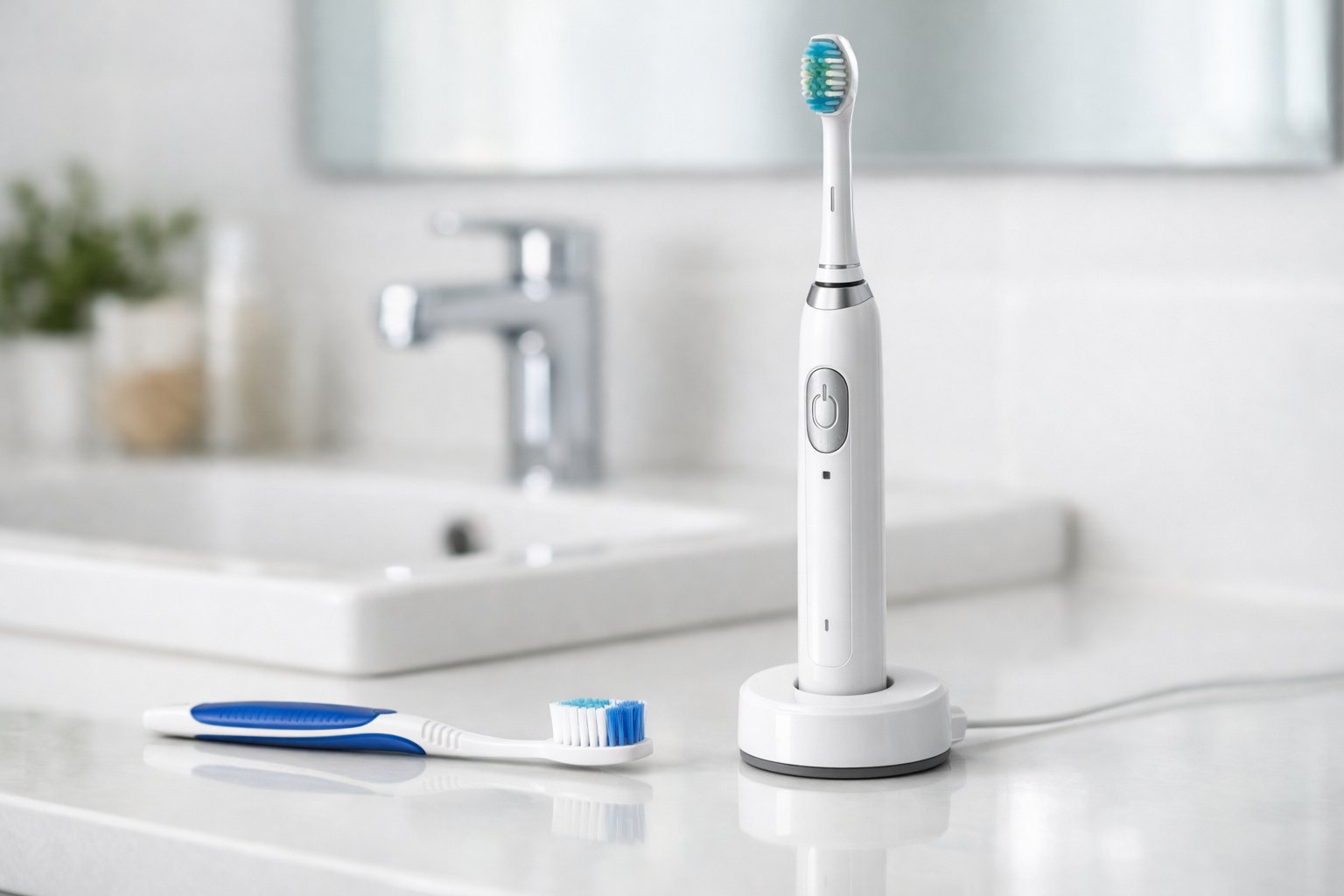
Electric toothbrushes create thousands of brush strokes every minute, and you barely have to do anything. That can make brushing easier and more thorough, especially if you’re not so confident in your brushing technique.
A manual toothbrush can still clean well if you use it right and stick with it for two full minutes.
But it’s not all about cleaning power. You’ve got to consider cost, replacement heads, and honestly, whether you can stand that buzzing feeling. Let’s look at what really matters when deciding if an electric toothbrush fits your needs and your wallet.
Key Takeaways
- Electric toothbrushes usually remove more plaque than manual ones, but they cost more upfront and you have to buy replacement heads
- Their main perk is doing most of the brushing work for you with thousands of strokes per minute
- Manual toothbrushes can still clean your teeth well if you use good technique and brush for two minutes
Are Electric Toothbrushes Worth It Compared to Manual Toothbrushes?
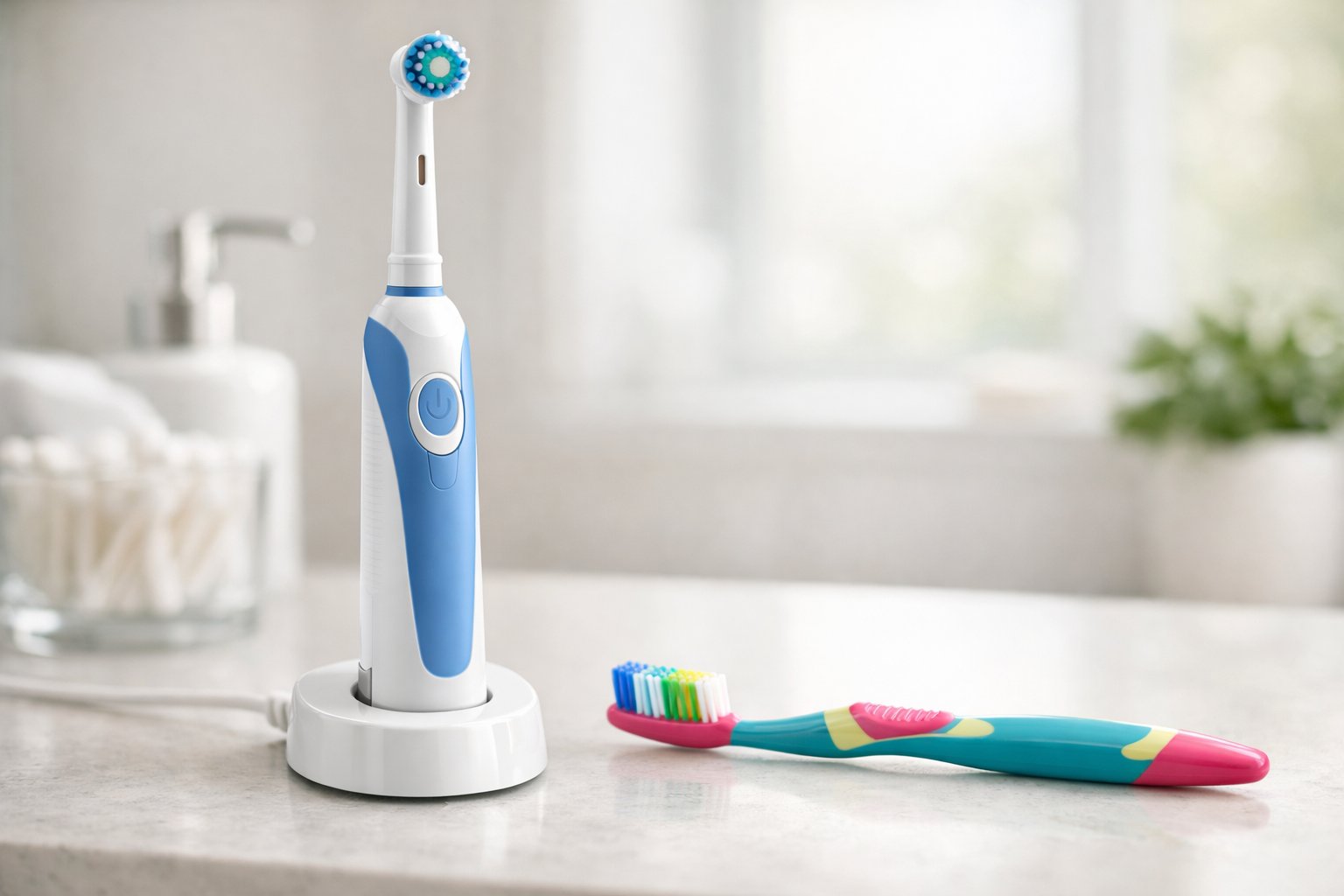
Electric toothbrushes usually remove more plaque and improve gum health better than manual brushes. Still, manual brushing can be just as effective if you use the right technique.
The best choice for you really depends on your dental needs, your budget, and your brushing habits.
What Research Says: Effectiveness for Plaque Removal and Gum Health
Researchers have found that electric toothbrushes remove more plaque than manual ones. One big study that tracked nearly 3,000 people over 11 years found that people using powered toothbrushes had fewer signs of gum disease and lost fewer teeth.
Electric toothbrushes clear plaque faster. Their rotating or vibrating heads can make thousands of strokes per minute. Your hand just can’t keep up.
When it comes to gum health, electric toothbrushes tend to reduce gingivitis and gum disease more effectively. That steady motion cleans along the gumline better, which can lower your risk for periodontitis, a nasty infection that damages the tissue and bone around your teeth.
But manual toothbrushes can still keep your gums healthy if you use them properly. The main thing is that electric toothbrushes make it easier to get good results, even if your technique isn’t perfect.
Key Differences Between Electric and Manual Toothbrushes
The biggest difference is that electric toothbrushes basically do the brushing for you. You just guide the head, and the brush takes care of the motion.
Cost and maintenance are pretty different:
- Manual toothbrushes usually cost $2 to $10 and last about 3-4 months
- Electric toothbrushes can cost anywhere from $20 to $300 upfront
- Replacement heads for electrics run $3 to $15 each
Electric toothbrushes often come with handy features. Many have built-in timers to make sure you brush for the full two minutes. Some even have pressure sensors that warn you if you’re brushing too hard, which helps protect your enamel and gums.
Manual toothbrushes don’t need batteries or charging. They’re easy to travel with and cheap to replace.
Brushing Technique and Its Role in Oral Hygiene
How you brush matters more than what you brush with. If you use bad technique with an electric toothbrush, you won’t get better results than someone who brushes well with a manual one.
With a manual toothbrush, you should angle the bristles at 45 degrees toward your gumline. Use short, gentle strokes and make sure to clean every tooth, even those tricky molars in the back.
Electric toothbrushes make technique simpler. Just hold the brush head against each tooth for a few seconds and let it do its thing. Move slowly from tooth to tooth, and don’t scrub or press too hard.
With both types, you need to:
- Brush for two full minutes
- Clean every surface (front, back, and chewing surfaces)
- Swap out your brush or head every 3-4 months
- Floss or use a water flosser for between your teeth
Bad breath and gum problems usually come from not brushing long enough or missing spots. No toothbrush can fix that on its own.
Who Benefits Most From Electric Toothbrushes?
Some folks get more out of electric toothbrushes than others. If you have limited dexterity from arthritis or a disability, an electric toothbrush can make brushing way easier. The powered head does the hard part for you.
Kids often do better with electric toothbrushes. The novelty keeps them interested, and the timer helps them brush long enough. Let’s be honest, most kids don’t have the best manual brushing skills.
You might want to try an electric toothbrush if you have:
- Braces or other orthodontic gear
- A history of gum disease or gingivitis
- Trouble reaching your back teeth
- Difficulty keeping up good brushing technique
If you’re at high risk for dental problems, the investment might pay off. People with gum recession or frequent plaque buildup usually see better results with electrics.
Manual toothbrushes are fine for people with healthy teeth and good brushing habits. Just look for the ADA Seal of Acceptance to make sure your brush is up to par. That goes for electric models too.
Neither kind of toothbrush whitens teeth or replaces regular dental visits. You’ll still need to floss, since no brush can get between your teeth.
Benefits and Drawbacks of Electric Toothbrushes
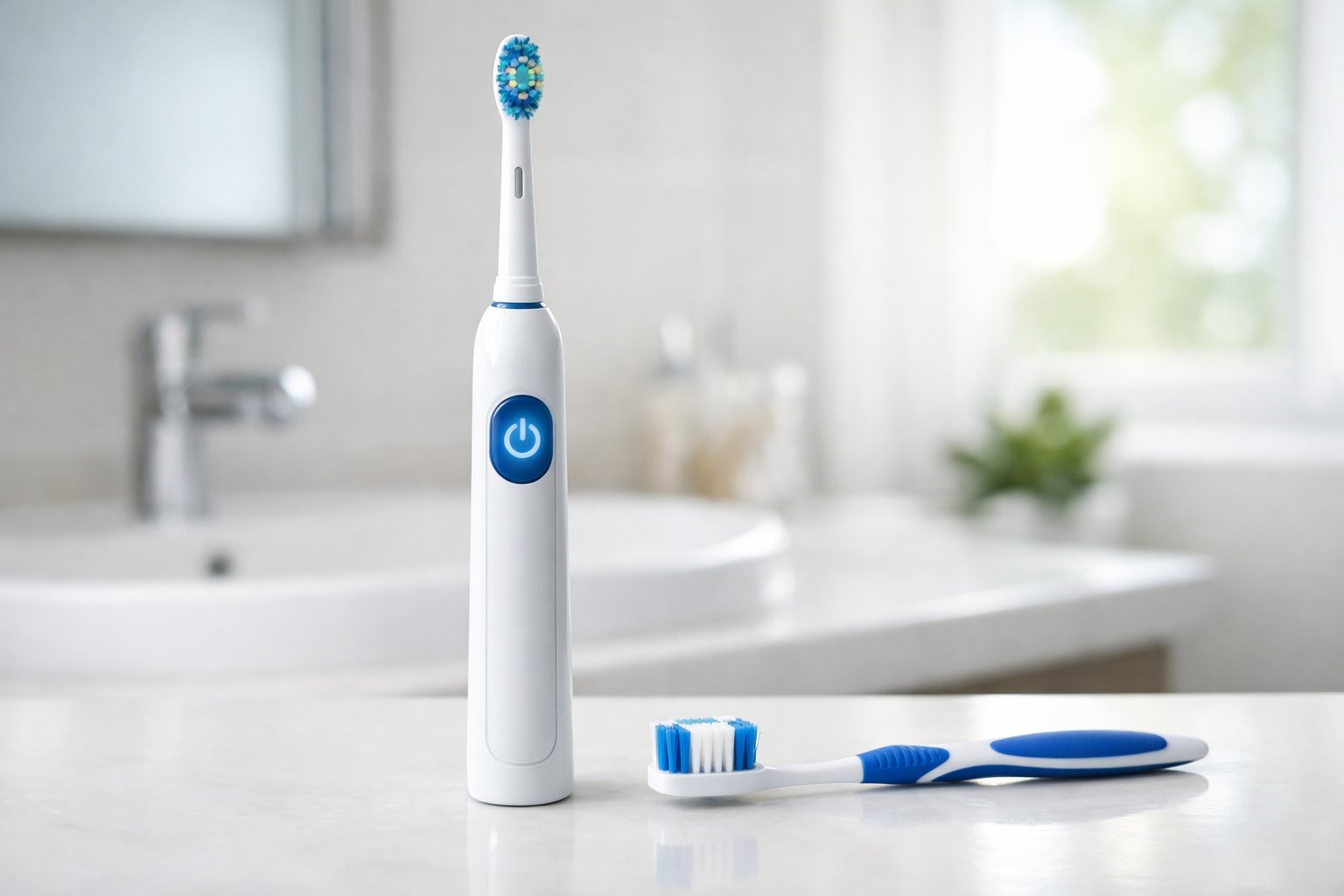
Electric toothbrushes do make a difference in plaque removal and are just easier to use, but they cost more and need a bit more upkeep. It’s good to know the pros and cons before you make the switch.
Top Benefits of Electric Toothbrushes
Electric toothbrushes clear away more plaque than manual brushing. Some research says they can cut plaque by 21 percent more after three months.
Oscillating brush heads and sonic toothbrush models crank out thousands of strokes per minute. That kind of cleaning gets into spots your hand might miss.
Most rechargeable electric toothbrushes come with a two-minute timer. That helps you brush long enough every time. Some fancy ones from brands like Oral-B even have pressure sensors to warn you if you’re pressing too hard.
These brushes especially help if you have:
- Limited hand movement or arthritis
- Braces or other dental work
- Gum disease or sensitive teeth
- Trouble keeping up with good brushing technique
The motor does most of the work. You just move the brush along your teeth and gums.
Potential Downsides and Considerations
Electric toothbrushes cost more upfront. Expect to pay between $25 and $200 for a good one.
Replacement heads add to the cost. You should change them every three months, and they usually run $5 to $10 each, sometimes more for the fancy ones.
They need charging or fresh batteries. If the battery dies, you can’t brush until you recharge. They’re also bulkier and not as travel-friendly.
Some people don’t like the vibration at first. That buzzing feeling can take some getting used to, especially if your teeth or gums are sensitive.
Finding the Right Toothbrush for Your Needs
The best toothbrush is the one that fits your mouth, your habits, and your budget. A sonic electric toothbrush works great for everyday cleaning, and oscillating models sometimes get into tighter spaces.
Think about what matters most to you:
- On a budget? A basic battery-powered electric brush gives you some perks without the big price tag
- Love tech? Higher-end brushes come with cleaning modes and even connect to your phone
- Sensitive teeth? Look for models with gentle settings
Your dentist can help you pick features based on your dental history and gum health. If you’re worried about cost, a manual brush with good technique still does the job. The real key is brushing for two minutes twice a day, whichever brush you choose.
Frequently Asked Questions
Electric toothbrushes can remove up to 41 percent more plaque than manual brushes. Dentists often recommend them for better oral hygiene. Most electric models work fine with dental work, and there are plenty of kid-friendly options.
What benefits do electric toothbrushes offer over manual ones?
Electric toothbrushes give you more consistent brushing than you can do by hand. The moving bristles do most of the work, so you don’t have to try so hard to get your teeth clean.
They’re especially helpful if you have arthritis or limited hand movement. The powered head can reach tricky spots more easily than a manual brush.
A lot of electric toothbrushes have timers to make sure you brush for the full two minutes. Some even have pressure sensors to help you avoid brushing too hard and hurting your gums.
Do dentists recommend the use of electric toothbrushes for daily oral hygiene?
Most dentists see electric toothbrushes as a great tool for keeping your mouth healthy. They often suggest them for people who have trouble with brushing technique or need a little extra motivation to brush long enough.
Your dentist might recommend an electric brush if you have gum disease or tend to get a lot of plaque. The steady brushing motion helps remove more bacteria and food than inconsistent manual brushing.
That said, dentists know a manual brush works well too if you use it right. The main thing is brushing for two minutes and using good technique, no matter what kind of brush you use.
Can children safely use electric toothbrushes, and are there specific models designed for them?
Kids can use electric toothbrushes safely, and lots of companies make special models just for them. These usually have smaller heads, softer bristles, and gentler vibrations.
Electric toothbrushes for kids often come in fun colors or with characters and music to make brushing less of a chore. That can help kids build good habits early.
You should keep an eye on younger kids while they brush with an electric toothbrush to make sure they’re using it right. Most dentists say you can introduce an electric brush around age 3, but some kids might be ready a little earlier or later.
What are common criticisms or potential downsides to using electric toothbrushes?
The biggest downside is the higher price compared to manual brushes. You’ll also have to buy replacement heads regularly, which adds up.
Electric toothbrushes need charging or new batteries, which can be annoying if you’re traveling. Some models are bigger and heavier, so they’re not as easy to pack.
The vibration or noise can bother some people. And if you press too hard with an electric brush, you can still hurt your gums or wear down enamel.
Which factors should be considered when choosing the best electric toothbrush?
Your budget is probably the first thing to think about. Basic battery-powered models can cost under $10, but the really nice rechargeable ones can go over $200.
Decide which features matter to you. Timers, pressure sensors, and different brushing modes can be helpful but also bump up the price.
Battery life and charging style are important if you travel a lot. Some brushes last two weeks on a charge, while others need to be plugged in every few days.
Don’t forget about the cost and availability of replacement heads. You’ll need a new one every three months, and those costs add up over time.
How do electric toothbrushes perform for those with dental work, such as veneers?
You can usually use electric toothbrushes safely if you have veneers, crowns, or other dental work. The gentle vibrations don’t harm properly installed dental restorations as long as you brush the right way.
Stick with a soft-bristled brush head and try not to press too hard. I’d say models with pressure sensors can be a real game changer for protecting both your dental work and your natural teeth.
If you have any specific worries about your dental work, just talk to your dentist. They’ll know the best brushing technique for your situation and might even suggest certain features that could help you out.