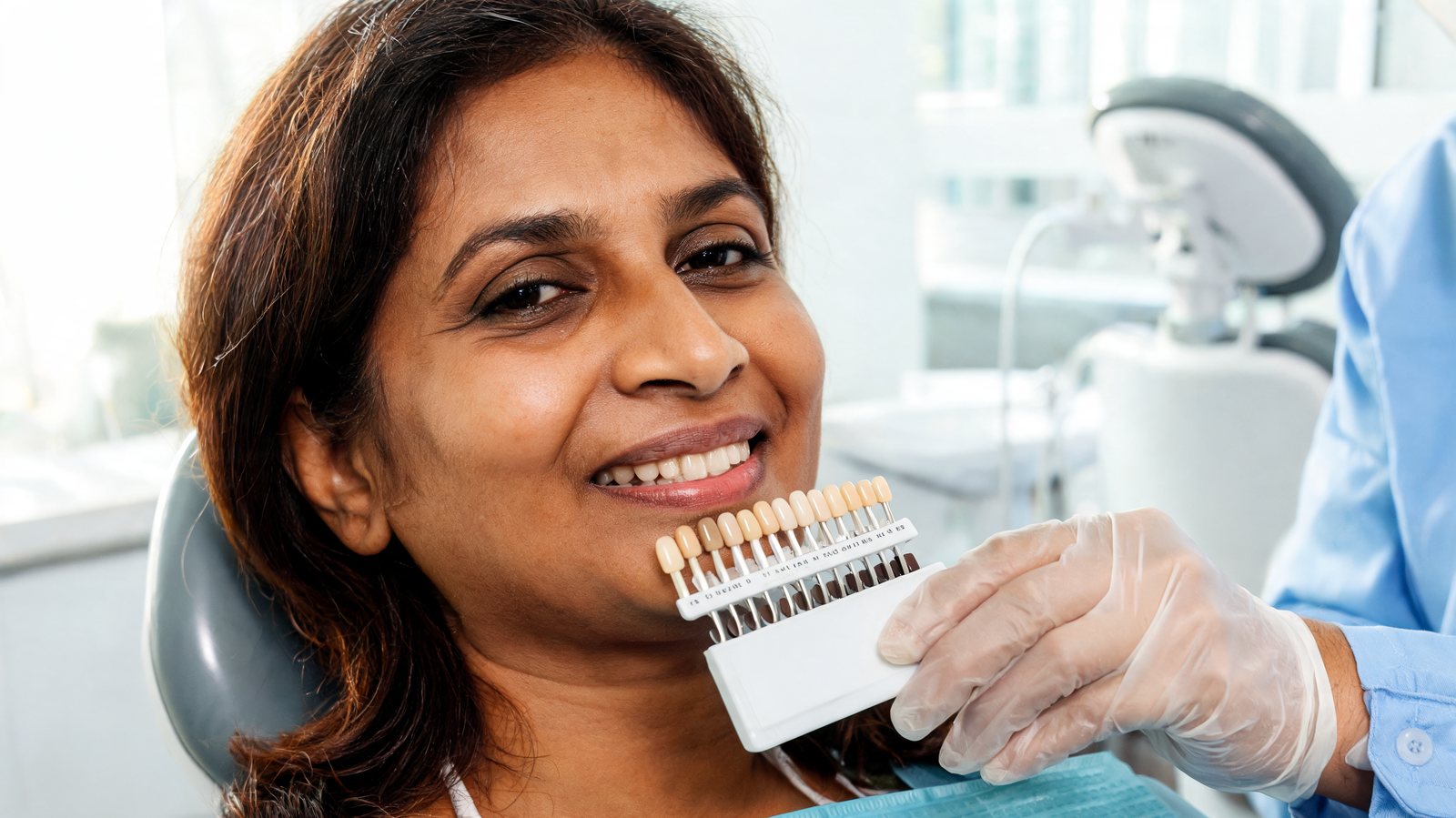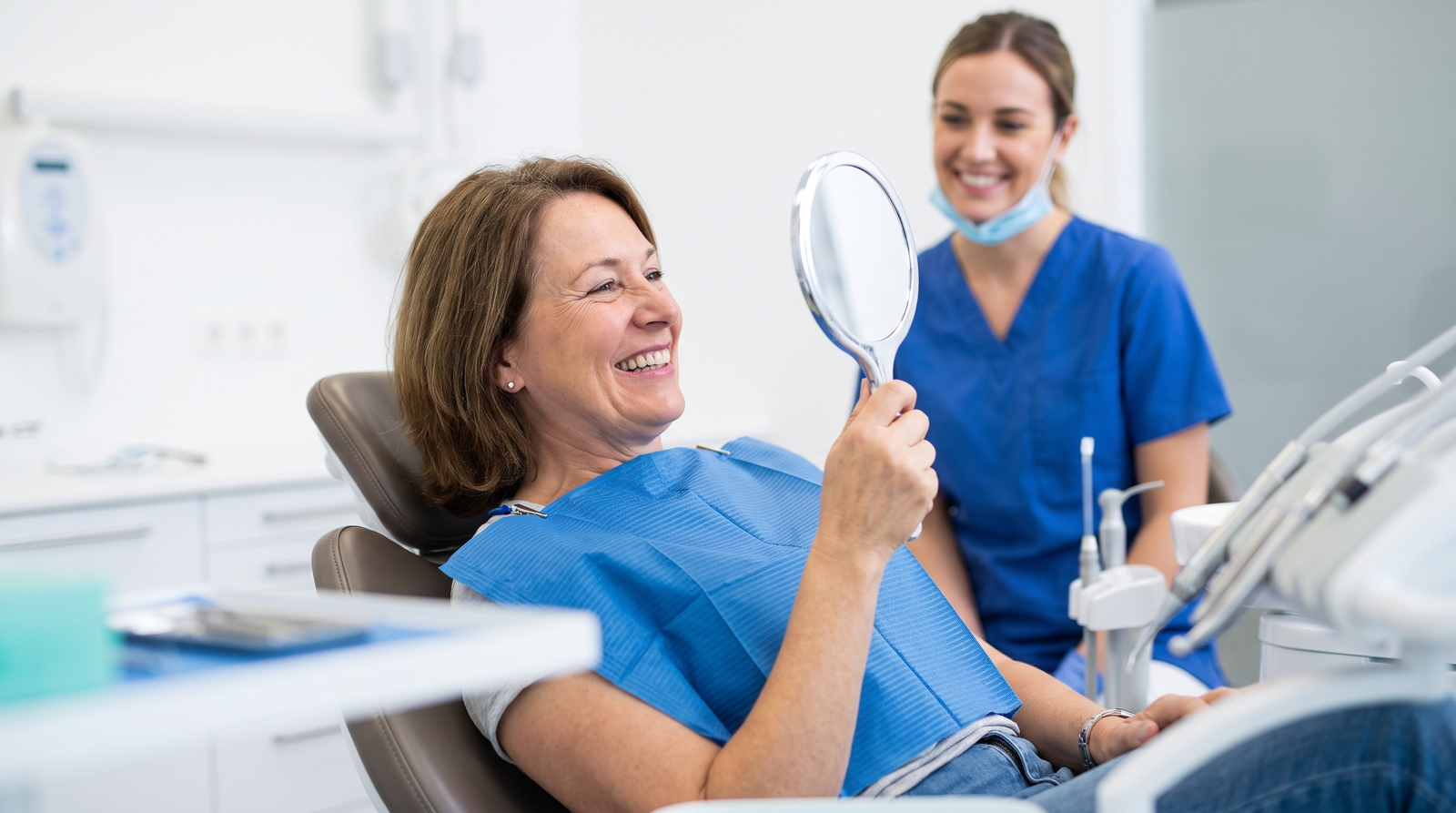
Straight teeth are easy to think of as a cosmetic issue, but alignment affects far more than how a smile looks.
The way your teeth fit together influences how easily you can clean them, how evenly they wear, how comfortably your jaw works, and even how clearly you speak.
Whether it is for you or your child, knowing the common signs that braces might help makes it much easier to decide when an orthodontic evaluation is worth booking.
Orthodontic treatment is also no longer just for teenagers. Adults make up a growing share of patients, and it is rarely too late to benefit from straighter teeth and a healthier bite.
If you are wondering whether you or your child could benefit from braces, Riverside Dental in the Sherman Oaks area welcomes new patients and can be reached at (818) 784-5889.

Recognizing the signs early puts you in a far stronger position to protect both the appearance and the long-term health of your smile.
Key Takeaways
- Crowding, spacing, and bite problems like overbite, underbite, and crossbite are the most common signs that braces may help.
- The American Association of Orthodontists recommends a first orthodontic check-up around age 7, even when treatment starts later.
- Straightening teeth is not only cosmetic; well-aligned teeth are easier to clean and less prone to wear, decay, and gum problems.
Why Straight Teeth Matter More Than Appearance
A great-looking smile is a wonderful benefit of orthodontic treatment, but it is not the only reason to consider it. Alignment plays a direct role in day-to-day oral health and comfort.
Aligned Teeth Are Easier To Keep Clean
When teeth are crowded or overlapping, they create tight spaces that a toothbrush and floss cannot reach well. Plaque builds up in those areas, raising the risk of cavities and gum disease.
Straighter teeth are simply easier to keep clean, which makes a consistent home care routine more effective. For many people, alignment is the difference between fighting recurring problems and staying comfortably ahead of them.
How Your Bite Affects Your Whole Mouth
When the upper and lower teeth do not meet evenly, chewing forces are distributed unevenly. Over years, that can wear down certain teeth, chip edges, and put strain on the jaw joint.
A misaligned bite is also linked to jaw soreness, clicking, headaches, and in some cases teeth grinding. Correcting the bite does not just improve appearance; it can relieve these everyday problems and protect teeth from long-term damage.
Common Signs You May Need Braces
Some signs that braces could help are obvious, while others are easy to overlook. These are the most common indicators in teens and adults alike.
Crowded Or Overlapping Teeth
Crowding happens when there is not enough room in the jaw for all the teeth to sit in a straight line. Teeth twist, overlap, or push in front of or behind one another.
Beyond appearance, crowding makes cleaning difficult and is one of the most common reasons people seek orthodontic treatment. If floss constantly shreds or gets stuck in the same spots, crowding may be the cause.
Gaps Or Spacing Between Teeth
Spacing is the opposite problem: noticeable gaps between teeth, whether from small teeth, a larger jaw, or missing teeth. While some people are happy with a small gap, larger spaces can trap food and affect the bite.
Braces or aligners can close gaps and distribute the teeth more evenly, which often improves both comfort and confidence.
Overbite, Underbite, And Crossbite
Bite problems describe how the upper and lower teeth meet. An overbite means the upper front teeth extend well past the lower ones, an underbite means the lower teeth sit in front of the upper teeth, and a crossbite means some upper teeth close inside the lower teeth.
Each of these can cause uneven wear, chewing difficulty, and jaw strain. Bite correction is one of the main health-related reasons orthodontists recommend treatment.
Jaw Pain, Clicking, Or Trouble Chewing
Frequent jaw soreness, a clicking or popping jaw, or difficulty biting and chewing can all point to an alignment problem. Sometimes people unconsciously shift their jaw to make their teeth meet, which strains the muscles and joint.
If eating certain foods is uncomfortable or your jaw tires easily, an orthodontic evaluation can determine whether alignment is contributing.
Signs Your Child May Need Braces
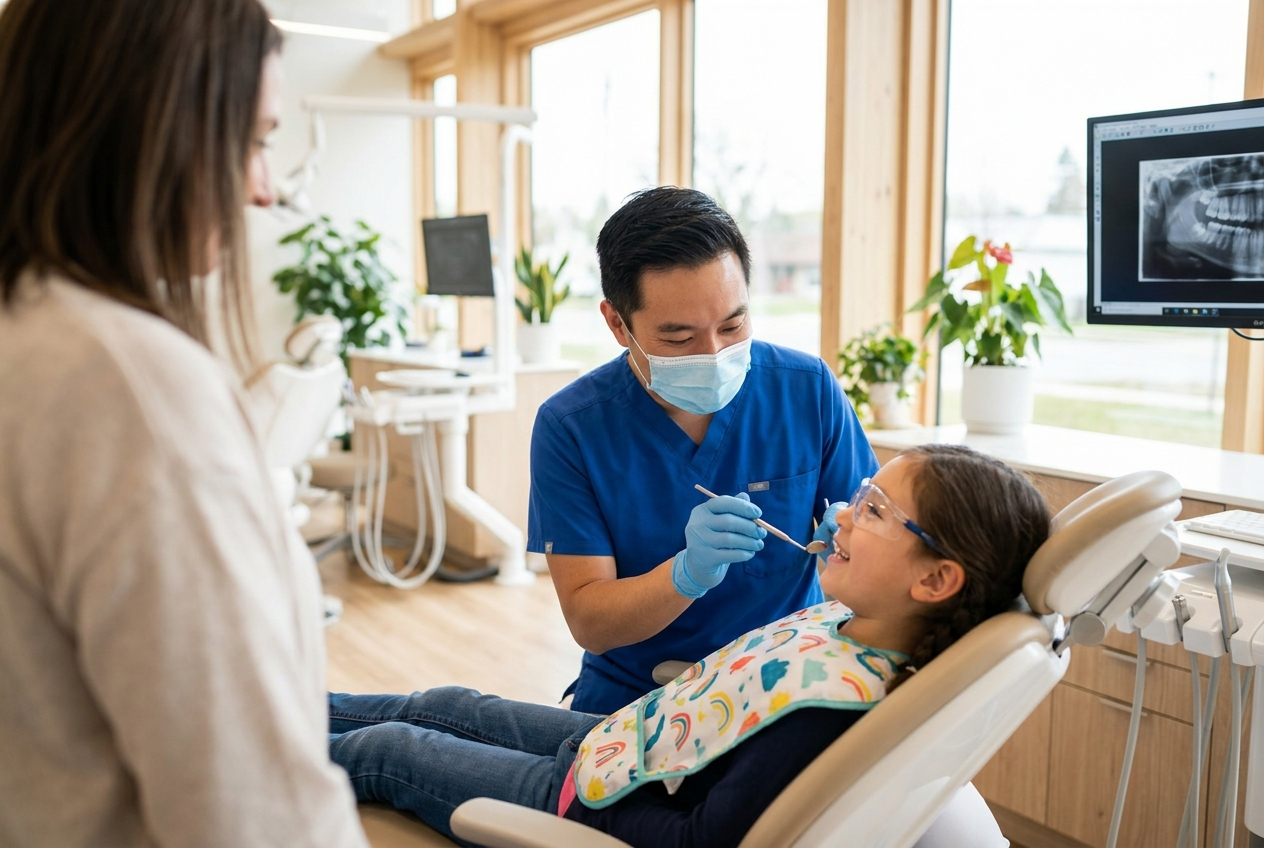
Because children’s mouths are still growing, some issues are easiest to guide early. The American Association of Orthodontists recommends that children have a first orthodontic check-up around age 7, when the first permanent molars and incisors have usually come in and an orthodontist can spot developing problems.
Early Or Late Loss Of Baby Teeth
Baby teeth hold space for the permanent teeth that follow, so losing them much earlier or later than usual can affect how the adult teeth come in. This is one reason baby teeth matter more than many parents think.
Keeping up with regular checkups, starting with a child’s first dental visit, helps your dentist track this timing and flag concerns early.
Mouth Breathing, Thumb Sucking, And Other Habits
Prolonged thumb sucking or pacifier use, along with habitual mouth breathing, can influence how the jaw and teeth develop. These habits can contribute to an open bite, a narrow arch, or protruding front teeth.
Catching these patterns early gives an orthodontist the chance to intervene while a child’s jaw is still growing, which can simplify or even reduce later treatment.
Crowding, Crooked Teeth, Or Difficulty Chewing
Visibly crowded or crooked teeth, teeth that meet unevenly, or a child who struggles to bite and chew comfortably are all worth an evaluation. Speech difficulties and frequent cheek or tongue biting can also signal an alignment issue.
Noticing these signs does not always mean immediate treatment is needed, but it is a good reason to have an orthodontist take a look and advise on timing.
What To Expect At An Orthodontic Evaluation
An orthodontic evaluation is straightforward and comfortable. It is a chance to get a clear answer about whether treatment would help and, if so, what the options and timing look like.
What The Orthodontist Checks
The provider examines how your teeth are aligned and how your bite comes together, and looks at the health of your gums and jaw. For children, they also assess growth and how the adult teeth are developing.
Photos, X-rays, or digital scans may be taken to map everything precisely. From there, you get a clear explanation of whether treatment is recommended, when to start, and roughly how long it would take.
Treatment Options: Braces And Clear Aligners
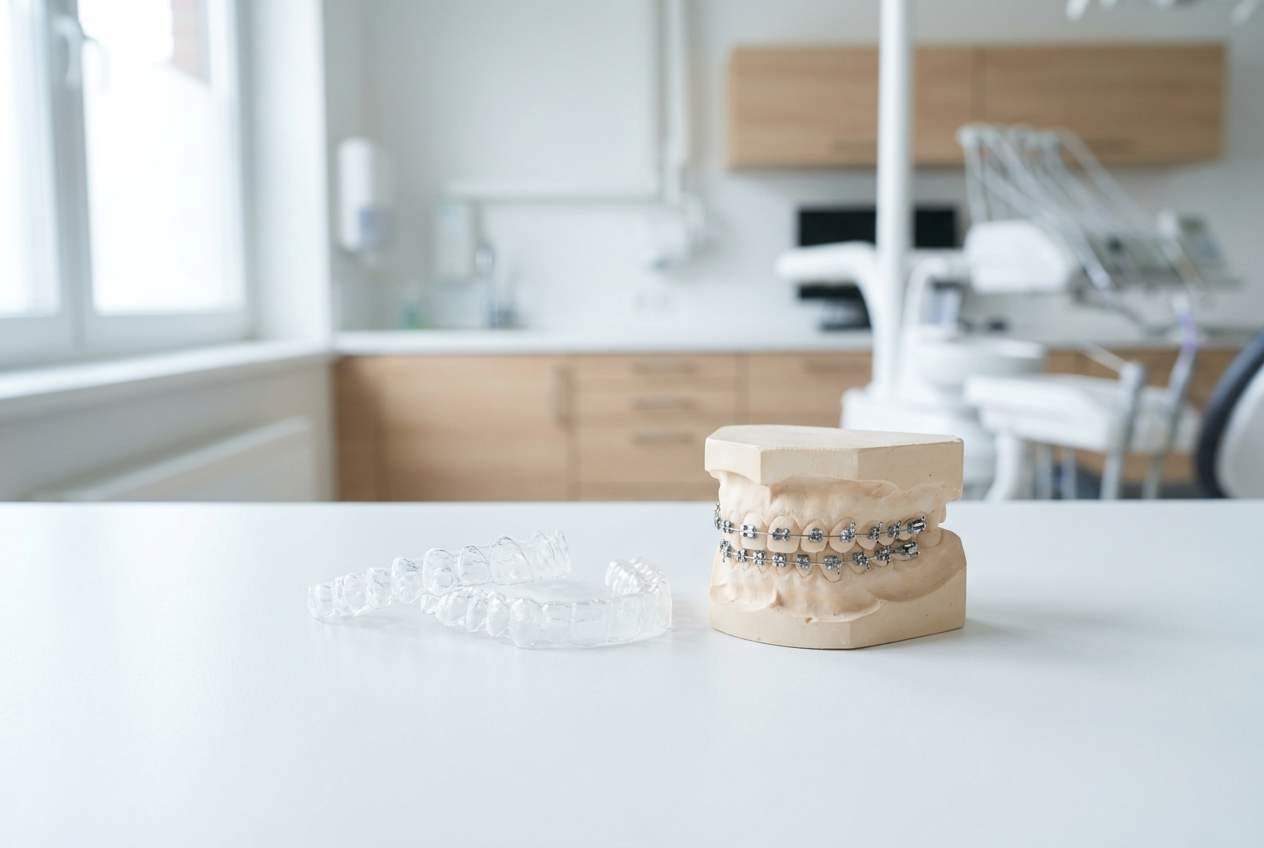
Traditional braces use brackets and wires to guide teeth into position and are highly effective for a wide range of cases, including complex ones. Clear aligners are a removable, nearly invisible option that many teens and adults prefer for everyday convenience.
If you are comparing the two, it helps to read about how clear aligners work and the differences between aligners and traditional braces. Your provider will recommend the best fit based on your specific alignment and goals.
It Is Not Too Late: Braces For Adults
If you missed braces as a teenager, or your teeth have shifted since, you are far from alone. Adult orthodontics is more common and more discreet than ever.
Why More Adults Are Straightening Their Teeth
Teeth can drift throughout life, even after previous orthodontic work, so many adults notice new crowding or shifting in their thirties, forties, and beyond. Others simply decide the time is finally right to address something that has bothered them for years.
Straightening adult teeth improves cleanability and bite comfort just as it does for younger patients, and it can be an important part of a broader smile makeover.
Discreet Options And What To Expect
Clear aligners and tooth-colored or low-profile braces make it possible to straighten teeth without a mouthful of metal, which appeals to adults in professional settings. Treatment time varies with the complexity of the case, but many adults are pleasantly surprised by how manageable it is.
Healthy gums and bone are important for adult treatment to succeed, so your provider will make sure any gum issues are addressed first.
When To See A Dentist Or Orthodontist
You do not need a referral to have an orthodontic evaluation, and you do not have to wait for a problem to become severe. A quick check can give you clarity and a plan.
Signs Worth An Evaluation
Consider booking an evaluation for yourself or your child if you notice any of the following:
- Crowded, overlapping, or noticeably crooked teeth
- Gaps or spacing that trap food or affect the bite
- An overbite, underbite, or crossbite
- Jaw pain, clicking, or difficulty chewing
- Baby teeth lost much earlier or later than expected
- Mouth breathing, prolonged thumb sucking, or speech difficulties in a child
How Early Evaluation Helps
An early evaluation does not always lead to early treatment. Often the best outcome is simply a clear picture and a plan to monitor growth so treatment happens at the ideal time.
When treatment is needed, starting at the right moment can make it shorter and more effective. At a practice like Riverside Dental in Sherman Oaks, the team can evaluate alignment for both children and adults, keep an eye on developing teeth during routine checkups and cleanings, and guide you toward the right next step.
Frequently Asked Questions
At what age should my child first see an orthodontist?
The American Association of Orthodontists recommends a first orthodontic check-up by around age 7. At that age, enough permanent teeth have come in for an orthodontist to spot developing problems with spacing, crowding, or bite. This does not mean treatment starts then; in many cases the orthodontist simply monitors growth and recommends the ideal time to begin if treatment is needed.
What are the most common signs of needing braces?
The most common signs are crowded or overlapping teeth, noticeable gaps, and bite problems such as an overbite, underbite, or crossbite. Difficulty cleaning between teeth, jaw pain or clicking, and trouble chewing are also frequent indicators. In children, early or late loss of baby teeth and habits like thumb sucking or mouth breathing can be additional clues.
Is it too late for an adult to get braces?
It is rarely too late. Teeth can be moved at almost any age as long as the gums and supporting bone are healthy, which is why adult orthodontics has become so common. Discreet options like clear aligners and low-profile braces make treatment easy to fit into professional and social life. Your provider will check your gum health first and recommend the best approach.
How can I tell if my child needs braces or just has crooked baby teeth?
It can be hard to tell on your own, because some early crookedness resolves as the jaw grows while other patterns signal a developing problem. That is exactly what an age-7 orthodontic check is for. An orthodontist can distinguish normal development from issues that will benefit from treatment, and advise whether to act now or simply monitor.
Are braces only cosmetic, or are there health reasons to straighten teeth?
There are real health reasons. Straight, well-aligned teeth are easier to clean, which lowers the risk of cavities and gum disease, and an even bite prevents excessive wear and jaw strain. A more attractive smile is a genuine benefit, but the health advantages of proper alignment are just as important.
How long does orthodontic treatment usually take?
Treatment length depends on the complexity of the case, but most orthodontic treatment takes somewhere between one and three years, with an average of around two. Minor corrections can take less time, while complex bite issues take longer. After active treatment, a retainer is used to hold the teeth in their new position, which is an important step for keeping your results.