If the thought of a dental appointment makes your stomach tighten, you are far from alone.
Dental anxiety is one of the most common fears there is. For some people it is mild unease before a cleaning, and for others it is strong enough to keep them away from care for years.
The good news is that modern dentistry offers many ways to make visits calm and comfortable, and a good dental team expects nervous patients and knows exactly how to help.
Avoiding the dentist tends to make problems grow, which only adds to the worry later. Learning how a caring team can ease your nerves is often the first step back to comfortable, consistent care.
If dental anxiety has kept you away, Riverside Dental welcomes nervous patients in the Sherman Oaks area and can be reached at (818) 784-5889.

Understanding the tools and techniques your dental team can use makes it much easier to walk in feeling prepared rather than overwhelmed.
Key Takeaways
- Dental anxiety is very common and nothing to be embarrassed about; dental teams are experienced at helping nervous patients.
- Techniques range from simple communication and comfort amenities to sedation options for deeper relaxation.
- Telling your dental team about your fears lets them tailor the visit and makes care far more comfortable.
Why Dental Anxiety Is So Common
Feeling nervous about the dentist is a normal, widely shared experience. Understanding where the fear comes from can take away some of its power and make it easier to address.
Common Causes Of Dental Fear
Dental anxiety has many roots. A difficult or painful experience in the past, especially in childhood, is one of the most common. Others feel uneasy about needles, the sound of the drill, the loss of control that comes with lying back in the chair, or worry about being judged for the condition of their teeth.
Some people simply have a strong gag reflex or sensitivity to smells and sounds. None of these reasons are silly, and recognizing yours helps your dental team respond to it directly.
Why Avoiding The Dentist Backfires
Skipping visits can feel like relief in the moment, but small, easily treated problems tend to grow into larger ones that need more involved care. That can create a cycle where each visit feels more daunting than the last.
Because oral health is connected to your overall health, staying away also has effects beyond your mouth. Waiting until a problem becomes a painful emergency is usually more stressful than a calm, planned visit would have been.
How A Good Dental Team Puts You At Ease

Long before any sedation is considered, the way a dental team communicates and treats you does much of the work of calming nerves. A supportive approach can change the entire experience.
Open Communication And No Judgment
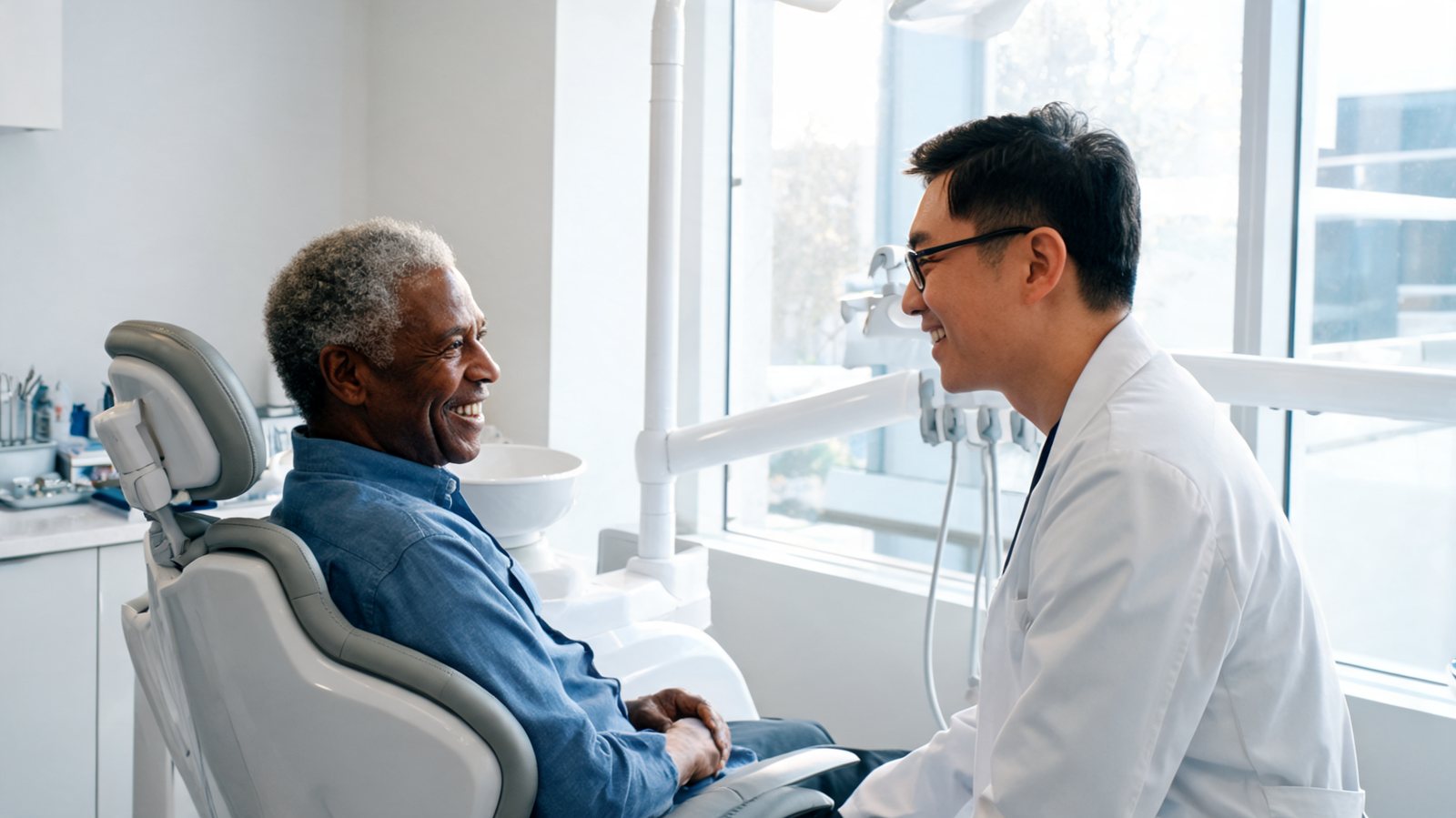
The single most helpful thing you can do is tell your dental team that you feel anxious. A good team responds with reassurance, not judgment, and adjusts the pace and approach to fit you.
Whatever the condition of your teeth, dental professionals have seen it many times and are there to help, not to lecture. Knowing you will not be judged removes one of the biggest sources of dread.
Explaining Each Step And Using Signals
Much of dental fear comes from not knowing what is happening or feeling unable to stop. A “tell, show, do” approach, where the dentist explains and shows each step before starting, restores a sense of control.
Many dentists also agree on a simple hand signal you can raise at any time to pause. Knowing you can stop whenever you need to often means you never feel the need to.
A Calm, Comfortable Environment
Small touches in the office make a real difference: a warm and welcoming team, a soothing atmosphere, and unhurried appointments. Feeling that there is time for your questions and comfort helps your nervous system settle.
A practice that is used to caring for anxious patients builds these considerations into every visit rather than treating them as an afterthought.
Comfort Techniques That Help You Relax
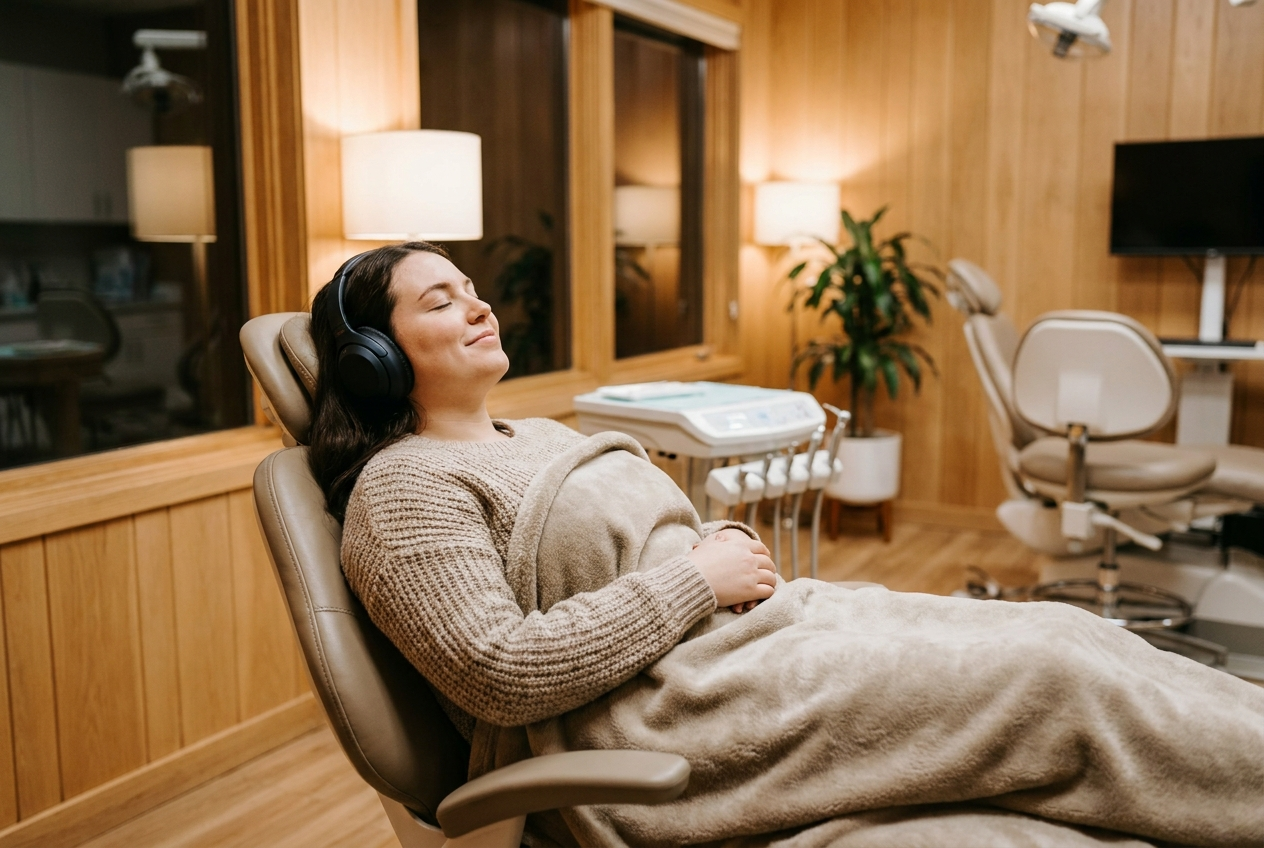
Beyond communication, there are practical, drug-free techniques that help many patients stay relaxed during treatment. These can be used on their own or alongside sedation.
Distraction: Music, TV, And Headphones
Distraction is a simple but powerful tool. Listening to your own music or a podcast through headphones muffles the sounds that many people find unsettling and gives your mind somewhere else to go.
Many offices also offer a TV or ceiling-mounted screen. Bringing a familiar playlist or show can turn a tense wait into a more ordinary experience.
Breathing And Relaxation Techniques
Slow, controlled breathing calms the body’s stress response. A simple method is to breathe in gently for a count of four, hold briefly, and breathe out for a count of six, repeating until you feel steadier.
Progressive muscle relaxation, where you tense and then release each muscle group, can also help release the physical tension that anxiety creates. These techniques are easy to practice at home so they feel familiar in the chair.
Numbing And Gentle, Modern Tools
Fear of pain is one of the biggest drivers of dental anxiety, and modern techniques address it directly. Dentists routinely apply a topical numbing gel before any injection so the anesthetic itself is barely felt.
Today’s instruments are quieter and more precise than the ones many people remember, and effective local anesthesia means most procedures are painless. Knowing that comfort is the standard, not the exception, is reassuring on its own.
Sedation Options For Deeper Relaxation
For stronger anxiety, longer procedures, or a strong gag reflex, sedation can make treatment feel effortless. Sedation dentistry uses medication to help you stay calm and relaxed, and your dentist will help you choose the right level for your needs and health history.
Nitrous Oxide (Laughing Gas)
Nitrous oxide is a mild sedative inhaled through a small mask over the nose. It helps you feel calm and slightly euphoric while remaining fully awake and able to respond.
Its biggest advantage is that the effects wear off within minutes once the mask is removed, so most people can drive themselves home and return to their day. It is a popular first step for mild to moderate anxiety.
Oral Sedation
Oral sedation involves taking a prescribed pill before your appointment, which produces a deeper sense of relaxation. You stay awake but feel calm and drowsy, and many people remember little of the visit afterward.
Because its effects last longer, you will need someone to drive you to and from the appointment. It is a good option for moderate anxiety or longer procedures.
IV Sedation
Intravenous (IV) sedation delivers medication directly into the bloodstream for a deeper, closely monitored level of relaxation. It is often chosen for severe anxiety or more complex treatment, and many patients have little to no memory of the procedure.
Your dental team monitors you throughout, and you will need a companion to take you home. Your dentist will review your health history to confirm which sedation option is safest and most appropriate for you.
Helping Children And Teens Feel Comfortable
Anxiety often begins in childhood, so helping young patients feel safe sets the tone for a lifetime of comfortable dental care.
Building Positive Early Experiences
Starting dental visits early and keeping them positive helps children see the dentist as a friendly, routine part of life. Beginning with a child’s first dental visit at a young age, before any problems arise, makes those early appointments short and stress-free.
Dentists who work with children use simple, friendly language and plenty of encouragement to build trust at each visit.
Tips For Parents
You can help by speaking about the dentist in positive terms and avoiding words like “hurt” or “shot,” even to reassure. Let the dental team lead the explanations, and consider scheduling visits when your child is well-rested rather than tired or hungry.
Modeling calm behavior matters too, since children pick up on a parent’s own nervousness. Praising your child afterward reinforces that they did something to be proud of.
How To Prepare For A Calmer Visit
A little preparation goes a long way toward a calmer appointment. These simple steps help you feel more in control before you even arrive.
Before Your Appointment
A few small choices can lower your stress on the day:
- Tell the office you feel anxious when you book, so they can plan for it
- Schedule a morning appointment so you are not anticipating it all day
- Avoid caffeine beforehand, since it can heighten jittery feelings
- Bring headphones and a calming playlist, and a comfortable layer to wear
- Consider bringing a trusted friend or family member for support
- Arrive a few minutes early so you are not rushing
Working With Your Dentist Over Time
For many people, confidence grows with each positive visit. Starting with something simple like a gentle cleaning can rebuild trust before any larger treatment, and keeping up with regular checkups keeps problems small and visits short.
It also helps to know that anxiety and clenching can affect your teeth, so managing stress supports your oral health too. At a practice like Riverside Dental in Sherman Oaks, the team is glad to go at your pace, explain your options, and build a comfortable plan with you over time.
Frequently Asked Questions
Is it normal to be scared of the dentist?
Yes, it is very normal. Dental anxiety is one of the most common fears, ranging from mild nervousness to strong fear that keeps people away from care. It often stems from a past experience, fear of pain, or a feeling of lost control. Dental teams see anxious patients every day and are experienced at helping, so there is no reason to feel embarrassed about it.
What can I do to feel less anxious at the dentist?
Start by telling your dental team you feel anxious so they can adjust their approach. Bringing headphones for distraction, practicing slow breathing, scheduling a morning appointment, avoiding caffeine, and agreeing on a hand signal to pause all help. For stronger anxiety, ask about comfort options and sedation. Small steps like these give you a sense of control that makes a real difference.
What sedation options are available for nervous patients?
The main options are nitrous oxide (laughing gas), oral sedation, and IV sedation. Nitrous oxide provides mild relaxation and wears off within minutes. Oral sedation, taken as a pill, offers deeper calm but requires a ride home. IV sedation provides the deepest, closely monitored relaxation for severe anxiety or complex treatment. Your dentist will recommend the right option based on your anxiety level and health history.
Is sedation dentistry safe?
For healthy patients, sedation dentistry is considered very safe when provided by trained professionals who review your medical history first. Your dental team monitors you during treatment and gives clear instructions for before and after your visit. Being honest about your health conditions and any medications you take helps them choose the safest option for you.
How can I help my anxious child at the dentist?
Start dental visits early and keep them positive, speak about the dentist in friendly terms, and avoid words like “hurt” or “shot.” Let the dental team lead the explanations, schedule visits when your child is rested, and stay calm yourself, since children sense a parent’s nerves. Praising your child afterward helps build lasting, positive associations with dental care.
What if I haven’t been to the dentist in years because of fear?
You are not alone, and you will not be judged. Many people return after long gaps, and dental teams are used to helping them ease back in. A good approach is to book a simple, low-pressure visit to talk through your concerns and start with something gentle like an exam or cleaning. From there you can build a comfortable plan at your own pace, using comfort techniques or sedation as needed.