
Veneers can totally change your smile by hiding stains, chips, or teeth that aren’t quite lined up right. If you’ve started researching veneers, you’ll notice two main choices: composite and porcelain.
Both options have their own pros and cons that affect how they look, how long they last, and what they cost.
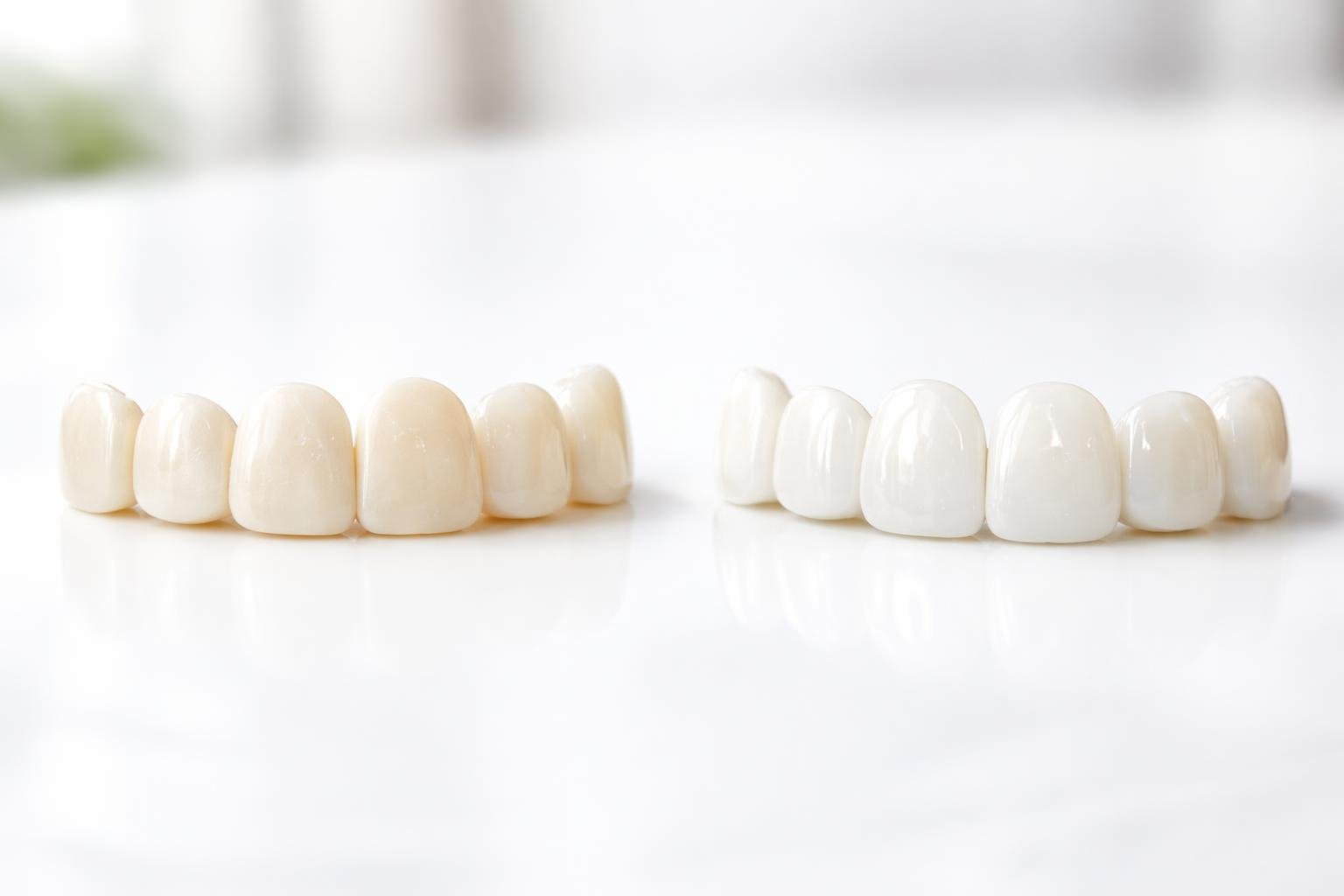
The biggest difference between composite and porcelain veneers is that porcelain veneers are tougher and resist stains better, but they’re pricier. Composite veneers cost less and you can get them done in just one visit, though you might need to replace them sooner. Knowing these differences really helps when you’re trying to figure out which one fits your needs and budget.
Let’s break down what you should know about both types. We’ll go over durability, cost, upkeep, and which situations each option works best for.
Key Takeaways
- Porcelain veneers last longer and fight stains better, but you’ll pay more upfront
- Composite veneers can be finished in one appointment and are easier to fix if something goes wrong
- Your pick depends on your budget, how fast you want results, and how long you want your new smile to last
Composite Veneers vs Porcelain Veneers: Core Differences
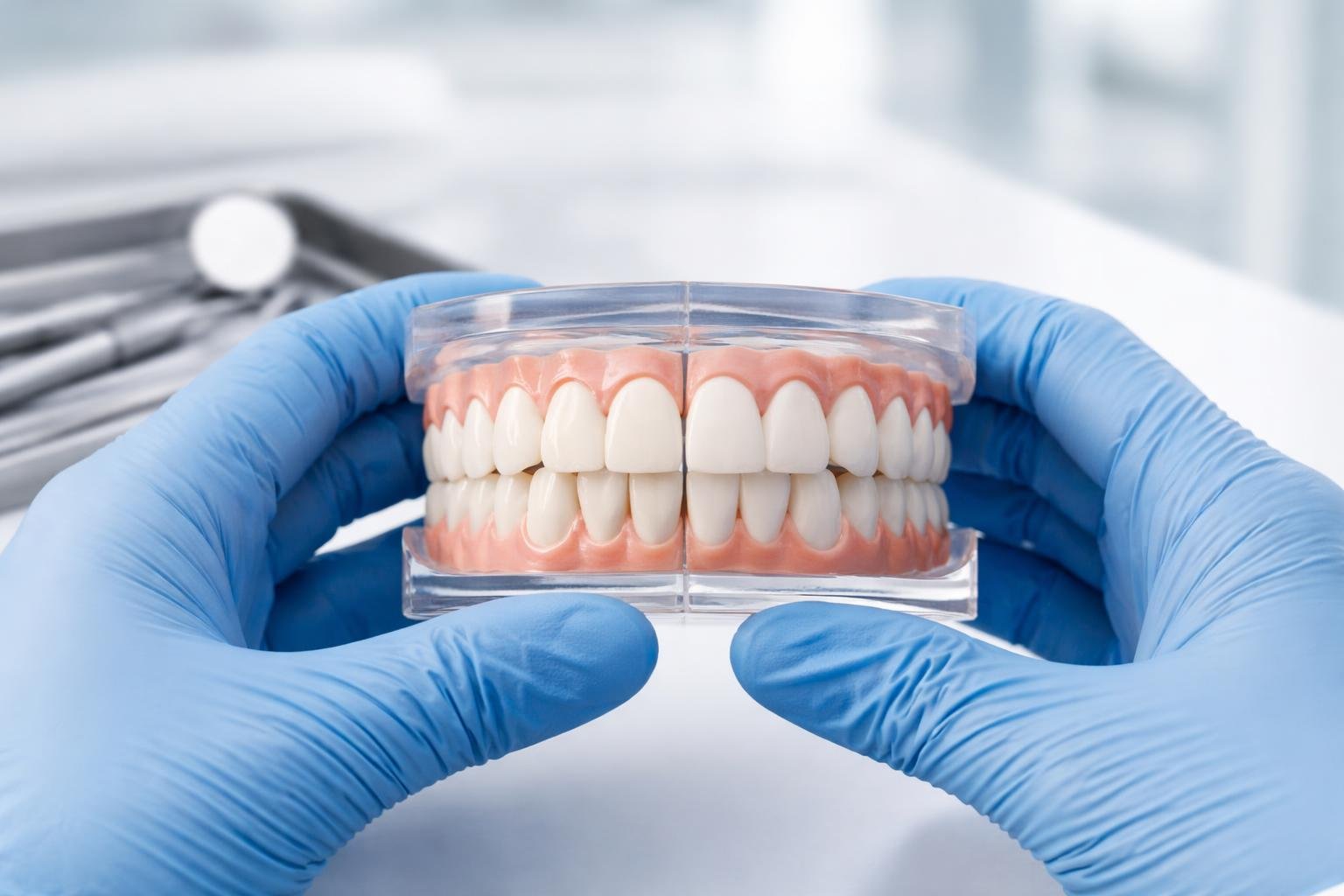
Composite and porcelain veneers aren’t made the same way. They use different materials, dentists apply them differently, and they last for different amounts of time. Even their appearance isn’t quite the same.
These differences affect everything from how long you spend in the dental chair to whether your dentist needs to remove a lot of enamel.
Material Composition and Technology
Dentists make composite veneers with resin composite material. They sculpt and shape the resin right on your teeth. This is the same material used for tooth-colored fillings.
The resin starts out soft and moldable. Your dentist uses a special curing light to harden it once they’re happy with the shape.
Porcelain veneers are crafted from ceramic materials like lithium disilicate in a dental lab. They’re thin shells made with high-tech tools to match natural tooth enamel.
Porcelain is glass-like, it’s harder and resists stains better than composite resin.
To make porcelain veneers, dental labs use high heat and precise computer technology. Composite veneers skip the lab work since your dentist does everything in the office using a direct bonding technique.
Veneers Procedure and Application Time
You can get composite veneers in just one visit. Your dentist roughens the tooth surface a bit, applies the resin in layers, shapes it, and then hardens it with a curing light.
You’ll walk out with your new smile makeover that same day.
Porcelain veneers take at least two visits. First, your dentist preps your teeth, which often means removing more enamel than with composite. Then they take impressions and might place temporary veneers while the lab makes your custom set.
Composite veneers take about 1 to 2 hours per tooth. With porcelain, the total process is about 2 or 3 weeks, but the chair time isn’t much different from composite.
Durability and Longevity
Porcelain veneers can last 10 to 15 years or longer if you take care of them. The ceramic material resists stains, chips, and daily wear better than composite.
You can eat and drink your favorites, coffee, tea, red wine, without stressing about stains.
Composite veneers usually last about 5 to 7 years before you need to replace or repair them. The resin can chip more easily and stains over time, especially if you love dark foods or drinks.
Both types need good brushing, flossing, and regular dental visits. Composite veneers might need touch-ups or polishing between replacements to keep them looking fresh.
Aesthetic Performance and Translucency
Porcelain veneers look super natural. They’re translucent, just like real tooth enamel, so light passes through them in a lifelike way.
That makes porcelain the go-to for front teeth where appearance really matters.
Composite veneers can look good too, but they don’t have the same light-reflecting magic as porcelain. The resin is a bit more opaque, so sometimes they can look a little less natural in bright light.
Dentists can still get great results with composite veneers in many cases. The difference is just more noticeable if you compare them side by side or in strong daylight.
Cost, Maintenance, and Suitability
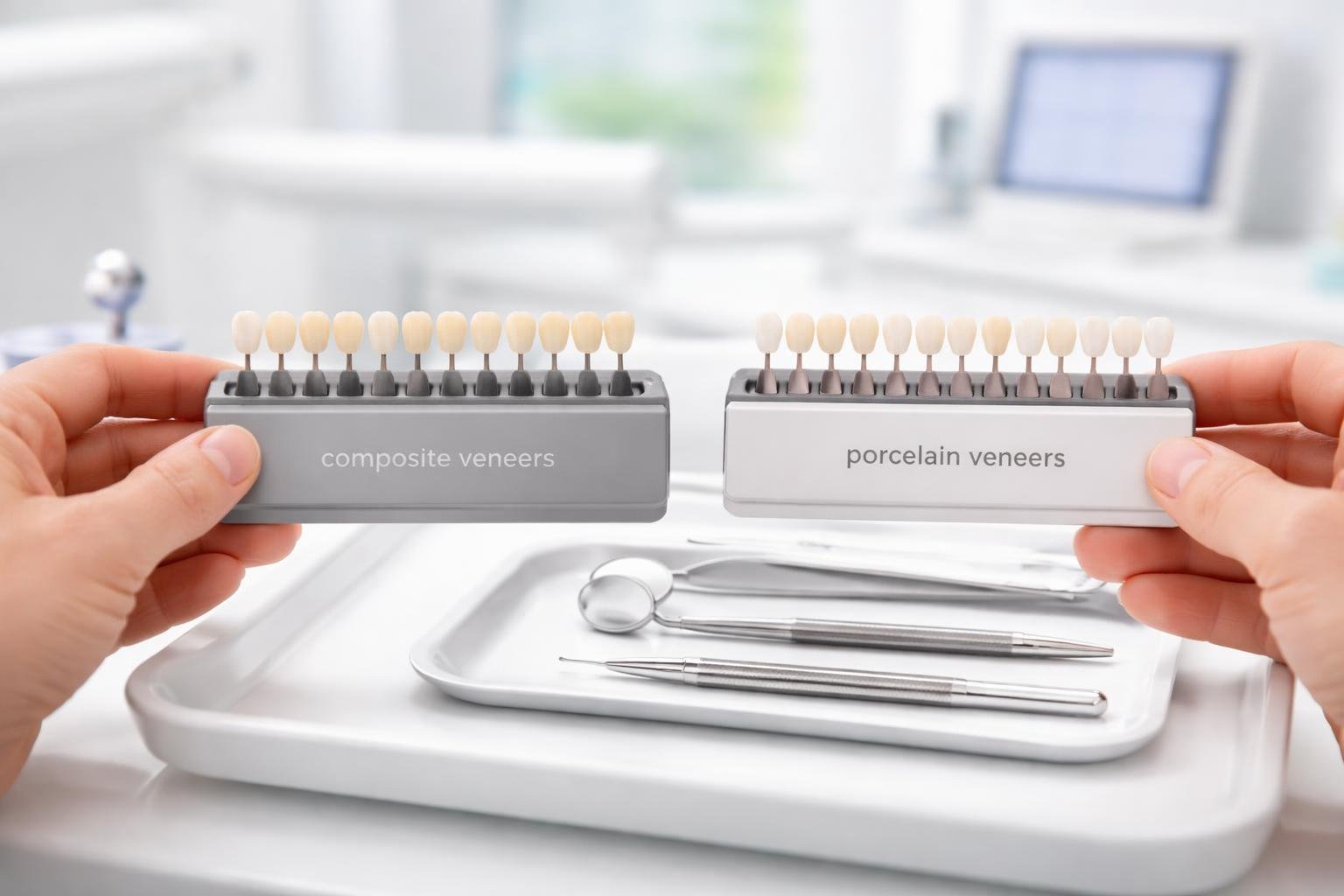
The price gap between these two types of veneers can be pretty big, sometimes thousands of dollars per tooth. Their care and who they’re best for also varies a lot.
Knowing these details can help you pick what works for your wallet and your daily routine.
Veneers Cost and Value Over Time
Composite veneers usually cost between $250 and $1,500 per tooth. Porcelain veneers can run from $925 up to $2,500 per tooth.
Composite veneers are cheaper upfront, but they don’t last as long. You’ll probably need to replace them every 5 to 7 years.
Porcelain veneers stick around for 10 to 15 years or even longer if you take care of them.
If you do the math, the cost difference over time isn’t always as big as it seems. If you have to replace composite veneers twice while porcelain lasts, you might end up spending about the same. Your dentist can give you a more exact quote based on your situation and where you live.
Stain Resistance and Maintenance
Porcelain veneers resist stains really well. Their smooth, non-porous surface keeps coffee, tea, red wine, and tobacco from leaving marks.
Composite veneers can soak up stains as time goes by. If you want to keep them looking bright, you’ll need to watch what you eat and drink.
Some people ask about teeth whitening, but whitening only works on natural teeth, not veneers.
Both types need regular brushing and flossing. If you grind your teeth at night, your dentist will probably suggest a night guard to protect your veneers.
Porcelain veneers just need a quick polish during dental visits. Composite veneers might need more frequent touch-ups to keep their shine.
Who Should Choose Composite or Porcelain Veneers?
Composite veneers are a good pick if you want fast results for small cosmetic fixes. They’re great for things like minor chips or small gaps, and they’re more durable than basic dental bonding.
If you’re on a tight budget and want immediate results, composite is a solid choice.
Porcelain veneers are better if you want a more permanent fix and the best possible look. If you’ve tried aligners or whitening and you’re still not happy, porcelain can give you a full smile makeover.
Go with composite for minor chips, tiny gaps, or slight discoloration. Choose porcelain if you need bigger changes, want to fix severe discoloration, or just want the longest-lasting option.
Frequently Asked Questions
Porcelain and composite veneers aren’t the same, and those differences impact everything from how they look to how much you’ll pay.
What are the key differences in appearance and feel between composite and porcelain veneers?
Porcelain veneers have a natural shine and translucency, so they look a lot like real teeth. They reflect light in a way that makes your smile look super lifelike.
Composite veneers use a tooth-colored resin. They can look nice, but they don’t have the same depth or sparkle as porcelain.
When it comes to texture, porcelain feels smooth and glassy, almost like your natural enamel. Composite feels a bit different, some people notice it when they run their tongue across their teeth.
How long do each type typically last with proper care and maintenance?
Porcelain veneers usually last 10 to 15 years, sometimes even longer if you take care of them and see your dentist regularly.
Composite veneers have a shorter lifespan, around 4 to 8 years. The resin just doesn’t hold up as long as porcelain.
Your habits play a big role too. If you grind your teeth, bite your nails, or chew on pens, your veneers might not last as long.
Which option is more resistant to staining, chipping, and everyday wear?
Porcelain is much better at resisting stains. Coffee, tea, red wine, none of these really bother porcelain veneers.
Composite veneers can stain over time, so you might need regular polishing to keep them looking bright.
Both can chip, but porcelain is generally tougher. If you do chip a composite veneer, your dentist can usually repair it quickly by adding more resin in a single visit.
How do the costs compare, including potential repairs or replacements over time?
Composite veneers cost less upfront, usually between $250 and $1,500 per tooth. Porcelain veneers are pricier, ranging from $925 to $2,500 per tooth.
Think about long-term costs too. Since composite veneers don’t last as long, you’ll need to replace them more often. That means paying for new ones about twice as often as you would with porcelain.
Repairs cost less and are quicker with composite, but you’ll probably need them more often.
What does the procedure and timeline look like from consultation to final result for each option?
You can get composite veneers done in just one appointment. Your dentist shapes the resin on your teeth, hardens it with a special light, and polishes it, all in one go.
Porcelain veneers take more time. You’ll need a couple of visits over a few weeks. First, your dentist preps your teeth and takes impressions. Then, a lab makes your custom veneers, which takes about two weeks.
When your veneers are ready, you come back to have them bonded to your teeth.
Your dentist might give you temporary veneers while you wait for the porcelain ones. That way, your teeth stay protected and you get a preview of your new smile.
Which option is better suited for minor cosmetic changes versus more extensive smile makeovers?
Composite veneers really shine when you need small fixes. You can use them to close minor gaps, repair a slightly chipped tooth, or tweak the shape of just one or two teeth.
Porcelain veneers, on the other hand, work best for a full smile makeover. If you want to change several teeth or tackle a bunch of cosmetic issues in one go, porcelain usually gives you a more noticeable and longer-lasting result.
Think about your budget and how fast you want to see changes. Composite is a smart choice if you want something quick or prefer to upgrade your smile bit by bit. If you’re after a transformation that sticks around for years, porcelain is probably worth the investment.