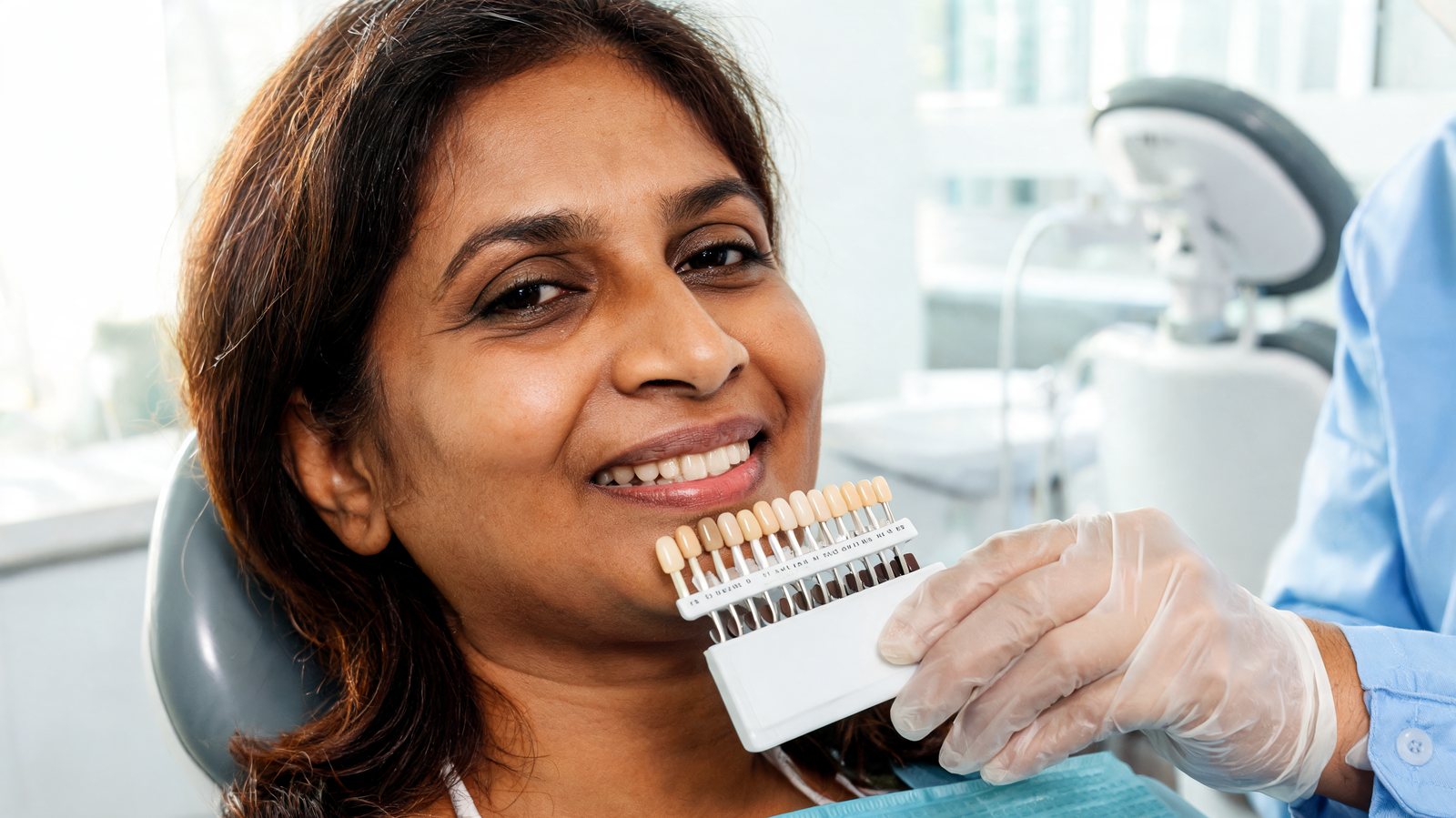
If your dentist has recommended a crown, there is a good chance you will spend a week or two wearing a temporary crown first. It is a short stage, but it is the one patients ask the most questions about. Can I eat normally? Is it supposed to feel like this? What happens if it falls off?
A temporary crown is not a lesser version of your final crown. It has its own job: protecting your prepared tooth and holding its place while your permanent crown is made in the lab. A little care during those days makes the final appointment smoother.
This guide explains what a temporary crown is, how long you wear one, how it should feel, what to eat, how to keep it clean, and what to do if it comes loose. If you have questions about your own crown, call us at (818) 784-5889.
TL;DR
A temporary crown is a short term cap placed on your tooth after it is shaped for a crown, while your permanent crown is made in a dental lab (usually 1 to 2 weeks at our office). It protects the tooth, keeps it from shifting, and lets you chew and smile normally. Because it is held with temporary cement, avoid sticky and very hard foods, chew on the other side when you can, and slide floss out to the side instead of pulling it up. Mild sensitivity is common. If it comes loose or falls off, keep it and call your dentist.
Key Takeaways
- A temporary crown protects your shaped tooth while your permanent crown is made in the lab.
- At Riverside Dental, the permanent crown is usually ready in about 1 to 2 weeks.
- Temporary crowns are held with softer cement on purpose, so they come off easily at your final visit.
- Skip sticky, chewy and very hard foods, and chew on the other side when you can.
- If your temporary crown comes loose or falls off, keep it, avoid chewing on that side, and call your dentist.
What a Temporary Crown Is and Why You Need One
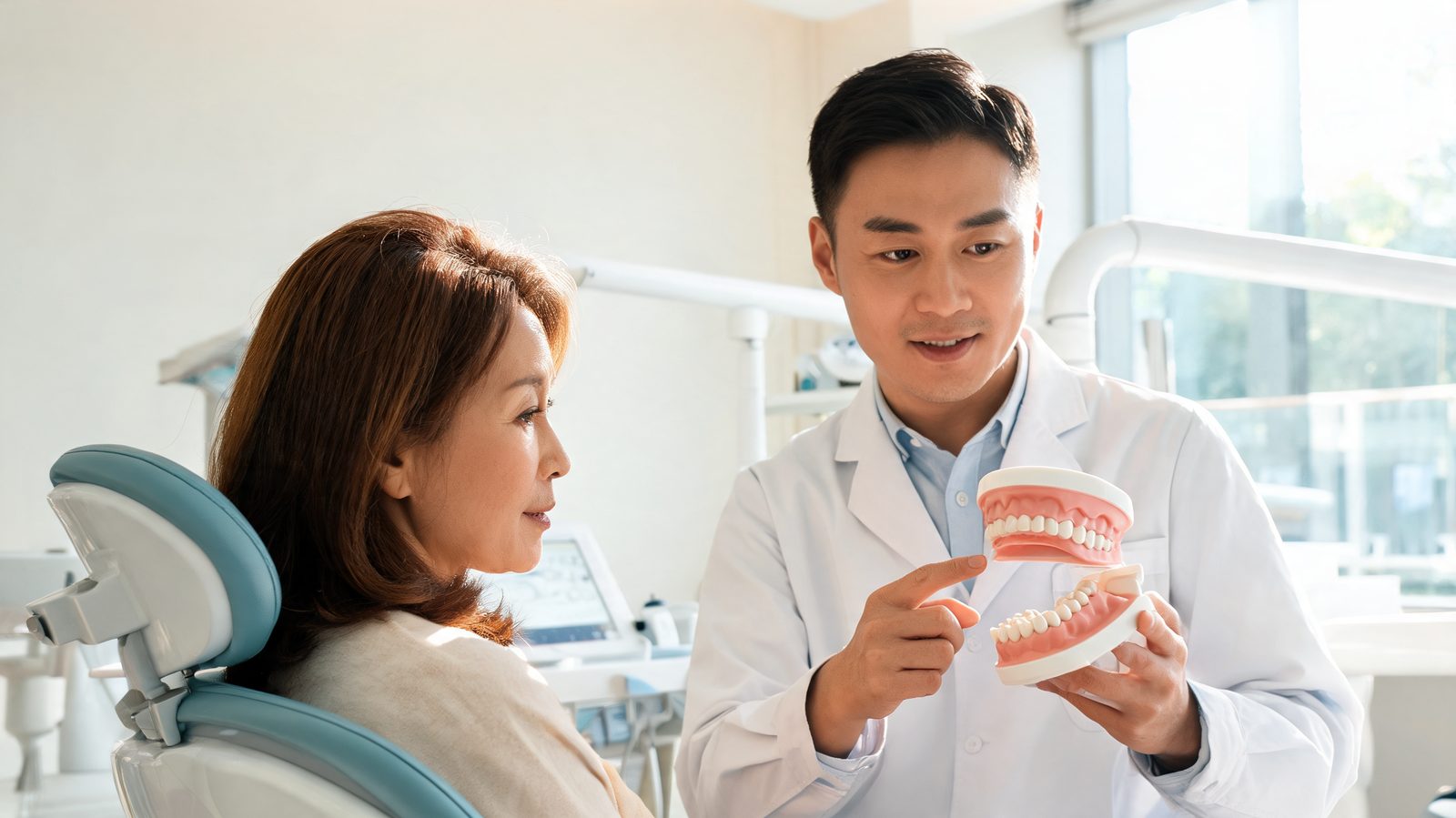
A dental crown is a custom made cap that covers the entire visible part of a tooth. Before a crown can fit, the tooth is gently reshaped to make room for it. Once that happens, the tooth needs protection until the permanent crown is ready, and that is the job of the temporary crown.
A temporary crown:
- Protects the prepared tooth from sensitivity, bacteria and damage
- Keeps neighboring teeth from shifting into the space
- Holds your bite in place so the permanent crown fits correctly
- Lets you eat, speak and smile normally in the meantime
Temporary crowns are usually made from acrylic or a composite resin and shaped to look like a natural tooth. They are made to be good enough for a couple of weeks, not to last for years, which is why they need a little extra care.
You might need a crown for a large cavity that cannot be filled, a cracked or broken tooth, a tooth weakened by a root canal, or a worn down tooth. Our post on 5 signs you may need a dental crown covers those reasons in more detail.
How the Crown Process Works at Riverside Dental
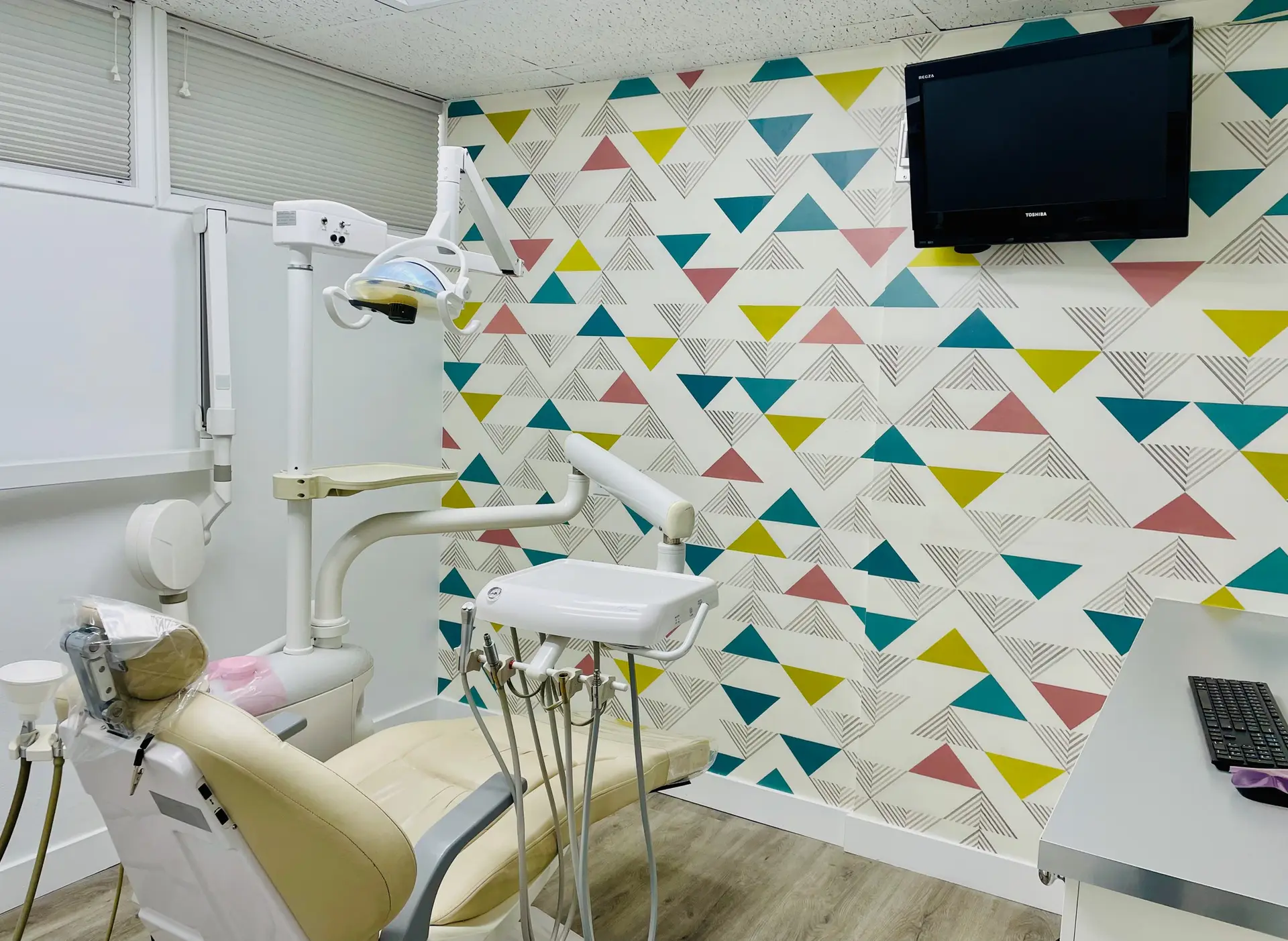
Here is what the steps look like at our Sherman Oaks office.
1. Consultation and exam
We evaluate the tooth with X-rays and talk through the best crown material for your bite, the tooth’s location and your goals. We make crowns from porcelain, zirconia or porcelain fused to metal (PFM).
2. Tooth preparation
After the area is numbed with gentle local anesthesia, the tooth is reshaped to make room for the crown. Most patients say it feels like getting a filling. We then take impressions or a digital scan so the lab can make your crown precisely.
3. Temporary crown
We place a temporary crown while your permanent crown is being made in the lab, which usually takes 1 to 2 weeks.
4. Final placement
When your custom crown is ready, we remove the temporary, cement the permanent crown securely in place, and check your bite for comfort and function.
You can read more about crown types and the full process on our dental crowns in Sherman Oaks page.
Have a tooth that might need a crown? An exam with X-rays tells us what it needs. Call or book online.
Call (818) 784-5889Book onlineWhat a Temporary Crown Should Feel Like
For the first day or two, it is normal to notice a few things:
- Mild sensitivity to hot, cold or pressure, especially right after the numbness wears off
- Some gum tenderness around the tooth from the preparation
- A slightly different feel when your tongue touches it, since temporaries are a bit bulkier or smoother than natural teeth
These usually settle within a few days. A few things are not normal and are worth a call:
- Your bite feels high, as if you hit that tooth first when you close. A high bite can make the tooth sore, and a quick adjustment fixes it.
- Pain that gets worse instead of better, or throbbing pain
- Swelling in your gums or face
- A crown that feels loose or moves when you chew
What to Eat With a Temporary Crown

Temporary crowns are held on with temporary cement, which is softer on purpose so your dentist can remove the crown easily at your final visit. That also means the wrong foods can pull it loose.
For the next week or two, try to avoid:
- Sticky and chewy foods like caramel, taffy, gummy candy and chewing gum
- Very hard foods like ice, hard candy, nuts and popcorn kernels
- Tough foods like crusty bread or chewy meats on that side
- Very hot or very cold food and drinks if the tooth feels sensitive
Good choices include pasta, eggs, yogurt, soup, fish, soft cooked vegetables and rice. When you can, chew on the opposite side of your mouth. If the temporary crown is on a front tooth, avoid biting directly into foods like apples or sandwiches with it.
How to Clean Around a Temporary Crown

Keeping the area clean protects your gums and helps your permanent crown fit well. You do not need to skip brushing or flossing, just adjust how you do it.
- Brush gently twice a day with a soft toothbrush, paying attention to the gumline around the temporary.
- Floss carefully. Slide the floss down between the teeth as normal, but then pull it out to the side instead of lifting it back up. Lifting up can catch the edge of the crown and pop it off.
- Rinse after meals with water to clear away food.
- Skip anything sticky in your routine, like whitening strips, on that tooth.
What to Do If Your Temporary Crown Comes Loose or Falls Off
It happens, and it is usually not an emergency, but it should not be ignored. The prepared tooth underneath is more sensitive and more vulnerable without its cover, and teeth can shift if the space is left open for too long.
If your temporary crown comes off:
- Keep the crown. Rinse it and put it somewhere safe.
- Call your dentist so it can be cleaned and recemented.
- Avoid chewing on that side until it is back in place.
- Do not use superglue or household glue. It can damage the tooth and the crown.
- Ask before using a pharmacy dental cement. Your dentist can tell you whether a temporary fix makes sense until your visit.
If the tooth is very painful, swollen, or you have broken the tooth itself, treat it as urgent. Our dental emergency page explains what to do, and we offer same day emergency visits when available.
After Your Permanent Crown Is Placed
Once your permanent crown is cemented, the extra care stops. You can brush, floss and eat normally, and your crown should feel like part of your smile within a few days. With proper care, crowns typically last 10 to 15 years or longer, and we check them at your regular checkups.
Not every damaged tooth needs a full crown. When a tooth still has strong outer walls, inlays and onlays can be a more conservative option. Your dentist will explain which one fits your tooth.
Many PPO dental plans cover a portion of crown costs, and we help you understand your benefits before treatment begins. See our insurance and financing page for more.
Frequently Asked Questions
How long do you wear a temporary crown?
Usually about 1 to 2 weeks, while your permanent crown is made in a dental lab. Your dentist will give you the exact timing for your case.
Is it normal for a temporary crown to feel sensitive?
Mild sensitivity to hot, cold or pressure for the first few days is common. Pain that gets worse, throbbing, swelling, or a bite that feels high are reasons to call your dentist.
What should I avoid eating with a temporary crown?
Avoid sticky and chewy foods like caramel and gum, very hard foods like ice and nuts, and tough foods on that side. Chew on the other side of your mouth when you can.
Can I brush and floss with a temporary crown?
Yes. Brush gently with a soft brush, and when you floss, slide the floss out to the side instead of pulling it up, so you do not catch the edge of the crown.
What should I do if my temporary crown falls off?
Keep the crown, avoid chewing on that side, and call your dentist to have it recemented. Do not use superglue or household glue.
Does getting a crown hurt?
The tooth is numbed with gentle local anesthesia before it is prepared, and most patients say it feels like getting a filling. Some mild soreness afterward is normal.
Questions About Your Crown?
A temporary crown is a short stage, and a little care during those days makes your final crown appointment simple. If something does not feel right, call us and we will take a look.
We are at 12926 Riverside Dr, Suite D, Sherman Oaks, CA 91423, an easy drive from Studio City, Encino, Valley Village, and Van Nuys. Call (818) 784-5889 or book online. New to our office? Our $75 New Patient Special includes a comprehensive exam and full X-rays.