
A lot of parents ask when they should take their child to the dentist for the first time. Honestly, it’s probably earlier than you’d expect. Dental care should actually start while your child is still a baby.
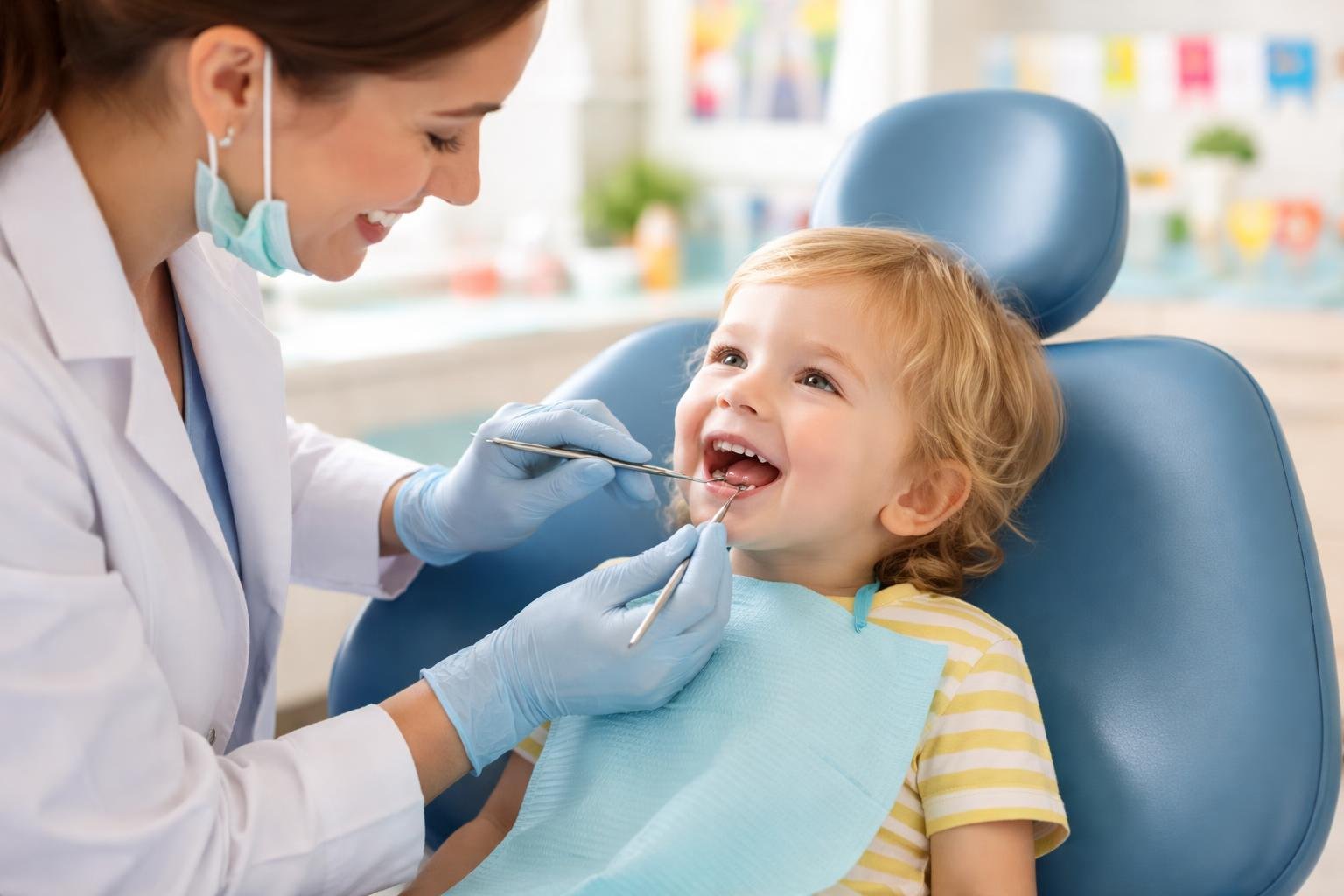
Your child should see a dentist within six months after their first tooth comes in, or by their first birthday, whichever happens first. Most babies get that first tooth around six to eight months old. Getting in early helps spot any issues and helps your child get used to the dentist.
When you start dental visits early, you get a chance to ask about how to care for your child’s teeth. The dentist can walk you through brushing, bottle use, and habits like thumb sucking. These first visits really set your child up for healthy teeth as they grow.
Key Takeaways
- Book your child’s first dental appointment by age one or within six months after their first tooth shows up
- Early visits help prevent tooth decay and get kids comfortable with the dentist
- That first appointment teaches you how to care for your baby’s teeth and gums
When Should Your Child Have Their First Dental Visit?
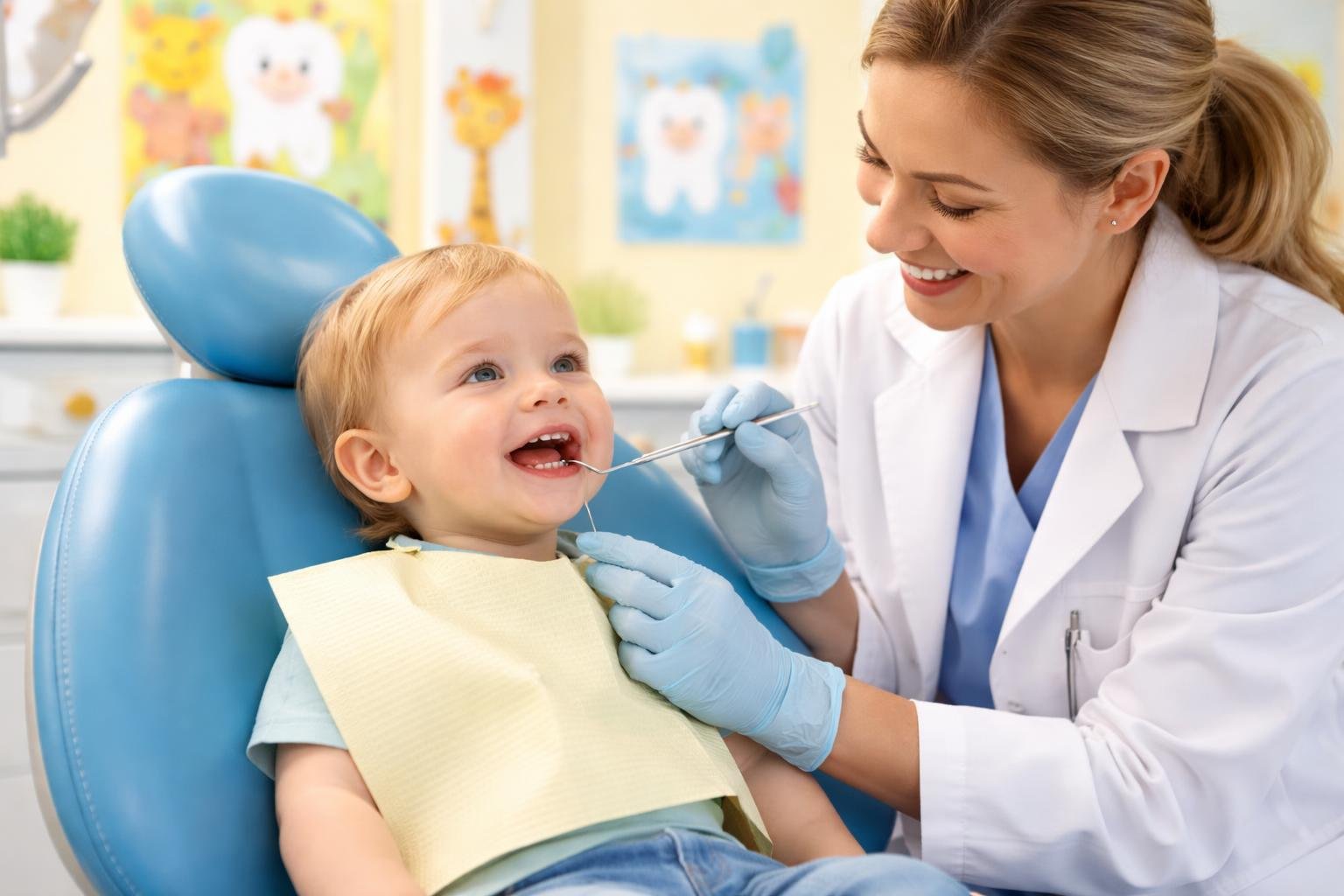
Experts say you should schedule your child’s first dental visit as soon as their first tooth appears or by their first birthday. Starting early prevents problems and encourages good habits.
Recommended Timing for the First Dental Appointment
The American Academy of Pediatric Dentistry (AAPD) says your child should see a dentist within six months after the first tooth erupts, and no later than 12 months old. This timing lets the dentist check your baby’s teeth right from the start.
Most babies get their first tooth between six and twelve months. As soon as you see that first tooth, it’s time to look for a pediatric dentist. Lots of parents wait until age two or three, but that’s later than dentists recommend.
If your child feels nervous, you can hold them on your lap during the visit. The dentist will check how your child’s jaw and teeth are growing and make sure everything looks good.
Why Early Dental Visits Matter for Children
Early dental visits can catch problems before they get serious. Baby teeth get cavities just like adult teeth, and decay can start as soon as teeth come in.
These first appointments give you helpful tips for caring for your child’s teeth. Your dentist will talk about preventing baby bottle tooth decay, how to clean your child’s mouth, and healthy feeding habits. You’ll also get advice on teething, pacifiers, and thumb-sucking.
Starting dental visits early helps your child see the dentist as a normal part of staying healthy. Kids who visit before age one usually find future appointments less stressful. It’s a win for everyone.
What to Expect and How to Prepare for the First Dental Visit
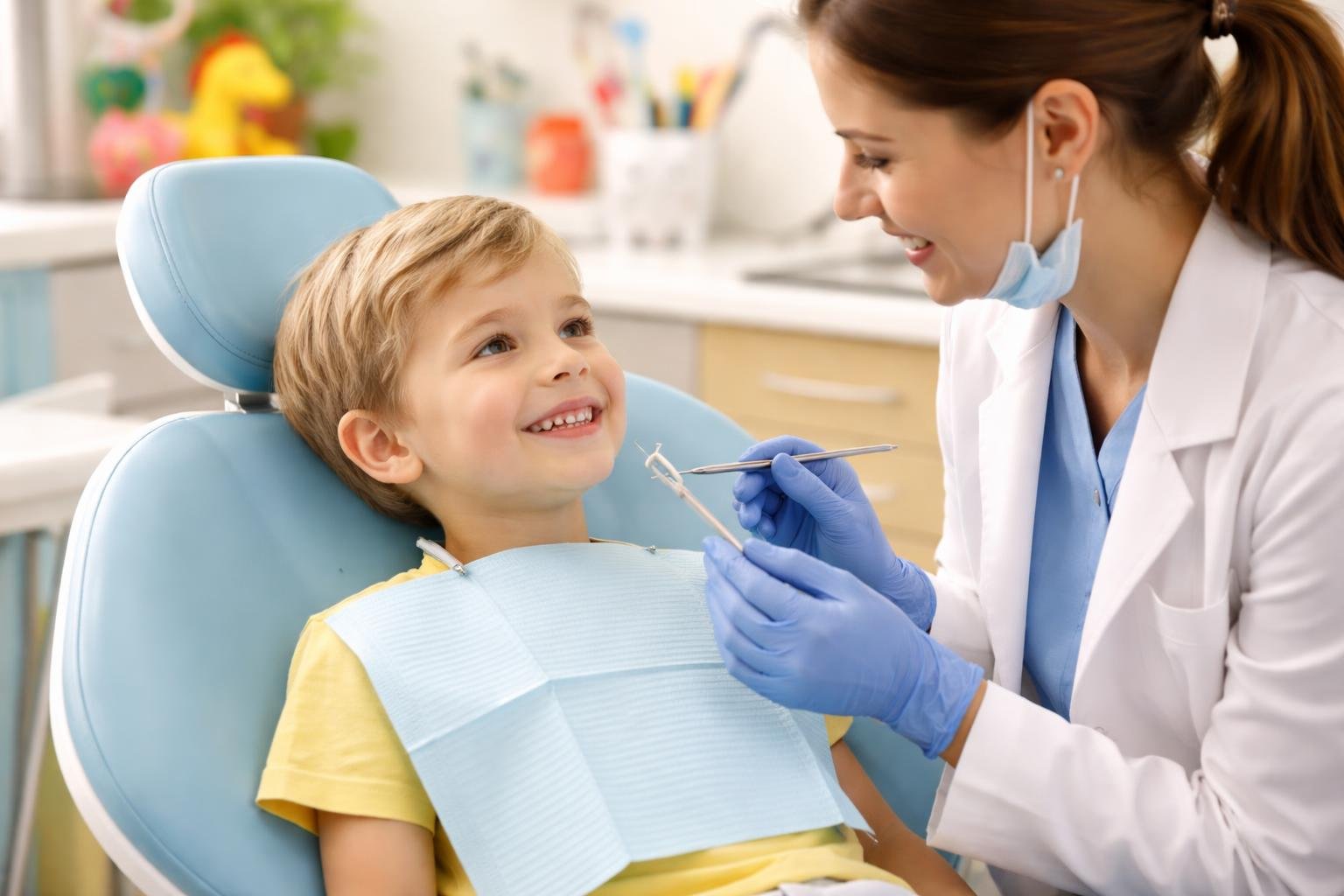
Making your child’s first dental visit go smoothly starts with picking the right dentist and knowing what to expect. Parents who prepare a bit ahead of time really help set a positive tone for future checkups.
Selecting the Right Pediatric Dentist
Pediatric dentists focus on treating children from babies through their teen years. They get extra training to handle the needs of growing kids and their teeth.
Try to find a dentist with a child-friendly office. Look for places with toys, books, and a welcoming vibe. Ask friends for recommendations or check reviews to find someone gentle and patient.
If you can, schedule a short tour before your child’s appointment. This gives you a chance to see how the staff interacts with kids and if the office feels inviting. You can also ask how they help nervous children and what they do to make visits fun.
Preparing Your Child for Their Dental Appointment
Talk to your child about the dentist in a simple, upbeat way a few days before the visit. Skip words like “pain” or “shot” that might scare them. Just say the dentist will count their teeth and help keep their smile healthy.
Try reading a children’s book about the dentist or play pretend dentist at home. Let your child practice opening wide and counting their teeth in the mirror. These little things can make the real visit feel less intimidating.
Stay calm yourself. Kids can sense when you’re anxious, so keep things light and positive. Answer their questions honestly, but don’t overload them with too much info.
Parental Involvement and Preparation
Bring your child’s medical history and any health info to the appointment. This means medications, allergies, or past health issues. Jot down any questions about teething, pacifiers, or feeding so you remember to ask.
If the office lets you, fill out paperwork ahead of time. That way, your child won’t get too antsy waiting around before the visit starts.
Plan on staying in the exam room. Your presence helps your child feel safe. The dentist will probably talk to you about things like baby bottle tooth decay and keeping up oral health between visits, so it’s good for you to hear it firsthand.
What Happens During the First Visit
The dentist will check your child’s teeth, gums, and mouth for any signs of decay or development issues. Usually, they’ll count the teeth and see how they’re coming in. The exam is quick and gentle, just a few minutes for little kids.
Pediatric dentists often have infants or toddlers sit on a parent’s lap during the exam. This keeps your child comfortable while the dentist gets a good look. Older kids might sit in the chair by themselves.
The dentist will show you how to brush your child’s teeth and talk about any special needs. They might demonstrate cleaning baby teeth or discuss thumb-sucking. You’ll get advice on fluoride, diet, and how often to come back.
Some dentists apply fluoride varnish at the first visit, but others might wait until your child is a bit older. The dentist will explain what’s happening in simple terms your child can understand.
Frequently Asked Questions
Parents usually have a bunch of questions about timing, costs, and what happens at early dental visits. Here are some answers to the most common ones.
At what age should a child have their first dental checkup?
Take your child to the dentist when their first tooth appears or by their first birthday, whichever comes first. This early visit helps spot problems before they get bigger.
A lot of parents wait too long, thinking their child needs more teeth first. Going early lets the dentist check development and give you tips on care.
How often should children have dental exams and cleanings after the first visit?
Kids should see the dentist every six months for checkups and cleanings. This keeps their teeth and gums healthy as they grow.
If your child has special dental needs, your dentist might suggest more frequent visits. Regular appointments also help kids get used to the dentist.
What should parents expect during an infant or toddler dental exam?
The dentist will check your child’s teeth, gums, and jaw to make sure everything’s developing as it should. They’ll look for signs of tooth decay and other issues.
You’ll get advice on teething, cleaning, and preventing baby bottle tooth decay. The dentist will also talk about feeding habits and how they affect oral health. These exams are quick and gentle to keep your child comfortable.
How can I prepare my toddler for their first dentist appointment to reduce anxiety?
Use positive words when talking about the dentist. Avoid saying things like “hurt” or “pain.”
Read books about the dentist or play pretend dentist with your child. Some offices let you stop by for a quick visit before the real appointment. Keep explanations simple and focus on how the dentist helps keep teeth strong and healthy.
What should I do if my child is already a few years old and has never been to the dentist?
Go ahead and book that first appointment, even if your child is older than recommended. It’s better to start now than not at all.
Let the dentist know it’s a late first visit. They’ll check carefully for any problems and help you get on track. Don’t stress about the delay. Just focus on good dental habits from here on out.
Do babies and toddlers need dental insurance before their first dental visit?
Dental insurance might help with the cost of your child’s visits, but honestly, you don’t need it just to make an appointment. A lot of dental offices welcome patients without insurance and usually have some kind of payment plan.
See if your child can get coverage through programs like Medicaid or CHIP, since they often include dental care for kids. Some dentists will even offer lower fees if your family doesn’t have insurance.
It’s a good idea to call the dental office before your visit. Ask about payment options and get a sense of what things might cost.