
Your teeth work hard every day. Sometimes, they need extra protection to stay healthy.
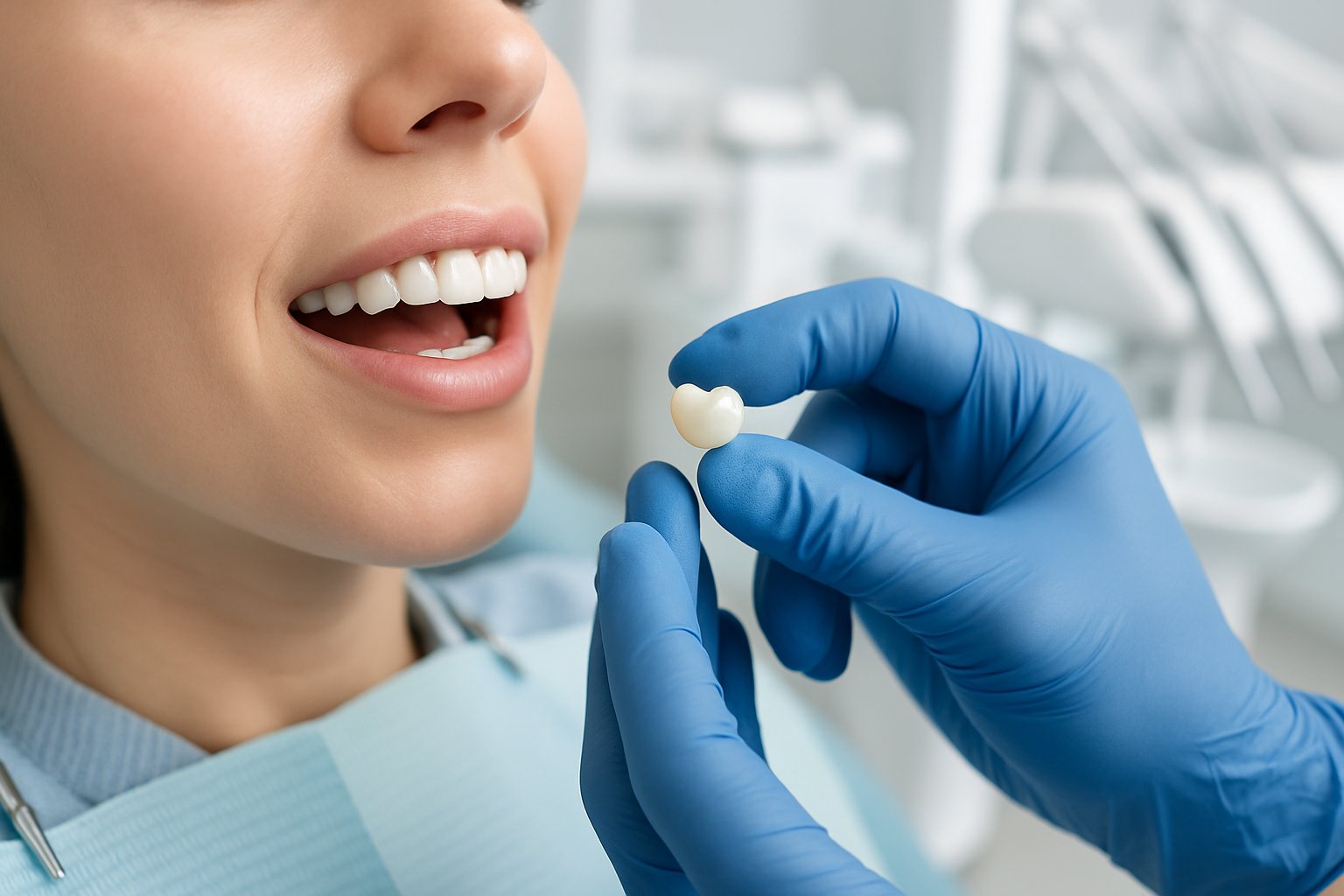
A dental crown acts like a protective cap for a damaged tooth. It restores the tooth’s strength and function.
You may need a crown if your tooth has significant damage from decay, cracks, wear, or after dental procedures like root canals.
Many people wait too long to fix dental problems. Delaying care can lead to more expensive treatments later.
If you recognize warning signs early, you can get the right treatment before minor issues become major problems.
Knowing when you need a crown can save you time, money, and discomfort. Your dentist will evaluate your situation, but you can look for signs to make informed decisions about your dental health.
Key Takeaways
- Dental crowns protect damaged teeth and restore their normal function and appearance.
- Early recognition of crown warning signs prevents more costly dental problems later.
- Your dentist will determine if a crown is the best treatment option for your specific needs.
Five Key Signs You Might Need a Dental Crown
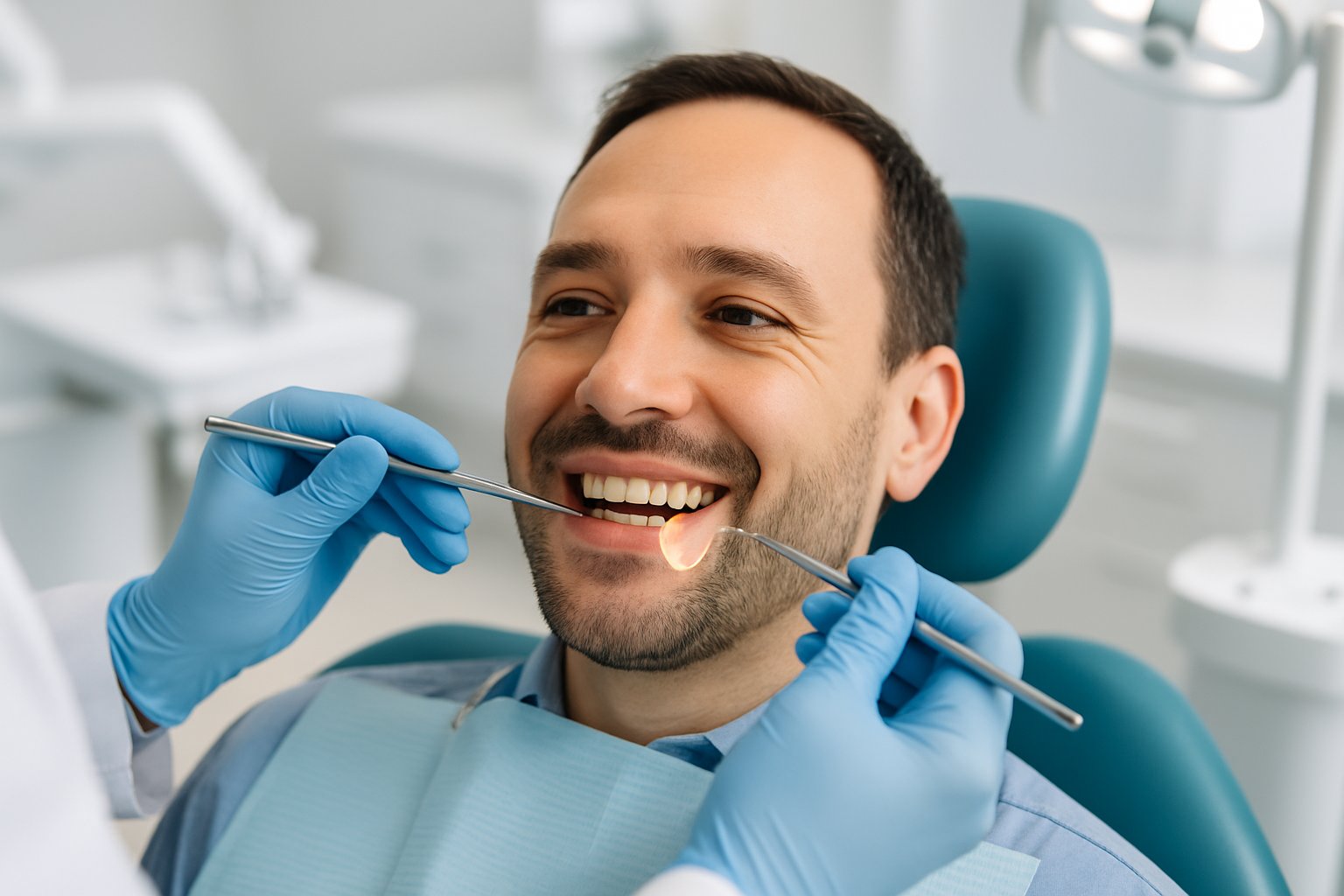
Dental crowns protect weakened teeth when damage goes beyond what fillings can repair. These signs show when your tooth needs the extra strength and protection that only a dental crown can provide.
Cracked or Fractured Teeth
Cracks in your teeth create weak spots. Even small cracks can spread and cause your tooth to break.
Visible cracks look like thin lines on your tooth surface. You might see them in the mirror or feel them with your tongue.
If you feel pain when biting down, a crack may have reached the inner layers of your tooth. The crack opens and closes when you chew, causing discomfort.
Temperature changes, like hot coffee or cold ice cream, can make cracked teeth hurt. This pain is usually sharp and quick.
A dental crown covers the whole tooth and holds cracked pieces together. It prevents the crack from getting worse and keeps bacteria out.
Worn-Down or Flattened Teeth
Worn-down teeth lose their natural shape and become shorter. This often happens from grinding your teeth at night, called bruxism.
Flattened tooth surfaces make chewing harder. Your teeth lose their pointed edges and become smooth.
You might notice your teeth look shorter. Some people also see changes in their face because worn teeth affect their bite.
Bruxism can happen without you knowing. Many people grind their teeth while sleeping and only find out during dental visits.
Dental crowns restore the height and shape of worn teeth. They also protect against future wear from grinding.
Large Fillings or Failing Restorations
Large fillings take up a lot of space in your tooth. This can weaken the remaining tooth structure.
Old fillings may crack, chip, or pull away from the tooth. Gaps can form, letting bacteria in and causing new decay.
Weakened teeth with big fillings often break during eating. Thin tooth walls cannot handle chewing forces well.
If you have multiple fillings in one tooth, the tooth becomes even weaker. Each filling removes more healthy tooth structure.
A dental crown covers and protects the whole tooth. It spreads chewing forces evenly and keeps the tooth from breaking.
Tooth Pain or Sensitivity
Tooth pain that lasts for hours or returns often means the tooth is badly damaged. Simple sensitivity treatments usually don’t help.
Sharp pain when biting down shows the tooth structure is compromised. Damaged parts of the tooth can move under pressure.
Sensitivity to sweet foods might mean deep decay has reached the inner layers. The tooth may need more treatment before a crown.
Throbbing pain that keeps you awake is a serious sign. This often means the tooth’s nerve is infected or dying.
A crown protects the tooth after your dentist removes the damaged areas. It seals out bacteria and prevents further problems.
Following Root Canal Treatment
Root canal treatment removes infected tissue inside your tooth. This leaves the tooth hollow and more likely to break.
The dentist removes a lot of tooth structure during root canal therapy. The access hole and cleaning process weaken the tooth walls.
Back teeth need crowns after most root canals. These teeth handle heavy chewing forces and break easily without protection.
Front teeth may not always need crowns after a root canal. Your dentist will decide based on how much tooth structure remains.
A crown placed after root canal therapy can last for many years. It protects the treated tooth and restores chewing function.
Dental Crown Process and Importance for Long-Term Oral Health
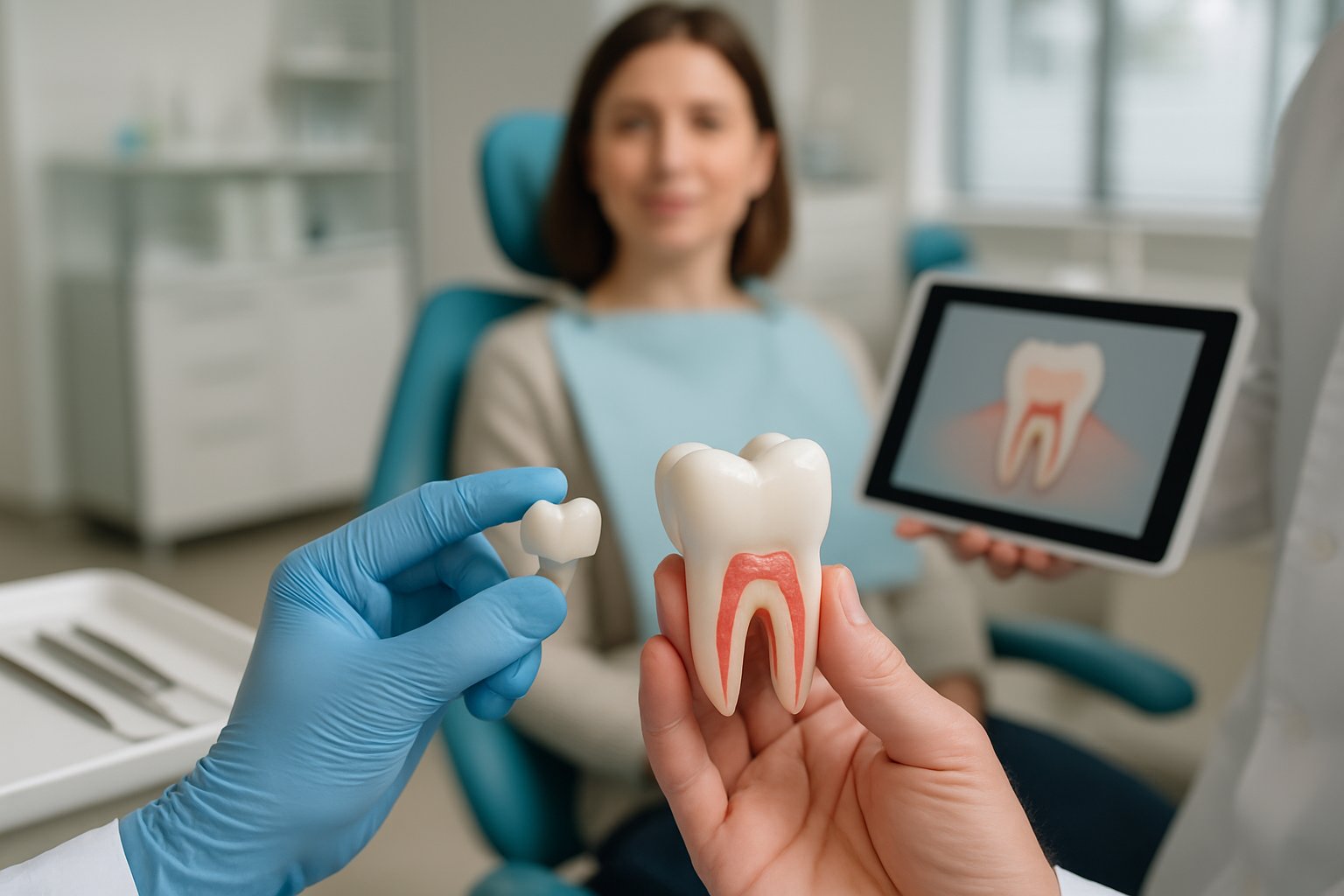
Getting a dental crown involves several steps. The process usually takes two visits.
Consultation and Diagnosis
Your dentist will examine your tooth to see if a crown is right for you. They will take X-rays to check the root and surrounding bone.
During this visit, your dentist will talk about the best crown material for you. Choices include porcelain, ceramic, or metal crowns.
The dentist checks if your tooth needs other treatment before placing a crown. This might include a root canal or filling.
You’ll get information about the procedure timeline and costs. Most dental insurance plans cover part of the cost.
Your dentist will create a treatment plan that fits your schedule. They will answer any questions you have.
Tooth Preparation and Temporary Crown
The dentist will numb your tooth and the area around it. They will reshape your tooth to make room for the crown.
They remove about 1-2 millimeters of tooth structure from all sides. This allows the permanent crown to fit properly.
Your dentist will take impressions of the prepared tooth. These molds help the dental lab make your custom crown.
A temporary crown protects your tooth while the permanent one is made. The dentist uses special adhesive to hold it in place.
The temporary crown lets you eat and speak normally. Avoid sticky or hard foods that might loosen it.
Permanent Crown Placement
Your permanent crown will be ready in about 2-3 weeks. The dentist will remove your temporary crown and clean your tooth.
They check the fit and color of your new crown. Small adjustments can be made for proper bite alignment.
The dentist will cement the permanent crown in place with strong dental adhesive. They remove any extra cement from around the tooth.
You might feel some sensitivity for a few days after getting the crown. This is normal and should go away soon.
Your dentist will give you care instructions for your new crown. Brush and floss regularly to keep your crown and teeth healthy.
Benefits of Dental Crowns for Tooth Restoration
Dental crowns restore your tooth’s shape and size. They let you bite and chew food normally again.
Crown placement protects weak or damaged teeth from further harm. The crown acts as a protective cap over your natural tooth.
Crowns can improve the look of misshapen teeth or severe discoloration. They blend in with your other teeth.
Tooth restoration with crowns can last 15-30 years with good care. Regular checkups help keep your crown in good condition.
Crowns often prevent the need for tooth extraction. This helps keep your natural bite and jaw alignment.
Frequently Asked Questions
Many people have questions about dental crowns before treatment. Common concerns include warning signs, damage types, wear patterns, treatment costs, crown lifespan, and possible complications.
What indicators suggest a tooth may require a crown?
Several clear signs show you might need a dental crown. Persistent tooth pain when chewing or biting means the tooth is damaged and needs protection.
Large fillings that take up more than half your tooth make it weak. The tooth can break under normal pressure.
Visible cracks or chips need quick attention. Even small cracks can spread and cause bigger problems if left untreated.
Your dentist may recommend a crown after root canal treatment. The procedure removes the tooth’s nerve, making it more brittle.
What types of damage to a tooth make a crown necessary?
Severe tooth decay that covers a large part of your tooth means you need a crown. Regular fillings cannot support extensive damage.
Fractures that go below the gum line need crown protection. These breaks weaken the whole tooth.
Teeth with multiple old fillings often need crowns. The remaining tooth becomes too weak to work well.
Grinding or clenching can cause a lot of wear. This damage creates thin spots that need crown reinforcement.
How can one recognize tooth wear that might necessitate a crown?
Worn-down teeth look shorter than other teeth. You may notice your bite feels different or uneven.
Sharp edges or rough surfaces on your teeth show too much wear. This can happen from grinding, acid erosion, or heavy use.
Tooth sensitivity to hot or cold foods can mean worn enamel. The protective layer becomes too thin.
Visible holes or pits in your teeth show advanced wear. These spots collect bacteria and need crown coverage.
What are the expected costs for a single dental crown procedure?
Dental crown costs usually range from $800 to $1,500 per tooth. The price depends on the material and your location.
Porcelain crowns cost more than metal crowns. Gold crowns are usually in the middle price range.
Your dental insurance may cover 50% to 80% of crown costs. Check with your insurance company about coverage limits and waiting periods.
Extra costs may include X-rays, tooth preparation, and temporary crowns. Some dentists charge separately for these services.
How long does a typical dental crown last before needing replacement?
Most dental crowns last 10 to 15 years with good care. Some crowns can last 20 years or longer.
Your oral hygiene habits affect how long crowns last. Regular brushing and flossing help prevent problems around the crown.
Grinding or clenching your teeth can shorten crown life. A night guard can protect your crowns from extra pressure.
The crown material also affects durability. Gold and porcelain-fused-to-metal crowns usually last the longest.
What are the potential risks or complications associated with getting a dental crown?
You may experience tooth sensitivity after crown placement. This usually goes away within a few weeks as your tooth adjusts.
Plaque can collect around crown margins if you do not clean them properly. Decay may develop at the edges of the crown.
Some people have allergic reactions to crown materials. Tell your dentist about any metal allergies before treatment.
Crowns can chip or crack under extreme pressure. Avoid chewing ice, hard candy, or using your teeth as tools.
Sometimes, the crowned tooth needs root canal treatment later. This happens if the tooth nerve gets damaged during crown preparation.